
Why doesn't coffee taste as good when it gets cold? How long should you drink it? What's the difference between hot and cold?
As a cup of hot coffee cools, acidity and bitterness grow louder until the whole cup becomes hard to enjoy—which is why people generally say coffee should not sit around. That raises the obvious question: if it can't wait, when exactly should a cup be finished?
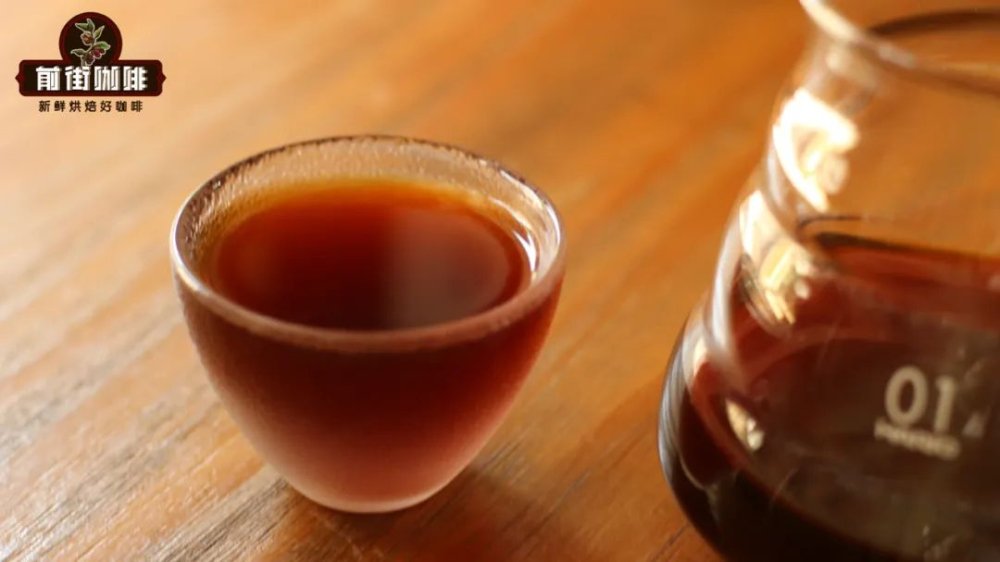
To pin down the drinking window, we first need to understand why coffee fades over time. The culprits come down to two things we often mention: the loss of volatile flavor compounds, and the shifting of our own sensory perception.
Why Does Coffee Taste Worse When It Cools?
The aroma you smell rising off a cup is actually volatile compounds escaping. After brewing ends, the compounds in the cup cannot increase—they can only decrease!
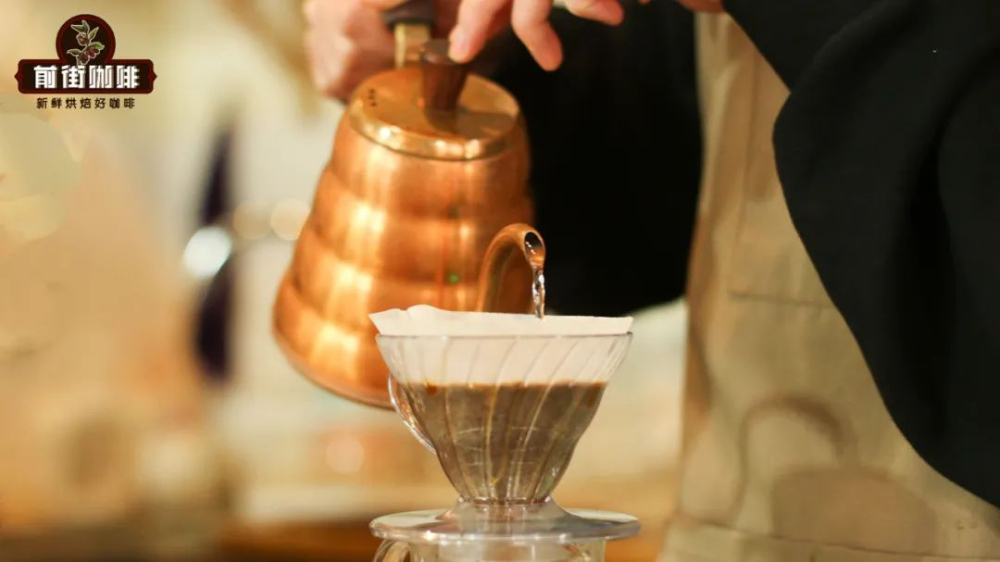
Just like the carbon dioxide trapped inside whole beans, the volatile compounds in brewed coffee dissipate continuously. By the time the cup has cooled, a large share of them is already gone. Even setting aside the sharper acidity and bitterness, cooled coffee simply cannot match hot coffee—those aromatics are missing.
The second factor is sensory. Our perception of taste changes with temperature. While coffee is hot, our sensitivity to sweetness is heightened, effectively suppressing how strongly we register acidity and bitterness, and the cup tastes balanced. That is why a hot coffee rarely offends. As it cools, sweetness perception drops and the perceived intensity of acidity and bitterness climbs—hence the familiar experience of coffee turning more sour or more bitter as it sits.
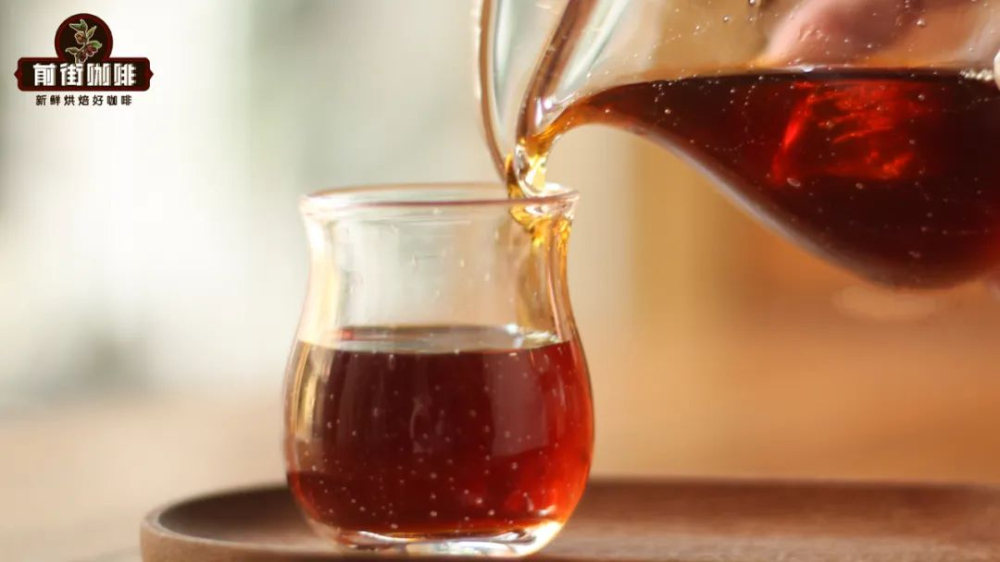
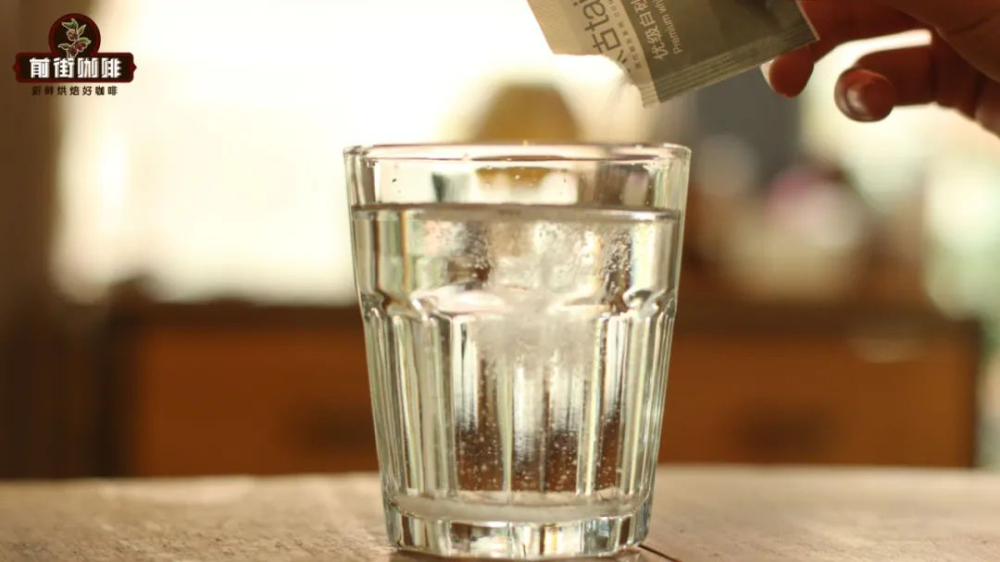
Here is a simple demonstration: make a cup of hot sugar water and taste it as it cools. The closer the temperature gets to body temperature, the sweeter it seems!
The same principle governs coffee. If you want to catch it at its sweetest, most flavorful peak, finish the cup before it reaches room temperature. Exactly when that happens depends on the surrounding climate, so there is no fixed number of minutes—the honest answer is simply "drink it promptly."
What About Iced Coffee?
The same logic applies to iced pour-over. A typical iced pour-over still holds several unmelted ice cubes, and once they melt—regardless of their size—the drink is diluted, its concentration drops, and the flavor shifts (while the volatile compounds keep evaporating too). So hot or cold, the best move is to finish your coffee before it "changes character."
Can Cooled Coffee Be Saved?
Is there any way to rescue a cooled cup? FrontStreet Coffee ran a reheating experiment on cooled coffee just last month to see whether it could regain its hot-brewed glory. The results matched our expectations: reheating does restore our perception of sweetness and dampens the acidity and bitterness, but it cannot bring back the aromatic compounds already lost, so a noticeable gap remains in the flavor. However you adjust it, the lost aromatics will not return. Drink it promptly—it really is that simple.

FrontStreet Coffee Recommendation
One happy exception to the cooling rule: well-made light-roast beans often reveal even more layers as the cup cools. Three from the FrontStreet Coffee shelf worth savoring slowly:
FrontStreet Yirgacheffe Guodingding — The first stop for many entering specialty coffee. Vivid citrus, berry, and floral aromatics with a green-tea-like sweet finish; its acidity is soft and bright—fruit-like rather than sharp—making it one of the easiest light roasts to love.
FrontStreet Ethiopia Huakui — One of the biggest stars of the specialty market in recent years. Its defining trait is intense tropical fruit: strawberry, passion fruit, jackfruit, even lychee. Pronounced sweetness, minimal bitterness, silky and juice-filled—many drinkers call it "the coffee that doesn't taste like coffee."
FrontStreet Kenya Cherry Tomato — A washed Kenya from the Thika growing region at 1,550–1,750 meters, built on the classic local SL28 and SL34 varieties and given Kenya's signature 72-hour double-washed fermentation, then roasted light to preserve its lively acidity. Dried cherry-tomato and floral aromatics lead into clear cherry tomato and dark plum, full as fresh-squeezed juice, with pear and black plum in the middle and a clean, long finish of yellow sugar and faint green tea.
Important Notice :
FrontStreet Coffee is a long-established specialty coffee roaster in Guangzhou China, selling freshly roasted beans from its own farm in Yunnan as well as dozens of carefully selected single-origin beans from around the world for both pour-over and espresso. The products deliver consistently excellent quality and great value, with shipping within 24 hours. Guangzhou's FrontStreet Coffee shop is recommended by many coffee lovers, and the beans are now available online at the Tmall 。
FrontStreet Coffee has moved to a new address:
FrontStreet Coffee Address: 315,Donghua East Road,GuangZhou
Tel:020 38364473
 Scan and follow the En Gafei WeChat official account. Please indicate that the reprint comes from "En Gafei".

