
Colombian Coffee History, Coffee Development, La Divisa Hacienda Sidra, and Geisha Coffee Beans Introduction
Colombia is a coastal nation in the northern part of South America. Its terrain is broadly divided into a western mountainous region and an eastern plains region. The west is mainly the Andes range with several coastal plains, while the east is largely the Orinoco Plain and the Amazon Plain.
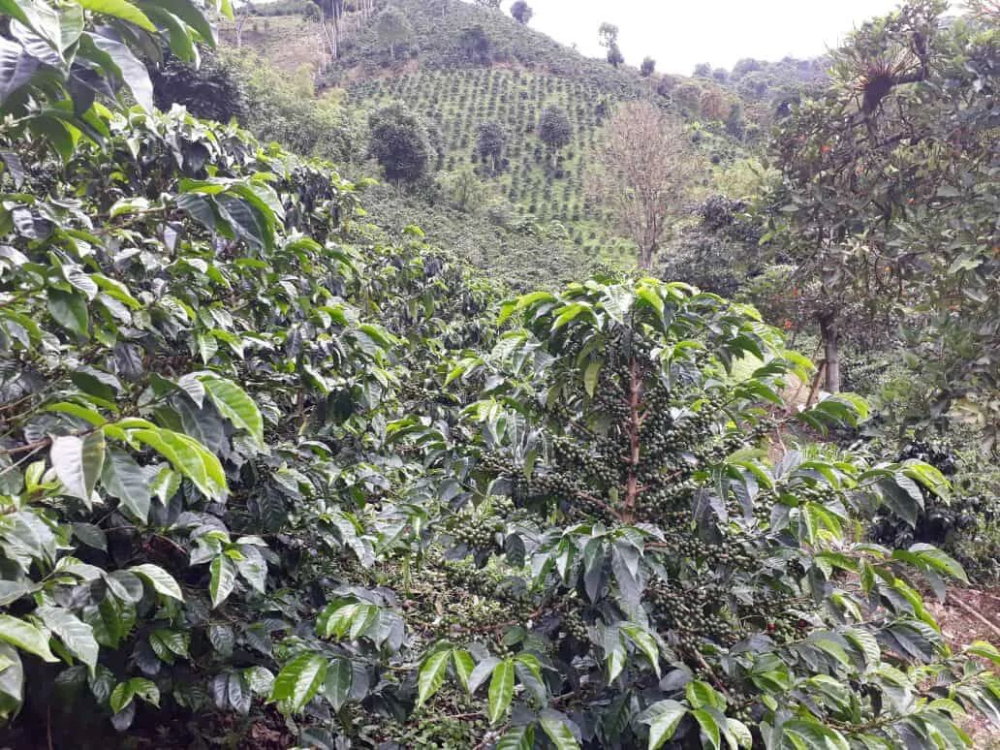
According to some records, coffee may have been introduced to Colombia in 1723 by Jesuit missionaries and gradually spread across the country, though it was not until the late 19th century that it truly began to develop. During 1899-1903, Colombia experienced civil unrest, which sharply reduced the coffee-farming population and left numerous plantations abandoned. After the unrest ended, the government, in order to save the coffee industry, began consolidating wasteland and dividing it into small plots, selling them to farmers at extremely low prices so they could cultivate coffee and other crops and build a new life. By 1912, coffee had developed to account for 50 percent of Colombia's total exports.

Coffee produced by small farms, however, had little say in the international market. So in 1920, at the suggestion of coffee farmers, the Colombian Coffee Federation was established to protect the interests of small farms. The organization kept growing, and in 1927 it facilitated the formation of the more authoritative and standardized Colombian National Federation of Coffee Growers, known as the FNC. After its establishment, the FNC rolled out a series of initiatives, including strict quality control, the founding of a national coffee research center, and the creation of Juan Valdez and his mule Conchita to promote Colombian coffee, raising its global competitiveness and influence. Today Colombia is the world's third-largest coffee producer and exporter, but coffee is still grown mostly on small estates. Among them are many famous farms, such as Finca El Diviso.
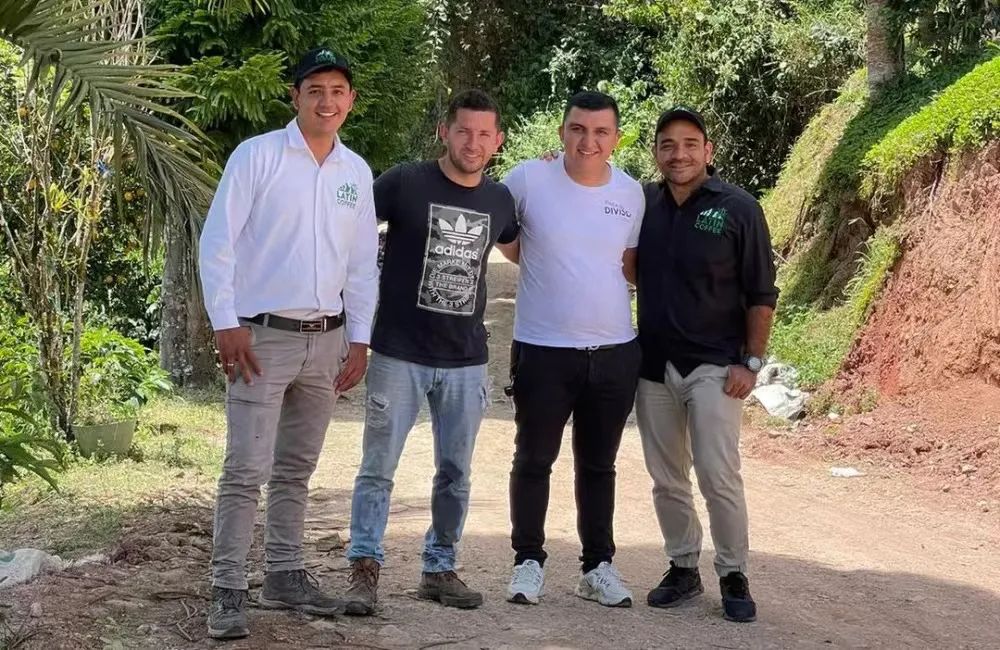
Nestor Lasso with Family and Friends
Finca El Diviso lies in Colombia's most famous producing region, Huila, a coffee estate at an altitude of approximately 1,700 meters. It is a family enterprise that has been producing coffee for 27 years, founded by Jose Uribe Lasso in 1996 with 14 hectares of planting area. Nearly everyone who works there is family or friends, and the estate is currently run by the founder's son, Nestor Lasso. Each year, May to July is the small harvest season and September to December is the main harvest season. The estate mainly grows twelve coffee varieties, including Geisha, Pink Bourbon, Yellow Bourbon, Castillo, Sidra and Caturra.

Australian Contestant Anthony Douglas
At the 2022 World Barista Championship, a contestant from Australia, Anthony Douglas, used Sidra coffee beans from Finca El Diviso and won the title. That victory made both Finca El Diviso and the Sidra variety famous almost overnight.
FrontStreet Coffee's Selection
FrontStreet Coffee has of course also sourced beans from Finca El Diviso. Besides the championship-winning Sidra, we have obtained Geisha from the estate. FrontStreet Coffee's Finca El Diviso Sidra is processed using the double anaerobic natural method; brewed with a V60 at a 1:15 ratio, it shows fermented notes with flavors of grape, passion fruit, dried apricot and citrus, on a smooth and mellow mouthfeel. FrontStreet Coffee's Finca El Diviso Geisha is washed processed; brewed with a V60 at a 1:15 ratio, it offers jasmine florals and flavors of red grapefruit and citrus, with a smooth, tea-like texture.
FrontStreet Coffee Recommendation
Geisha is the variety that ties Colombia's most celebrated farms to the wider coffee world, and if you want to understand why it commands such attention, Panama is the place it made its name. Hacienda La Esmeralda discovered the Geisha growing on its land in 2003 and entered it in the Best of Panama competition, where an average cupping score of 94.6 shattered the event's record and turned Geisha into the most coveted variety on earth.
FrontStreet Panama Esmeralda Red Label Geisha, officially Esmeralda Special, grows between 1600 and 1800 meters. Every lot cups above 90 points, carries its own lot number, and comes from a single small plot, so buyers can pick the lot whose subtle flavors suit them best. FrontStreet Esmeralda Green Label Geisha, or Private Collection, is named for its green label and blends batches from several plots to express the estate's signature high-altitude Geisha character, at a much friendlier price.
Ethiopia, the birthplace of the variety, offers a brighter expression. FrontStreet Boquete Geisha is an accessible entry from Panama's most representative specialty region, washed and unforgettably honeyed-citrus with an oolong-tea texture, while FrontStreet Grana Gesha comes from a processing station at the border of Kochere and Grana Abaya, founded in 2014 and managed by Mr. Israel Degefa across a coffee area of some 700 hectares, hand-picked and dried on raised beds for 14 to 20 days depending on the weather.
Important Notice :
FrontStreet Coffee is a long-established specialty coffee roaster in Guangzhou China, selling freshly roasted beans from its own farm in Yunnan as well as dozens of carefully selected single-origin beans from around the world for both pour-over and espresso. The products deliver consistently excellent quality and great value, with shipping within 24 hours. Guangzhou's FrontStreet Coffee shop is recommended by many coffee lovers, and the beans are now available online at the Tmall 。
FrontStreet Coffee has moved to a new address:
FrontStreet Coffee Address: 315,Donghua East Road,GuangZhou
Tel:020 38364473
 Scan and follow the En Gafei WeChat official account. Please indicate that the reprint comes from "En Gafei".

