Is It Undrinkable to Have Coffee Beans That Haven't Been "Restored" Properly?

Specialty coffee is booming: shops are opening on every corner and small roasting operations keep multiplying. One of the perks of this prosperity is how easy it has become to buy freshly roasted coffee. Yet baristas will often tell you that beans that are too fresh should be rested before brewing. So does coffee that hasn't been "rested" really taste undrinkable?
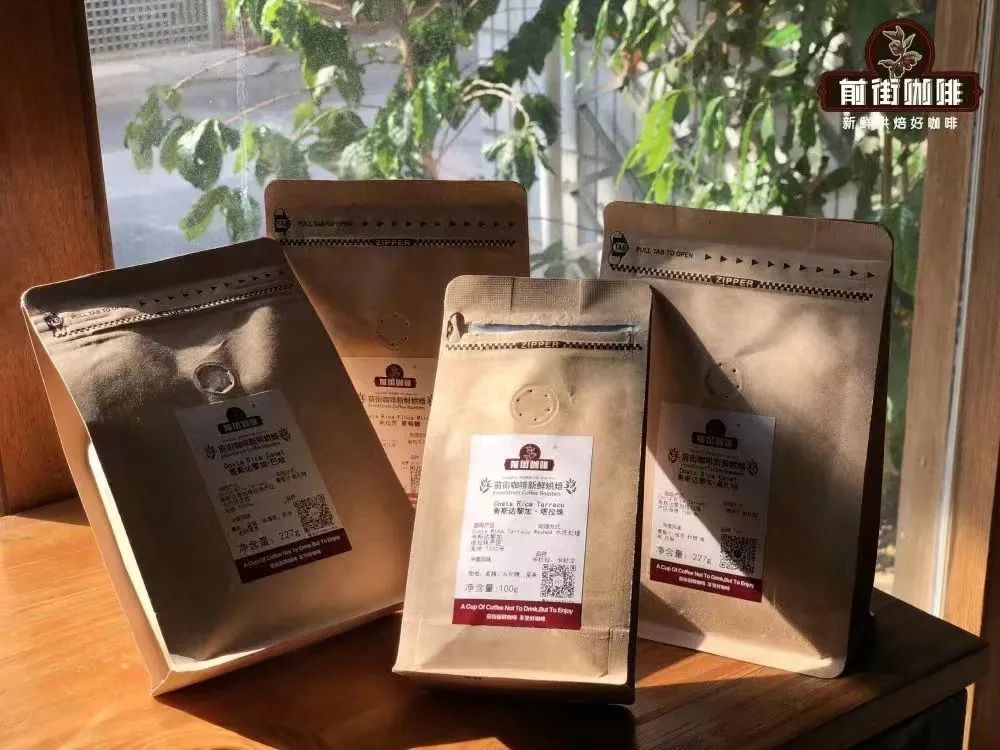
Understanding Coffee Bean Resting
Why do fresh beans need to rest at all? Are they truly undrinkable without it? And how do you even tell how fresh a bag is? Let FrontStreet Coffee walk you through everything about "resting" coffee beans.
Why Should Freshly Roasted Beans Rest for Several Days?
Fresh out of the roaster, coffee beans are loaded with carbon dioxide, along with popcorn-like aromas from the Maillard reaction and even a touch of smoke. Grind and brew them straight away and that CO2 acts like a barrier, keeping water from reaching the coffee's flavor compounds. It can also carry roast-y notes into the cup, and the result is a poor flavor presentation.
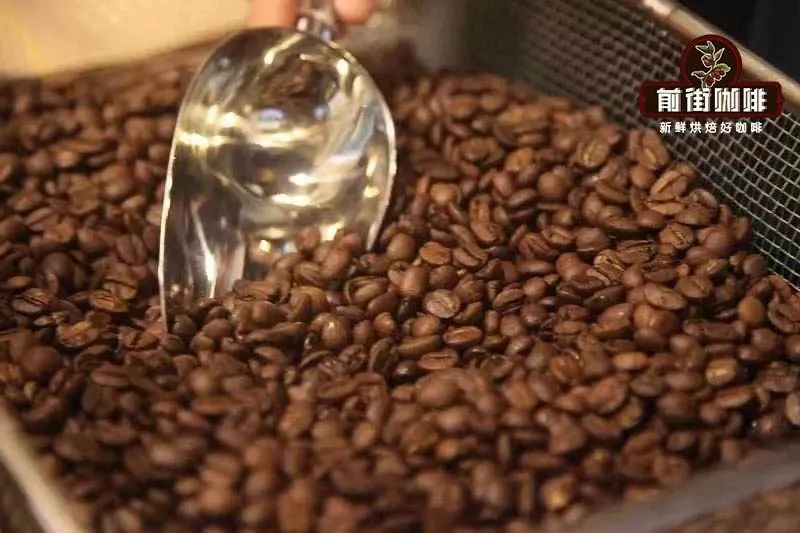
The aroma of freshly roasted coffee holds for two to three weeks, and it peaks between day 8 and day 25, when the brewed flavor is at its most expressive — the "optimal tasting window." Resting exists to let the beans slowly vent their carbon dioxide, carrying off the unpleasant gases produced during roasting, while the flavors inside the bean gradually settle and become far easier to extract.
The darker the roast, the larger and more porous the beans become and the more CO2 they trap, so the more gas they need to release. In other words, darker roasts need longer rests. Espresso beans (roasted medium-dark), for example, need roughly 7–10 days to show their best flavor, while light-to-medium roasts that highlight florals and fruity acidity rest for about 4–7 days.
Can You Drink Beans That Aren't Fully Rested?
FrontStreet Coffee's answer: go ahead and enjoy your beans as soon as they arrive.
Most roasters and consumers today are well aware of how much freshness matters, and beans typically reach the customer within a week of roasting. Take FrontStreet Coffee: our roasting schedule is planned on a 5-day production cycle. In the worst case, the beans you receive were roasted no more than 5 days earlier; add 1–2 days of shipping and the flavor has already stabilized by the time they reach you. Resting is therefore optional.
And if the bag you receive was roasted just yesterday? FrontStreet Coffee says start brewing immediately! Although a bag of coffee settles flavor-wise a few days after roasting, drinking from day one lets you follow the daily evolution of a fresh coffee, train your palate to judge whether beans are properly rested, and experience another dimension of specialty coffee — one with its own particular charm.

How Can You Judge Whether Beans Are "Rested" Before Tasting?
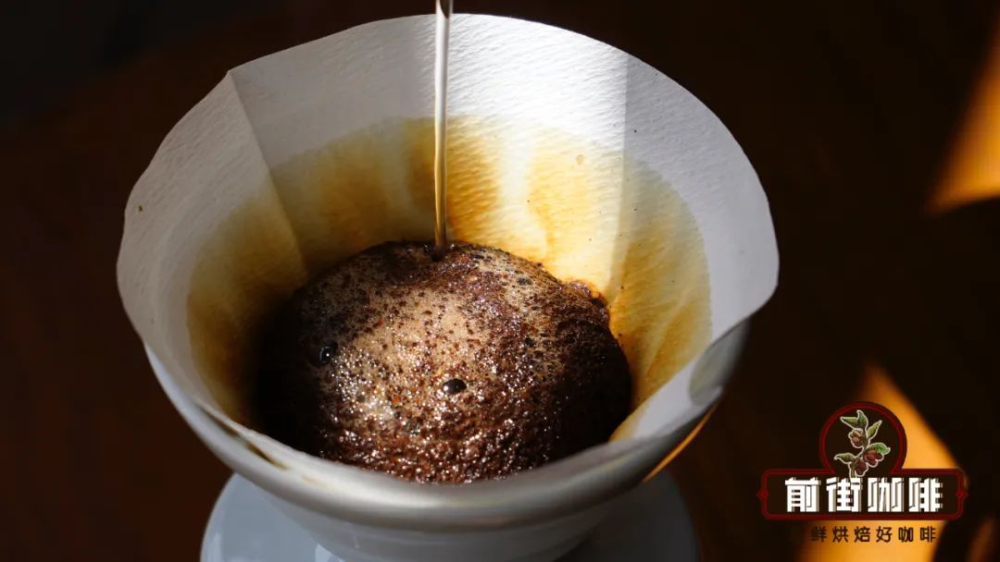
Watch the bloom. The point of blooming is to release CO2 from the grounds and wet the coffee so it "warms up" for extraction. With the same bean, if the grounds swell into a "hamburger-shaped" dome, there's still plenty of CO2 inside — the beans are relatively fresh. If the coffee bed barely moves and never domes, the beans have probably been sitting around a while.
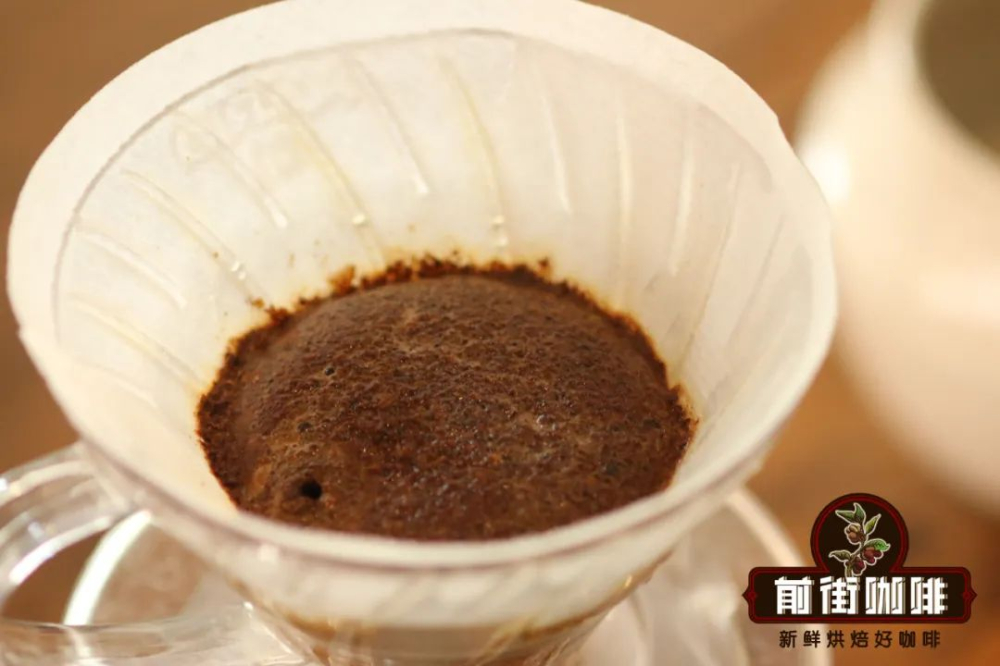
Bear in mind that not every bean throws an obvious "hamburger." Some light roasts and denser, harder beans produce a smaller, pressed-flat dome — puffed, but only just. That doesn't mean they aren't fresh.
Bloom-watching is only a rough gauge, of course. Whether beans are truly rested — and how fresh they really are — can only be confirmed by tasting the actual flavors in the cup.
- END -
FrontStreet Coffee
No. 10, Bao'an Qianjie, Yandun Road, Dongshankou, Yuexiu District, Guangzhou, Guangdong Province

FrontStreet Coffee Recommendation
If balance is what you're after once your beans have rested, start with a medium roast. FrontStreet Coffee's Queen Estate Yellow Bourbon from Brazil — the world's largest coffee-producing country and home to the distinctive Yellow Bourbon variety — is soft and gently sweet, and at a medium roast it opens up aromas and sweetness of creamed peanuts, chocolate, toast, and sugarcane. It extracts beautifully as a pour-over and handles a moka pot or espresso machine just as well.
For something a little fruitier in the medium-roast camp, the FrontStreet 2013 Yunnan Natural Typica carries the classic character of Yunnan arabica: roasted medium to preserve its balanced, mellow profile, it shows soft notes of nuts, brown sugar, black tea, and dried apricot, and it suits pour-over, cold brew, and drip machines alike — remarkable value for a daily drinker.
Important Notice :
FrontStreet Coffee is a long-established specialty coffee roaster in Guangzhou China, selling freshly roasted beans from its own farm in Yunnan as well as dozens of carefully selected single-origin beans from around the world for both pour-over and espresso. The products deliver consistently excellent quality and great value, with shipping within 24 hours. Guangzhou's FrontStreet Coffee shop is recommended by many coffee lovers, and the beans are now available online at the Tmall 。
FrontStreet Coffee has moved to a new address:
FrontStreet Coffee Address: 315,Donghua East Road,GuangZhou
Tel:020 38364473
 Scan and follow the En Gafei WeChat official account. Please indicate that the reprint comes from "En Gafei".