
What's the Difference Between Low-Caffeine Coffee, Decaffeinated Coffee, and Regular Coffee?
A couple of years ago, a "decaffeinated coffee" trend suddenly swept through the coffee market. People who couldn't sleep after drinking coffee because of caffeine sensitivity needed an alternative that would still satisfy the craving, and they discovered the wonderful existence of decaffeinated coffee, which answers that need perfectly.
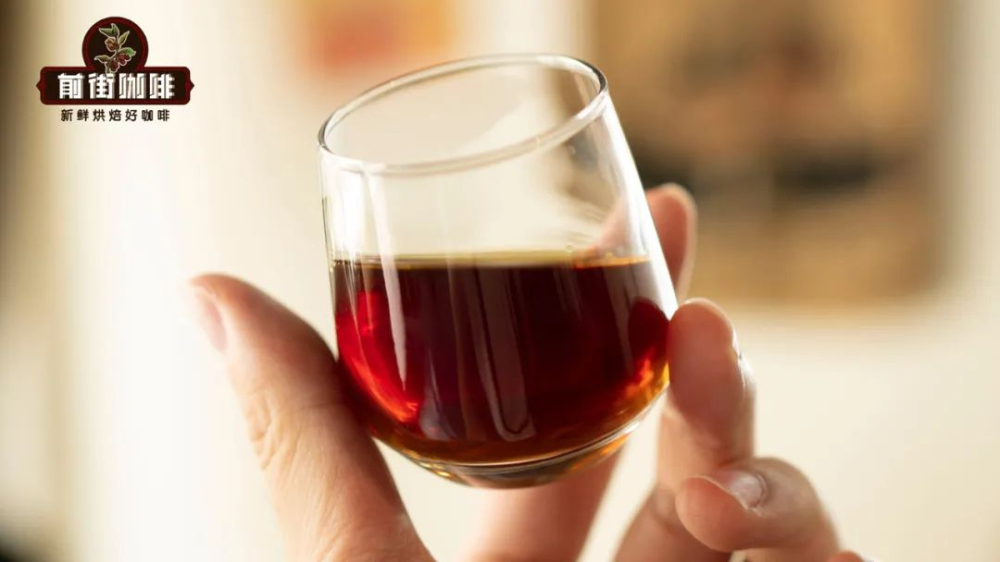
Decaffeinated coffee is a relative idea, not a separate variety. The simplest way to understand it: coffee beans with less caffeine than regular coffee beans.
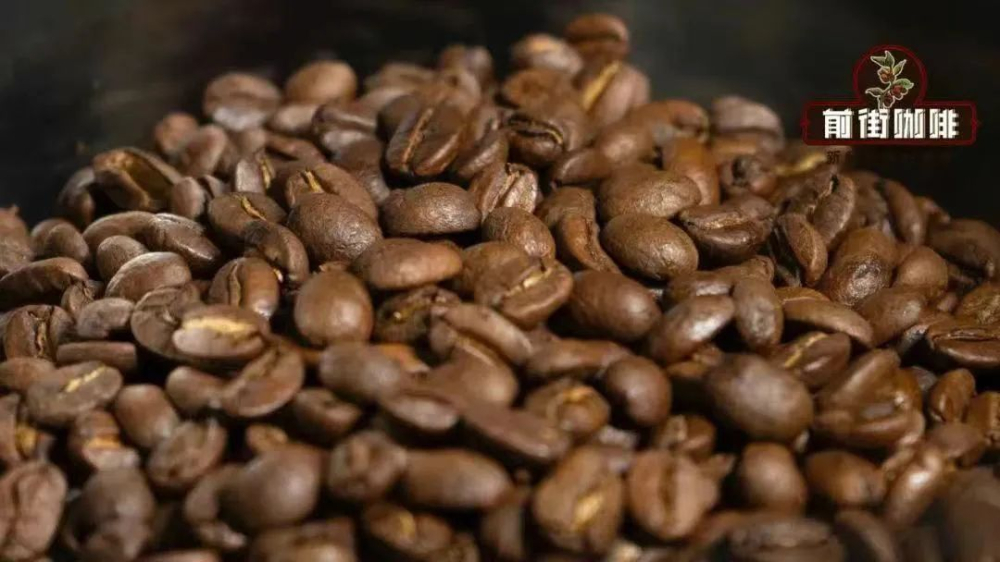
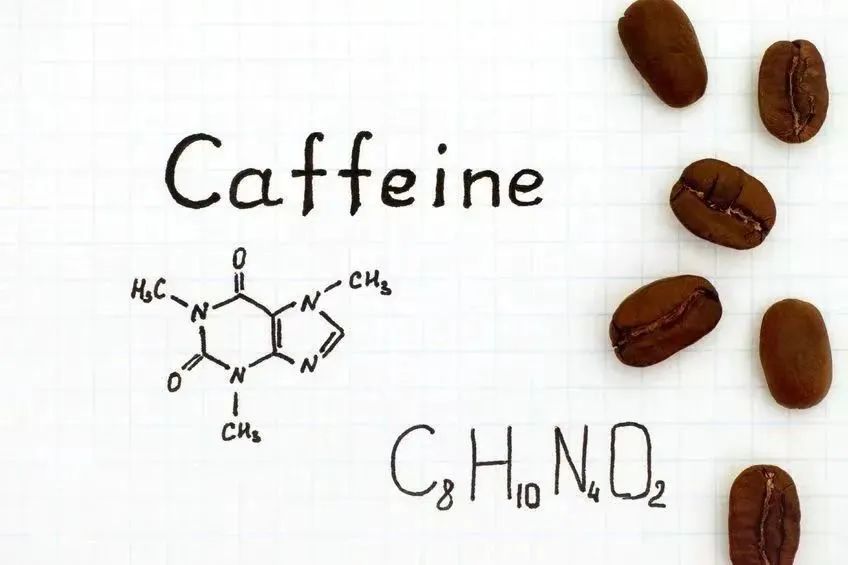
As everyone knows, coffee contains caffeine. The most commercially valuable coffee varieties today fall into two main categories, Arabica and Robusta. The caffeine content of Arabica beans ranges from 0.9% to 1.4%, averaging 1.2%. Robusta beans contain twice as much caffeine as Arabica, ranging from 1.8% to 4%, averaging 2.2%. Then people discovered that the Bourbon variety Laurina, grown on Réunion Island, contains only half the caffeine of Arabica varieties, and the name decaffeinated coffee was born.
The Role of Caffeine
In terms of what it does for us, caffeine provides a refreshing, alertness-boosting effect. During the growth and development of the coffee cherry, its main function is to defend against enemies, resisting disease and insects.
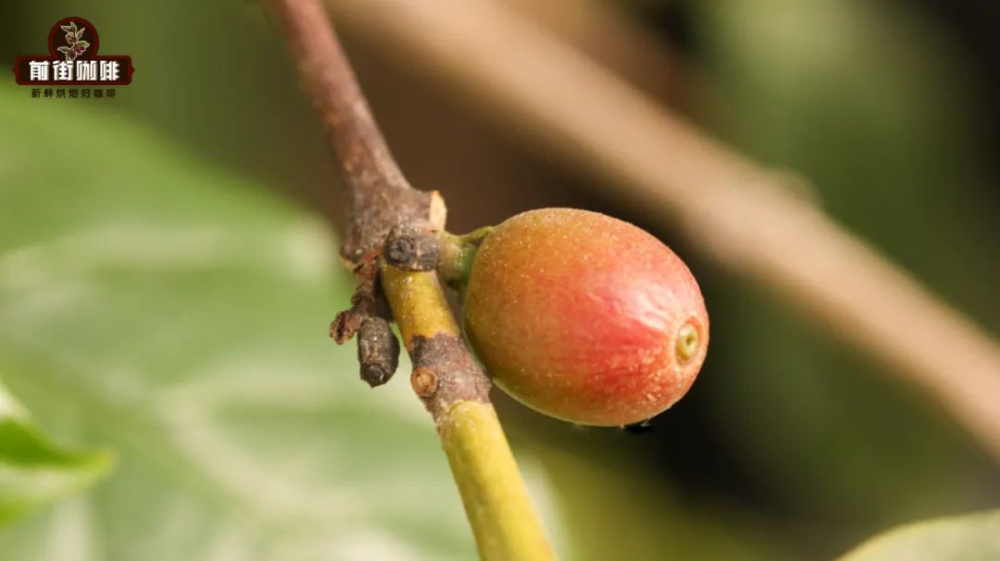
Coffee cherries attract pests that come to feed on them, so coffee trees need to secrete caffeine to resist those pests. The lower the altitude, the more pests there are, and the more caffeine the trees naturally need to produce. At higher altitudes, pests struggle to survive and are fewer in number, so the trees don't need to secrete excessive amounts. This is why caffeine content, besides variety, is also related to cultivation altitude, and it explains why Robusta varieties are so rich in caffeine.
Types of Decaffeinated Coffee
The types mentioned here don't refer to bean varieties but to how decaffeinated coffee is produced. Production can be divided into two methods: natural growth and artificial processing. At this point some readers might ask: if it can grow naturally, why is artificial processing still necessary?
Here's the situation. Because of its lower caffeine content, this coffee has weaker disease and insect resistance. High altitude doesn't mean there are no diseases or pests, so cultivating decaffeinated coffee is extremely difficult, and it was once nearly extinct. Since cultivation is so hard, the harvest is naturally small, while market demand for decaffeinated coffee keeps growing. So people need to decaffeinate regular coffee cherries after harvest to obtain decaffeinated coffee in large quantities and meet market demand. The decaffeinated coffee commonly referred to on the market today therefore usually means artificially decaffeinated coffee.
Artificial Decaffeination Methods
Because the decaffeination is done artificially, caffeine can be removed more thoroughly, so these beans contain even less caffeine. According to EU standards for such products, caffeine content must not exceed 1% of the green beans. The US Food and Drug Administration (FDA) standard requires reduction to less than 3% of the original caffeine content, which is actually similar to the EU standard.
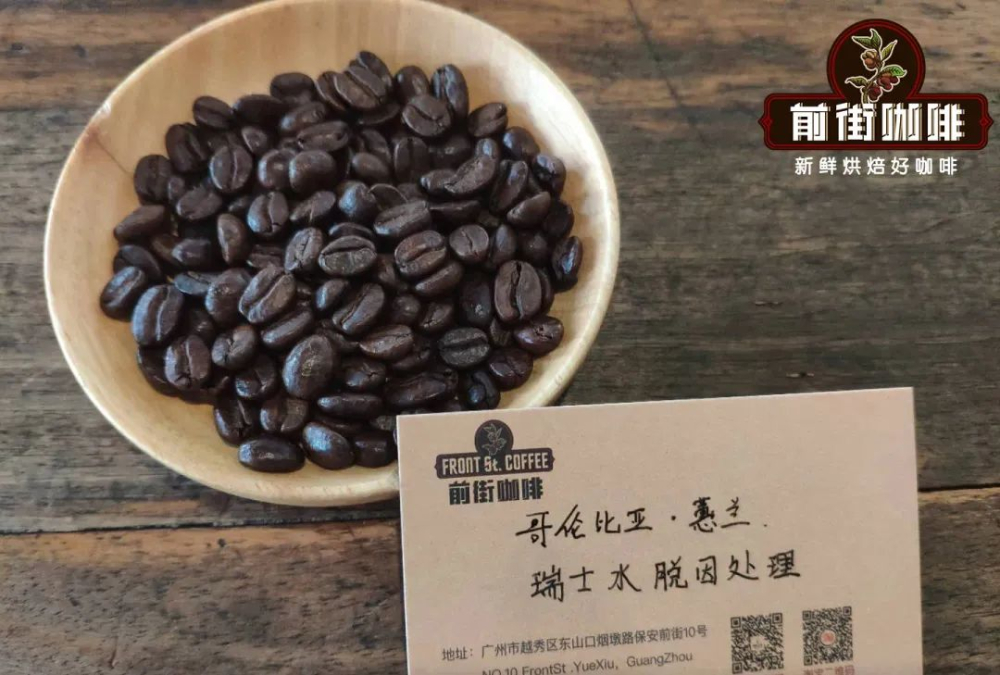
Artificial decaffeination falls mainly into three categories: supercritical carbon dioxide processing, Swiss water processing, and indirect or direct solvent processing. Among these, the Swiss water method is currently the most mainstream decaffeination process, so let's briefly look at how it works.
Swiss Water Processing Method
The Swiss water method was developed by the Swiss company Coffex in the late 1970s. It begins by soaking green beans in hot water. During the soak, the beans start to release some caffeine, and the soaking solution is then filtered through activated carbon. Once filtration is complete, the solution is poured back over the beans to eliminate the caffeine. But alongside the caffeine, coffee flavor is lost as well.
How Does Decaffeinated Coffee Taste?
Whether artificial or natural, decaffeinated coffee does contain far less caffeine than regular coffee, but in flavor expression it is relatively mediocre.
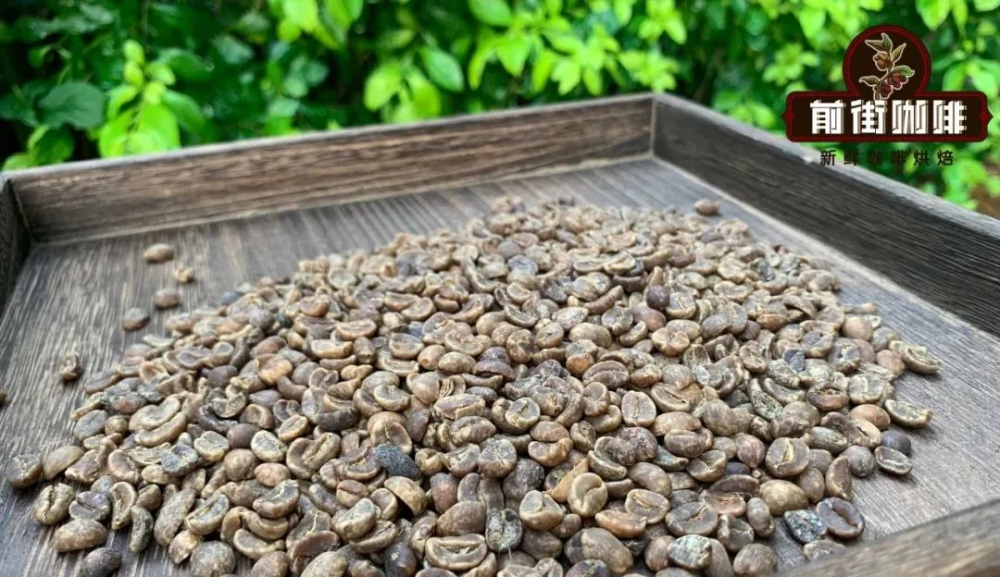
As mentioned earlier, artificial decaffeination removes flavor along with caffeine. On top of that, caffeine is one of the main contributors to bitterness in coffee. Bitterness helps hold a coffee in balance and enhances mouthfeel. Without that bitter support, the coffee lacks a rich, layered experience and feels rather one-dimensional.
- END -
FrontStreet Coffee Recommendation
The easiest way to keep caffeine moderate in your cup is to start from the variety itself: skip Robusta and choose Arabica, which naturally carries the lower range of caffeine. Arabica grows best between 800 and 2,200 meters at elevations free of frost, and the temperature swings at altitude slow the cherry's ripening, helping it build a more solid aroma. If you want a gentle, low-caffeine-leaning pour-over, FrontStreet Coffee suggests the washed Ethiopia Yirgacheffe Gudingding, a Grade 1 lot with elegant white florals, citrus, and a green-tea finish, or the sun-dried Ethiopia Huakui, sweet and tropical with almost no bitterness.
For those who prefer a fuller, rounder cup, the Yunnan Small Bean, with its nutty, chocolate, and caramel notes and a soft finish, and the washed Colombia Huila, with dark chocolate, cream, hazelnut, and toffee, are both comfortable, balanced Arabica options.
Important Notice :
FrontStreet Coffee is a long-established specialty coffee roaster in Guangzhou China, selling freshly roasted beans from its own farm in Yunnan as well as dozens of carefully selected single-origin beans from around the world for both pour-over and espresso. The products deliver consistently excellent quality and great value, with shipping within 24 hours. Guangzhou's FrontStreet Coffee shop is recommended by many coffee lovers, and the beans are now available online at the Tmall 。
FrontStreet Coffee has moved to a new address:
FrontStreet Coffee Address: 315,Donghua East Road,GuangZhou
Tel:020 38364473
 Scan and follow the En Gafei WeChat official account. Please indicate that the reprint comes from "En Gafei".

