Is Aftertaste and Sweetness the Same Thing in Coffee?

"Sweetness that returns and makes the mouth water, bitterness giving way to sweetness" is the highest praise people give to a good cup of tea. In coffee tasting, the term "huigan," or returning sweetness, is used often as well, usually to describe a coffee with a pleasant mouthfeel. So what exactly is the taste experience when we perceive huigan in coffee, and how does it differ from coffee's sweetness?
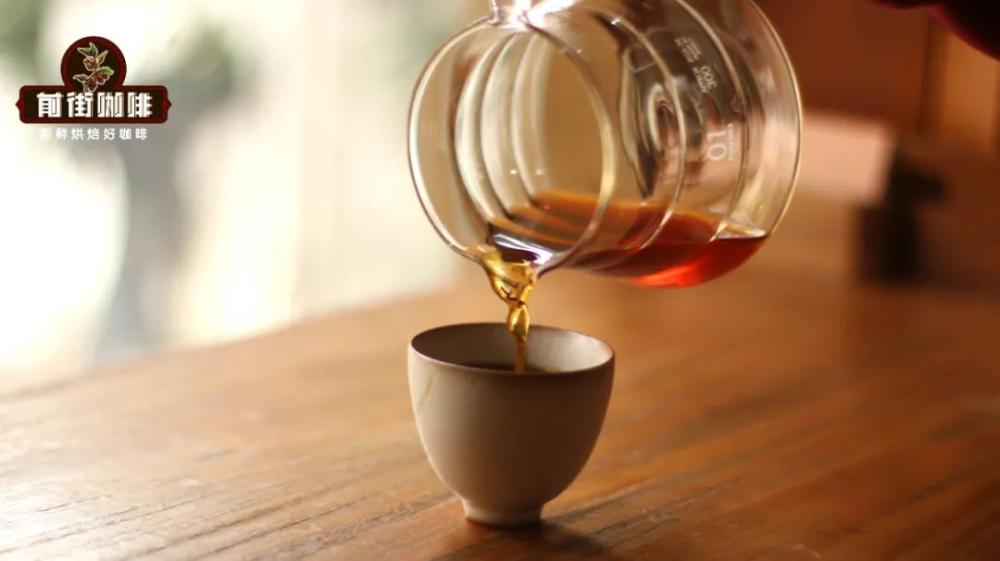
Understanding Aftertaste in Coffee
The aroma, flavour, and mouthfeel that coffee compounds leave in the mouth after swallowing are what we call aftertaste. Before swallowing, the coffee flavours, aromas, and textures we perceive count as flavour and mouthfeel; the same characteristics shown after swallowing are called aftertaste. You can think of it simply as a matter of timing. That way, when you taste coffee in future, you can decide which part belongs to flavour and mouthfeel and which part belongs to aftertaste based on when it appears.
Aftertaste is generally divided into two types: positive and negative. Good coffee naturally has positive aftertaste, such as floral notes, fruity sweetness, tea-like qualities, and honey-like sensations. Huigan falls into this positive category. Negative aftertaste commonly includes earthy, rubbery, and woody-chip flavours, as well as unpleasant mouthfeel such as dryness, roughness, and a throat-catching sensation.

Besides quality, we also assess aftertaste by how long it lasts. The longer good flavours linger, the better the aftertaste. A cup of Warm Sun espresso with good aftertaste, for example, leaves residual fermentation and cocoa aromas in the mouth for up to ten minutes after drinking, while an espresso with short aftertaste loses its aromas entirely within seconds, even without any negative mouthfeel.
The Nature of Huigan (Returning Sweetness)
Next, let's look more closely at how huigan manifests. It is a taste-bud experience in which the coffee has a slight bitterness or astringency on entry, after which sweetness gradually overtakes the bitter or sour-astringent sensation and the cup finishes sweet. "Bitterness first, then sweetness" means the clear sweet aroma that returns after the bitterness fades in the mouth. Take the oil citron of the Chaoshan region: the first bite brings a stimulating sourness with a slight astringency on the tongue, then the mouth begins to water and fills with a clear sweetness.
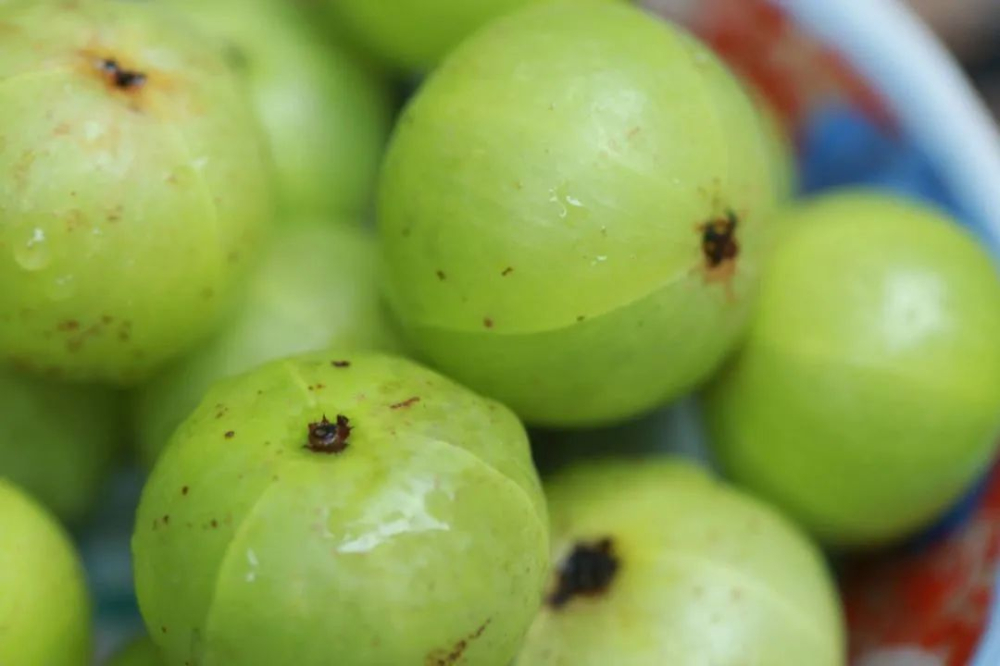
From this you can see that huigan is a flavour that emerges against a certain degree of bitterness or astringency. Unlike the direct sweetness you feel when eating candy, it has to pass through "bitterness" and be highlighted by it to be called huigan. It is worth noting, though, that the degree of bitterness and the intensity of huigan are not necessarily directly related. An over-extracted coffee can be very bitter and still have no huigan at all.
When we assess dark roast beans that emphasise bitterness, huigan becomes a very good indicator. Tasting FrontStreet Coffee's Brazil Queen Estate, for example, the first impression is a bitter aroma like roasted peanuts and dark chocolate; the bitterness then fades gradually, accompanied by a sweet taste that persists for some time without diminishing. That is what we would describe as good huigan.
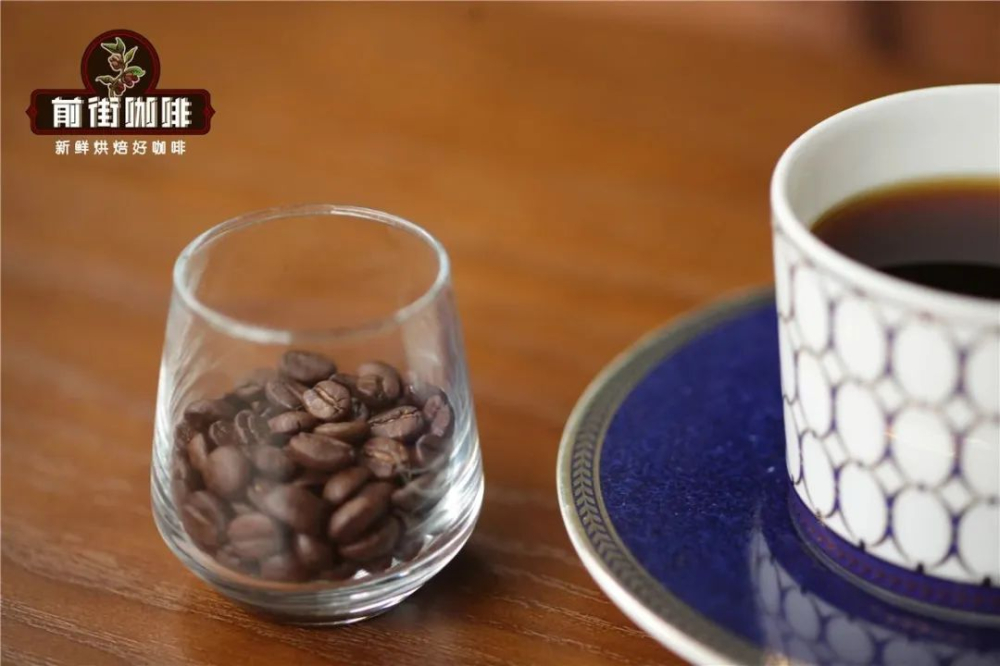
Different Roast Levels and Their Aftertaste
Many coffees today adopt light roasting, which highlights floral notes and rich fruit acidity while reducing mellow, solid bitterness. Coffee brewed this way contains more small-molecule compounds that are strongly hydrophilic and volatile. Combined with rich organic acids, it promotes saliva secretion on entry, which speeds up the loss of flavour. This is also why, when drinking light roast coffee, the aftertaste experience is often not as strong or as persistent as with dark roast coffee.
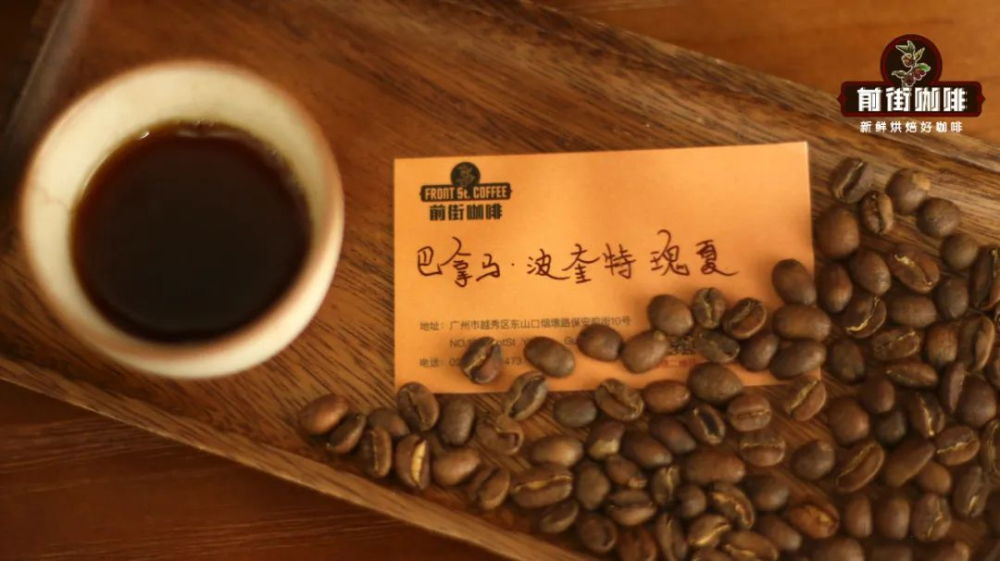
For this reason, rather than the term huigan, baristas prefer to describe the aftertaste of these floral and fruity coffees by combining their lingering aroma with their sweet-sour aftertaste in the mouth. Cupping the washed Boquete Geisha, for instance, FrontStreet Coffee would describe the aftertaste as having Tie Guan Yin tea-like qualities, sugar-orange fruit acidity, and honey-sweet aromas.
The Science Behind Sweet Perception
Finally, FrontStreet Coffee has noticed a phenomenon where some people interpret the sweetness they perceive after drinking coffee and then water as huigan. In fact, this is an oral illusion caused by sensory contrast under the impact of bitterness. Sweetness and bitterness are relative concepts: after you taste sucrose, water seems to have some bitterness, while after bitter coffee, water tastes sweet. This is a contrast effect. In the same way, huigan can be understood as an illusion in the mouth produced under the impact of bitterness.
- END -
FrontStreet Coffee
No. 10, Bao'an Qianjie, Yandun Road, Dongshankou, Yuexiu District, Guangzhou, Guangdong Province
FrontStreet Coffee Recommendation
If huigan is what you are after, a medium-dark Brazilian is a reliable place to find it — the same reasoning behind the Brazil Queen Estate mentioned above. FrontStreet Coffee's Brazil Queen Estate SOE is a Yellow Bourbon with a clean, sweet character, and at a medium-dark roast it pulls into butter cookie, macadamia, and toasted bread creaminess on an espresso machine, with low acidity and a smooth, lingering sweetness that is a good match for the aftertaste discussed here.
For a mellow, full-bodied shot to drink every day, FrontStreet Coffee's Classic Blend is a safe choice. Designed for espresso and moka pot alike, it produces dense, fine crema even on a beginner's home machine, and its traditional Mamba recipe of Mandheling and Brazil keeps the cup rich and approachable for both newcomers and experienced drinkers.
Important Notice :
FrontStreet Coffee is a long-established specialty coffee roaster in Guangzhou China, selling freshly roasted beans from its own farm in Yunnan as well as dozens of carefully selected single-origin beans from around the world for both pour-over and espresso. The products deliver consistently excellent quality and great value, with shipping within 24 hours. Guangzhou's FrontStreet Coffee shop is recommended by many coffee lovers, and the beans are now available online at the Tmall 。
FrontStreet Coffee has moved to a new address:
FrontStreet Coffee Address: 315,Donghua East Road,GuangZhou
Tel:020 38364473
 Scan and follow the En Gafei WeChat official account. Please indicate that the reprint comes from "En Gafei".