
Why Do Serrated Patterns Sometimes Appear in Latte Art? What to Do When Milk Frothing Goes Wrong?
Solving Common Latte Art Problems: "Sawtooth Patterns" and "Unable to Form Shapes"
"I can't form latte art patterns, and sometimes a sawtooth texture shows up." These are two of the most common problems for anyone making latte art coffee.

People who run into this usually blame themselves, but even after making adjustments, the sawtooth patterns keep appearing on schedule. That tells us these drinkers haven't found the root cause and are fixing the wrong things. So FrontStreet Coffee suggests checking the following points against your own setup, and making changes accordingly.
1. The Coffee Beans Are Too Fresh
If you keep producing sawtooth patterns over a long stretch, first check the roast date on the beans. If they were roasted just one or two days ago, the large amount of carbon dioxide inside them hasn't had time to release. When you pull espresso, the pressurized extraction forces the rich carbon dioxide of these fresh beans into the crema, producing a crema thicker than a properly rested espresso would give.
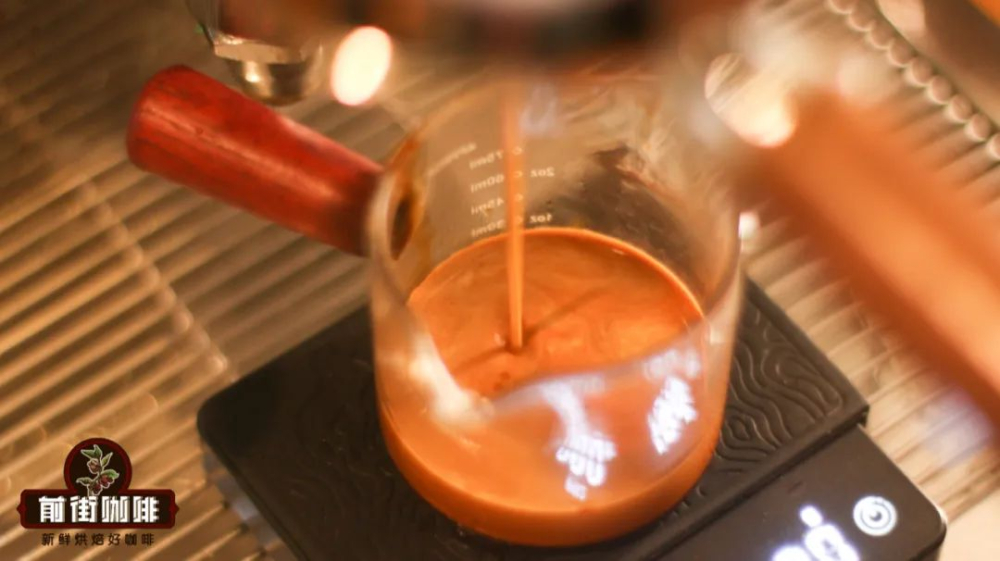
Thick as it is, this is not the smooth, delicate crema we need for latte art, because it is coarse, heavy, and has extremely poor fluidity. The result is that when you make a pattern, the milk foam cannot push through this layer of crema, so you get sawtooth patterns or no heart at all. The fix is simple: let the beans rest for a few days so some of the internal carbon dioxide escapes, and you will have the delicate crema that suits latte art. Better yet, with no carbon dioxide in the way, the flavor is fuller too.
2. The Milk Foam Is Too Thin
This is the second common cause of sawtooth patterns. When milk foam is too thin, its fluidity rises sharply and it becomes hard to form a stable pattern. Flat White is especially prone to this because it calls for thinner foam, and many drinkers can't control the frothing well enough, ending up with foam that is thin but also coarse. Any small lapse in control then shows up as sawtooth patterns in the art.
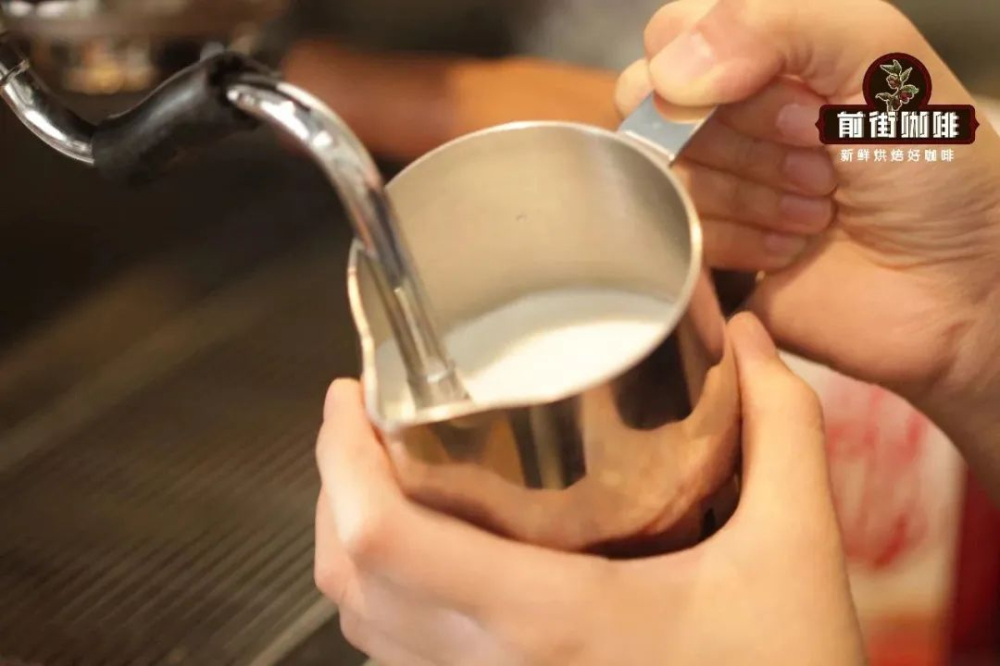
So if the foam is too thin, we can extend the aeration time a bit (the initial "ssss" phase). If it isn't delicate enough, increase the texturing time (the vortex-spinning phase after the "ssss" sound). That reduces the appearance of sawtooth patterns. By the way, beginners don't need to worry too much about making the foam too thick, since excess foam can be scooped off to thin it out, and you'll learn to control it with practice.
3. The Milk Temperature Is Too High
When the frothing temperature runs too high (above 70°C), foam that was delicate can no longer take the heat and turns coarse. This usually comes with a warning sign: the sound of the milk changes from a low "ssss" to a sharp, piercing note. Besides making patterns more prone to sawtooth edges, overheated foam also dissipates quickly, tastes noticeably less sweet, and hurts the overall taste.
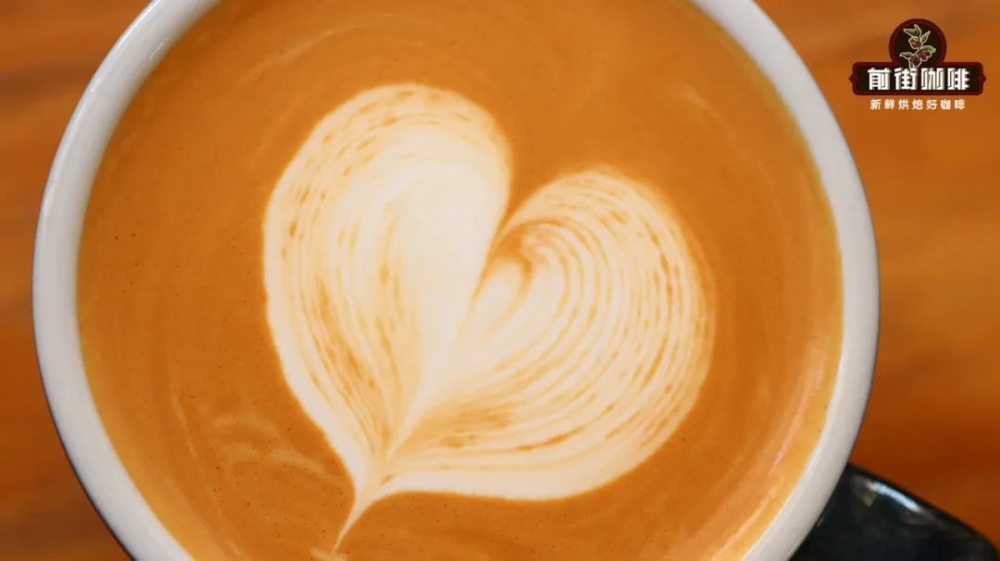
So FrontStreet Coffee suggests keeping the frothing temperature between 55-65°C. This is ideal for activating the lactose in the milk, making the whole cup sweeter, and it also reduces sawtooth patterns. Of course, it's best to chill the milk in the refrigerator before frothing, which lowers its starting temperature, gives you more frothing time, and reduces problems like thin foam, overheating, and poor integration.
- END -

FrontStreet Coffee Recommendation
Latte art lives on good crema and forgiving extraction, and that starts with the beans. FrontStreet Coffee's first pick for beginners is the Classic Blend, a medium-dark espresso recipe drawn from three origins and inspired by the old "Mamba" combination of Mandheling and Brazil, finished with a touch of Robusta. It pulls with clear butter, toast, and caramel-cookie aromas, a strong, solid body, and fine, stable crema, which makes it an ideal at-home practice bean.
For a nuttier profile, the Fine Blend pairs Colombian washed beans with Brazilian pulped naturals for notes of nuts, dark chocolate, and caramel; it performs beautifully in Americanos and in milk drinks like lattes and flat whites, with cream, almond, and cocoa softness and crema every bit the equal of a café. And for anyone planning to open a shop, FrontStreet Coffee's Commercial Blend adds a small amount of Robusta to the Fine Blend, building a deeper, finer, more full-bodied crema that makes latte art almost effortless.
Important Notice :
FrontStreet Coffee is a long-established specialty coffee roaster in Guangzhou China, selling freshly roasted beans from its own farm in Yunnan as well as dozens of carefully selected single-origin beans from around the world for both pour-over and espresso. The products deliver consistently excellent quality and great value, with shipping within 24 hours. Guangzhou's FrontStreet Coffee shop is recommended by many coffee lovers, and the beans are now available online at the Tmall 。
FrontStreet Coffee has moved to a new address:
FrontStreet Coffee Address: 315,Donghua East Road,GuangZhou
Tel:020 38364473
 Scan and follow the En Gafei WeChat official account. Please indicate that the reprint comes from "En Gafei".

