
Can Lattes and Pour-Over Coffee Be Reheated After They Get Cold? Do They Still Taste Good?
It got cold in a hurry. Guangzhou's temperature dropped to 15°C almost overnight, and if you know that damp, penetrating chill, you know it changes your whole coffee routine.

Cold weather brings a whole set of brewing headaches: under-extraction, milk that is hard to steam to the right temperature, and coffee that loses its heat before you can finish the cup. Lately, customers at FrontStreet Coffee's store keep asking the same question: "My coffee's gone cold — can you just reheat it?"

What Happens When Coffee Cools Down
Before we answer that, let's review what actually changes as a cup of coffee cools.
Changes in Taste
Our taste buds read flavor differently at different temperatures. When coffee is still hot, our perception of sourness and bitterness is relatively low, so a hot cup can seem generous in sweetness.
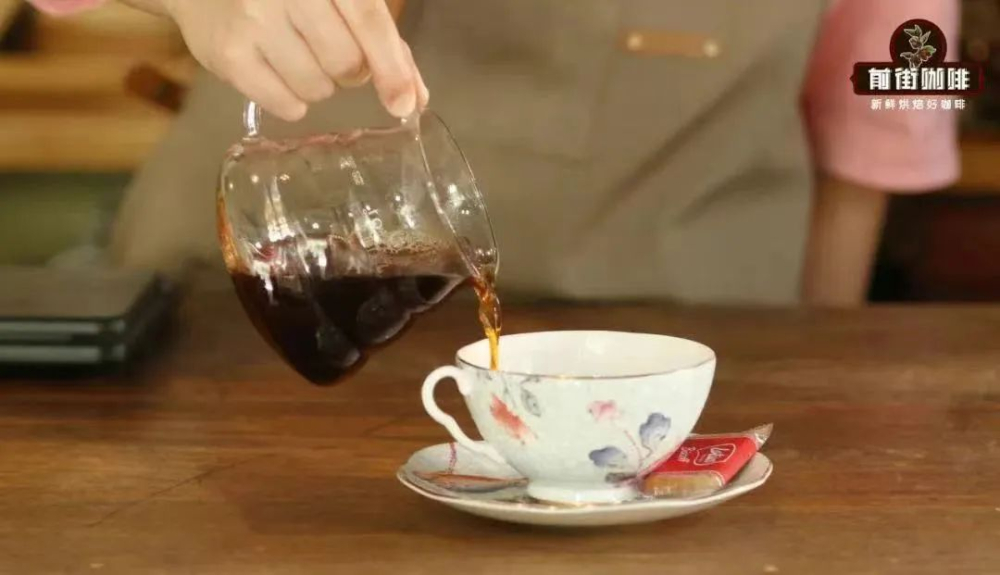
As the temperature falls, our perception of sourness and bitterness returns. With less of one masking the other, sweetness fades. The cup then swings either sour or bitter, depending on whether the beans are light or dark roasted.
Changes in Aroma and Flavor
The flavor of coffee comes from volatile compounds, which gradually evaporate over time. As the temperature drops, the aromatic compounds left in the cup are inevitably fewer than when it was hot, so the tasting experience flattens.
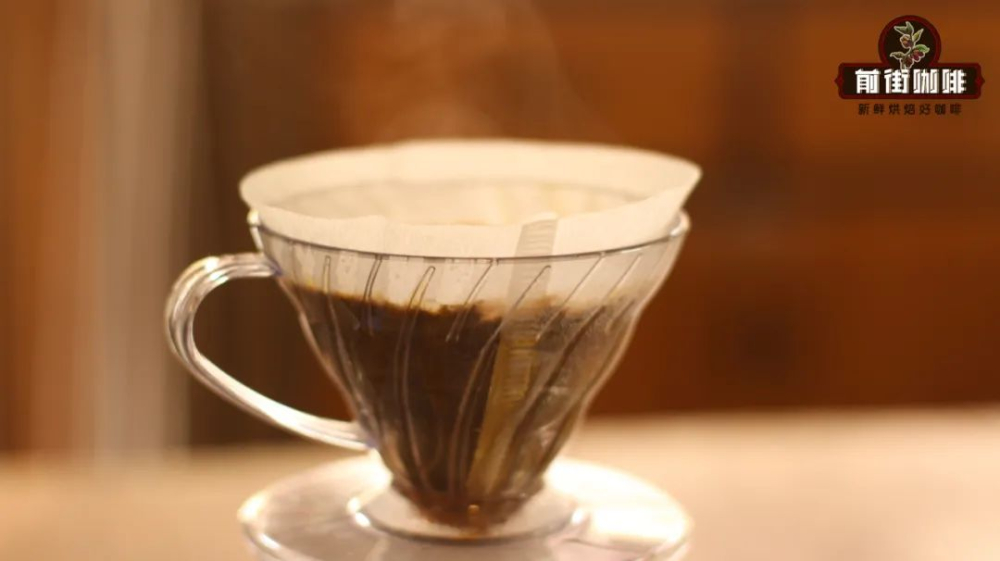
From these two points we can already conclude that reheating cannot restore a coffee's original flavor. But what if you don't care about nuance and simply want the liquid hot again — does a reheated cup beat a cold one? That is what this experiment set out to test.
The Experiment
FrontStreet Coffee brewed a pour-over with light-roast beans and a flat white with medium-dark roast beans (kept low on foam so the changes would be easier to see). We let both cool to room temperature, then reheated half of each back to its original serving temperature, to compare reheated coffee against cold coffee.
Pour-over details:
Beans used: Guatemala New Oriental Geisha
Amount used: 15g
Water ratio: 1:15 (225ml)
Brewing temperature: 92°C
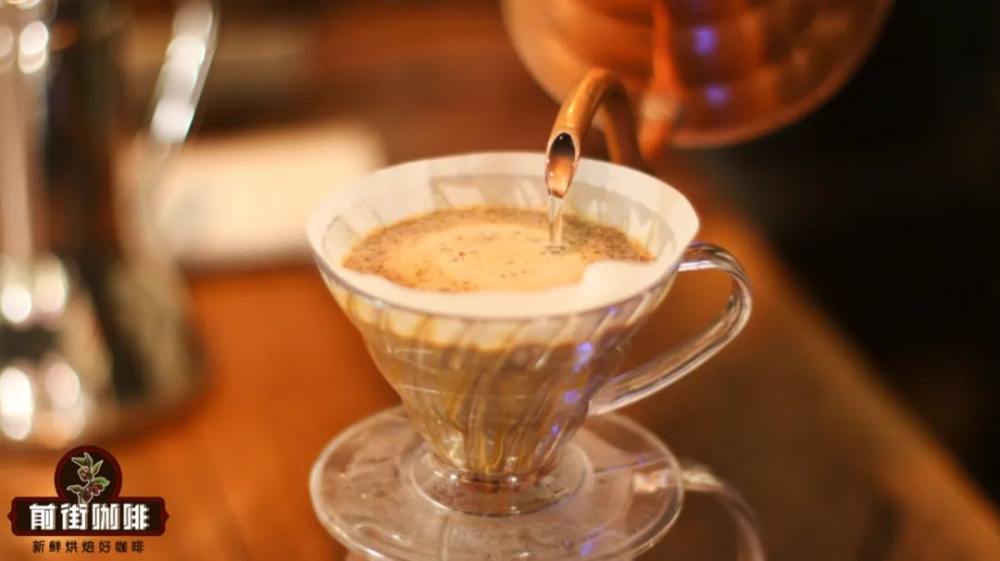
Brewing method: Three-stage pour
Filter: V60
The New Oriental Geisha we used features sweet orange, white orchid, and honey flavor notes.
The espresso beans were our old friend Warm Sun Blend, with butter cookies, vanilla, cream, and whiskey as its flavor characteristics.
Right after brewing, the pour-over was at 67°C and the flat white at 55°C. We tasted each, then waited for them to cool.
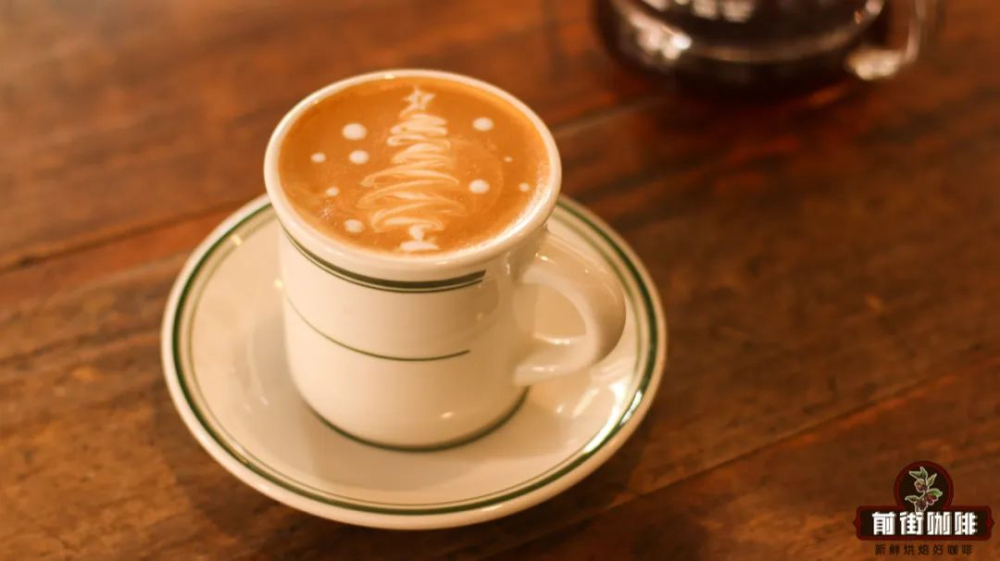
After more than an hour, both had finally reached room temperature.
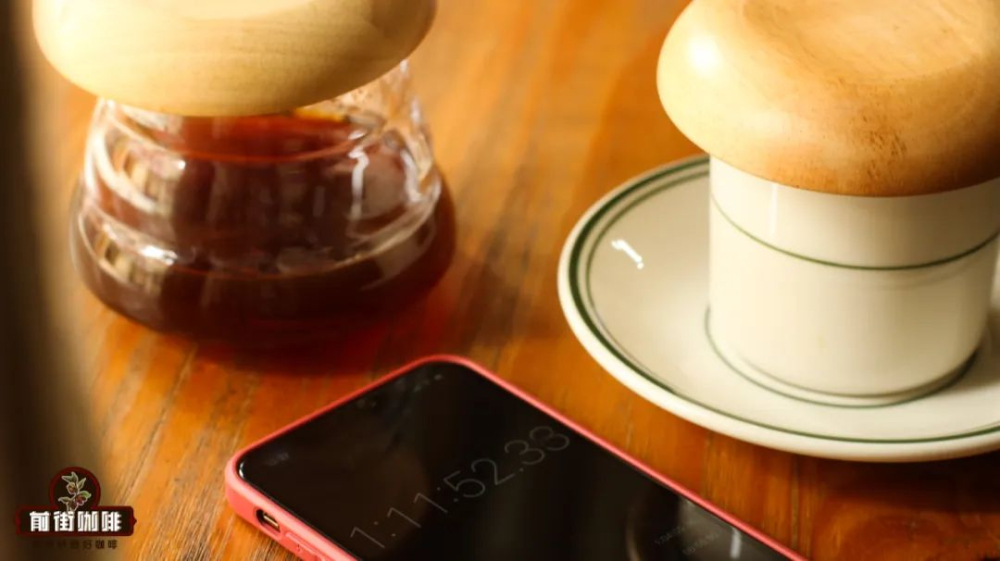
Now the reheating could begin. We poured half the flat white into a milk pitcher and half the pour-over into the bottom chamber of a siphon brewer, then alternated the heat source until each was back at its original serving temperature.
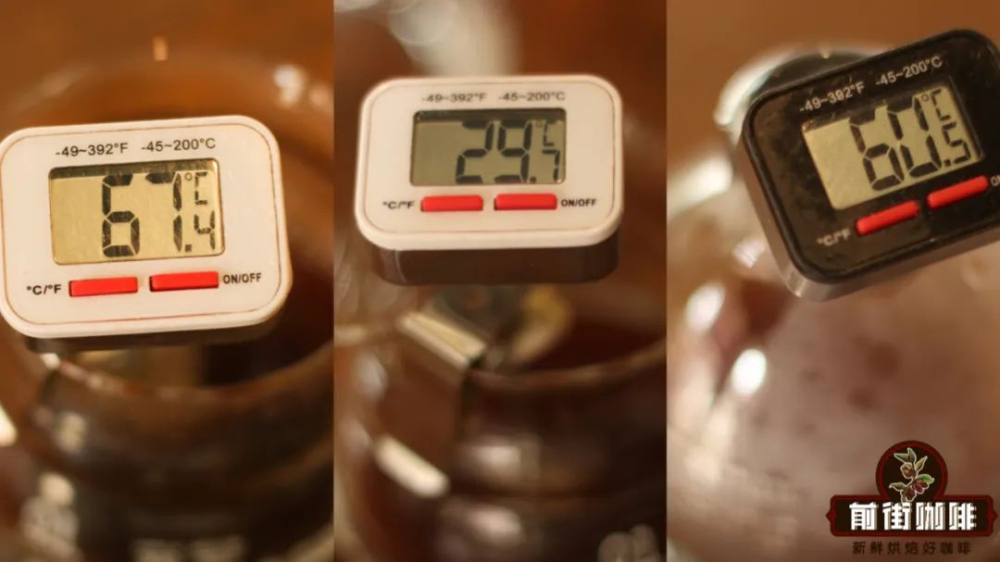
(The pour-over, left to right: freshly made, after cooling, and during reheating.)
Tasting the Pour-Over

Freshly made (67°C): pronounced orange sweetness, white orchid aroma, and a rich mouthfeel, with relatively gentle acidity.
Cooled to 29°C room temperature: the aroma was almost gone, and the cup turned into "a rather sour tea," distinctly tea-like, with prominent, sharp acidity.
Reheated to 60°C: as expected, the sharp acidity softened and the cup felt less harsh overall. Not as delicious as when first made, but more pleasant to drink than the cooled version.
Tasting the Flat White
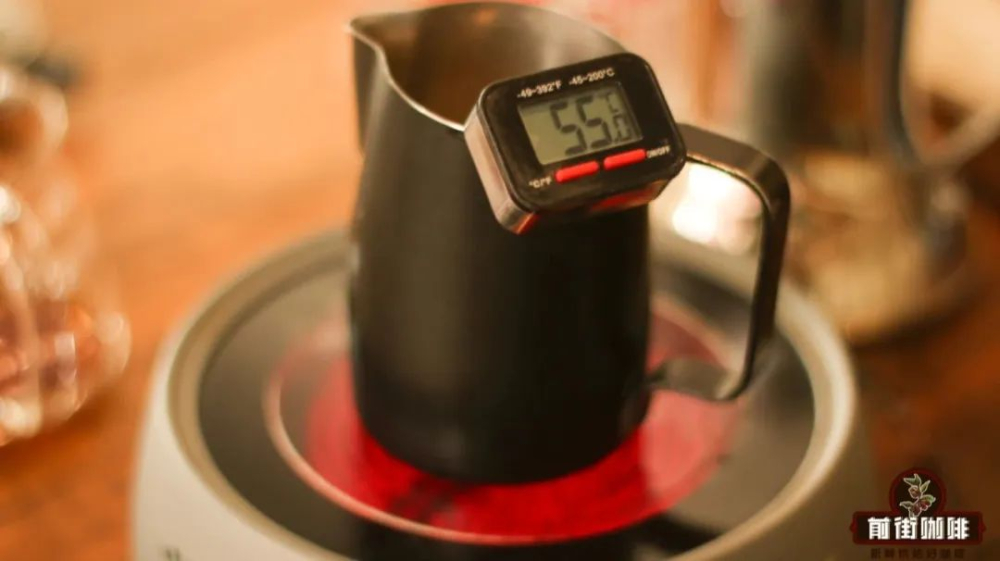
Freshly made (55°C): rich and smooth in texture, with chocolate, whiskey, and butter cookie flavors very prominent. The milk and coffee were well balanced, with high sweetness.
Cooled to 29°C room temperature: because the blend includes a Red Cherry component with berry notes, the flat white now showed a little acidity, though chocolate still dominated. Compared with the fresh cup, the only real difference was that hint of acidity.
Reheated to 55°C: the hint of acidity disappeared again. Thanks to the milk, the cup was only somewhat lacking in flavor next to the fresh version, without any significant change.
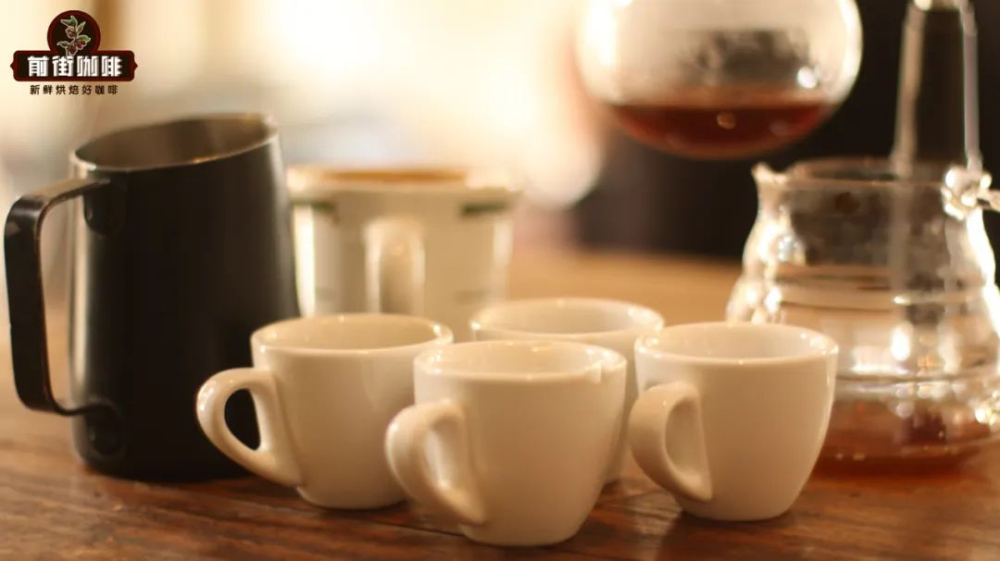
These results show that reheating does offset some of the negative experience of a cooled cup. But that only holds when the beans have no obvious defects. If your beans develop noticeable off-flavors as they cool — bitterness, hay-like notes, and so on — reheating will not make those sensations go away.
The reason lies in an excessive release of chlorogenic acid. Chlorogenic acid dissolves easily in water, but the chlorogenic acid lactone it breaks down into does not. Raising the temperature again cannot solve that. So while reheating can genuinely restore part of the experience, whether it works depends on the beans.

FrontStreet Coffee Recommendation
If this experiment has you wanting to brew fresher, better coffee at home, the V60 is the most forgiving place to start. Hario, the Japanese glassmaker founded in Tokyo in 1921, redesigned the V60 in 2004 and released it the following year; its 60° cone and single large opening leave the flow almost entirely up to the brewer, which is exactly why it rewards good beans.
Because the V60 favors clarity and lift, it shines with light-roasted, floral and fruity single origins. FrontStreet Coffee's own pour-over lineup is a useful map: FrontStreet Yirgacheffe Gedingding for citrus, berry, and jasmine with a green-tea sweetness; FrontStreet Ethiopia Huakui for its tropical strawberry and passion fruit; and FrontStreet Panama Esmeralda Red Label Geisha for jasmine, citrus, bergamot, and black tea. FrontStreet Kenya Cherry Tomato brings a bright, juicy tomato-and-plum acidity, while FrontStreet Strawberry Candy and FrontStreet Mozart lean into candy-like, raisin-sweet fruit.
If you prefer a fuller cup, the V60 also handles darker roasts well — FrontStreet Blue Mountain No. 1 and FrontStreet PWN Golden Mandheling both show a mellow, syrupy side from the same brewer. Match the bean to the mood, not the other way around.
Important Notice :
FrontStreet Coffee is a long-established specialty coffee roaster in Guangzhou China, selling freshly roasted beans from its own farm in Yunnan as well as dozens of carefully selected single-origin beans from around the world for both pour-over and espresso. The products deliver consistently excellent quality and great value, with shipping within 24 hours. Guangzhou's FrontStreet Coffee shop is recommended by many coffee lovers, and the beans are now available online at the Tmall 。
FrontStreet Coffee has moved to a new address:
FrontStreet Coffee Address: 315,Donghua East Road,GuangZhou
Tel:020 38364473
 Scan and follow the En Gafei WeChat official account. Please indicate that the reprint comes from "En Gafei".

