
Why Is It Rare to Find Harrar Coffee Beans Nowadays?
Harar is one of Ethiopia's three major coffee-producing regions, so why do its beans show up on coffee shop menus far less often than beans from the other two, Sidamo and Yirgacheffe? They can even be hard to find in online marketplaces. This is the question many friends raise once they learn about Harar's status as a coffee region.
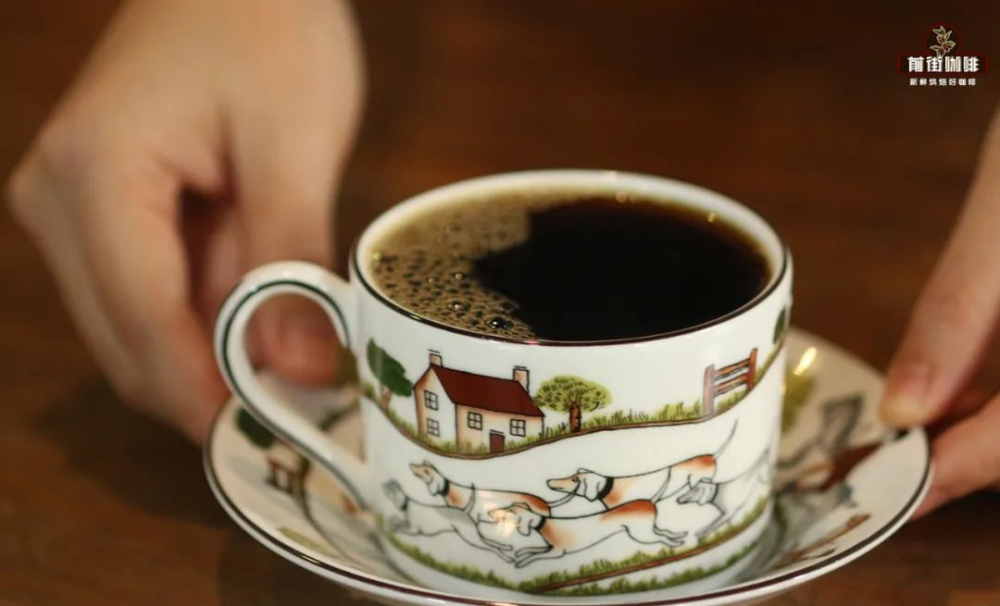
Why Harar Counts as One of the Three Major Coffee Regions
First, let's turn to Yemen, the very place that spread coffee to the world. It has a port city across from Harar: Mocha Port. For several hundred years beginning in the 15th century, poor transport meant that all coffee beans had to be concentrated at Mocha Port, from which they crossed the Red Sea and were exported around the world. In effect, Mocha Port was the hub of the coffee world at the time.
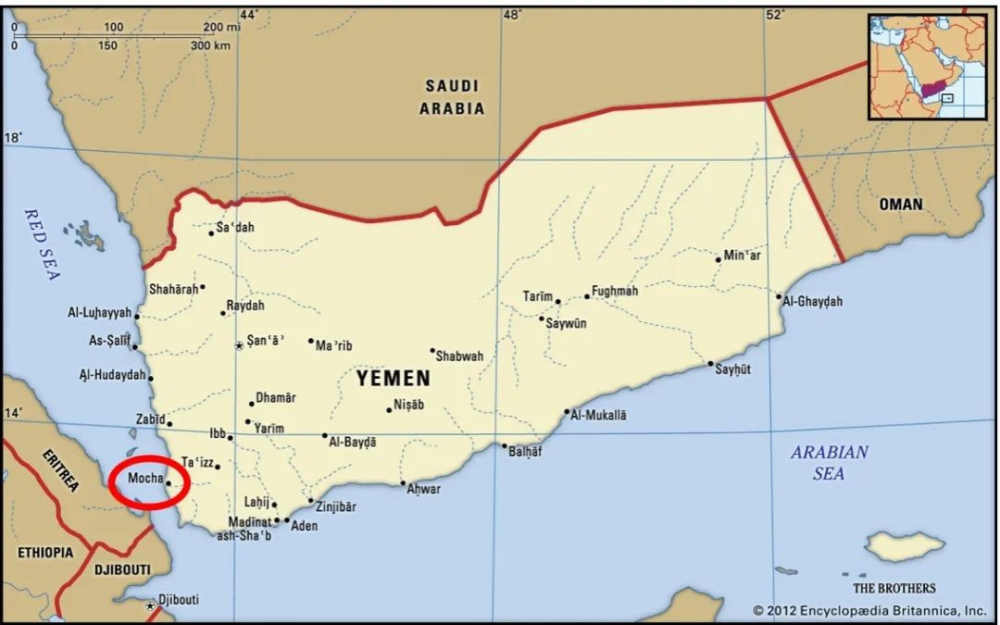
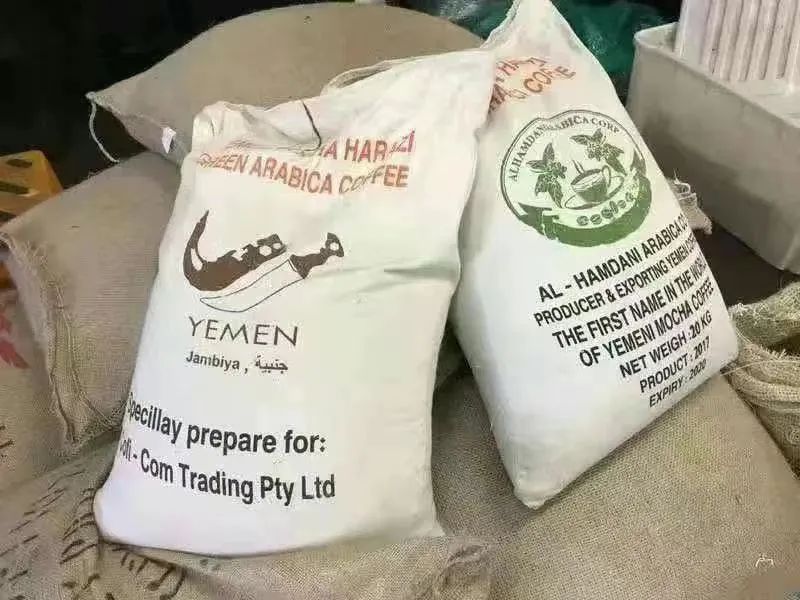
The first batch of beans shipped from Mocha Port won deep affection among Europeans for its rich chocolate flavor. Because exported beans needed to prove they came from Mocha, the jute bags were specially printed with the word "Mocha" as proof. Over time, people began calling coffee beans marked "Mocha" simply "Mocha coffee."
Yemen then began cultivating coffee itself. It planted coffee on terraced land with low rainfall and less-than-ideal environmental conditions, extremely harsh for Arabica to survive. But that was the reality of Yemen's environment. It adopted relatively crude natural processing, casually spreading beans out anywhere to dry.
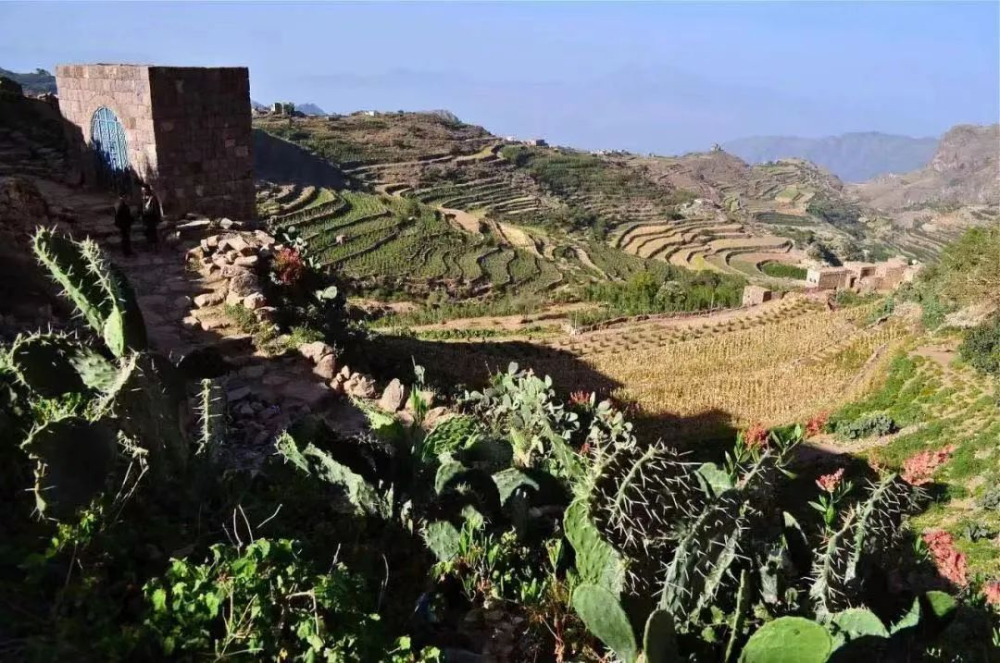
It was precisely this unique geography and crude processing that gave birth to the world-renowned "Mocha coffee." Extended natural processing and fermentation created its slight fruity aroma and wine-like fermented flavors, and with deep roasting the beans developed rich chocolate flavors. It can truly be said to be full of wild character. People then discovered that coffee grown in Harar across the way had flavor characteristics similar to Yemen's coffee.
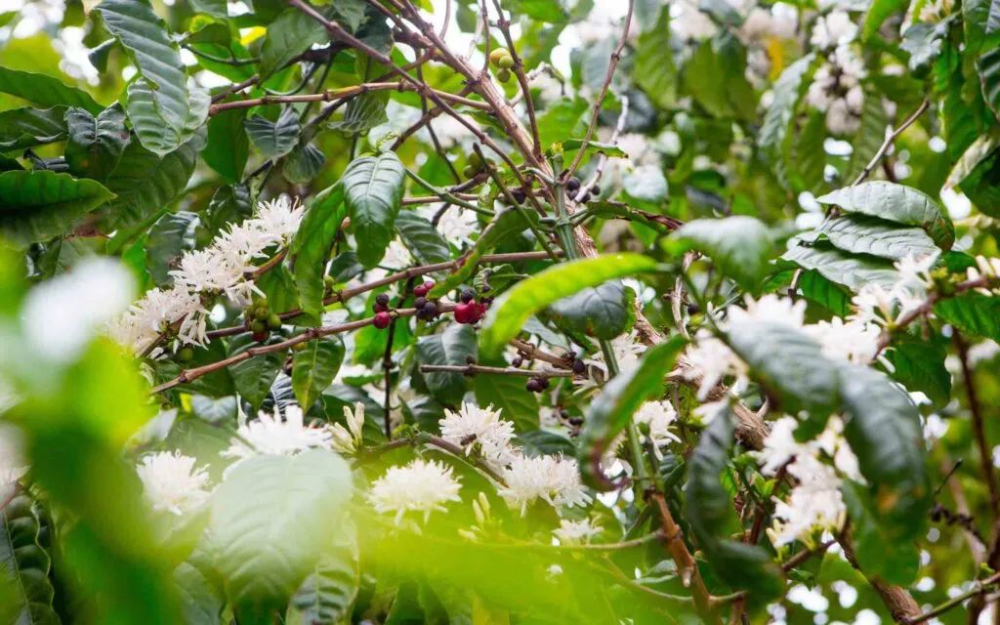
Beans from Harar carry both rich chocolate flavors and the sweetness of blueberries with wine-like fermentation, so they too possess that wild character. The reason is that the growing conditions, climate and processing methods in the two places are nearly identical. So Harar beans were given the title "Ethiopian Mocha." The first chocolate flavor people outside Africa experienced came from Yemeni coffee shipped through Mocha, yet Yemen's coffee varieties, cultivation techniques and processing methods all originated from Harar across the way. That let Harar beans, with their extreme similarity, quickly gain fame and see sales surge. There were even rumors that the first batch of beans shipped from Mocha were in fact Harar beans, and people would package Harar beans as Mocha and sell them at high prices. Having achieved both fame and fortune, Harar thus became one of Ethiopia's three major coffee regions.

The Unique Character of Harar Coffee
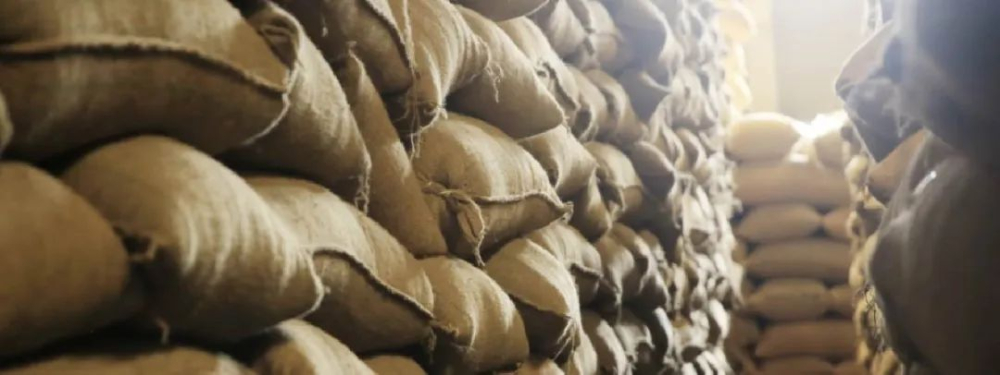
Harar's jute bags are quite distinctive too, because they are printed with a horse pattern as proof of origin. In an era when transport was underdeveloped, most goods could only be moved by horse-drawn carriage, so high-quality purebred horses were what Ethiopians of the time considered "the best." Printing an excellent horse on the jute bags symbolized that Harar coffee was a premium product of comparable quality.
Why Harar Coffee Is Rare Today
Originally, all of Harar's producing areas were located in the Hararghe province of Ethiopia's eastern highlands, which was a considerably large province at the time, even larger than Sidamo, not to mention in production volume. After Ethiopia's administrative divisions were revised, however, most producing areas were incorporated into the Oromia region, while Hararghe province was abolished and replaced by the Harari region centered on Harar city. The reduction in producing areas cut production in half. But that alone is not enough reason for its rarity.
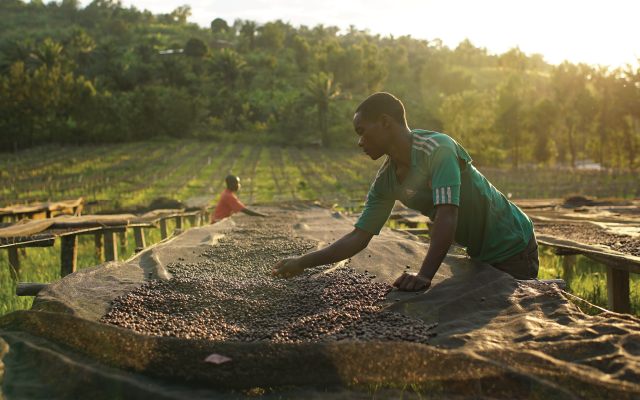
The real reason it is rarely seen is that its quality does not justify its relatively high price. Traders in the Harar region are powerful and believe their natural processing method is the finest approach, so they refuse to involve other, more novel methods. Harar's natural processing, however, often causes most beans to develop mold and deteriorate during processing, which lowers quality. After all that trouble, Harar produces only a small quantity of high-quality beans, and those are quickly pre-ordered by specialists. The remaining beans either have low cleanliness or poor quality. On top of that, inconvenient transport means the remaining beans suffer a dramatic decline in quality after long transport and complex export procedures.
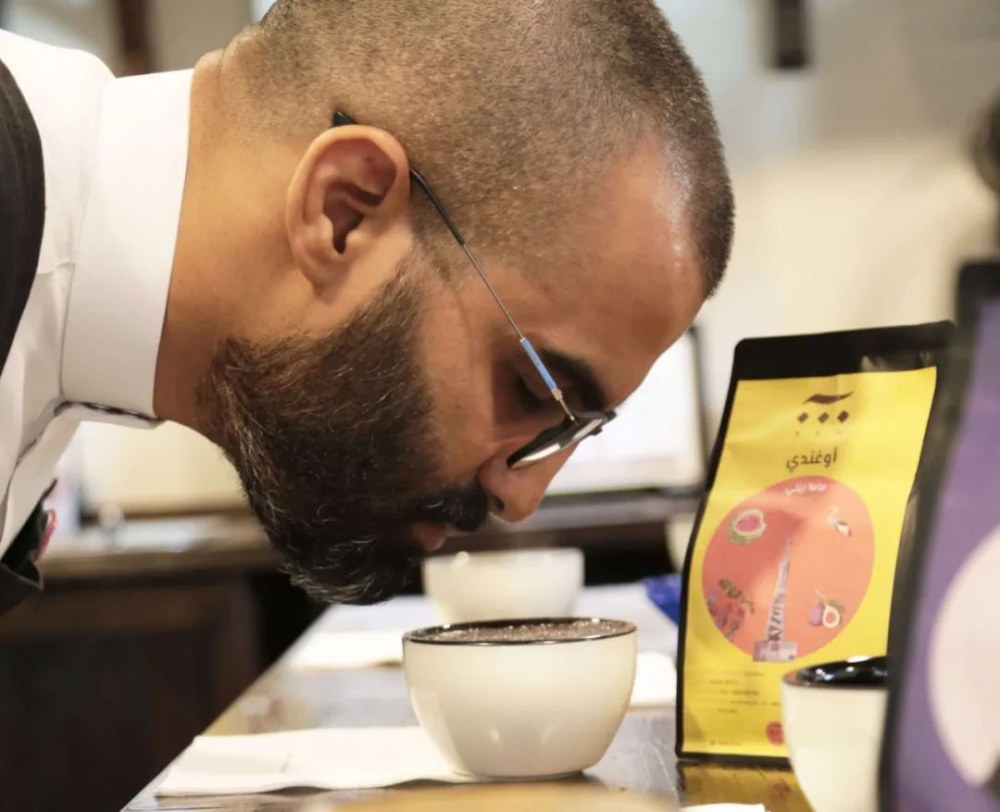
The result is a complete discrepancy between the beans cupped at exhibitions and those buyers actually receive, which makes many green-bean traders hesitate. People turned to beans from other Ethiopian regions with diverse processing methods and outstanding flavors. Today, although high-quality Harar can still be found in a small number of coffee shops, the quantity is truly inconsistent with its reputation as one of the three major coffee regions.
- END -

FrontStreet Coffee Recommendation
Harar's scarcity comes down to processing and transport, but the profile it helped make famous, fruit-forward, wine-like and chocolatey, lives on in Ethiopian beans that are easier to source today. The most classic starting point is the FrontStreet washed Yirgacheffe daily bean, known for white jasmine, bright citrus and lemon acidity and a tea-like body, and priced so it can be an everyday cup.
If you like the fruitier, sweeter end of that spectrum, the FrontStreet sun-dried Red Cherry is made from fully ripe, sound cherries only and dried in the whole fruit on raised beds for three to five weeks, turned every two to three hours during the first few days to prevent uneven fermentation. It keeps the classic Yirgacheffe character while adding tropical lift, with citrus-like acidity, a juicy berry body, honeyed sweetness and a creamy smoothness. And for the cleanest, most floral expression, the FrontStreet washed Gutingding Cooperative, graded Ethiopia's top G1, brings bright citrus and lemon acidity with jasmine fragrance.
Important Notice :
FrontStreet Coffee is a long-established specialty coffee roaster in Guangzhou China, selling freshly roasted beans from its own farm in Yunnan as well as dozens of carefully selected single-origin beans from around the world for both pour-over and espresso. The products deliver consistently excellent quality and great value, with shipping within 24 hours. Guangzhou's FrontStreet Coffee shop is recommended by many coffee lovers, and the beans are now available online at the Tmall 。
FrontStreet Coffee has moved to a new address:
FrontStreet Coffee Address: 315,Donghua East Road,GuangZhou
Tel:020 38364473
 Scan and follow the En Gafei WeChat official account. Please indicate that the reprint comes from "En Gafei".

