How to Brew Rich, Multi-layered Coffee
Body, aftertaste, and balance are coffee terms we all understand easily, but "complexity" gets far less airtime. So what exactly is it?

When something earns the label "complex," it stands apart from simpler things of its kind. Coffee is no different — when a cup unfolds as several distinct sensations in the mouth, each sip delivers more pleasure. That is complexity. If that sounds abstract, let's break it down piece by piece.
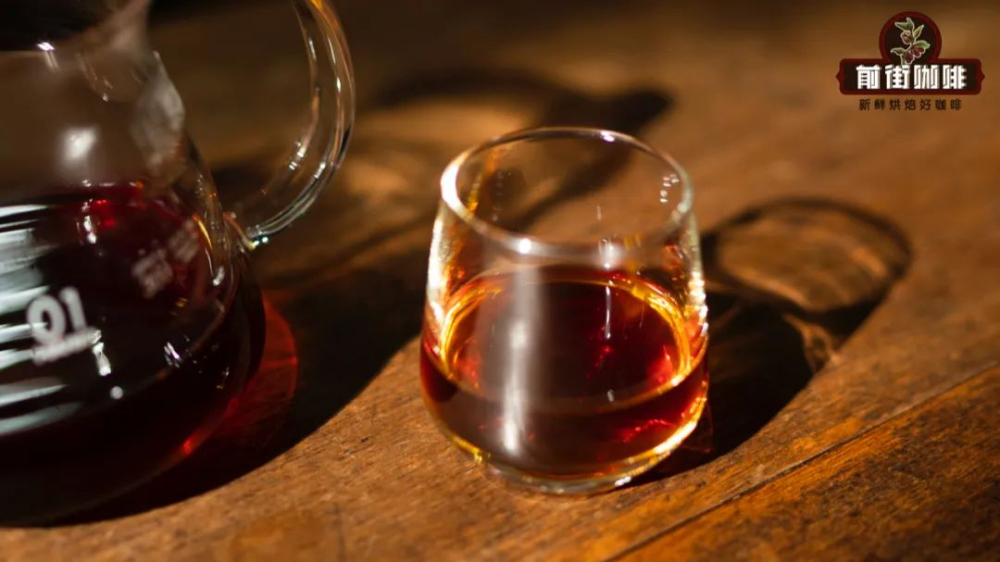
Start with the basic tastes: sour, sweet, bitter, salty. If a pour-over tastes of exactly one thing — just sour, or just sweet — from first sip to swallow, it won't offend, but it won't impress either; it's simply dull. But if the coffee opens with lively acidity, develops sweetness as it sits on the palate, and then finishes with an aftertaste even sweeter than the last — that's flavor layering at work.

The second piece is clarity: how easily each flavor can be picked out. Take three familiar fruits — orange, apple, watermelon. Juice them separately, cover the cups, and taste blind: you'd identify each instantly. Blend all three together and the individual flavors blur into a muddy mess. Coffee works the same way. A complex cup isn't one where many flavors pile up at once — it's one where each flavor shows itself at a different moment. Anything else just reads as muddle.
How to Brew a Coffee with Rich Complexity?
1. Start with Coffee Bean Selection
First, choose beans grown at higher altitudes. The higher the altitude, the slower the cherries mature, the more nutrients they accumulate, and the denser their flavor compounds — which is exactly why most Central American countries grade their beans by elevation.

Next, processing. Natural, honey, and anaerobic processes carry a complexity advantage over washed — an advantage, not a guarantee, since a great washed coffee can outperform a sloppy natural. The reason for the edge is fermentation: more fermentation time means more opportunities for flavor compounds to develop. So when complexity is the goal, beans with higher degrees of fermentation are the better bet.
2. Retention of Fine Powder
Grinding inevitably produces some fines — particles smaller than 0.3mm. Keeping a modest amount of them can actually help, because fines are a double-edged sword: too many will clog the filter paper, push the brew into over-extraction, and drag bitter, negative flavors along with them.
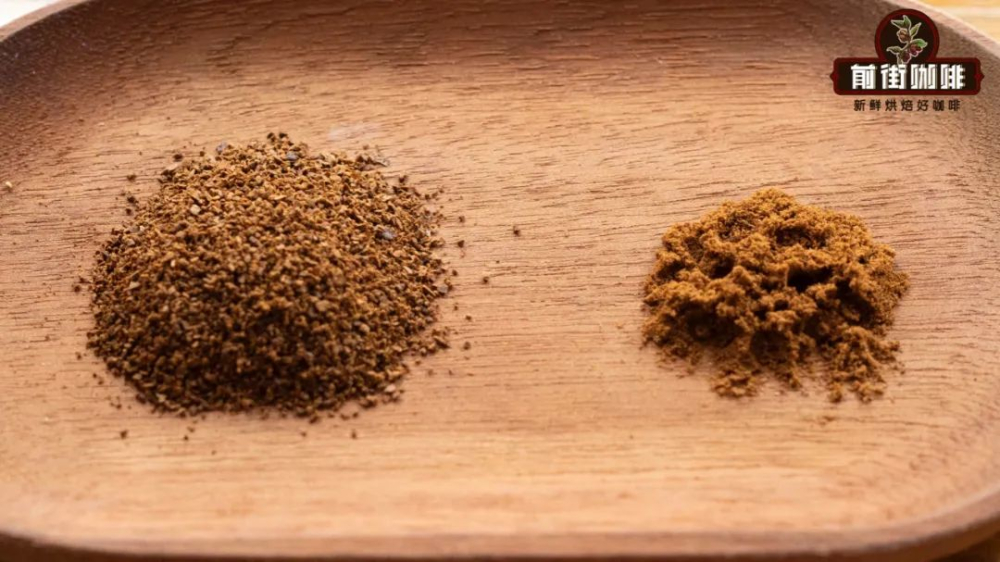
The right amount, though, adds flavors the rest of the bed can't. It works through uneven extraction: particles of different sizes extract at different rates, and fines — extracting faster than the larger grounds — contribute flavors that arrive on a different schedule. As for what "the right amount" means, FrontStreet Coffee ran a dedicated experiment and found that fines making up 5% of the total is the sweet spot: no clogging, no over-extraction, and noticeably more flavor layers.
3. Increase the Coffee-to-Water Ratio
When concentration climbs too high, flavors smear into each other and the cup turns muddled. The fix is simple: open up the ratio. If you're brewing at 1:14 and the flavors blur, move to 1:15; still blurred? Go to 1:16. That's all there is to it.
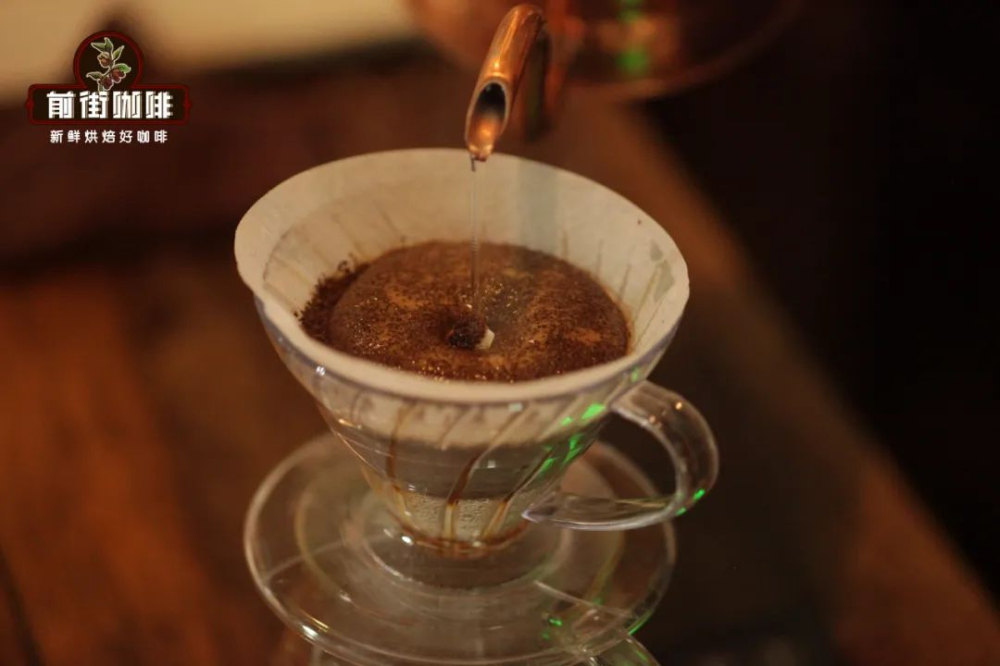
4. Poured in Stages
Because flavor compounds dissolve out of the grounds at different points in the brew, staged pouring lets you decide which stages you capture — and that's your lever for shaping complexity. At this point someone always asks: why not a single pour?
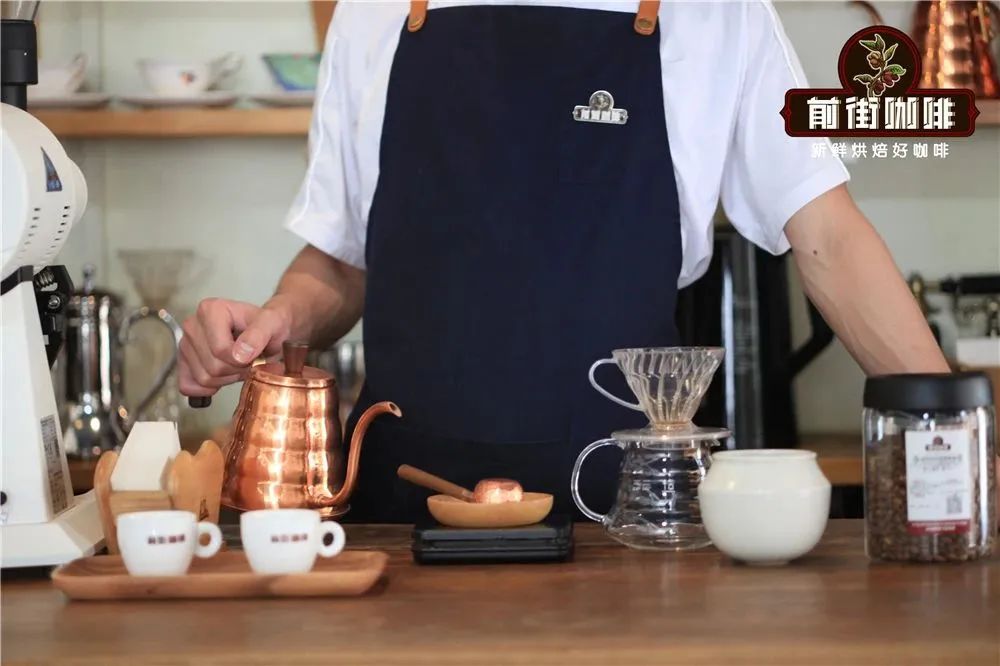
A single pour runs a shorter total extraction time than a staged brew, because the agitation of each pour speeds up the drawdown — so it mainly captures the sour and sweet compounds released early. Staged pouring catches something from the early, middle, and late stages alike, which is precisely why it ends up more complex. Adjust the details to your own setup, and brewing a cup with distinct, layered flavors stops being a gamble.
- END -
FrontStreet Coffee Recommendation
If complexity is what you're chasing, start with beans whose processing does half the work for you. The FrontStreet Ethiopia Huakui is a natural-processed showpiece — strawberry, passion fruit, jackfruit, and lychee unfolding one after another through the cup — while the anaerobic-leaning, fruit-forward Strawberry Candy Geisha Blend stacks orange-blossom honey sweetness over a rounded, juicy body.
For a washed coffee that still delivers real layering, the Kenya Cherry Tomato (from Thika, 1550–1750m, SL28 and SL34, 72-hour double-washed) moves from cherry tomato and dark plum through snow pear and black plum to a yellow-sugar finish. Brew any of them on your V60 with staged pours and you'll taste exactly what complexity means.

Important Notice :
FrontStreet Coffee is a long-established specialty coffee roaster in Guangzhou China, selling freshly roasted beans from its own farm in Yunnan as well as dozens of carefully selected single-origin beans from around the world for both pour-over and espresso. The products deliver consistently excellent quality and great value, with shipping within 24 hours. Guangzhou's FrontStreet Coffee shop is recommended by many coffee lovers, and the beans are now available online at the Tmall 。
FrontStreet Coffee has moved to a new address:
FrontStreet Coffee Address: 315,Donghua East Road,GuangZhou
Tel:020 38364473
 Scan and follow the En Gafei WeChat official account. Please indicate that the reprint comes from "En Gafei".