
Why Should You Discard the First 3 Brews from a New Moka Pot?
Introduction to Moka Pots
As one of the common espresso extraction devices, the Moka pot is deeply loved by many coffee enthusiasts for its affordable price, lightweight and attractive design, and portable operation.
Why Pre-Use a New Moka Pot?
When novice friends look up Moka pot tutorials, they might notice a suggestion: newly purchased Moka pots should be tested by brewing 2-3 times before formal use, and the brewed coffee liquid should be discarded rather than consumed. Why is this necessary?
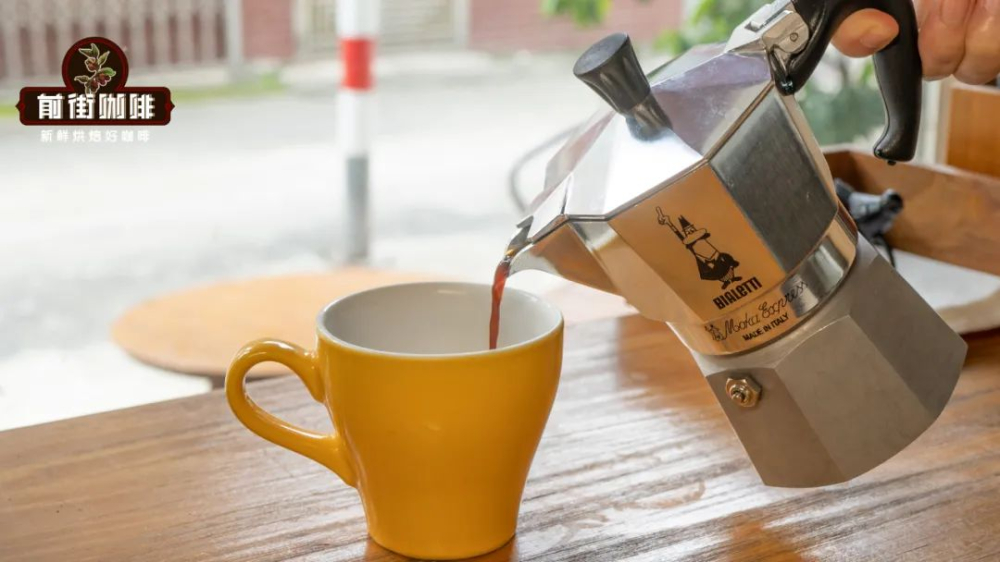
Understanding Moka Pot Structure
First, there are many common Moka pot styles on the market, typically composed of a metal shell and other small components, divided into three parts: upper chamber, filter basket, and lower chamber, connected by a central tube. The metal parts are usually made of aluminum alloy or stainless steel.
Initial Preparation Process
During production and transportation, the interior of the Moka pot may have small amounts of metal residue attached, and it inevitably carries a metallic taste. Therefore, cleaning the Moka pot before formal extraction is essential. This step is also commonly referred to as "seasoning the pot."
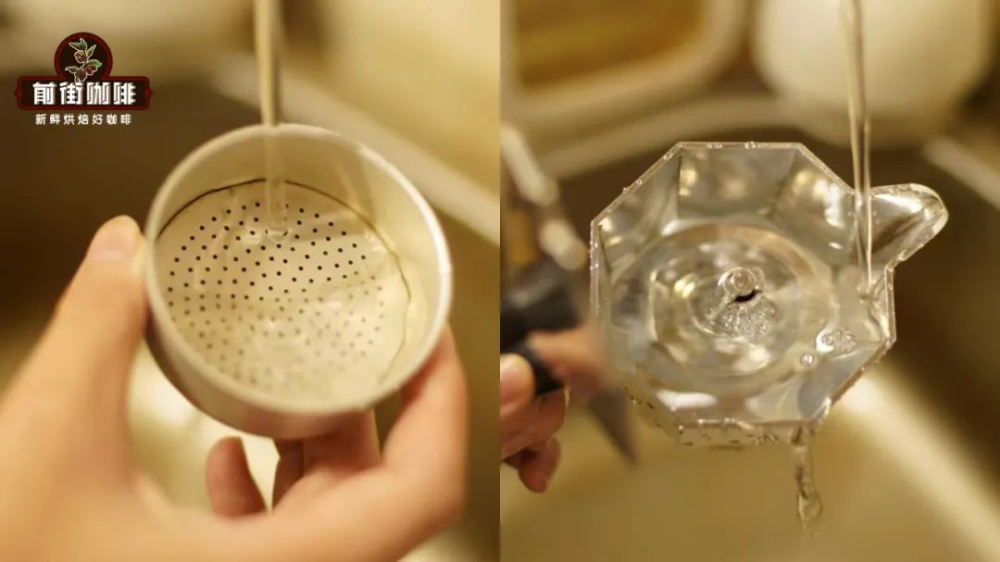
When you get a new Moka pot, you can first disassemble each component, rinse it briefly with running water to remove debris and dust attached to it. Then use a dry towel or paper towel to wipe away water droplets and let it air dry.
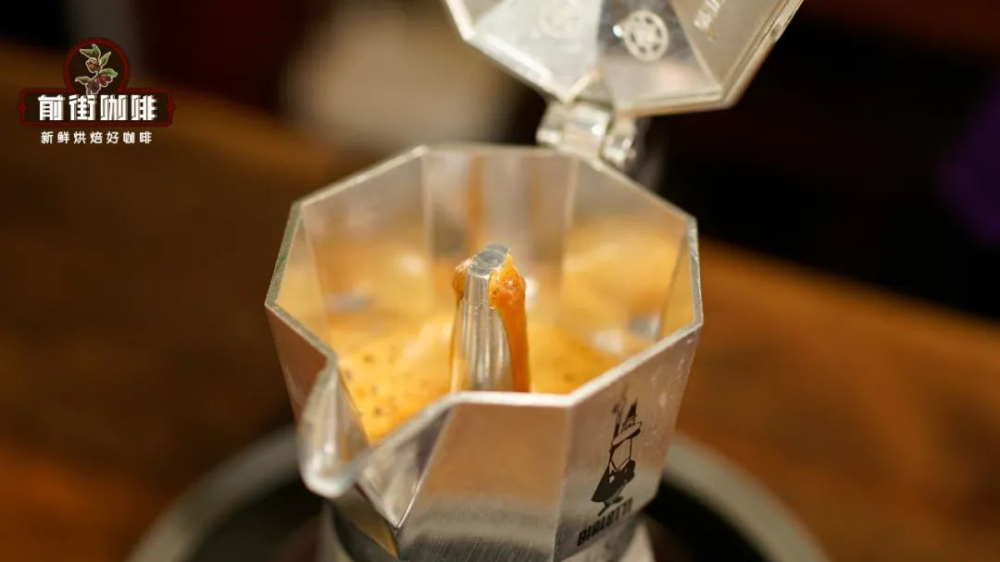
Next, follow the normal steps to brew a pot of coffee: add water - fill with coffee grounds - tighten - heat - extract liquid - discard - clean. Repeat this process 2-3 times to complete the "unboxing ritual" for your new pot. The hot extracted coffee liquid flows through the tube and filter into the upper chamber, which effectively removes any residual micro-metals from production and, to some extent, eliminates the unpleasant aluminum taste.
FrontStreet Coffee's Recommendations
For the seasoning process of a new Moka pot, FrontStreet Coffee does not recommend testing with plain water directly. Without coffee grounds as a "barrier," hot water can easily splash under pressure, posing a scalding risk. Since the first three test brews are meant to clean the internal gaps of the Moka pot and may contain debris, FrontStreet Coffee recommends discarding them rather than drinking. If you feel this is wasteful, you can use aged dark roast coffee beans (or grounds) for the seasoning process. Once the safe cleaning purpose is achieved, you can then use your preferred fresh beans for extraction.
Important Usage Details
In fact, besides proper seasoning, the following details also require attention when using a Moka pot.
The extraction method of a Moka pot is similar to that of an espresso machine. When heated at high temperatures, the water in the lower chamber is heated first and converted to steam, forming a certain pressure that pushes upward from the bottom. As the hot water reacts with the coffee grounds and continues upward, the increasing pressure keeps pushing the extracted coffee liquid into the upper chamber, resulting in the espresso we want. Therefore, when any part becomes blocked or the coffee extracts too fast or too forcefully, splashing can result.
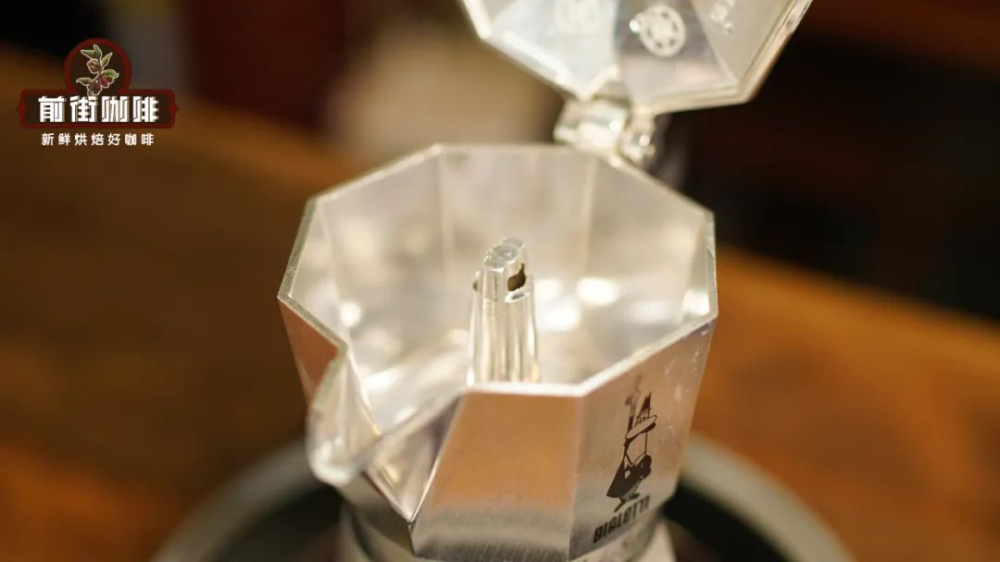
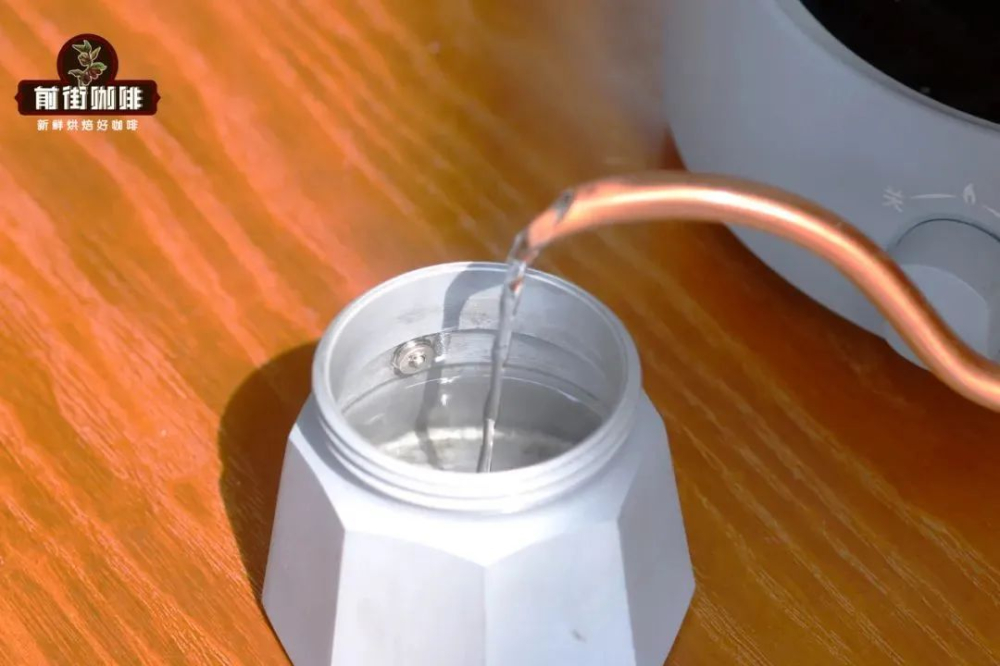
The amount of water added to the lower chamber should not exceed the standard fill line - keep it 0.5cm below the pressure relief valve. This valve is designed to prevent explosion accidents caused by excessive pressure from certain factors (such as coffee grounds being too fine). If water covers this valve, it may lose its pressure-relief effect, posing a risk of explosion.
If the grind is too coarse, it can lead to insufficient extraction, too little resistance, and splashing. If too fine, it can cause over-extraction, resulting in burnt, bitter coffee that is difficult to drink. The filter basket needs to be filled and leveled (up to the point of forming a small mound). If there is not enough coffee, when water from the lower chamber pushes into the coffee layer under steam pressure it cannot extract fully, which will cause "dual streams" splashing in the upper chamber - and you can imagine the taste will be unsatisfactory.
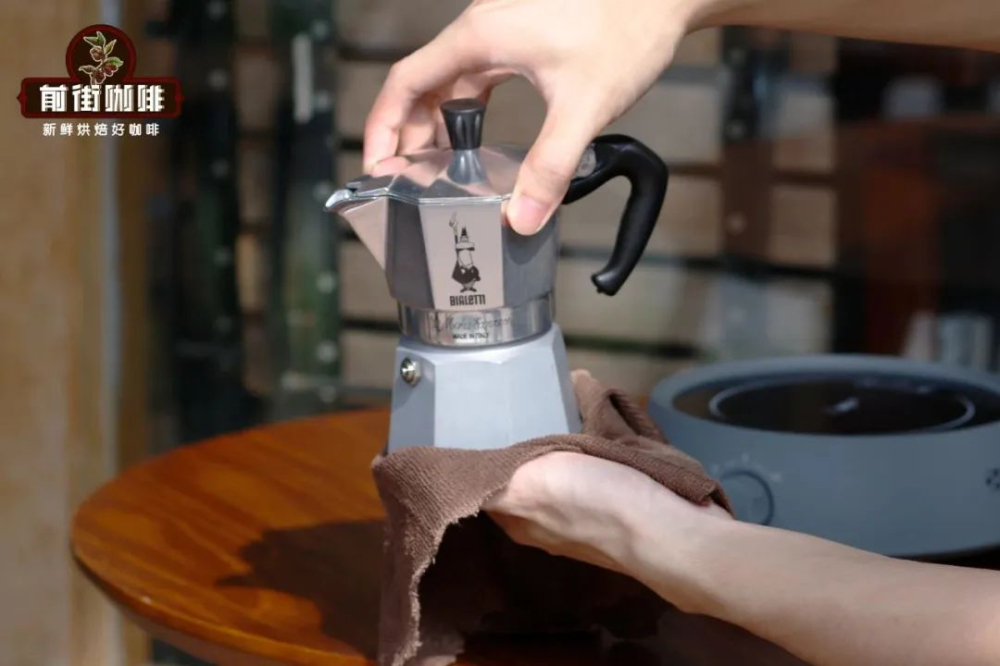
Since most Moka pots use a metal shell with high thermal conductivity, try not to touch the pot body after heating, and take proper insulation measures, such as using a wet towel, to avoid scalding. If you hear a whistling sound but no coffee comes out of the upper chamber, the outlet is likely blocked. Remove it from the heat source immediately to avoid safety hazards caused by excessive internal pressure leading to explosion.
FrontStreet Coffee always cleans the Moka pot promptly after each use and turns it upside down to air dry, which helps prevent oxidation. If old coffee stains remain on the filter plate, gasket, or extraction channels, they may cause blockages, affect normal extraction, and ultimately lead to flavor contamination and bitterness.
- END -
FrontStreet Coffee
No. 10, Bao'an Qianjie, Yandun Road, Dongshankou, Yuexiu District, Guangzhou, Guangdong Province

FrontStreet Coffee Recommendation
Generally speaking, you can go straight to a blend for your Moka pot. FrontStreet's classic blend was designed specifically for espresso and Moka pot brewing, and its biggest strength is outstanding crema - even a beginner with a non-professional home machine can easily extract dense, silky crema. The lattes, cappuccinos, and Dirty drinks we love all depend on good crema, and this blend hits that need perfectly. It uses the traditional Mamba formula - Mandheling and Brazil - for a mellow, gentle palate that both coffee veterans and complete newcomers can enjoy, making it the natural first choice for home or commercial use alike.
If you prefer a single origin, FrontStreet's PWN Indonesian Golden Mandheling is a great pick: roasted dark with very low acidity, it delivers a mellow, long-lasting cup full of herbal and dark chocolate aromas with a faint touch of earth, richly layered - ideal for those who like a bold cup without sourness. FrontStreet's Brazil Fazenda Rainha is another excellent choice: very low acidity, a very balanced body, rich nut and cocoa aromas with clear caramel sweetness, smooth on the palate without astringency, warm and long on the finish - equally good for pour-over, espresso, or Moka pot extraction.
For those who want something floral and fruity, FrontStreet's Strawberry Candy espresso blend is a popular choice. It blends the native flavors of Arabica beans from different origins to recreate a vivid strawberry-gummy sweetness, suiting daily home drinking or commercial cafe service alike. Coffee drinkers who favor fruity profiles and fear bitterness, or shops looking to offer a distinctive milk-coffee, can all reach for this bean - one bag covers many brewing styles, making it a highly versatile everyday coffee.
Important Notice :
FrontStreet Coffee is a long-established specialty coffee roaster in Guangzhou China, selling freshly roasted beans from its own farm in Yunnan as well as dozens of carefully selected single-origin beans from around the world for both pour-over and espresso. The products deliver consistently excellent quality and great value, with shipping within 24 hours. Guangzhou's FrontStreet Coffee shop is recommended by many coffee lovers, and the beans are now available online at the Tmall 。
FrontStreet Coffee has moved to a new address:
FrontStreet Coffee Address: 315,Donghua East Road,GuangZhou
Tel:020 38364473
 Scan and follow the En Gafei WeChat official account. Please indicate that the reprint comes from "En Gafei".

