
What to Do When Dark Roast Coffee Tastes Too Thin? How to Achieve Richness in Pour-Over Coffee?
Understanding Coffee Body: Enhancing Your Deep Roast Experience
In yesterday's article on flavor descriptions, the section about "body" sparked a lively discussion among readers. Several asked how to improve the body of deep roast coffee, which often tastes thin when brewed at home.
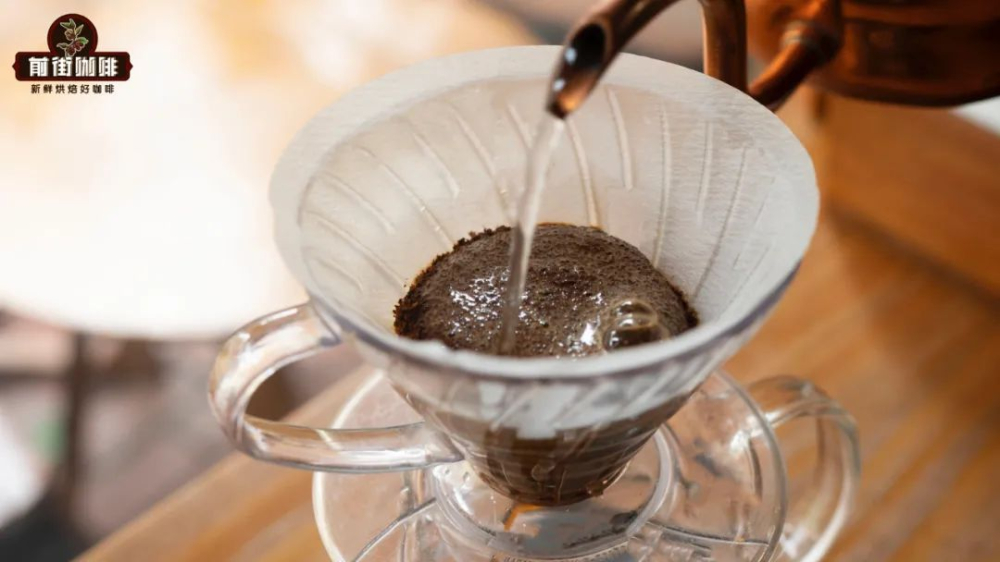
Quick refresher: body is the weight of the coffee liquid in your mouth — light versus full. It's closely tied to concentration: lower concentration means a thinner texture, higher concentration a fuller one. Deep roast beans, with their more porous structure, should actually be easy to brew into a full-bodied cup.
So if your deep roast coffee consistently comes out thin, look at your brewing data, find the weak point, and fix it.

Coffee Roast Levels: From Light to Dark
Historically, roasters used deep roasting to bring out rich, full-bodied flavors — it also conveniently masks defects. The specialty coffee movement flipped priorities toward regional character and clean cups with pronounced acidity and sweetness, and light roasts took off: deeper roasting drives more caramelization, while lighter roasts preserve fruit acidity and florals.
Market beans generally fall into three roast categories.

Light Roast: Vivid fruit character with sweet-sour floral-fruity aromas and pronounced acidity — think FrontStreet Coffee's washed Yirgacheffe Guodingding cooperative beans.
Medium Roast: Nutty character led by caramel, cocoa, and malt — like FrontStreet Coffee's Brazil Queen Estate beans.
Deep Roast: Gentle chocolate bitterness, low acidity, rich caramel sweetness, with spice, woody, and smoky tones — exemplified by FrontStreet Coffee's PWN Golden Mandheling.

Four Methods to Enhance Coffee Body
1. Coffee-to-Water Ratio
FrontStreet Coffee brews deep roast coffee at 1:14–1:15. Push past 1:15 and the extra water dilutes concentration into thinness, so 1:15 is the sensible ceiling.

Everyone perceives texture and flavor a little differently, so if 1:15 still feels weak to you, tightening to 1:13–1:14 is perfectly fine. Or the problem may lie in your timing.
2. Brewing Time
If you've adjusted the ratio and the cup is still thin, you're probably under-extracting. Check the brew time: if you're using more than 15g of coffee and total time lands around 1 minute 30 seconds, your grind is likely too coarse and water is racing through.
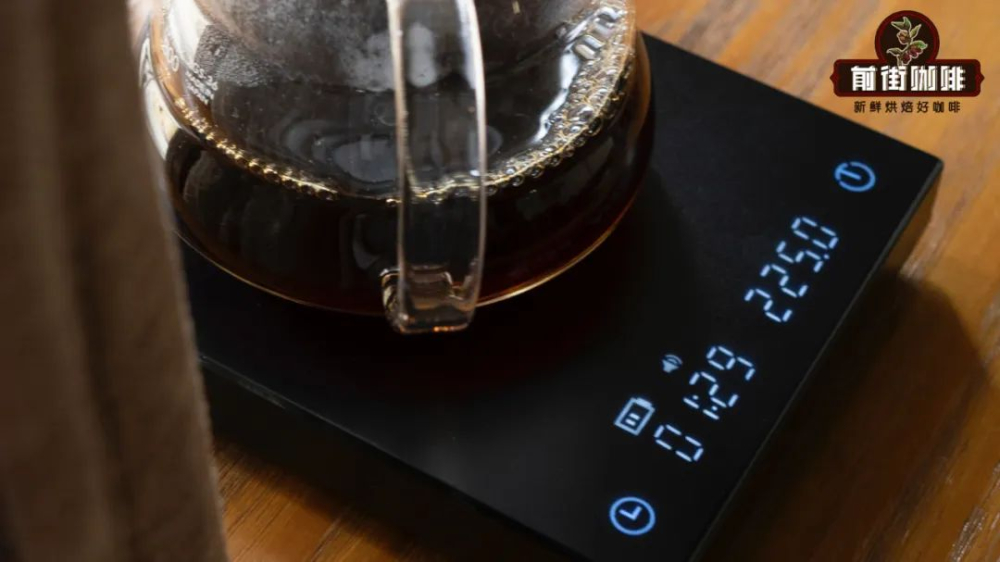
Grind finer and aim for a total time of 2:00–2:30. A more thorough extraction naturally brings a fuller body.
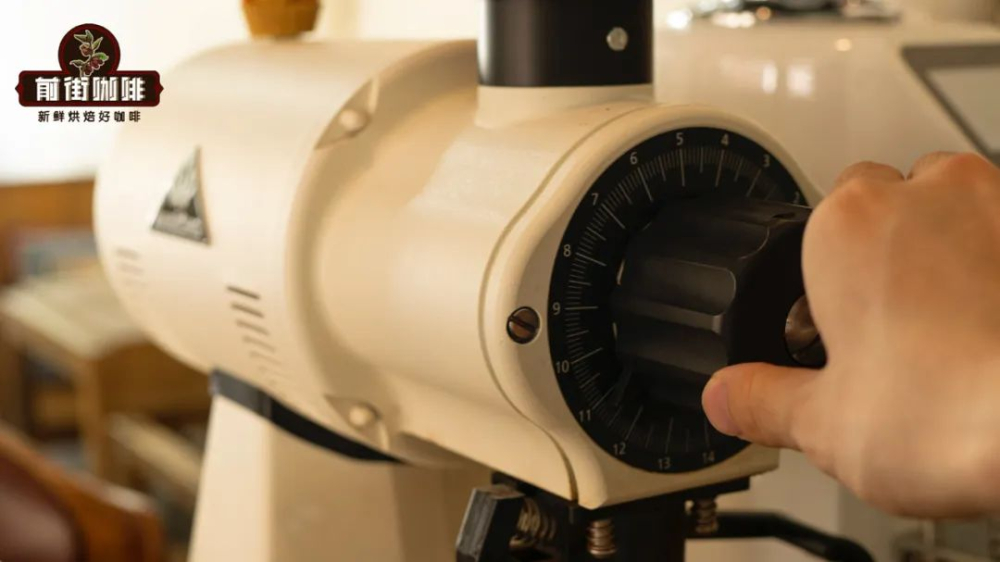
3. Dripper Selection
For deep roast beans, FrontStreet Coffee skips the popular V60 and reaches for a Kono. The V60's rib design speeds up flow, which suits light-to-medium roasts: those need finer grinds to pull out layered flavors, and slow extraction would push them into over-extraction — hence the faster V60.
Deep roast beans are the opposite case. Their porous structure extracts easily (aromatics come out fast), so they need a coarser grind to avoid over-extraction — and pair a coarse grind with a fast dripper and you'll slide into under-extraction.
The Kono's ribs extend only partway up the cone, deliberately slowing the flow and extending contact time. That fuller immersion is exactly why FrontStreet Coffee uses it for deep roasts: more complete extraction, fuller body.

4. Pouring Technique
This one isn't about three-stage versus single-pour — it's about keeping water off the dripper walls. Why does that matter?
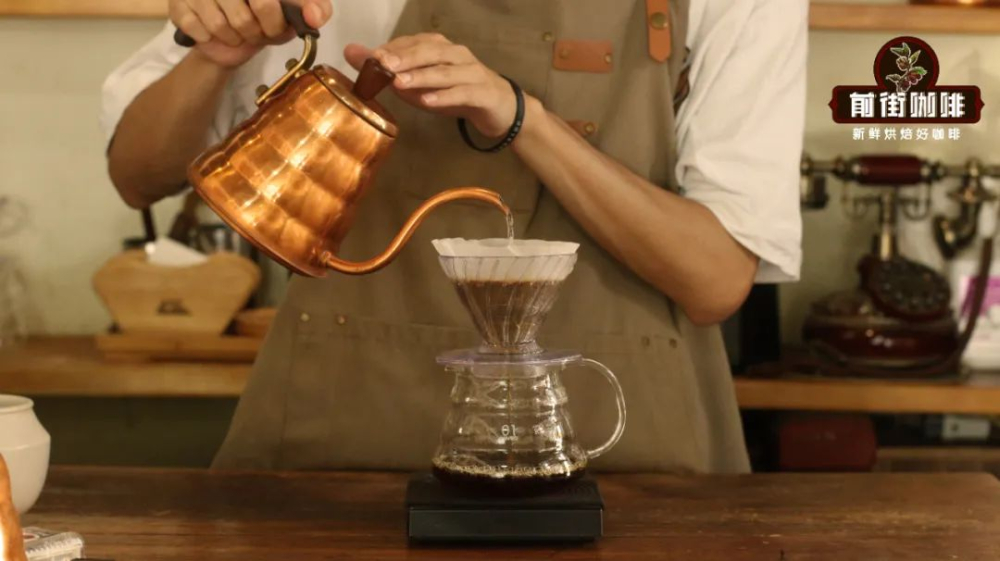
Because water that hits the walls runs straight down and into the server without ever passing through the coffee bed. What collects below isn't brewed coffee — it's plain hot water diluting everything else. So when pouring your circles, keep the stream away from the walls, and the final texture will thank you.
FrontStreet Coffee Recommendation
If you love a thick, full-bodied pour-over, FrontStreet Coffee's PWN Golden Mandheling is the deep-roast bean this article was written around. From Indonesia's PWN company — screen 18 and up, fewer than three defects per 300g sample for G1 grade, then three rounds of hand-sorting — it brews into a heavy, herbal cup with dark chocolate, caramel sweetness, low acidity, and exactly the richness the Kono method is designed to deliver. Pair it at 1:14–1:15 with water at 2:00–2:30 total drawdown and the body practically builds itself.
For a slightly different deep-roast character, the Papua Paradise Bird offers dark cocoa, cream, chocolate, and almond with a Jamaica-Blue-Mountain-like smoothness, while the medium-roast Brazil Queen Estate sits in between: caramel, cocoa, and malt with nutty sweetness and no harshness at all.
Important Notice :
FrontStreet Coffee is a long-established specialty coffee roaster in Guangzhou China, selling freshly roasted beans from its own farm in Yunnan as well as dozens of carefully selected single-origin beans from around the world for both pour-over and espresso. The products deliver consistently excellent quality and great value, with shipping within 24 hours. Guangzhou's FrontStreet Coffee shop is recommended by many coffee lovers, and the beans are now available online at the Tmall 。
FrontStreet Coffee has moved to a new address:
FrontStreet Coffee Address: 315,Donghua East Road,GuangZhou
Tel:020 38364473
 Scan and follow the En Gafei WeChat official account. Please indicate that the reprint comes from "En Gafei".

