How Long is the Shelf Life of Coffee Beans? What Does the Production Date of Coffee Beans Represent?
Recently, many friends have been messaging FrontStreet Coffee with questions like "How long can coffee beans be stored?" and "What is their shelf life?" Today FrontStreet Coffee would like to answer all of your questions about coffee bean shelf life.
Shelf Life Is Not the Same as the Best-Tasting Period
Let's start with a familiar everyday concept. When buying food, we check the production date and the shelf life. How is that shelf life determined? China's food regulatory agencies set shelf-life requirements for each type of product, indicating that the food remains safe to eat within that period. For coffee products the requirement is 365 days, set according to the relevant production standards when a roasting company applies for its production license.

The concept of shelf life comes from most commercial goods. With the arrival of specialty coffee, however, we demand not only that food is safe but also that it expresses flavor. So we propose a concept beyond the food-safety shelf life: the best-tasting period. This refers to the window during which coffee beans, when brewed, can fully express their aromatic character, rather than merely being a safe product.
FrontStreet Coffee recommends a best-tasting period of 30-45 days after roasting, which is why we suggest not buying too much at once. That 30-45 day window is the coffee bean's best-tasting period. Beans can be stored for up to a year under suitable conditions, but their flavor compounds cannot last that long. This is why we emphasize both shelf life and best-tasting period.
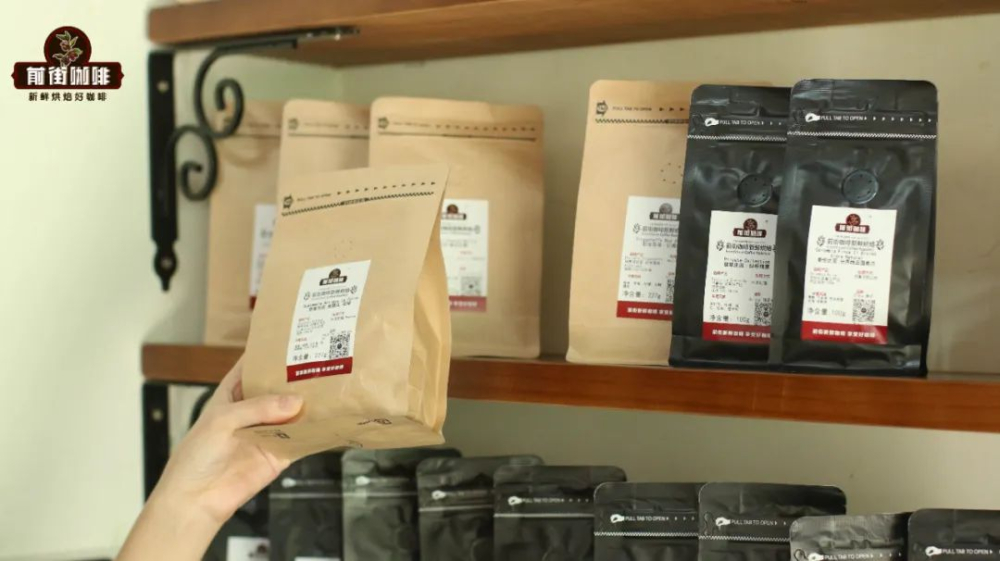
Degassing and Development in Coffee Beans
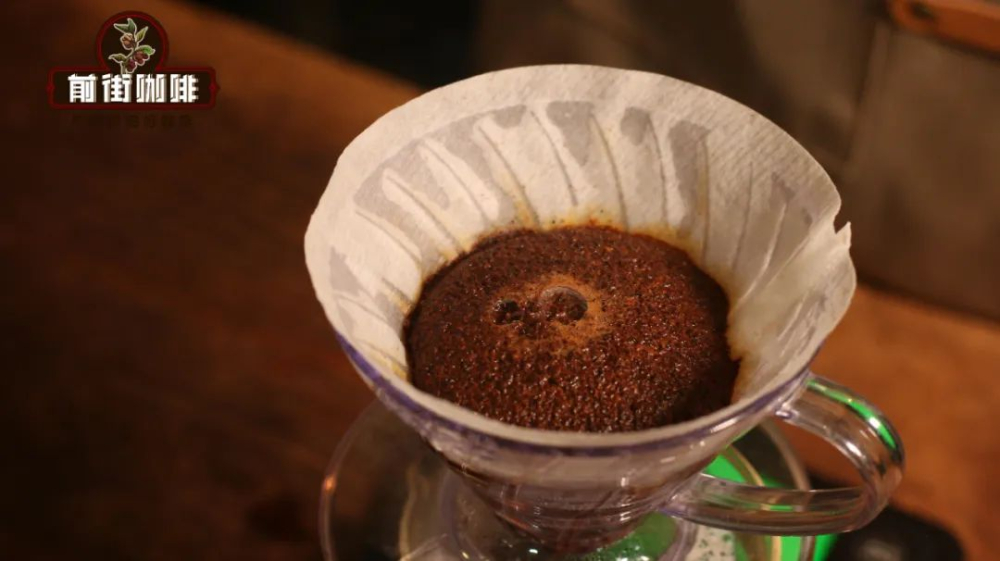
During roasting, the internal structure of the bean expands and produces carbon dioxide. That carbon dioxide is rich in volatile flavor compounds and also prevents those volatile aromatics from being lost. As the roast level deepens, the internal structure becomes more porous and the carbon dioxide content increases. This is why, when brewing dark-roasted beans, we often see an attractive "burger bloom" during the bloom stage, from the extra gas. Some lighter roasts, or beans with a harder density, do not expand as much as dark roasts, because they retain less air inside, producing a smaller burger.
Freshly roasted beans release 60-70 percent of their carbon dioxide within about 4-7 days. After that, carbon dioxide emission becomes less urgent and is released slowly and minimally, reaching a stable state. This is also when coffee flavor performs at its best, and at this point even the burger of a dark roast begins to shrink. From the roast date printed on the packaging and the burger behavior during brewing, we can roughly tell whether the beans were recently roasted.
The Resting Period for Coffee Beans
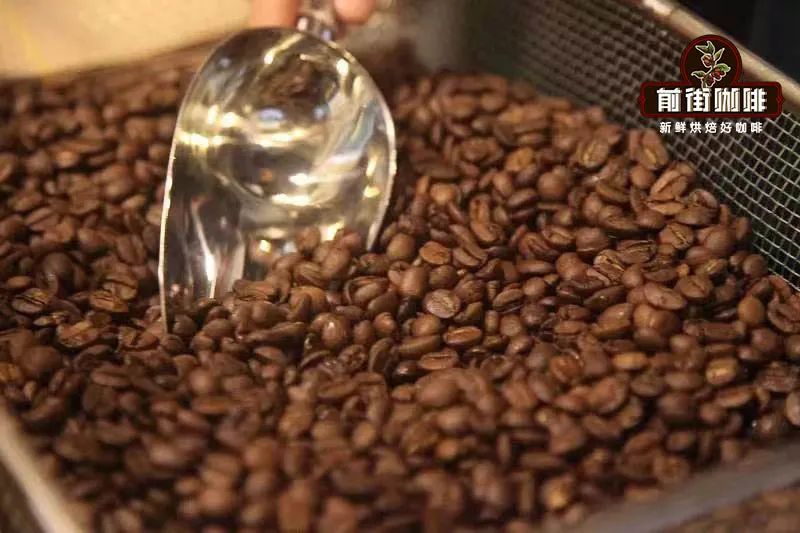
Most baristas suggest letting freshly roasted beans rest for a few days before tasting, for more stable flavors. According to research, coffee bean aroma peaks between days 10-25 after roasting, while freshly roasted beans may at first lack many flavors. Hence the idea of resting. Generally, light to medium roasted beans need about 4-7 days of rest, meaning that from the roast date you wait 4-7 days before tasting for better flavor. Medium to dark roasted beans, or espresso beans, need about 7-10 days to reach their best.

On the other hand, we also suggest ignoring the concept of a resting period and simply enjoying coffee as soon as the beans arrive. Is that not contradictory?
Beans do need several days after roasting for their aromatics to gradually emerge. But if you have never tasted freshly roasted beans and always wait until the resting period a roaster suggests, there is only one outcome: you will never know what unrested beans taste like. In other words, you will never develop the ability to judge whether beans have rested properly. In most cases, meanwhile, FrontStreet Coffee plans its roasting schedule around 5 days of usage. In the least ideal scenario, you receive beans roasted at most 5 days earlier, plus transit time. On both counts, resting is optional.
Of course, if you receive beans we roasted yesterday, FrontStreet Coffee still recommends watching how the aroma changes day by day. That is where the real joy of specialty coffee lies: not in blindly following other people's opinions about a required resting period.
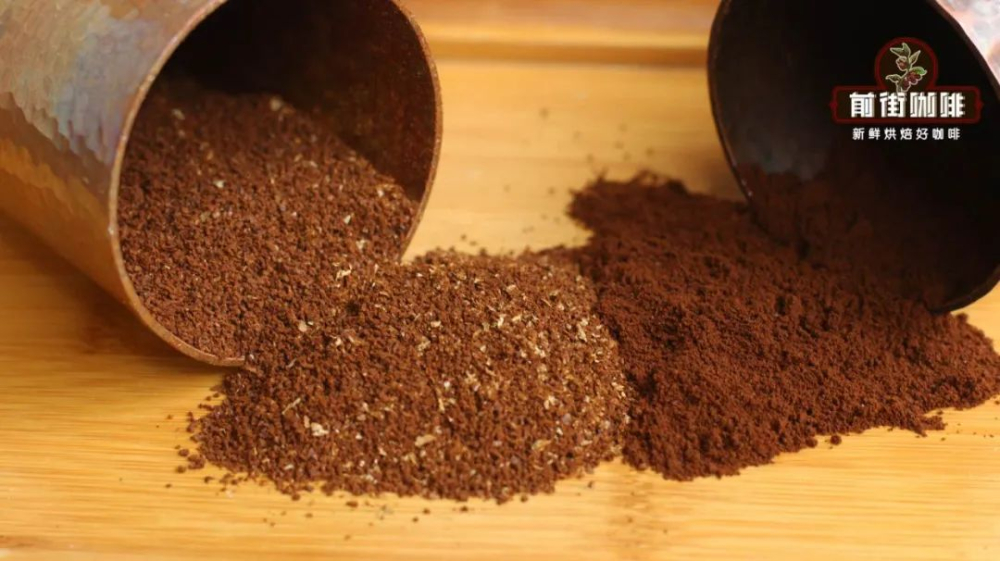
How Long Can Ground Coffee Be Stored?
When you grind coffee, you can smell a faint dry aroma, which is actually some of the volatile flavor compounds being released. Once beans are ground, the surface area in contact with air increases, carbon dioxide escapes faster and the flavor compounds dissipate faster. Some carbon dioxide and flavor compounds are also lost during grinding, so ground coffee cannot be stored for long. How long exactly? Within a few hours of grinding, beans have already lost most of their aroma. Pre-grinding only buys convenience. If conditions allow, FrontStreet Coffee recommends owning a grinder so you can enjoy the aroma of freshly roasted, freshly ground coffee.
Pre-ground pour-over coffee will not show a burger bloom, and espresso will not show crema, which is already a significant shortfall in the brewing process. Does that mean pre-grinding is absolutely forbidden? Of course not, but while gaining convenience you must give up your expectations for aroma. Convenience or flavor is always a choice between the two.
Nitrogen Flushing and Refrigeration
Some may ask, can we not use nitrogen flushing or refrigeration to preserve coffee? We need to understand that nitrogen flushing was developed as a solution for beans that had to cross oceans. Shipping roasted coffee from one continent to another takes dozens of days, making it a necessary solution. Today, the pursuit of specialty coffee aroma is built on the foundation of fresh roasting. When you can drink fresh coffee, why chase preservation? Buying small quantities of freshly roasted beans each time is already a perfect preservation solution.
- END -
FrontStreet Coffee
FrontStreet Coffee Recommendation
Since freshness is the whole game, the roast level of the beans you keep on hand matters too. For a balanced cup, a medium roast is a good place to start, because within the roast there are three flavors that must be kept in check: acidity, sweetness and bitterness. The darker the roast, the more bitter and heavier the cup; the lighter the roast, the more acidic and lighter the body. If you like things even, reach for medium-roasted beans.
FrontStreet Queen Estate is a good example. Grown in Brazil, the world's largest coffee producer, from the distinctive Yellow Bourbon variety, it is gently sweet with a medium roast that brings creamy peanut, chocolate, toasted bread and sugarcane aromas, and it works as a pour-over or in a Moka pot or espresso machine. FrontStreet Strawberry Candy Gesha Blend is the option if you want a sweeter medium roast: it combines a honey-processed Costa Rican coffee with a washed Panama Geisha, and the medium roast lets it show honeyed citrus and a round sweetness, suited to cold brew, pour-over or espresso.
As a Chinese specialty representative, FrontStreet 2013 Sun-Dried Typica carries the authentic Yunnan small-bean character, and a medium roast restores its balanced, gentle tone of nut, brown sugar, black tea and dried apricot; it suits pour-over, cold brew and drip machines and offers excellent value. FrontStreet Jamaica Blue Mountain No. 1, meanwhile, is Typica grown in Jamaica and a world-famous Arabica in its own right, whose medium roast fuses its distinctive acidity, bitterness, sweetness and body into a chocolate, roasted-nut, cream and caramel flavor profile that few coffees can match.
Important Notice :
FrontStreet Coffee is a long-established specialty coffee roaster in Guangzhou China, selling freshly roasted beans from its own farm in Yunnan as well as dozens of carefully selected single-origin beans from around the world for both pour-over and espresso. The products deliver consistently excellent quality and great value, with shipping within 24 hours. Guangzhou's FrontStreet Coffee shop is recommended by many coffee lovers, and the beans are now available online at the Tmall 。
FrontStreet Coffee has moved to a new address:
FrontStreet Coffee Address: 315,Donghua East Road,GuangZhou
Tel:020 38364473
 Scan and follow the En Gafei WeChat official account. Please indicate that the reprint comes from "En Gafei".