
Do You Need Filter Paper for Pour-Over Coffee? What's the Impact of Not Wetting the Filter Paper When Brewing?
One day, as FrontStreet Coffee's barista brewed both an iced and a hot pour-over, a customer asked: "Why did one of you wet the filter paper, while the other started brewing directly without wetting it?"
Is wetting the filter paper a required step before brewing? And if not, when should you do it? FrontStreet Coffee breaks down the reasons.
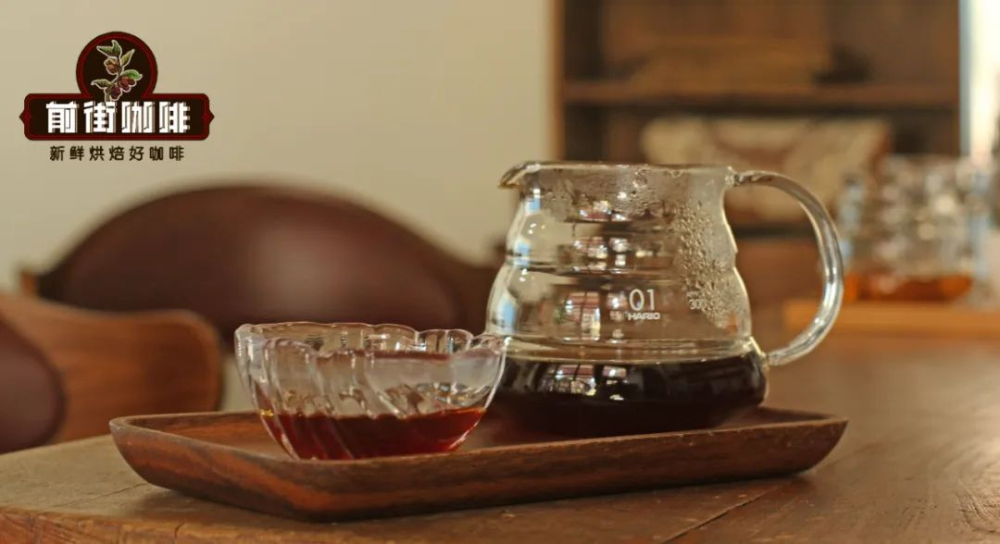
Purposes of Wetting Filter Paper:
1. Cleaning the Filter Paper and Removing Odors
Some might wonder — aren't there already filter papers bleached with bioactive enzymes that carry no taste? Buy a reliable brand and the problem's solved, right?
What people overlook is storage. How do you keep your filter paper, and where? We once knew a friend who left his filter papers open on a shelf — and he was a heavy smoker who often lit up alone at home. You can imagine what those papers absorbed.
Here's the irony: "the success and failure of tasteless filter paper" lies in its very nature — because it's tasteless, it picks up outside odors all the more easily. Of course, if you keep your papers sealed separately, you can ignore this entirely.
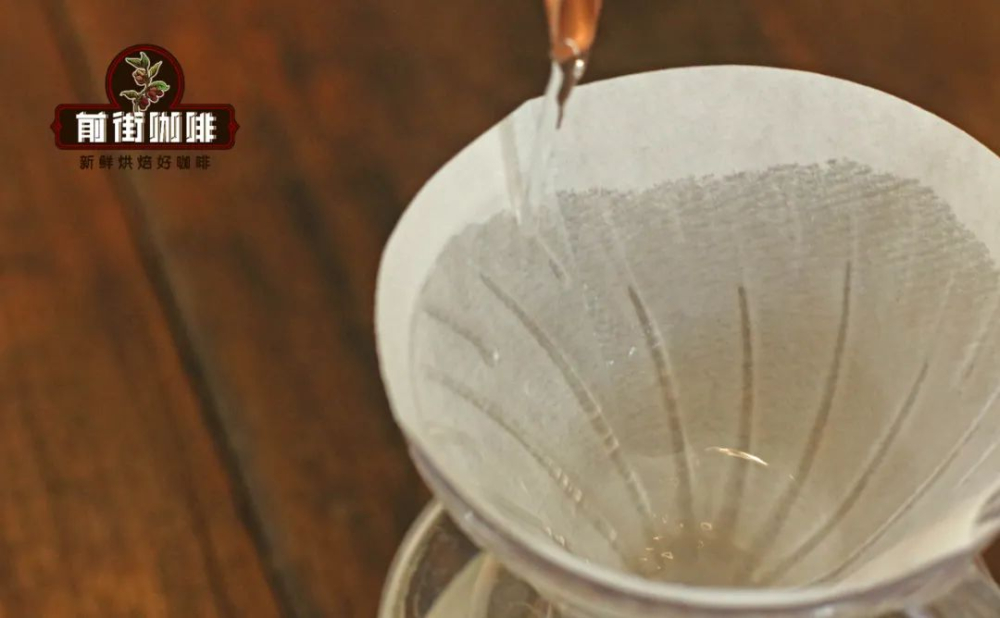
2. Preheating the Dripper and Server
Whether this matters depends on your dripper's material. Plastic drippers neither absorb much heat nor hold it well, so preheating barely affects the brew. With a ceramic dripper, though, wetting the paper while preheating the ceramic becomes genuinely important. (Curious about how dripper materials affect heat retention? Read on.)
Preheating the server also keeps the finished coffee from dropping in temperature, so you taste its flavors at their best.

3. Ensuring Better Fit with the Dripper
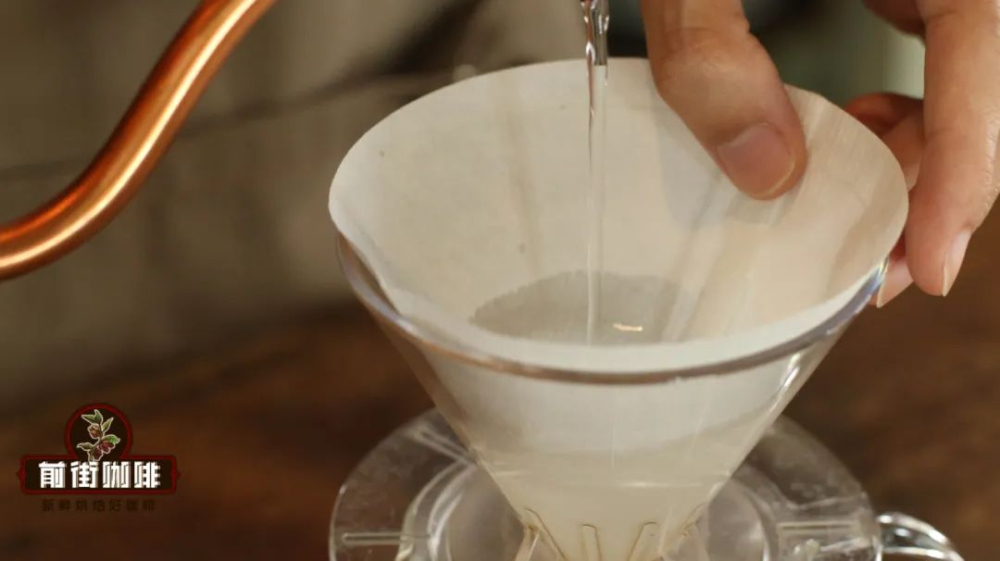
When you're unsure of your filter-paper folding technique, press the paper gently against the walls while adding water to wet it — this helps it seat snugly against the dripper. Fair warning: sloppy technique or a paper-to-dripper mismatch will leave gaps no amount of wetting can fix.
If you want your extraction to be more even and to minimize the filter paper's influence on the cup, these three trade-offs deserve a closer look.
1. Bloom and Gas Release
Once wetted, the paper softens and clings tightly to the dripper walls, so the ribs and grooves can no longer hold it off the surface — which compromises the bloom and the release of CO2 from the grounds.
2. Pre-extraction of Coffee Powder After Wetting Filter Paper
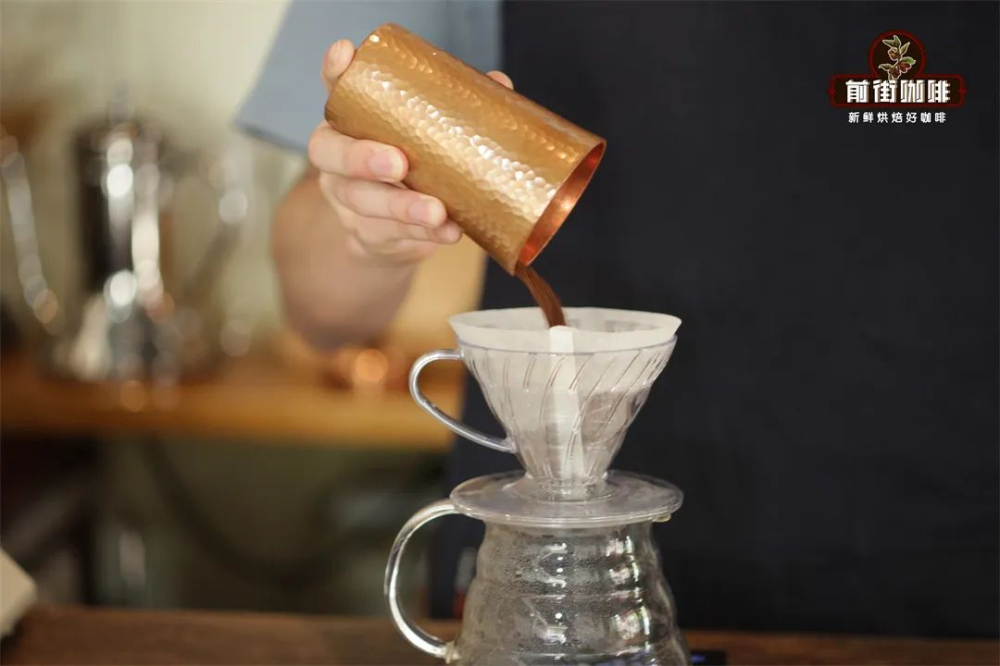
"Extraction" begins the moment grounds touch water. Pour dry coffee into a wet filter paper and the grounds nearest the paper get moistened on contact — meaning part of your coffee has already started extracting before you've even bloomed.
3. Water Absorption Capacity of Filter Paper
A single filter paper absorbs roughly 8g of water. If it's fully saturated before brewing, no coffee liquid will wick upward into it — which is why a paper that was wetted first stays nearly white after brewing. Brew on a dry paper and the coffee visibly seeps into it, especially with dark-roast beans, where you can watch the coffee-colored liquid climb upward.
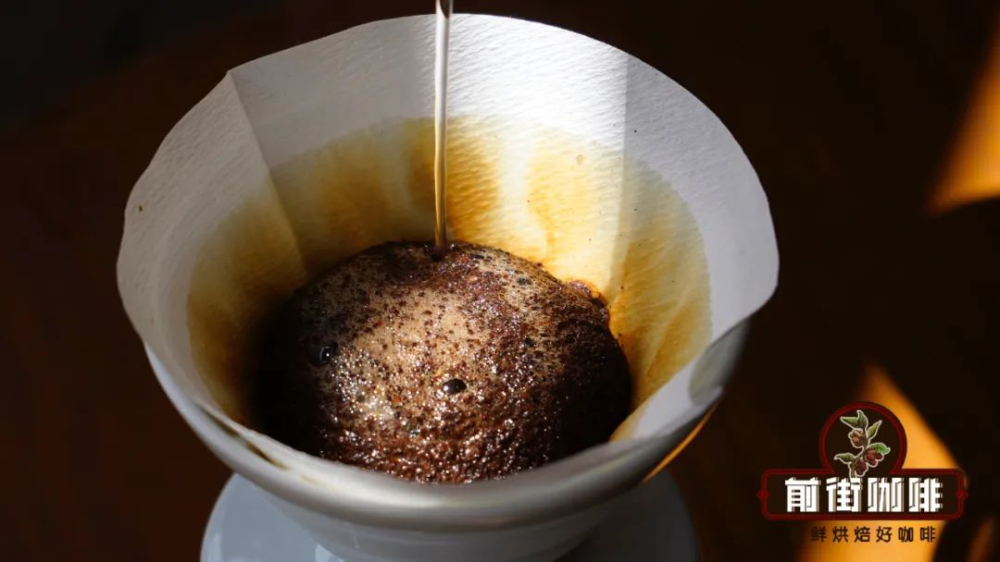
Back to our customer's question: now you know why FrontStreet Coffee treats filter paper differently for hot and iced brewing.
- END -
FrontStreet Coffee
FrontStreet Coffee Recommendation
For hot brews on a dry, unwetted paper, a bright floral-fruity bean sings beautifully. Try these FrontStreet Coffee favorites in your V60:
FrontStreet Ethiopia Yirgacheffe Guodingding — The gateway Ethiopian: vivid citrus, berry, and floral notes with a green-tea-like sweet finish. Its acidity is soft and bright rather than sharp — endlessly approachable and a natural match for the clean channel a well-fitted paper provides.
FrontStreet Ethiopia Guji Huakui — Tropical fruit at full volume: strawberry, passion fruit, jackfruit, lychee, with obvious sweetness and almost no bitterness. Juicy and smooth, often called "the coffee for people who don't like coffee" — superb when you want maximum aroma in a hot cup.
FrontStreet PWN Indonesia Golden Mandheling — And since dark roasts stain the paper dramatically, here's the bean to show it off: deep-roasted, low-acid, and full-bodied with herbal, dark chocolate, and toasted hazelnut notes — ideal for iced brews where a pre-wetted paper keeps the cup clean.
Important Notice :
FrontStreet Coffee is a long-established specialty coffee roaster in Guangzhou China, selling freshly roasted beans from its own farm in Yunnan as well as dozens of carefully selected single-origin beans from around the world for both pour-over and espresso. The products deliver consistently excellent quality and great value, with shipping within 24 hours. Guangzhou's FrontStreet Coffee shop is recommended by many coffee lovers, and the beans are now available online at the Tmall 。
FrontStreet Coffee has moved to a new address:
FrontStreet Coffee Address: 315,Donghua East Road,GuangZhou
Tel:020 38364473
 Scan and follow the En Gafei WeChat official account. Please indicate that the reprint comes from "En Gafei".

