
Introduction to Italian Coffee Varieties: The Differences Between Espresso, Americano, Latte, Cappuccino, Macchiato, and Flat White

With the dog days of summer upon us, FrontStreet Coffee today has no plans to discuss coffee origins, dissect extraction theory, or run comparative experiments. Instead, let's take a close look at the long-established dynasty of the coffee world—Italian coffee—and see just how sprawling this family really is.
The Three Brothers of Espresso
As the foundation of nearly every espresso-based drink on a café menu, Espresso is the soul of the Italian system. But dig a little deeper and you'll find it is not an only child—it has two brothers: Ristretto and Lungo.
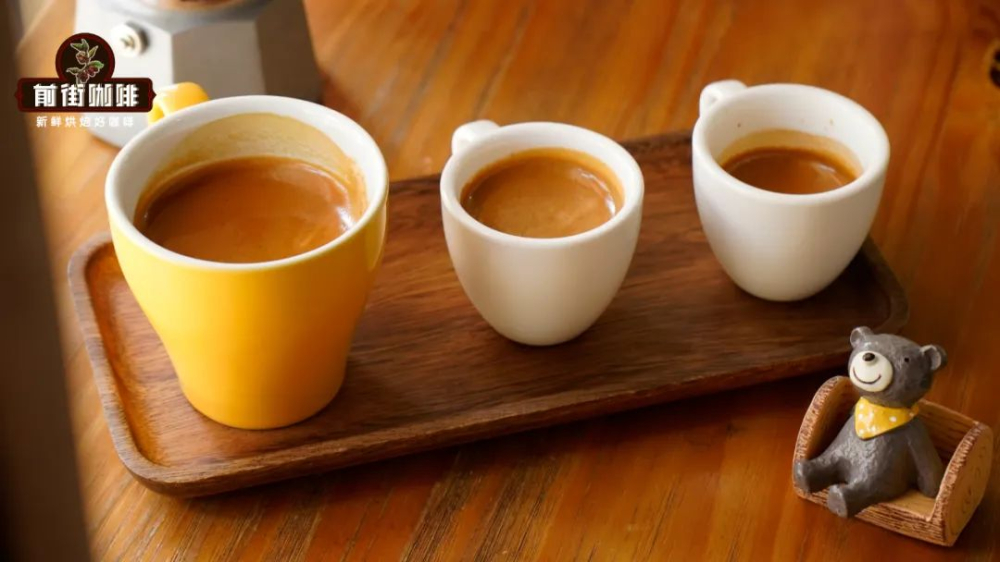
From left to right: Lungo, Espresso, Ristretto
A standard Espresso extraction typically uses a coffee-to-liquid ratio of roughly 1:1.5-2.5—for example, 20 grams of grounds yielding 40 grams of espresso over 25-30 seconds. Ristretto builds on that but takes only the front and middle of the extraction: 20 grams of grounds at a 1:1-1.5 ratio gives about 28 grams of liquid in roughly 20 seconds. Lungo goes the other way, stretching the extraction to raise the yield—usually a 1:4-5 ratio, so 20 grams of grounds produces about 100 grams of coffee in nearly a minute.
Compared with a regular Espresso, Ristretto is more concentrated in flavor but shorter on the finish, and it is often used as the base for Flat Whites. The extra-long Lungo, diluted by all that water, tastes thin and bitter—essentially an over-extracted coffee.
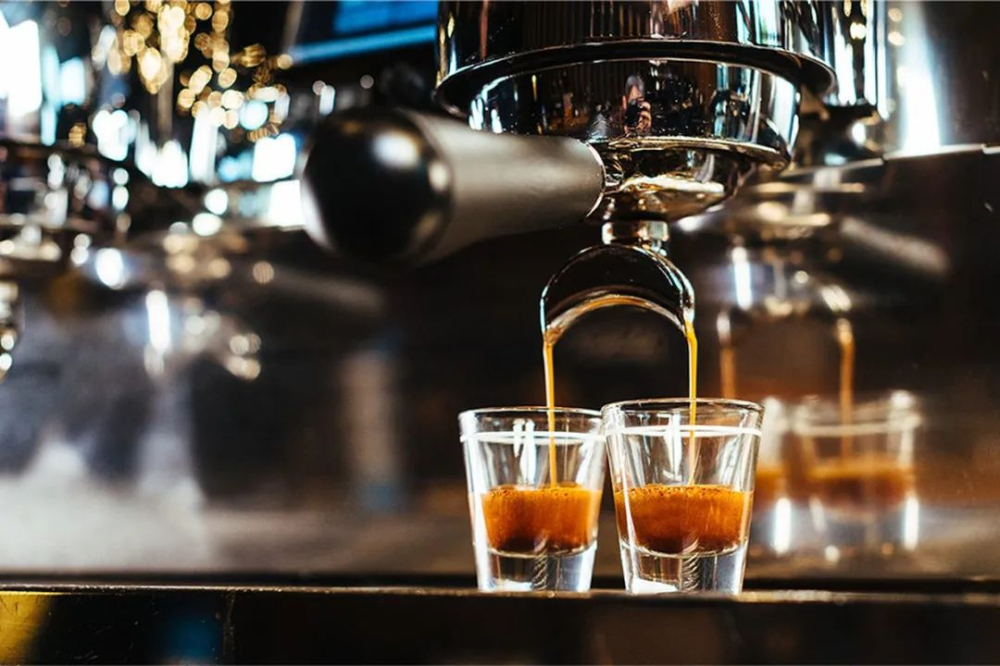
Beyond the three brothers, Italy also has a rich, concentrated style called Doppio. Order a double espresso and you get two normally extracted shots; order a Doppio and the barista uses twice the dose of grounds to pull a single shot. More coffee, less liquid—the flavor is naturally far more intense.
Black Coffee Varieties
In black coffee, the Americano is the household name. Made of nothing but Espresso and water, this "American's coffee" has topped Italian-style menus for years thanks to its easy-going character and the fact that it works hot or iced.
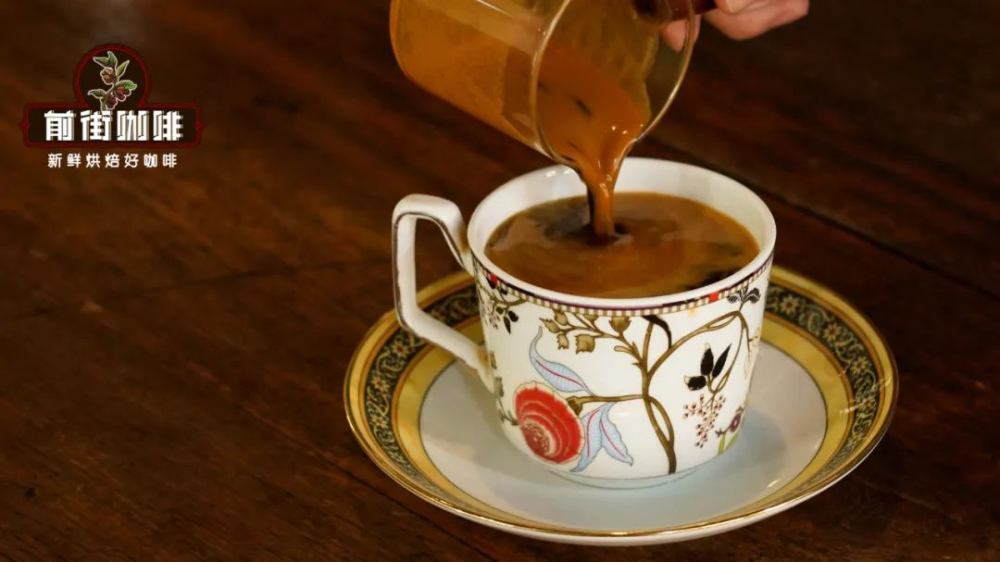
Australia has its own local take called the Long Black, likewise just espresso and water. The main difference is the amount of water: a Long Black is typically built at a 1:3 espresso-to-water ratio, while an Americano dilutes more, around 1:5-1:8. So a Long Black carries a richer flavor than an Americano—and it can only be served hot.
Milk Coffee Varieties
Touring the milk coffee family has to start with the globally beloved Latte. In Italian, "latte" simply means milk, so if you order "a latte" in Italy you will get a glass of milk—to get the coffee you must say "Caffè latte." Outside Italy, Latte is understood as the coffee drink, with an espresso-to-milk ratio of roughly 1:5-1:8.
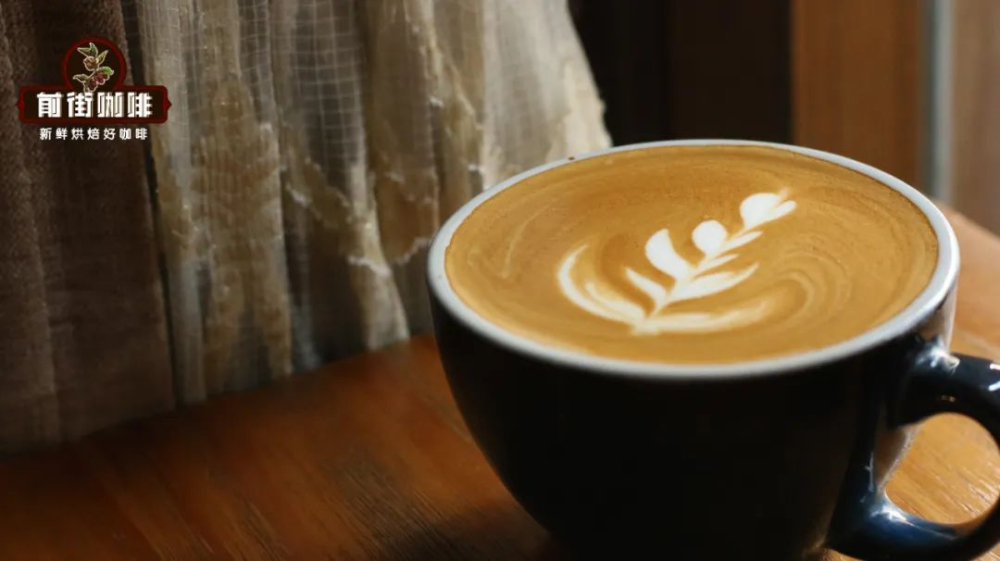
In fact, before Latte became popular, "milk coffee" meant Cappuccino. Built at a 1:1:1 ratio of coffee, milk, and milk foam, its thick top layer of foam rises past the cup's rim, letting you enjoy luxurious foam alongside intense coffee. Then there is the Macchiato, an espresso "stained" with a spoonful of delicate hot milk foam. With so little milk, it tastes strong—somewhere between straight espresso and cappuccino.
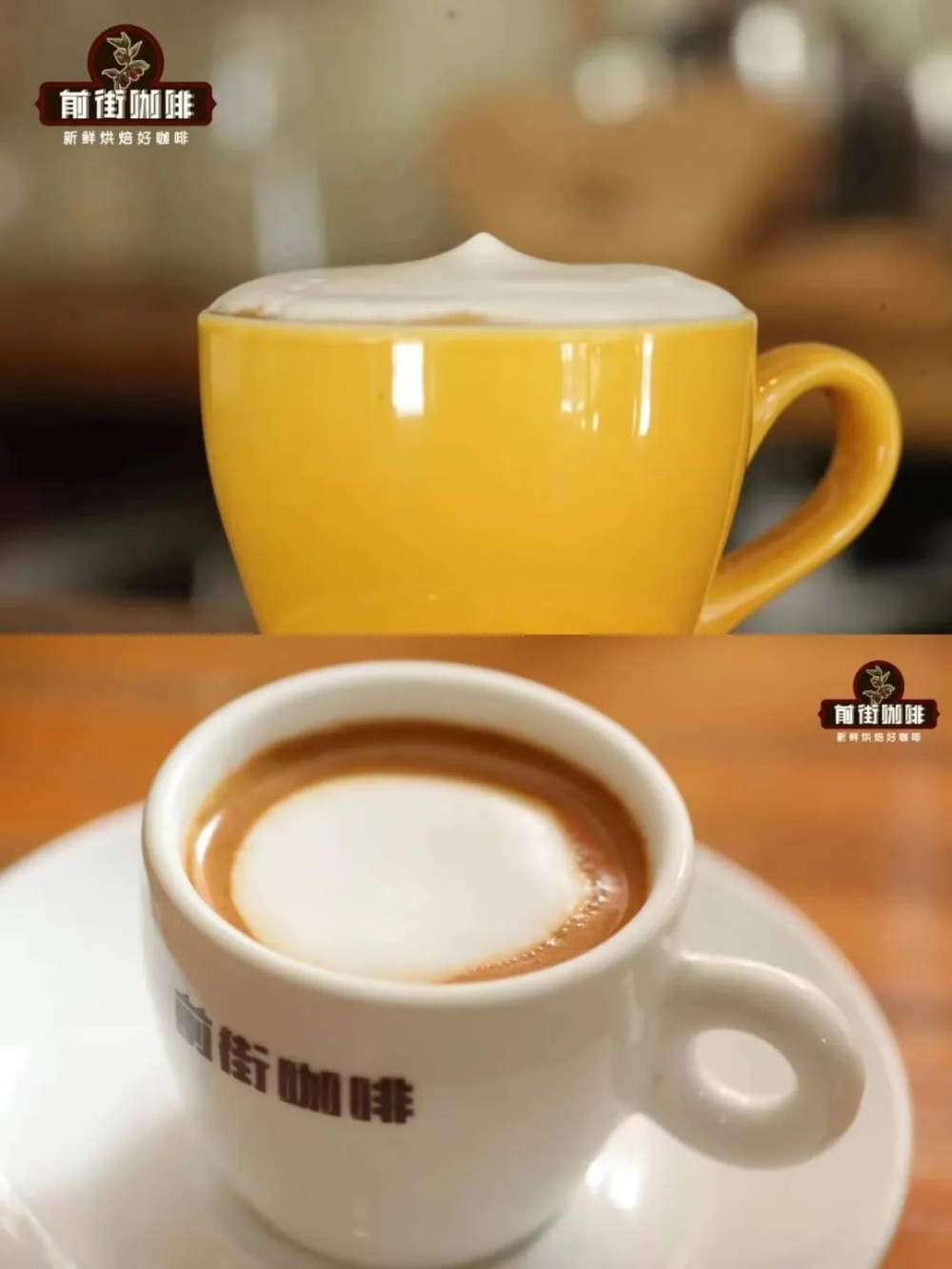
Top: Cappuccino, Bottom: Macchiato
Like the Long Black, the Flat White is what happened when the Latte reached Australia and adapted to local tastes: less milk and thinner foam. Australian baristas also invented the Piccolo Latte, a miniature latte designed to minimize waste when dialing in beans. The Piccolo is served in a cup of just 3 ounces—a single shot of espresso topped with a little steamed milk. Compared with a Latte, both Flat White and Piccolo taste more intense, highlight the character of the beans better, and come hot only.
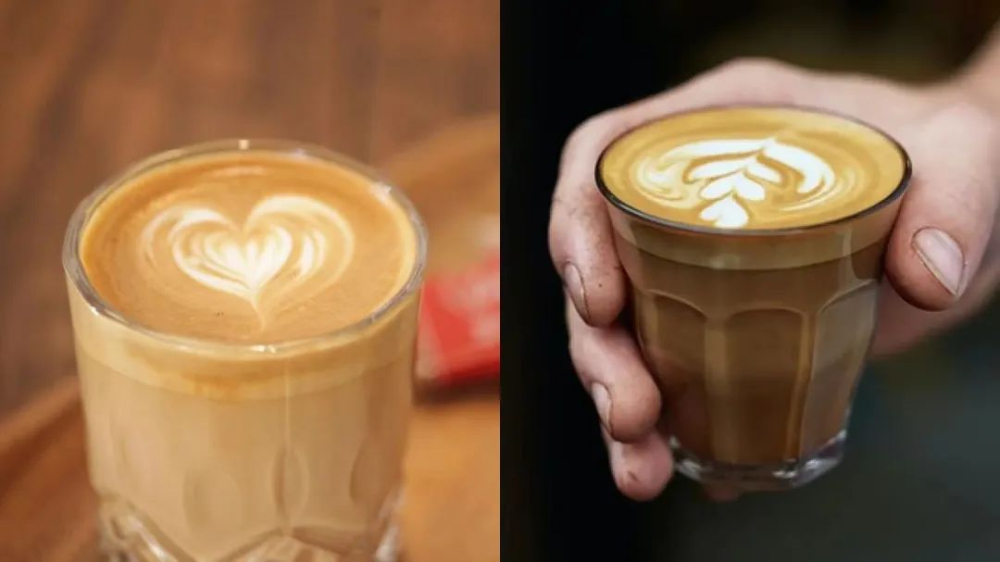
Left: Flat White, Right: Piccolo
As for the internet-famous Dirty, it is not a traditional Italian coffee at all but a later riff on the iced latte. Freshly pulled espresso is poured directly over chilled milk to create striking layers—gorgeous to look at, rich and aromatic to drink. No wonder it took the internet by storm.
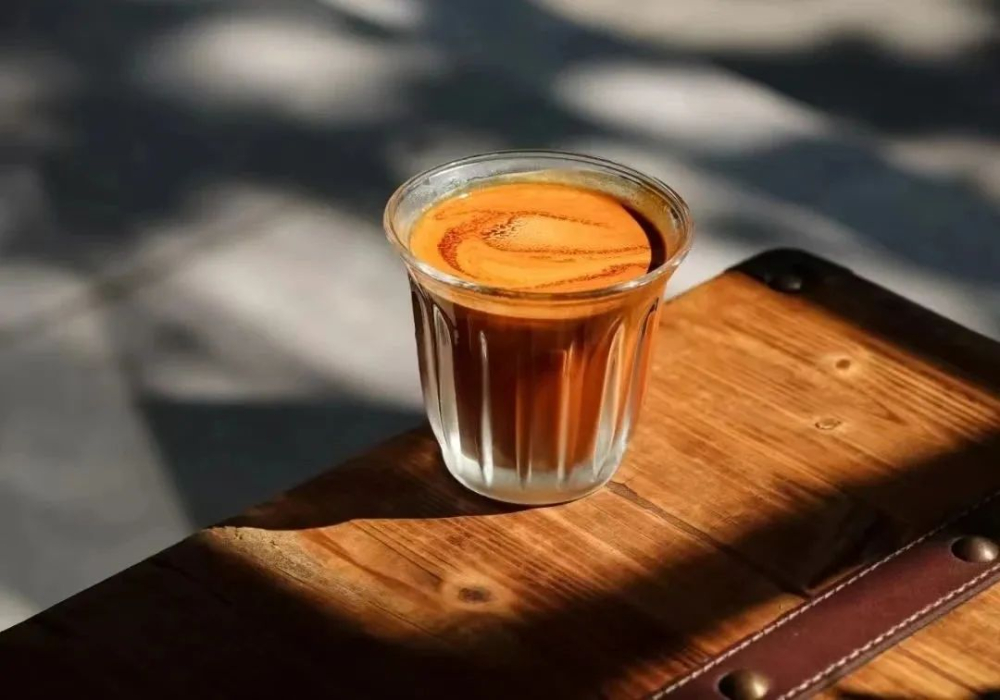
Italian Specialty Coffee Varieties
To make Italy's bitter, uncompromising espresso more approachable, locals began adding all kinds of accompaniments to soften its intensity. That is how the Italian specialty coffees were born.
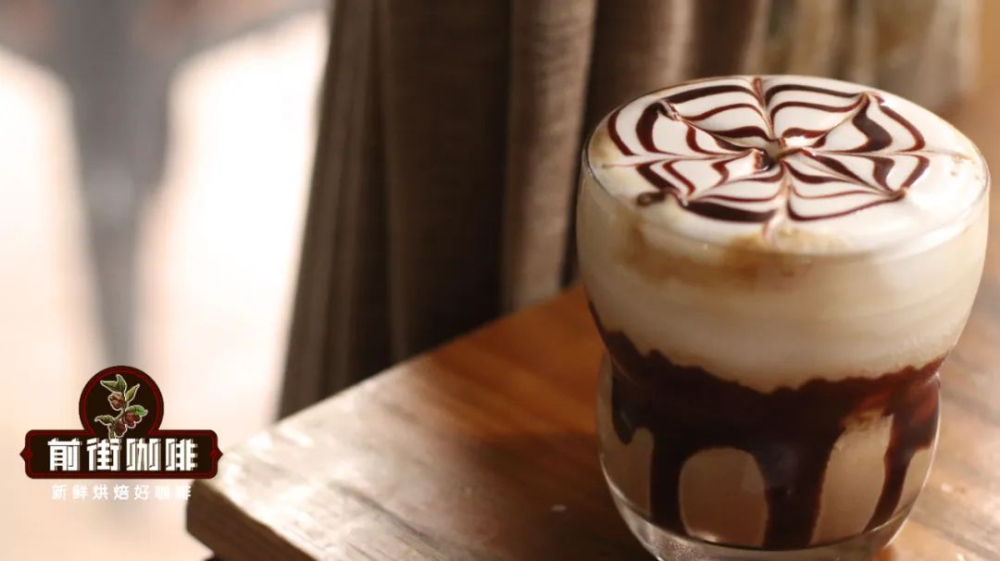
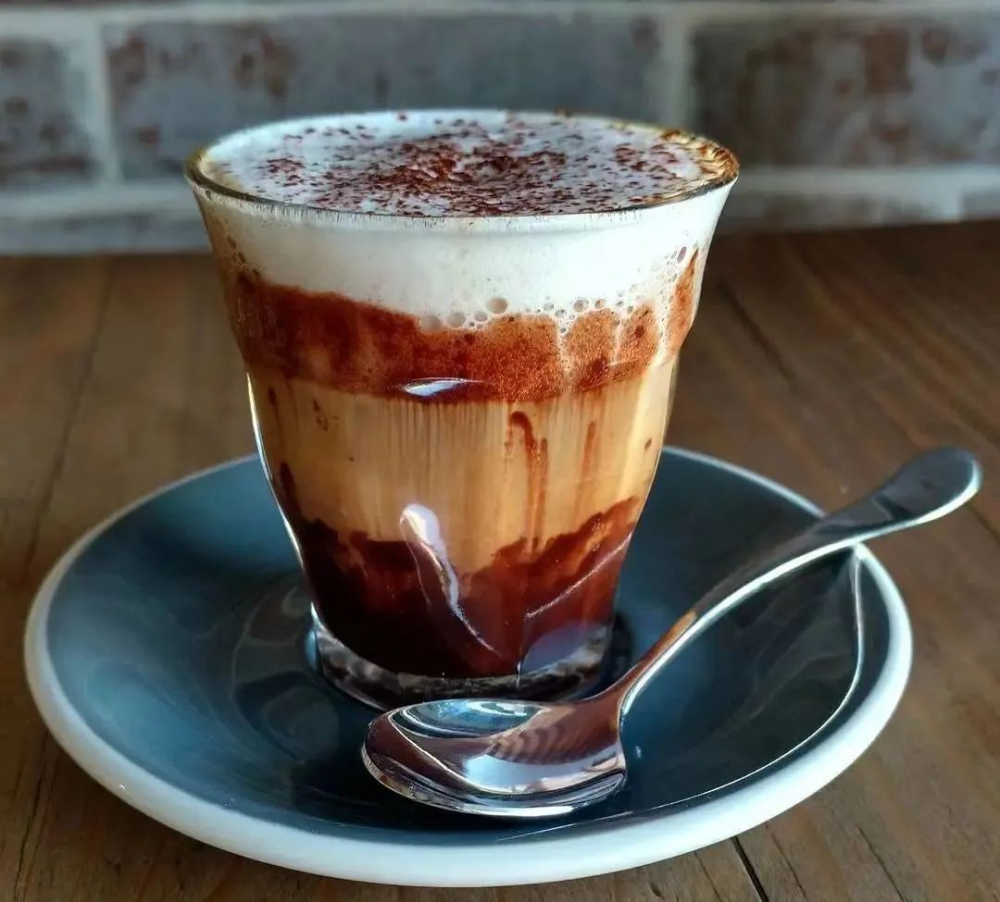
Add chocolate flavoring to a Latte and you get the traditional Italian Mocha. Another chocolate-leaning Italian drink is the Caffè Marocchino: one shot into a 60ml cup, a sprinkle of cocoa powder, then milk foam or cream, and finally another dusting of cocoa. The tiny cup and double layer of cocoa give it an especially rich character.
Several Italian specialties are built directly on espresso. Affogato—espresso poured over ice cream—is both a coffee category and a dessert. Add whipped cream on top of espresso and you have a Con Panna. A small espresso with a splash of high-proof spirit is a Caffè Corretto.
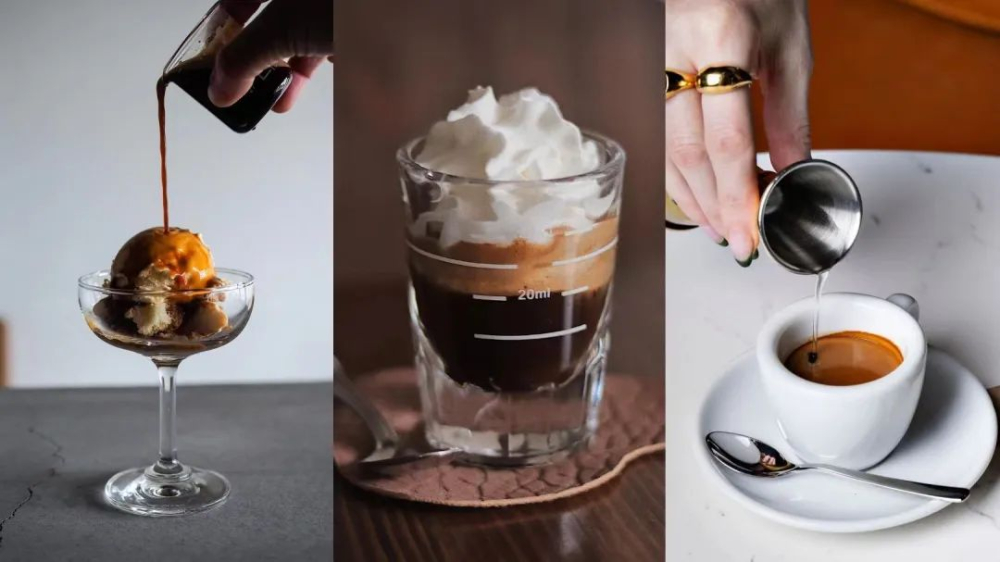
From left to right: Affogato, Con Panna, Caffè Corretto
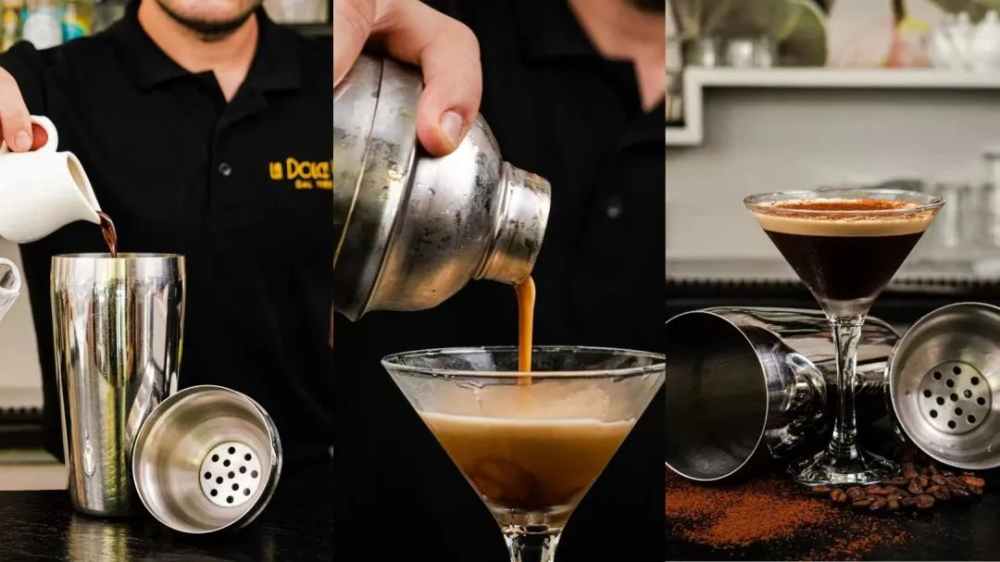
Finally, pour espresso into a shaker with ice and a little syrup, shake it well, and strain it over ice into a martini glass, and you have a Caffè Shakerato. It keeps the aroma of espresso while adding a hint of sweetness, and the dense foam on top makes it look—and feel—like drinking a dark beer.
- END -
FrontStreet Coffee
10 Bao'an Qianjie, Yandun Road, Dongshankou, Yuexiu District, Guangzhou, Guangdong Province

FrontStreet Coffee Recommendation
If this tour has you itching to make milk coffees at home, the Flat White is a great place to start: less milk, thinner foam, and a stronger coffee presence—a kind of "advanced latte." FrontStreet Coffee recommends building it on a Ristretto base: 20g of coffee grounds extracted into 32 grams of espresso over 22-25 seconds, then paired with 160ml of fresh milk and finished with about 0.3cm of microfoam.
For the beans, try the FrontStreet Classic Blend with its buttery, cheese-like richness—full-bodied, low in acidity, and silky with milk. If you prefer floral and fruity notes, the FrontStreet Strawberry Candy Espresso Blend, with almost no bitterness, carries grape and blueberry notes through the extraction and turns into something like a strawberry milkshake when mixed with fresh milk.
Important Notice :
FrontStreet Coffee is a long-established specialty coffee roaster in Guangzhou China, selling freshly roasted beans from its own farm in Yunnan as well as dozens of carefully selected single-origin beans from around the world for both pour-over and espresso. The products deliver consistently excellent quality and great value, with shipping within 24 hours. Guangzhou's FrontStreet Coffee shop is recommended by many coffee lovers, and the beans are now available online at the Tmall 。
FrontStreet Coffee has moved to a new address:
FrontStreet Coffee Address: 315,Donghua East Road,GuangZhou
Tel:020 38364473
 Scan and follow the En Gafei WeChat official account. Please indicate that the reprint comes from "En Gafei".

