What is Pre-infusion? Understanding Pre-infusion Principles and Methods, and Duration

Whenever we build an extraction framework for pour-over coffee, we always include the bloom by default. A proper bloom lets carbon dioxide escape in an orderly way while "waking up" the soluble substances in the coffee, which leads to more stable flavor extraction in the steps that follow.
Given how much the bloom affects coffee flavor, should we also add a "blooming" stage to other brewing methods, most obviously to espresso, the extraction we use every day?
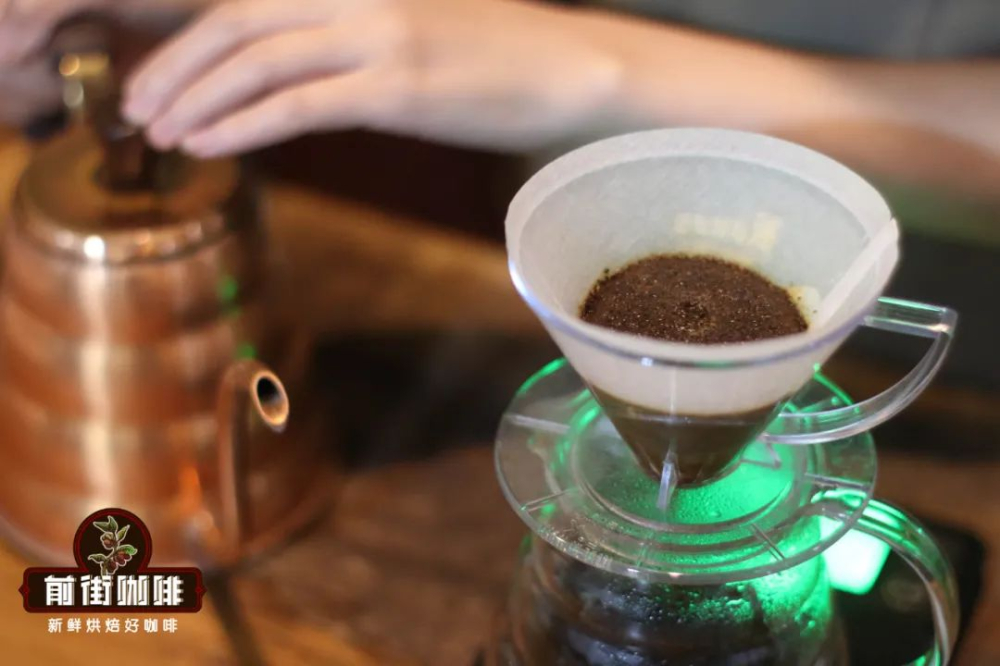
What is the "Blooming" in Espresso Called?
Typical espresso is extracted at a constant pressure of 9 bars until it's done. That means the moment we press the button, hot water races through the coffee puck at roughly 9 atmospheres of pressure, extracting soluble flavor compounds. If instead we first release water with no pressure, or low pressure, before the machine applies full-pressure extraction, letting hot water gently permeate the coffee bed and moisten it evenly, that step is called "pre-infusion."
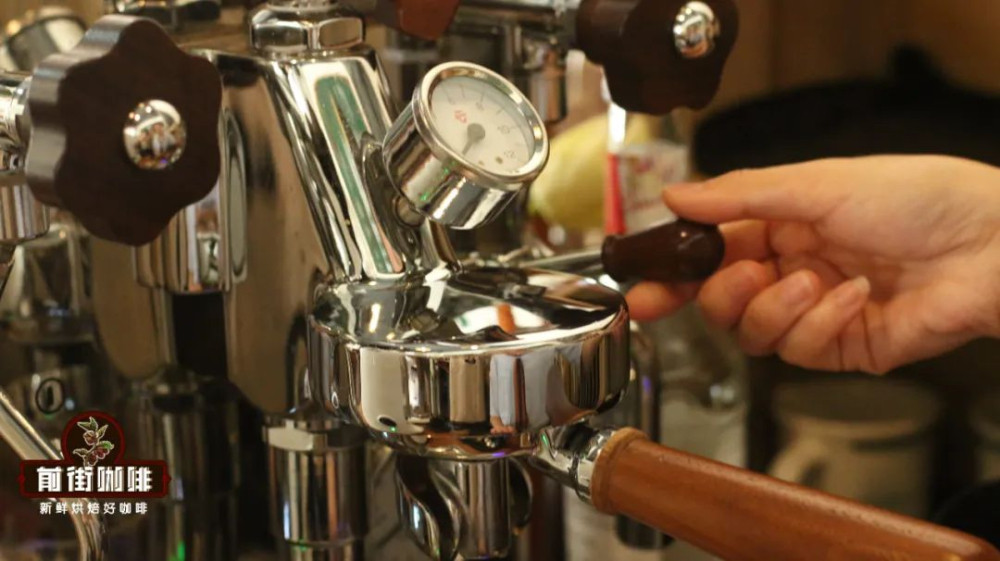
The main prerequisite for pre-infusion is that the machine itself supports it. How it works varies by equipment: some machines let you set a one-click pre-infusion mode before extraction, while others call for manual adjustment.
The length of the pre-infusion stage, and whether pressure is applied at all, mainly depend on the barista's understanding of the bean's flavor characteristics, adjusted along two lines: the bean's resting state and how well the extraction parameters fit together. There is therefore no standard, fixed setting.
When is Pre-infusion Needed?
When we grind and extract beans just days after roasting, the overly active carbon dioxide scatters the moment it meets water in a high-temperature, high-pressure environment. Those gases get trapped in the coffee oils and form a thick crema that flows out quickly with the espresso.

Espresso extracted from overly fresh beans looks rough and unstable, dissipating within minutes, and the coffee flavor tends to be weak or overly acidic. To solve the problems caused by an abundance of gas, we can add a "blooming" step to help it release, namely pre-infusion.
For example, FrontStreet Coffee sometimes receives Warm Sun Blend beans that are too fresh and haven't had time to rest before they're put into service. Espresso pulled straight from them usually shows strong acidity and uncomfortable bitterness, with none of the intended fermented wine aroma or fruit sweetness. In such cases, FrontStreet Coffee adjusts the grind size and the liquid-to-coffee ratio, adding pre-infusion during testing to "settle" those gases and better extract more of the coffee's flavors.
Besides handling the gas release of "new beans," pre-infusion can also reduce the likelihood of channeling during extraction. If the puck hasn't been tamped evenly, extracting at 9 bars of water pressure lets the water column break through the weaker points and create channeling. If instead we first moisten the coffee bed and let the particles absorb water and expand, the puck becomes denser, making it harder for water to escape, and the coffee-to-water contact becomes more stable.
Try Extraction with Pre-infusion
Here, FrontStreet Coffee uses the equipment and espresso beans from its own shop as an example to try pre-infusion in practice. The beans are 22-day rested Warm Sun Blend, and the machine is a Lelit Bianca V3 that supports pre-infusion, using manual lever control to change extraction pressure and water-flow rate.
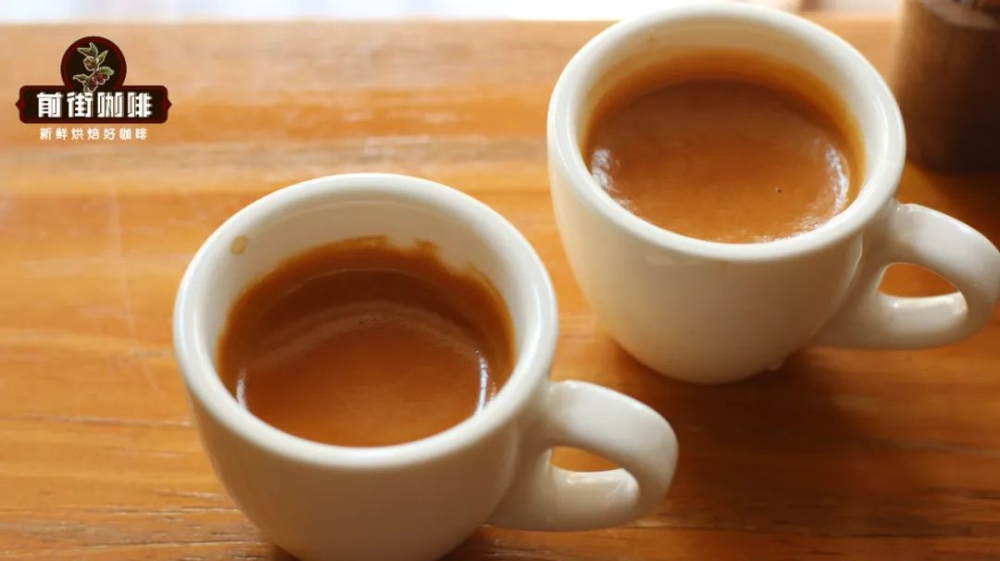
Left: pre-infusion; right: constant pressure extraction.
Direct extraction without pre-infusion: 20g of grounds, the first espresso drop at 6 seconds, liquid weight 38g, total time 27 seconds, with relatively rapid flow in the later stages.
Espresso: fluffy, slightly rough crema, balanced mouthfeel, aroma dominated by nuts with citrus acidity and vanilla, and a hint of caramel in the aftertaste.
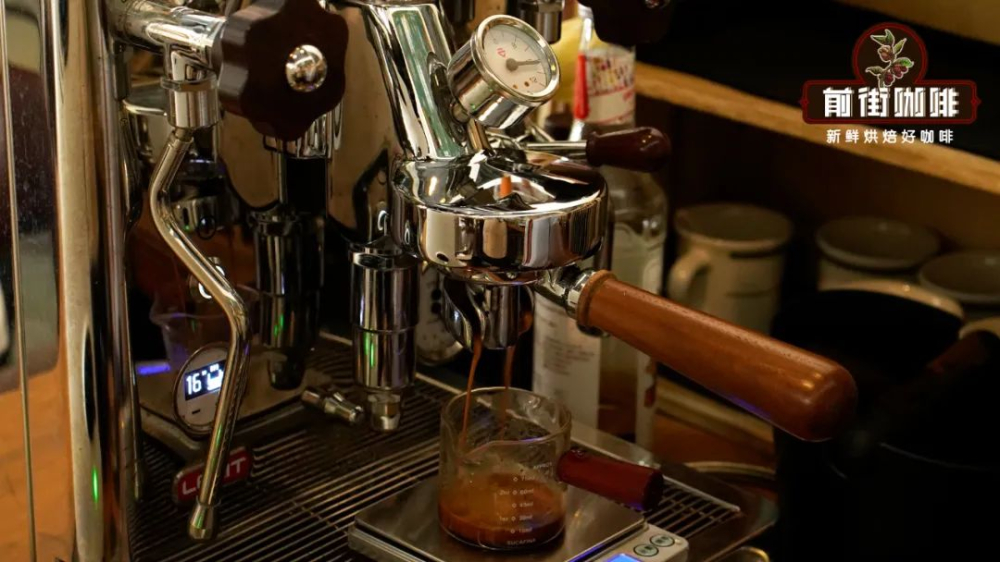
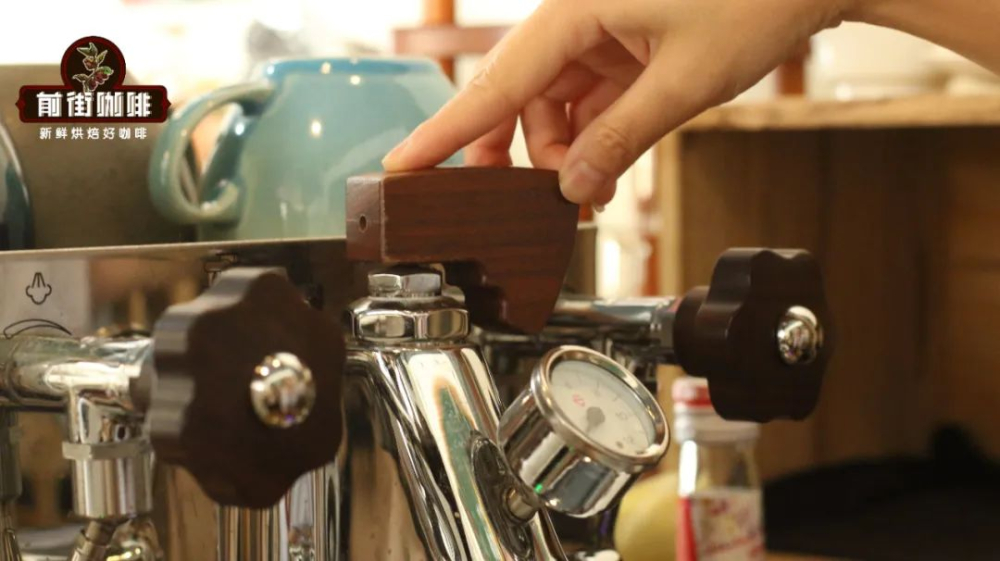
Extraction with pre-infusion: 20g of grounds, low-pressure water output for 15 seconds (lever moved to the leftmost position, aligned with the portafilter), coffee drops began at 8 seconds, pressure increased to 11 bar at 16 seconds (lever moved to the rightmost position at 90 degrees), 38g of liquid extracted, total time 34 seconds, with smooth flow throughout.
Espresso: dense, fine crema, with distinct aromas of whiskey and chocolate biscuits. The acidity is light and uplifting, similar to cherries and berries, with a preserved-fruit-like sweetness in the mouth after swallowing, showing rich layers. Even drunk straight as espresso, it is very approachable.

FrontStreet Coffee Recommendation
Pre-infusion is all about giving the puck a gentler start, so it tends to reward beans that already perform well under pressure. FrontStreet's Brazil Queen's Farm is a dependable espresso base: acidity is low and the cup is very balanced, with rich nut and cocoa aromas and a clear caramel sweetness, smooth and never astringent. It works just as well for pour-over, espresso, or a moka pot, which makes it easy to compare how a soft pre-infusion changes the shot.
If you like a heavier, more old-school profile, FrontStreet's PWN Indonesian Golden Mandheling is a natural fit for espresso. It is deep-roasted with very low acidity and a rich, lingering body, offering herbal and dark chocolate aromas with a faint earthy note, which suits drinkers who prefer bold flavor and little acidity.
Important Notice :
FrontStreet Coffee is a long-established specialty coffee roaster in Guangzhou China, selling freshly roasted beans from its own farm in Yunnan as well as dozens of carefully selected single-origin beans from around the world for both pour-over and espresso. The products deliver consistently excellent quality and great value, with shipping within 24 hours. Guangzhou's FrontStreet Coffee shop is recommended by many coffee lovers, and the beans are now available online at the Tmall 。
FrontStreet Coffee has moved to a new address:
FrontStreet Coffee Address: 315,Donghua East Road,GuangZhou
Tel:020 38364473
 Scan and follow the En Gafei WeChat official account. Please indicate that the reprint comes from "En Gafei".