Why Does Mentioning Panama Coffee Always Make Us Think of Geisha?
Why Does Panama Coffee Always Make Us Think of Geisha?

Whenever FrontStreet Coffee talks Geisha with guests, Panama is the first place they think of — and some assume outright that "Panama coffee" means Geisha. Why?
Plenty of regions grow excellent Geisha besides Panama: Ethiopia, Costa Rica, Colombia, Guatemala, each with its own flavor profile. So why is Panama's still treated as the benchmark? Here FrontStreet Coffee shares the story of Panama Geisha.
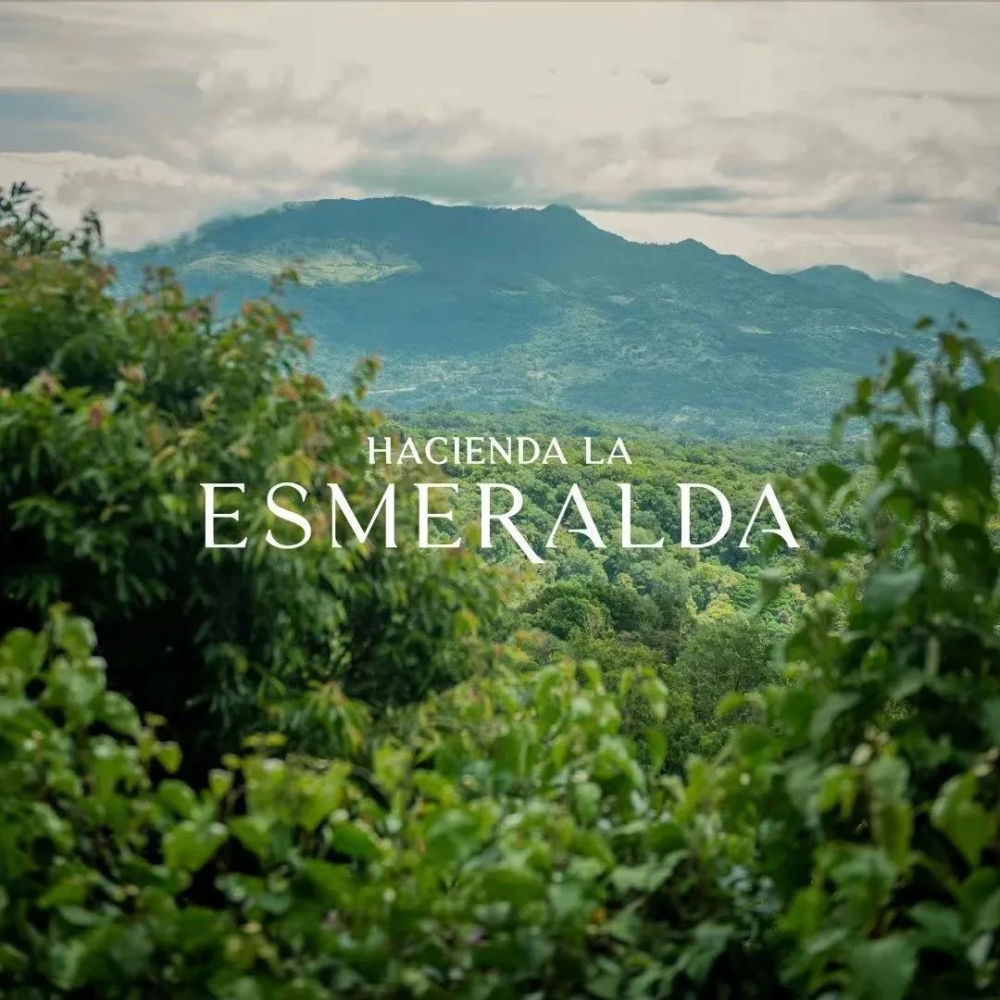
The Allure of Geisha
Before it became famous, Geisha drew little interest from growers. The tree is tall and slender, disease resistance is poor, yields are low, and planted at lower altitudes the flavor is mediocre. That changed in 2004, when Geisha stepped onto the international stage at the Best of Panama (BOP) competition and showed delicate jasmine florals and deep fruit aromas that stunned the judges. It earned unprecedented scores and won the championship that year. Since then the price of Geisha has repeatedly hit new highs, and its reputation has spread across the global coffee community.
What wins drinkers over is that Geisha runs against the traditional image of rich, bold black coffee. It drinks more like a refreshing cup of floral fruit tea. Its intense fragrance and complex fruit flavors unfold into one extraordinary aroma after another, and as the temperature drops you taste a delicate texture and sweet-tart fruitiness filling the palate. That performance is enough for many enthusiasts to call it the pinnacle. And the reason Geisha reached such heights comes down to its "discoverer," Hacienda La Esmeralda.
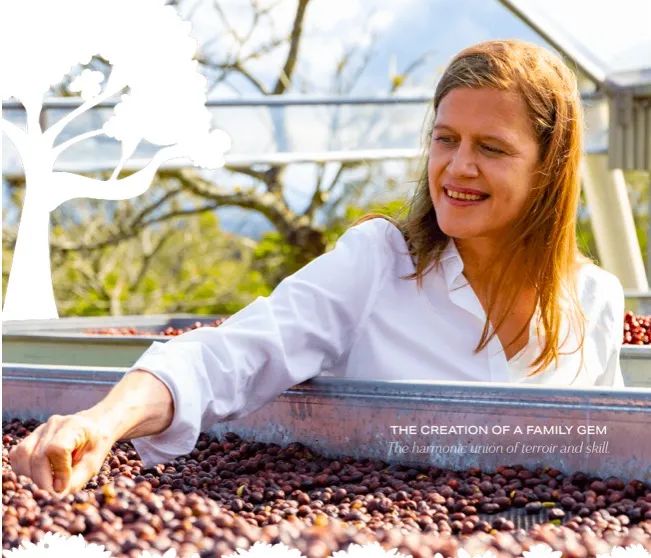
How Hacienda La Esmeralda "Discovered" Geisha
Like many Arabica varieties, Geisha originates from Ethiopia, coffee's birthplace. In 1931 it was first collected from the wild Kaffa forest in southern Ethiopia, in a search for new disease-resistant varieties, and named after the nearby Geisha Mountain. It was later sent to research institutes in Kenya, Uganda, and Tanzania for trial planting. In 1953 the variety reached CATIE (the Tropical Agricultural Research and Higher Education Center) in Costa Rica, where it was recorded as "T2722." It was planted on several local farms, but its brittle branches and low yield kept it from winning farmers over, and it was never widely cultivated.
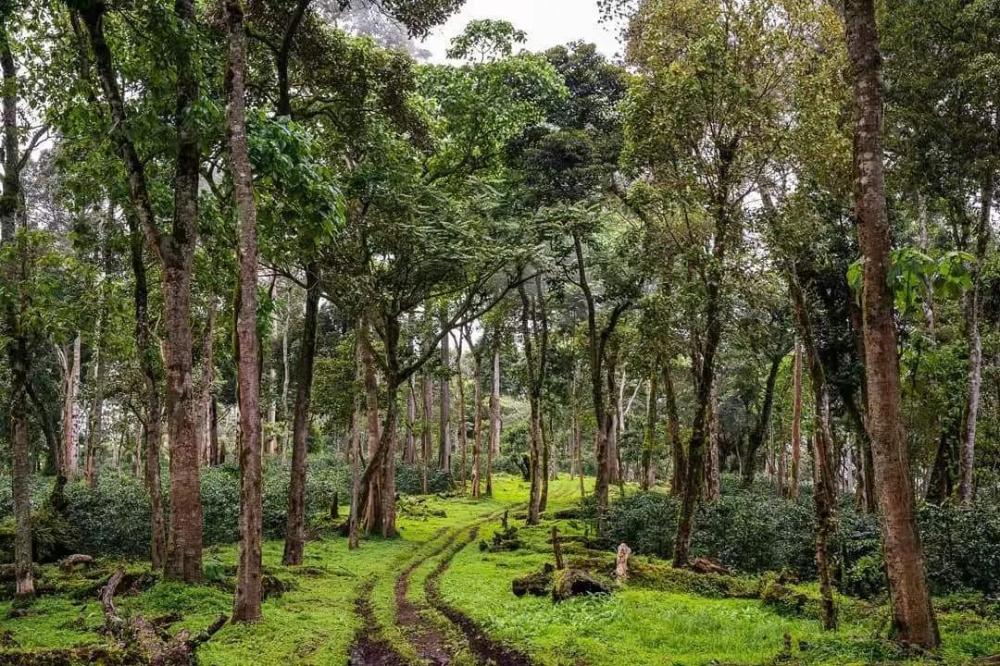
From the 1960s, CATIE distributed T2722 Geisha to Panamanian coffee farmers, and Geisha began its real journey into Panama's fertile land. In the 1990s the Peterson family, owners of Hacienda La Esmeralda, turned their focus to coffee production and acquired a new high-altitude farm, Jaramillo. Many trees on the farm were hit by leaf rust, but Daniel Peterson noticed that the Geisha trees were not badly damaged. They decided to transplant the Geisha — until then mixed in with other varieties — into more areas of the farm while raising its planting altitude.
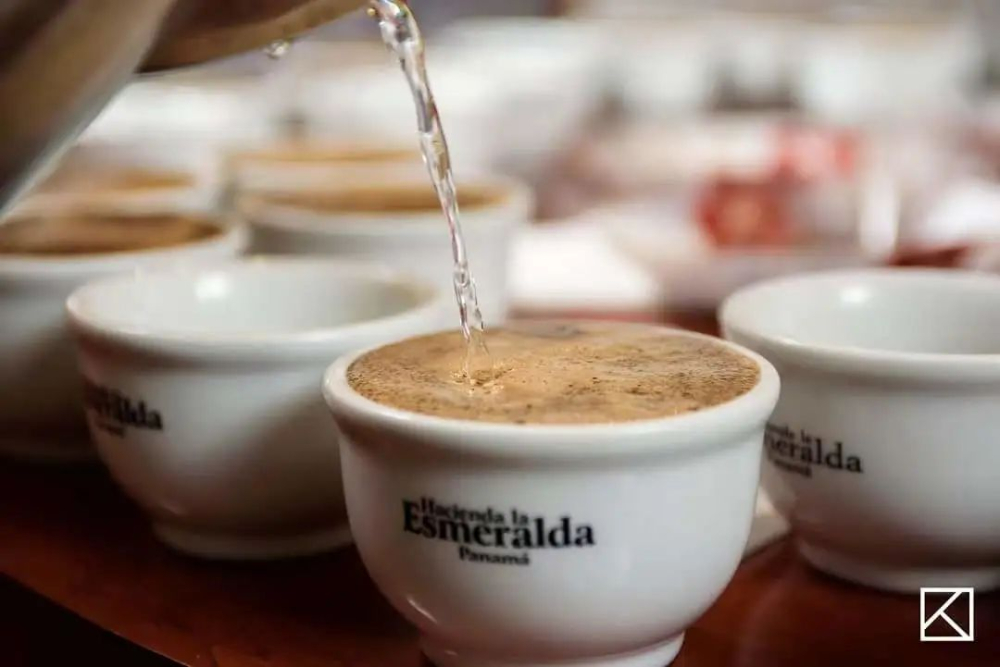
In 2003 the Peterson family finally recognized Geisha's potential. When they cupped it for the first time, it showed intense white florals, an extremely clean taste, and berry, citrus, and bergamot-like aftertaste — the very profile that defines Panama Geisha today. Astonished, they entered it in the 2004 BOP (Best of Panama) competition under the name "Geisha." The stunning Panama Geisha coffee we know today is that same T2722 variety.
Why Panama's Geisha Is the Most Famous
Coffee is an agricultural product, and flavor is shaped not only by variety but by terroir, post-harvest processing, roasting, and brewing — all of which leave their mark. In other words, planting the same Geisha variety as Hacienda La Esmeralda does not guarantee the same citrusy, honey-like sweetness.
Panama's coffee regions are concentrated in the western highlands of the Boquete Valley and the Volcán Barú area around Volcán, including Hacienda La Esmeralda and familiar names such as Elida Estate, Finca Jenna, and Hartmann Estate.
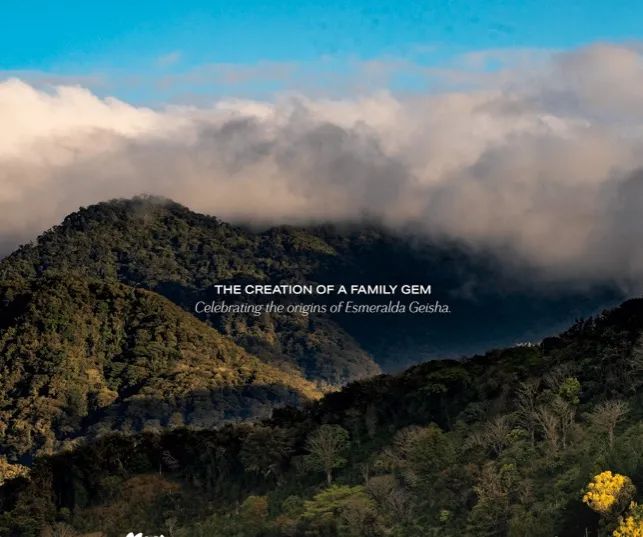
Take Boquete, where Hacienda La Esmeralda sits. It is a small town in Chiriquí Province, on a plateau roughly 1,000 to 2,000 meters up on the eastern side of Volcán Barú. Facing the warm, humid monsoon from the Caribbean Sea and backed by the cold Atlantic current, the mountains are high and steep. Volcán Barú National Park is an ecological conservation area of rich biodiversity with seven microclimates, and between the year-round mist and abundant rainfall, the local growing conditions are excellent. Thanks to this terroir, Geisha here absorbs a range of influences and transforms them into elegant floral and fruit notes with layered acidity, which is why it appears so often in major competitions and places so well.
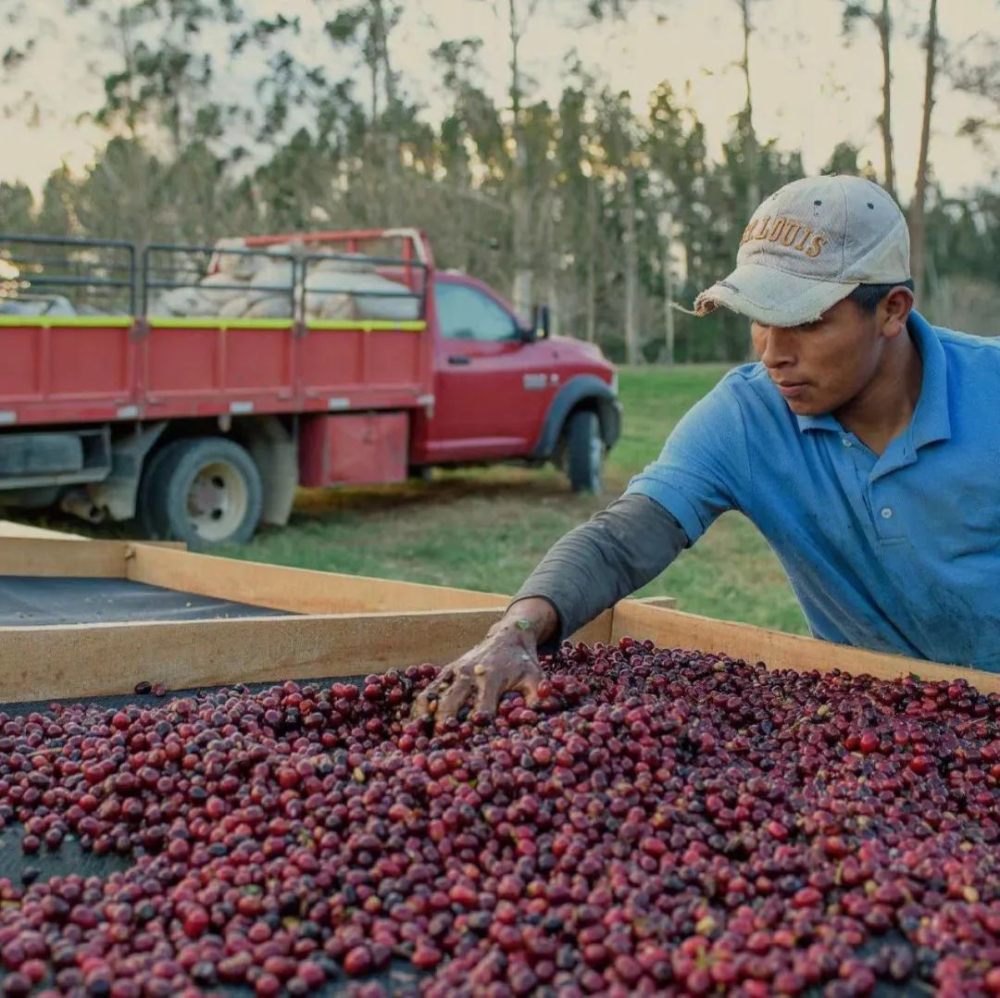
FrontStreet Coffee believes that beyond natural factors, Geisha's flavor and its popularity are inseparable from the quiet dedication of Panamanian growers. Compared with other producing regions, Panama's estates have more experience with the variety: selecting cherry quality, refining and differentiating processing methods, and sorting out defects after harvest. Under that careful management, the Geisha they produce is naturally higher in quality.
So if you are curious about this legendary variety and want to taste "the legendary Geisha flavor," FrontStreet Coffee suggests starting with Panama, the region where Geisha first became famous.

FrontStreet Coffee Recommendation
For a first encounter with Panama Geisha, FrontStreet Boquete Geisha is an entry-level Geisha from the country's most representative specialty region. Genetically pure and washed, it delivers the classic Geisha orange-blossom honey character at a price that lets you brew it however you like.
When you want the estate level, Hacienda La Esmeralda's Geisha comes in two tiers. FrontStreet Esmeralda Red Label Geisha is the estate's highest grade outside the auction lots, cupping above 90 points per batch and drawn entirely from a single small plot, so buyers can choose by subtle flavor preference. FrontStreet Esmeralda Green Label Geisha blends Geisha from several plots across the estate's farms, emphasizing the signature high-altitude Geisha flavor, and offers noticeably better value.
For the other side of Geisha's story, look to Ethiopia, its birthplace. FrontStreet Grana Estate Geisha comes from a processing station at the border of Ethiopia's Kochere and Grana Abaya regions, established in 2014 and run by Mr. Israel Degefa, with 700 hectares planted and most of the surrounding land still uncultivated, fertile soil, and shade trees throughout. Hand-picked ripe cherries are dried on raised beds for 14 to 20 days depending on the weather; roasted medium-light, the cup shows bright citrus acidity, elegant ginger flower, ripe-fruit sweetness, and a delicate, silky texture with a refined Geisha finish.
Brewing Geisha takes some care, since the beans are dense and tend to sink and clog the drain hole. FrontStreet Coffee recommends grinding to about 78% passing a Chinese-standard #20 sieve (roughly fine-sugar size) and using water at 91°C, with 15 g of coffee, a small Hario V60, and a 1:16 ratio.
Important Notice :
FrontStreet Coffee is a long-established specialty coffee roaster in Guangzhou China, selling freshly roasted beans from its own farm in Yunnan as well as dozens of carefully selected single-origin beans from around the world for both pour-over and espresso. The products deliver consistently excellent quality and great value, with shipping within 24 hours. Guangzhou's FrontStreet Coffee shop is recommended by many coffee lovers, and the beans are now available online at the Tmall 。
FrontStreet Coffee has moved to a new address:
FrontStreet Coffee Address: 315,Donghua East Road,GuangZhou
Tel:020 38364473
 Scan and follow the En Gafei WeChat official account. Please indicate that the reprint comes from "En Gafei".