
Is SOE Usually Sour? What Does It Mean? Is It Single-Origin Coffee, and What's the Difference from Espresso Blends?

What is SOE, and how does it differ from a blend?
Early on, the concepts of "blend" and "SOE" did not really exist in espresso. People were simply using what we would now call SOE. With inconvenient transport and underdeveloped information networks, they had no choice but to use locally grown varieties as their espresso beans. Because bean quality drew little attention back then, the resulting coffee was unrefined and showed obvious flavor flaws. Only after wars spurred international trade did blends come into being.

Blend espresso vs. single origin espresso
Blend espresso uses two or more different beans. Coffee from different origins and varieties brings different flavors, and mixing them in certain proportions lets us highlight, enhance and balance the resulting shot so the coffee tastes better. Many commercial blends, for instance, include Robusta beans, perhaps for their rich crema or to reduce cost. Other beans are then needed to suppress Robusta's unpleasant flavors, which is how a balanced espresso blend is built.
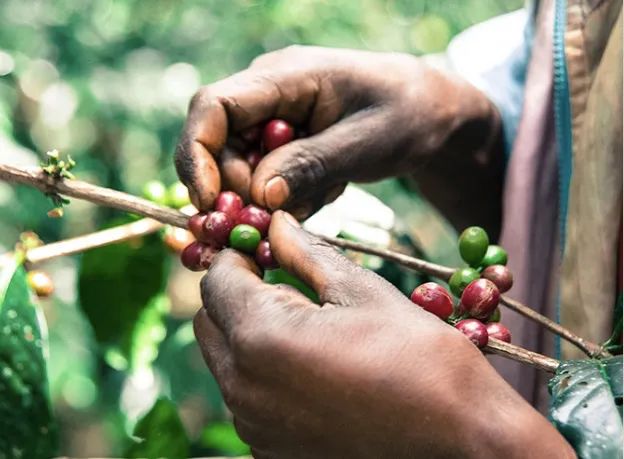
SOE coffee, short for "Single Origin Espresso," is espresso extracted from beans of a single origin. This approach maximizes the expression of the unique flavors formed by growing environment, soil and climate.
The arrival of SOE
Specialty coffee sits at the core of the third wave. This wave emphasizes not only bean quality but also the importance of presenting unique and excellent flavors. Single origin coffee, with its powerful expressive capacity, embodies that core, which led to the emergence of countless single origin coffees, with pour-over leading the charge.
As the specialty coffee wave spread over time, it penetrated the heart of the second wave: the domain of espresso. And so SOE took the stage.
SOE's emergence and rise to prominence
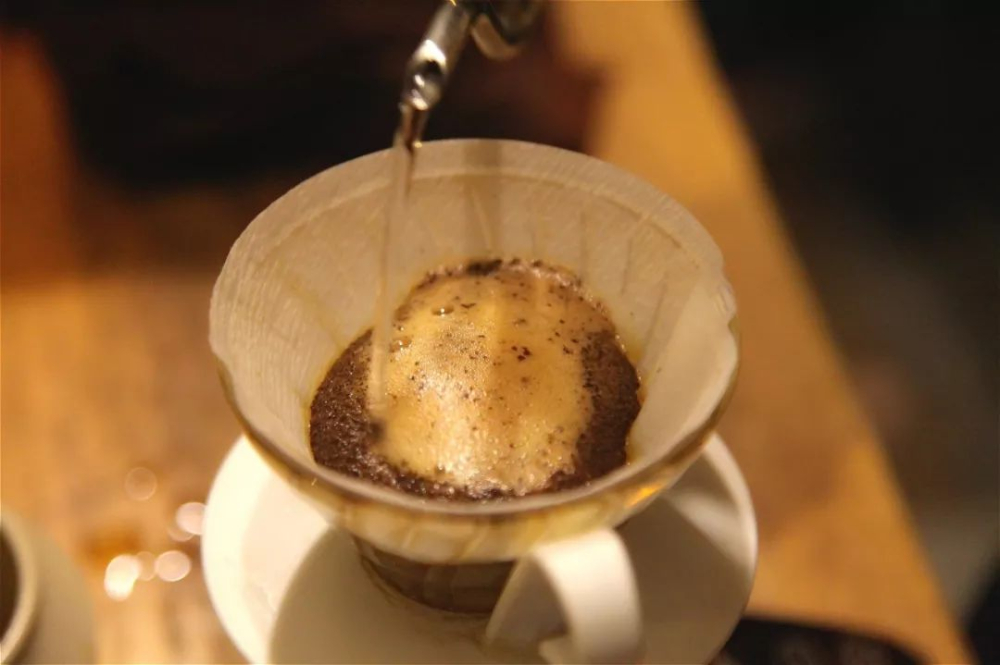
The traditional espresso world had always used blended beans. Baristas of the time pondered and researched constantly in the field of blending, racking their brains to create a unique blend formula. Then, at the 2007 World Barista Championship (WBC), James Hoffmann led SOE to burst onto the scene and took the championship title. In an instant, everyone's perspective was overturned: single origin beans could actually be used to make espresso, and the taste was excellent. This gave people a completely new understanding of beans for espresso. As long as the beans were outstanding enough, a unique, good cup could be obtained without a complex espresso formula.

Getting to the point: why are most SOEs acidic?
Different beans express different flavors. There are light-to-medium roasted SOEs like "Flower Queen" that are rich in floral and fruity notes, and deep-roasted ones like Mandheling that lean on dark chocolate and spice. But when a shop already has a rich, caramel-like traditional dark roast blend and decides to add an SOE, it will think from the customer's perspective and look to diversify, so it selects light-to-medium roasted beans with a different flavor profile. Light-to-medium roasting lets beans retain more acidity than dark roasting, making the taste sweeter and more aromatic. That is why most SOEs are acidic.

FrontStreet Coffee Recommendation
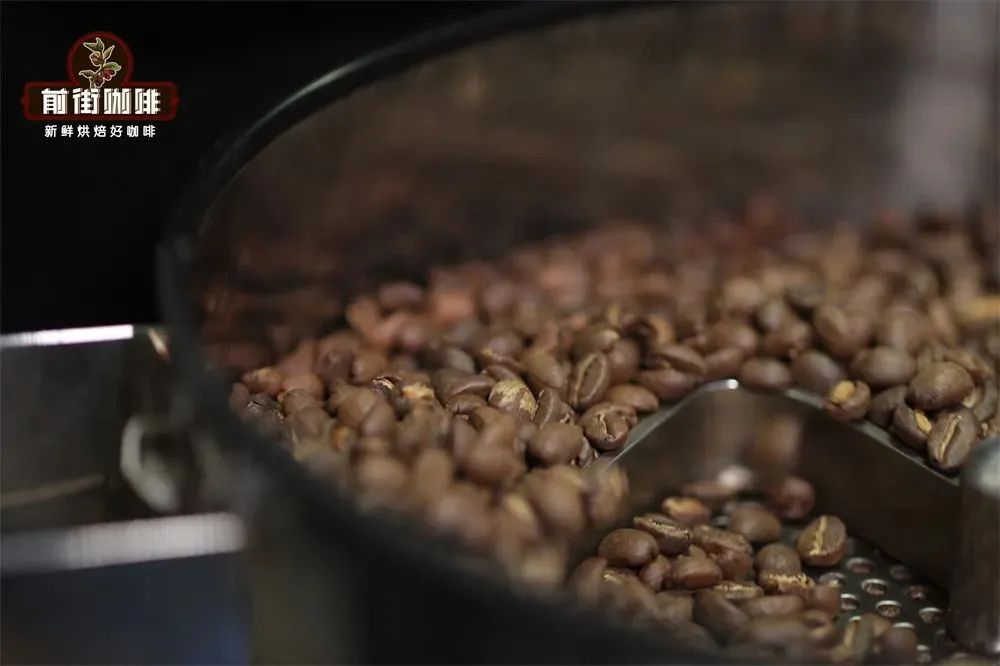
For anyone who wants to try SOE without losing the varietal character, FrontStreet Huakui SOE is an easy starting point. Roasted to a medium level, it pulls as red berries, soft florals and orange, with citrus on the crema, a clean body and an elegant aroma that works beautifully as an SOE americano or white coffee.
If you would rather explore something more floral, FrontStreet Grana Geisha SOE is a native Ethiopian Geisha from a sun-dried lot, showing bright berry acidity and ripe plum fermentation that turns into yellow peach, guava and black tea when combined with milk. For a rounder, sweeter shot, FrontStreet Queen Estate SOE from Brazil delivers nuts, cream and peanut, with a richly sweet chocolate finish and generous crema that stands up well in milk drinks.
Important Notice :
FrontStreet Coffee is a long-established specialty coffee roaster in Guangzhou China, selling freshly roasted beans from its own farm in Yunnan as well as dozens of carefully selected single-origin beans from around the world for both pour-over and espresso. The products deliver consistently excellent quality and great value, with shipping within 24 hours. Guangzhou's FrontStreet Coffee shop is recommended by many coffee lovers, and the beans are now available online at the Tmall 。
FrontStreet Coffee has moved to a new address:
FrontStreet Coffee Address: 315,Donghua East Road,GuangZhou
Tel:020 38364473
 Scan and follow the En Gafei WeChat official account. Please indicate that the reprint comes from "En Gafei".

