Why Do Washed Coffee Beans Taste More Acidity? Flavor Characteristics of Washed Process Coffee

Have you ever seen this in a coffee shop? A taster is given no information about the beans, yet after a single sip guesses the processing method: "This has to be washed, right?"
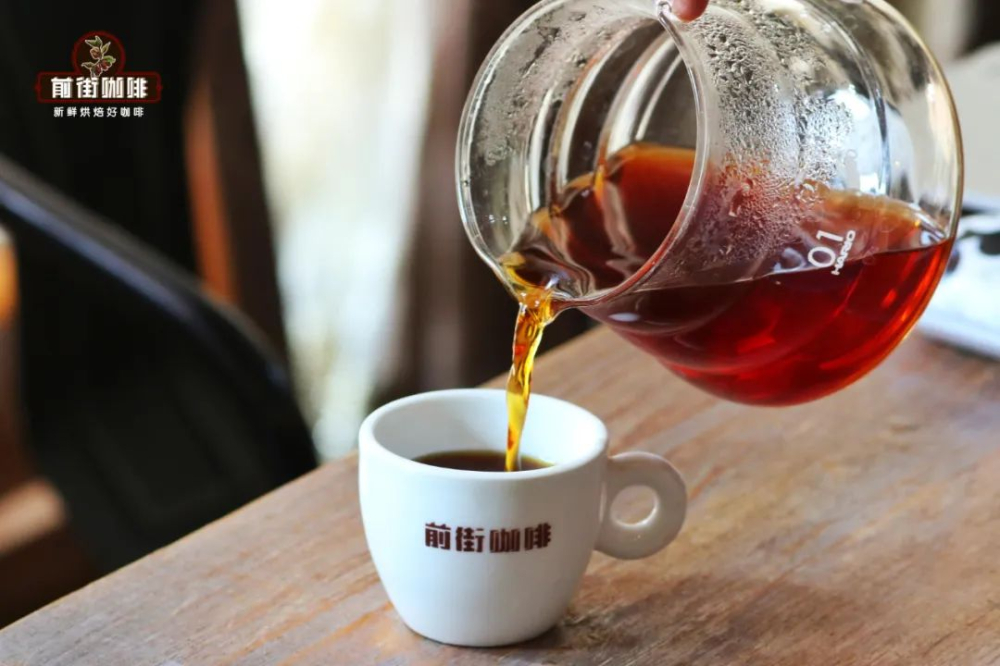
That is because washed coffee typically shows a distinct cleanliness and a clear mouthfeel. Roasted light to medium, it often carries a bright, more intense fruit acidity reminiscent of fruits you have tasted before, such as green tangerines or lemons. So when we select beans, if we enjoy acidity we tend to choose from the washed range first.
What gives washed coffee beans these flavors?
Before discussing processing methods, it helps to understand the structure of the coffee cherry.
Processing method = coffee cherry to green coffee bean
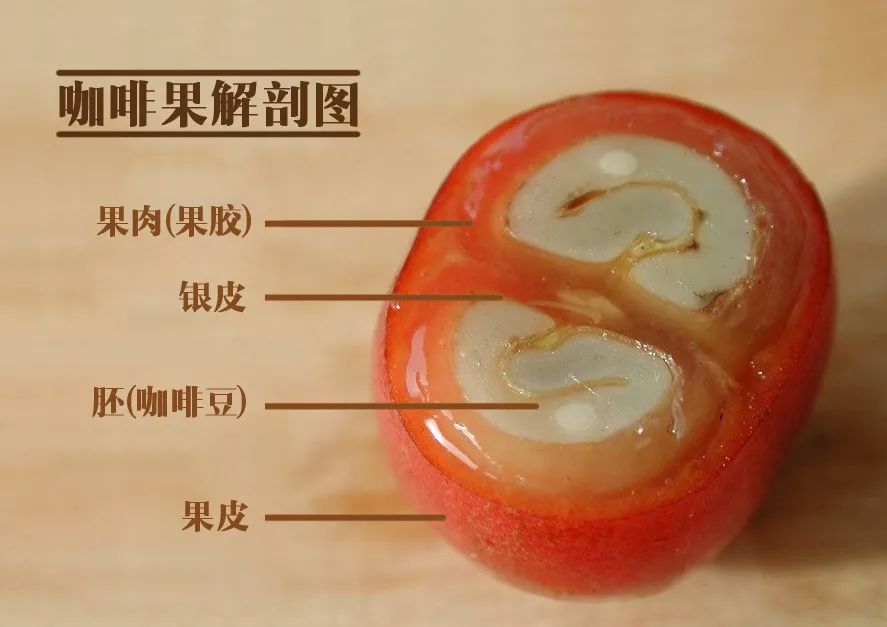
If you cut a harvested coffee cherry in half horizontally, you can see, from outside in: the skin, the pulp, the mucilage layer, the parchment, the silver skin and finally the seed, which is the coffee bean. So-called processing is simply the process of extracting that inner seed from the ripe fruit.
In the beginning there were only two ways to process coffee: the "wet" process and the "dry" process. The dry process is also called natural processing, where whole coffee cherries are dried in the sun and the seeds are finally obtained by crushing and hulling, which is simple and convenient. The wet process, also called washed processing, broadly refers to what we know as the washed method.
How are coffee beans washed?
Put simply, harvested cherries undergo flotation washing to remove impurities such as branches, leaves and defective fruit. They are then poured into a machine for pulping, which leaves the pulp and a tiny bit of mucilage behind. At this point the beans, stripped of their outer coating, are still covered in mucilage and feel slippery to the touch.
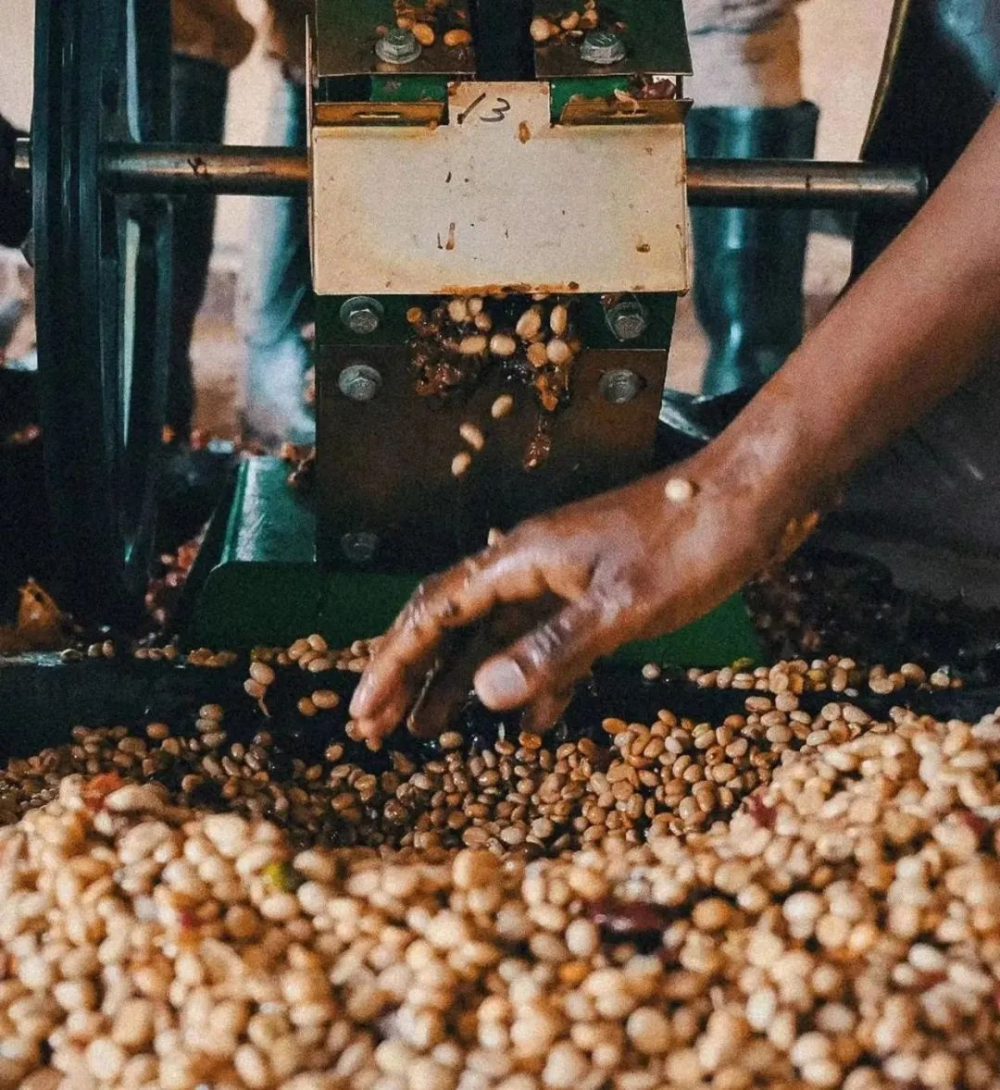
Next, the beans are poured into fermentation tanks and left to rest overnight or longer, undergoing anaerobic or aerobic fermentation. The goal is to let microorganisms ferment and break down the mucilage on the outer shell. Once fermentation is complete, the beans are washed with clean water to remove the mucilage. Finally, the clean parchment beans are dried in the sun or in an oven until moisture content falls to 11% to 13%.
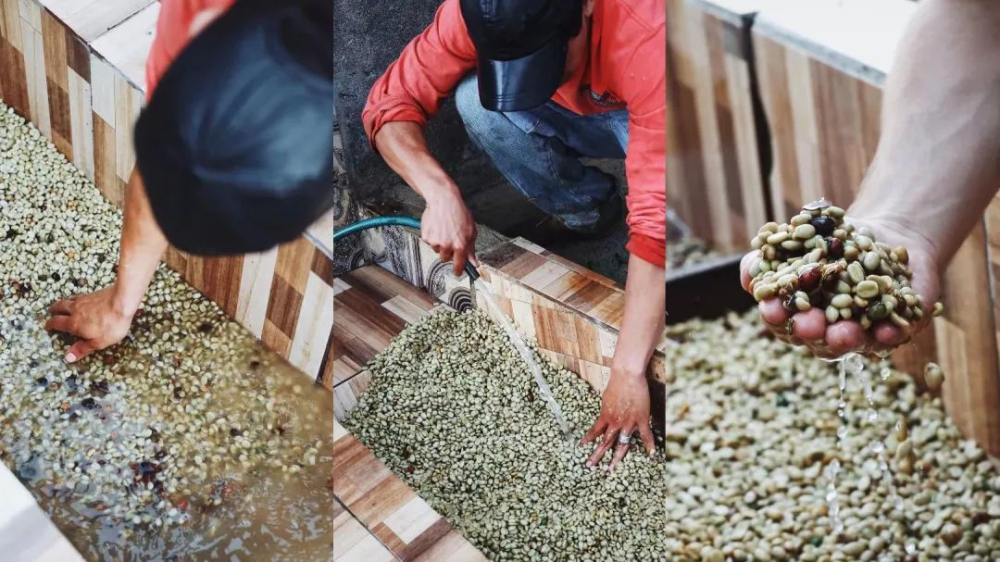
Because pulp and mucilage are removed before drying, moisture content drops significantly and drying time is greatly shortened compared with natural processing. That reduces dependence on the weather and improves processing efficiency. From the producer's point of view, washed beans perform more consistently, and the short drying time suits producing large volumes of good-quality coffee.
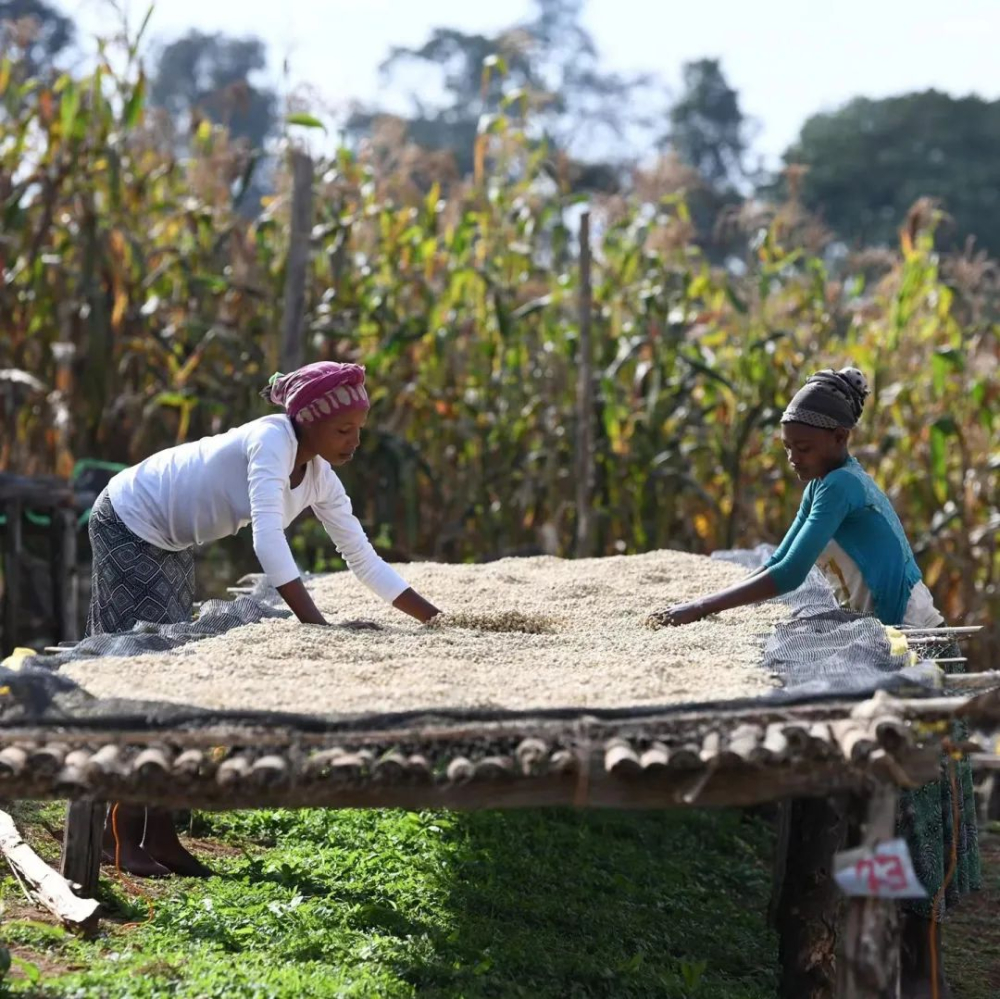
Why are washed coffee beans more acidic?
Whatever the processing method, green beans undergo some degree of fermentation, in which microorganisms convert sugars and organic substances inside the bean into other compounds and metabolize them into alcohol and carbon dioxide. Aerobically fermented beans have more sugars converted into gases and produce a range of organic acids. The wet fermentation used in traditional washed processing, carried out with water, counts as semi-aerobic fermentation.
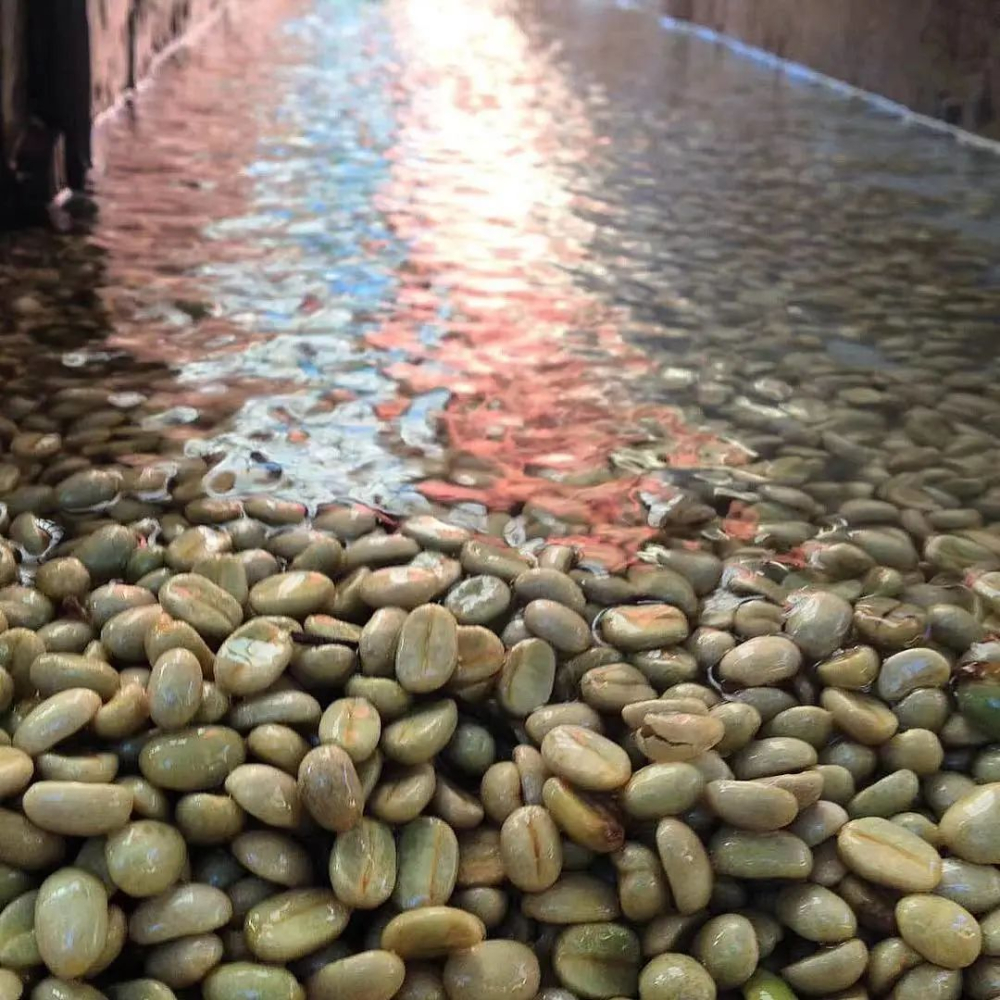
When we talk about this wet fermentation, we have to mention the Kenyan washed method, which takes it to the extreme. Coffee processed the Kenyan way ferments for 24 hours each time. After fermentation it is washed clean, then the water is changed for repeated soaking, cycling three times for exactly 72 hours of fermentation in total. In a semi-aerobic environment, the parchment beans ferment to produce richer organic acids, such as citric acid and acetic acid, acids that easily stimulate the taste buds. When a lighter roast preserves most of those quality fruit acids, the brewed coffee shows stronger berry-like acidity with a clean, full mouthfeel.

FrontStreet Coffee Recommendation
Washed processing is the clearest way to taste a coffee's own character, and FrontStreet Yirgacheffe Gududu is a textbook example. Produced by a co-op with mature processing experience, this washed Ethiopian bean shows jasmine and bright citrus acidity, and a medium-light roast brings out green tea and honey alongside it, making it versatile for pour-over, cold brew and espresso.
If you want that juicy, mouth-filling acidity taken further, FrontStreet Kenya Cherry Tomato relies on Kenya's signature double washed process to build layered notes of cherry tomato, dark plum, snow pear and black plum with a yellow-sugar sweetness. For a softer, more balanced washed cup, FrontStreet Jamaica Blue Mountain No.1 presents hazelnut, cream, chocolate and caramel with an even, rounded structure.
Important Notice :
FrontStreet Coffee is a long-established specialty coffee roaster in Guangzhou China, selling freshly roasted beans from its own farm in Yunnan as well as dozens of carefully selected single-origin beans from around the world for both pour-over and espresso. The products deliver consistently excellent quality and great value, with shipping within 24 hours. Guangzhou's FrontStreet Coffee shop is recommended by many coffee lovers, and the beans are now available online at the Tmall 。
FrontStreet Coffee has moved to a new address:
FrontStreet Coffee Address: 315,Donghua East Road,GuangZhou
Tel:020 38364473
 Scan and follow the En Gafei WeChat official account. Please indicate that the reprint comes from "En Gafei".