
Why Use Different Temperatures for Pour-Over Coffee? An Introduction to Variable Temperature Brewing Techniques

The latest world-class brewing championship has wrapped up, and FrontStreet Coffee noticed that many competitors used variable temperature brewing. Naturally, some wonder: same beans, same technique, only the water temperature changed — how does the flavor transform so dramatically? Today we're exploring variable temperature brewing together.
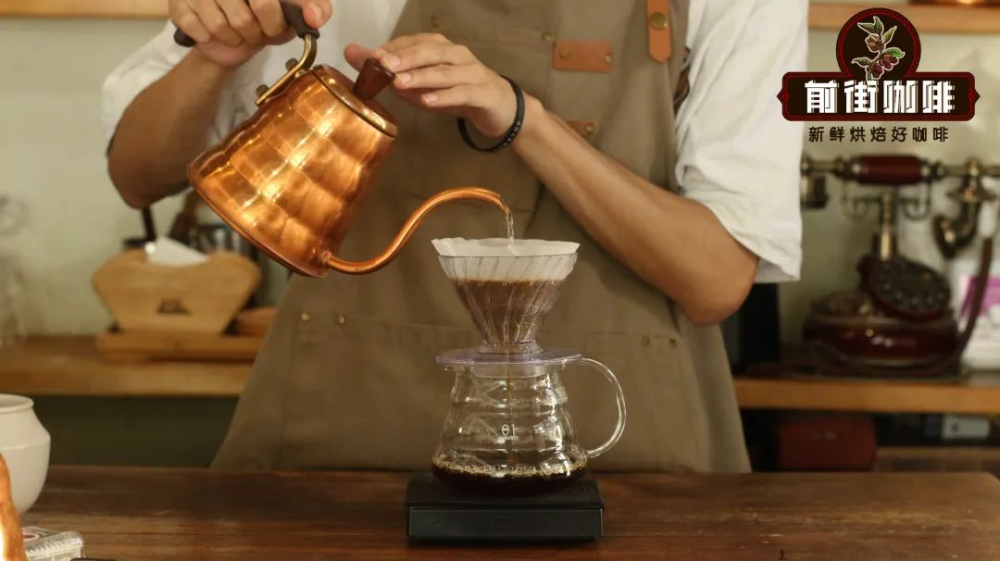
Brewing Plan
15g of coffee, coffee-to-water ratio 1:15, three-stage pours of 30ml, 120ml, and 90ml. First up: a standard constant-temperature three-stage brew as the baseline. The next two brews apply variable temperature adjustments.
For the first variable temperature brew, we wanted to spotlight the coffee's fruit character. So we raised the water temperature by 2 degrees to hold the extraction rate through the early and middle stages, then dropped to a lower temperature for the final stage to slow extraction and keep undesirable compounds out — a stepped variable temperature profile.
For the second, we wanted a softer cup. That meant lowering the water temperature during the bloom to cut the acidity released up front, making the second stage the main extraction. So: high temperature for stage two, then back down to a low temperature with immersion for the final stage — like brew #1 — to avoid pulling out the unpleasant compounds.

The high temperature should extract more than conventional brewing. Where a standard brew uses 92°C, we went 2°C hotter. The low temperature was 85°C (FrontStreet Coffee has tested that light to medium roast beans end up under-extracted below 85°C).
Beginning the Experiment
Preparation: several pour-over kettles, several thermometers (skip these if you have temperature-controlled kettles), coffee beans, a V60 dripper, and — less critically — a coffee measuring instrument (TDS) to verify the extraction rates of the variable temperature brews.
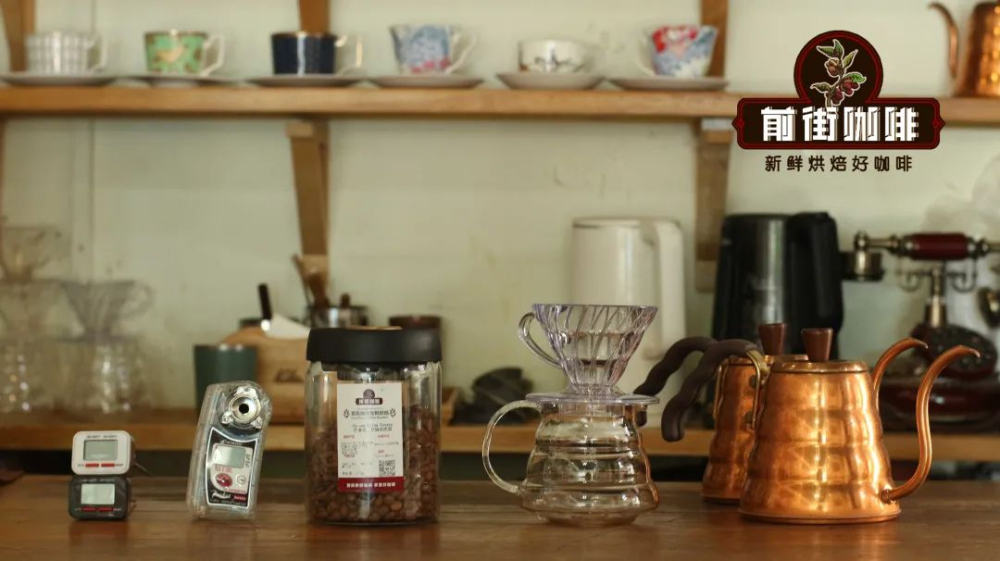
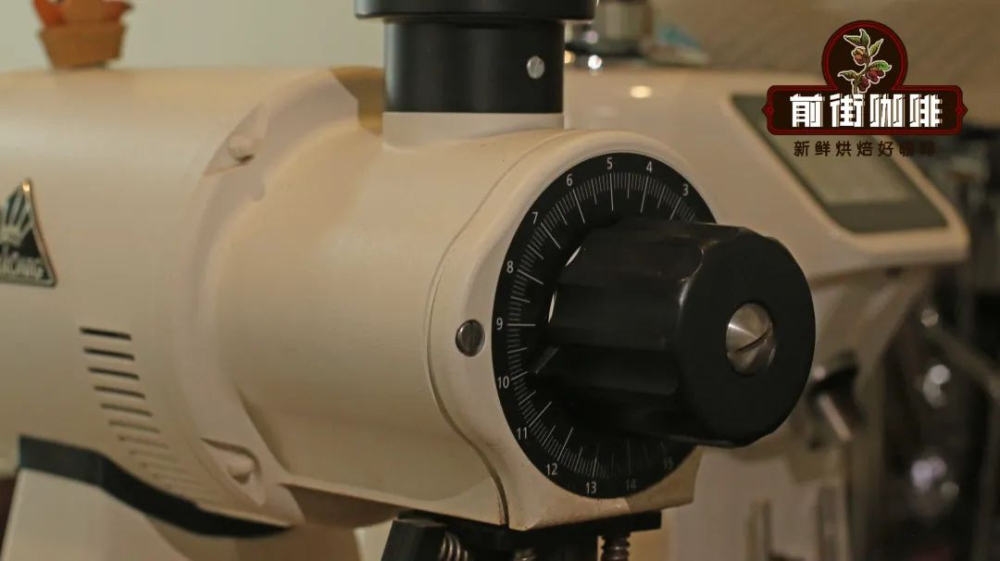
Beans: a light-to-medium roast Panama Elida Typica, chosen for its rich florals and fruit, which make flavor differences easy to identify. Grind: medium-fine, 80% passing through a Chinese #20 sieve (on the shop's EK43s, a grind setting of 10).
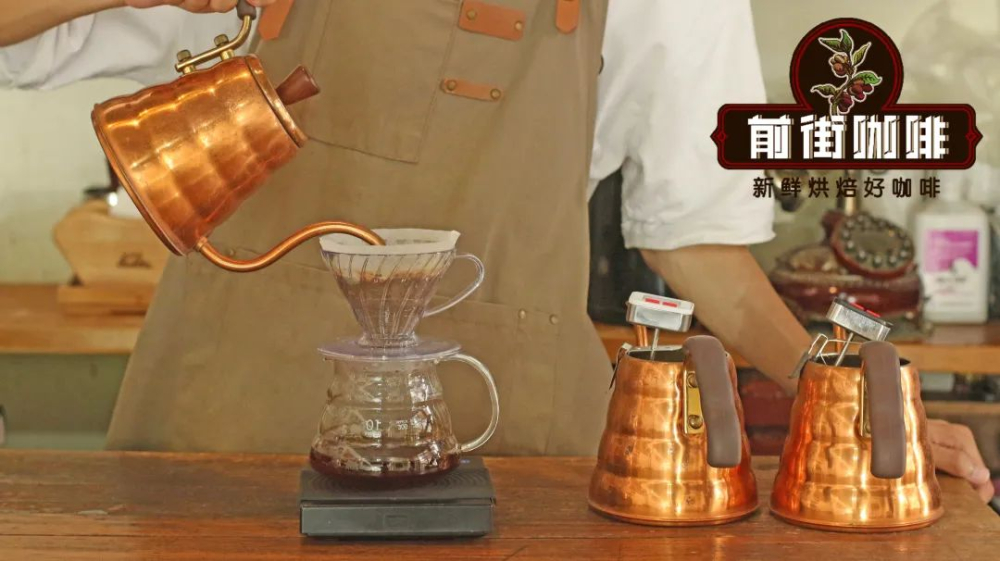
Experiment Begins
(Since the goal is to compare what different variable temperatures produce from the same beans, we'll spare you the blow-by-blow of the brews themselves.)
Measurement Results
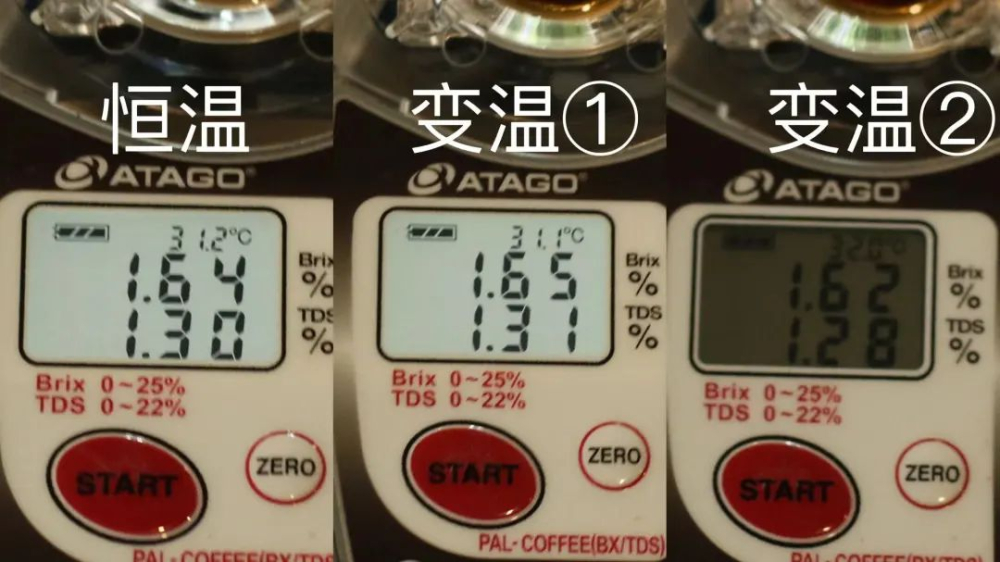
After brewing, we measured the concentration of each group — the point being to confirm all three achieved reasonable extraction. None showed under-extraction, and the differences between them were small. (Formula: Concentration TDS (%) × coffee liquid weight (g) ÷ coffee grounds weight (g) = extraction rate (%).) Now, on to the tasting.
Flavor Tasting
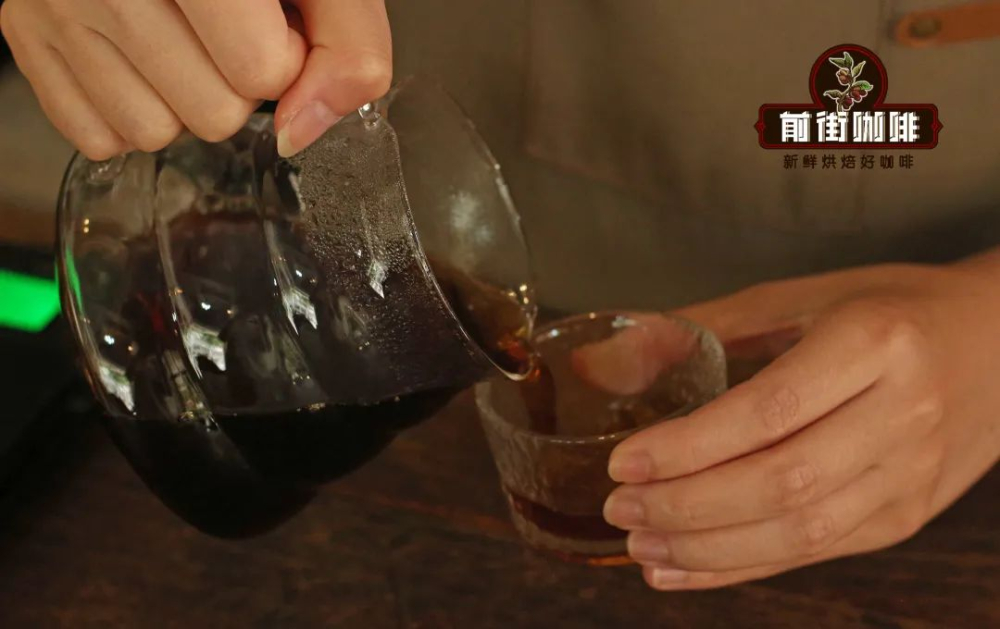
The standard constant-temperature brew first: delicate white florals, bright citrus acidity, a honey-like texture, and a tea-like aftertaste. Balanced and smooth.
Variable Temperature Brew #1 — hot early, cool at the end — showed richer tropical fruit than the baseline, with slightly softer florals. As it cooled toward medium-low temperature, the tropical fruit merged with the honeyed texture into a fuller, juice-like profile.
Variable Temperature Brew #2 — cool at both bloom and finish — came out with reduced acidity and florals slightly above the baseline: subtle peach and soft citrus sweetness with a very clean tea-like aftertaste. The whole experience resembled an elegant English fruit-and-flower tea.

Sharp-eyed readers may have noticed that although the first brew was constant temperature, its concentration actually came out lower than the second, variable temperature brew. Why?
First, even the "constant temperature" baseline experiences temperature drift. The numbers above are all measured at the start of brewing; as time passes, the water in the kettle loses heat. With 92°C water, for example, from the 92°C bloom to the third pour (about 1 minute and 20 seconds in), it had already fallen to around 89°C.
Second, water temperature is decisive for extraction, and the temperature at each stage shapes what that stage extracts. Lowering the bloom temperature markedly reduces the coffee's overall acidity; lowering the final-stage temperature slows extraction and restrains the release of certain macromolecular compounds — bitter ones in particular.
Understand this framework, and you can steer your brew toward exactly the cup you want.
- END -
FrontStreet Coffee
FrontStreet Coffee Recommendation
Variable temperature brewing shines with aromatic, floral-fruity light roasts. These FrontStreet Coffee beans are perfect candidates:
FrontStreet Ethiopia Yirgacheffe Guodingding — A washed Yirgacheffe with white jasmine florals, bright citrus and lemon acidity, and a tea-like finish. Try brew #2's cool-bloom profile on it: lower acidity up front lets the jasmine and delicate sweetness lead, for an English-tea-style cup.
FrontStreet Ethiopia Guji Huakui — Packed with tropical fruit — strawberry, passion fruit, jackfruit, lychee — with high sweetness and almost no bitterness. This one is made for brew #1's hot-start profile: push the early extraction and the tropical fruit turns into a full, juice-like glass as it cools.
FrontStreet Panama Boquete Gesha — If you loved the Panama Elida in this experiment, this entry-level Panamanian Gesha delivers the same orange-blossom honeyed aroma, oolong tea character, and layered fruit acidity at a friendlier price — an ideal bean for practicing your first variable temperature brews.
Important Notice :
FrontStreet Coffee is a long-established specialty coffee roaster in Guangzhou China, selling freshly roasted beans from its own farm in Yunnan as well as dozens of carefully selected single-origin beans from around the world for both pour-over and espresso. The products deliver consistently excellent quality and great value, with shipping within 24 hours. Guangzhou's FrontStreet Coffee shop is recommended by many coffee lovers, and the beans are now available online at the Tmall 。
FrontStreet Coffee has moved to a new address:
FrontStreet Coffee Address: 315,Donghua East Road,GuangZhou
Tel:020 38364473
 Scan and follow the En Gafei WeChat official account. Please indicate that the reprint comes from "En Gafei".

