Panama Volcan Region Hartmann Estate Coffee Flavor - Anaerobic Natural Process Hartmann Geisha Taste Characteristics
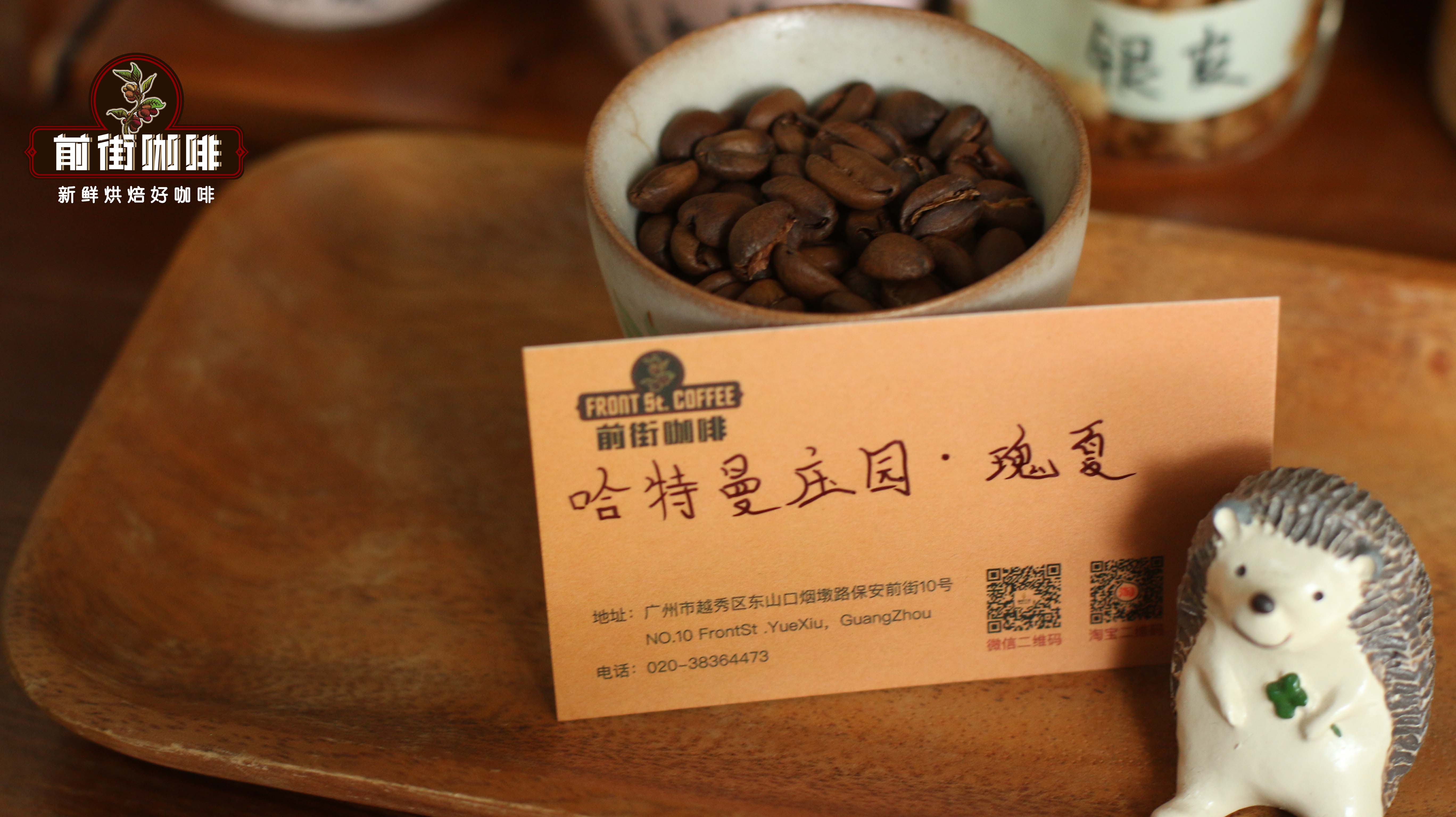
FrontStreet Coffee: Panama Hartmann Estate Geisha Coffee Beans
Country: Panama
Grade: SHG
Region: Volcán Region
Estate: Hartmann Estate
Altitude: 2100 meters
Processing Method: Anaerobic Natural
Variety: Geisha
Flavor: Bergamot, Pineapple Juice, Passion Fruit, Earl Grey Tea, Blueberry, Apricot
Volcán Region, Panama
When Panama's coffee regions come up, most people think first of Boquete. But in recent years the Volcán region - also near Volcán Barú - has produced a string of excellent estates that regularly compete in the BOP (Best of Panama) green bean competition.

The Volcán area wraps around Volcán Barú, where Atlantic sea breezes enter through gaps in the terrain, and the varied landscape creates diverse microclimates. One side may be sunny while the other enjoys rain and rainbows; one side calm while the other takes the wind. Hartmann Estate's altitude ranges from 1300-2000 meters, with one side bordering a tropical rainforest reserve and the other Costa Rica. This unique alpine microclimate is exceptionally well suited to coffee.
Historically, Volcán farmers mostly grew cash crops like fruits and vegetables, with only a handful cultivating coffee. The pioneers of coffee growing here were the Hartmann family, who enjoy enormous recognition in Panama. Volcán receives less average annual rainfall than Boquete, and its location on the western side of Volcán Barú - combined with coffee grown alongside various fruit trees - gives the coffee more intense fruity flavors, sweetness, and aroma.

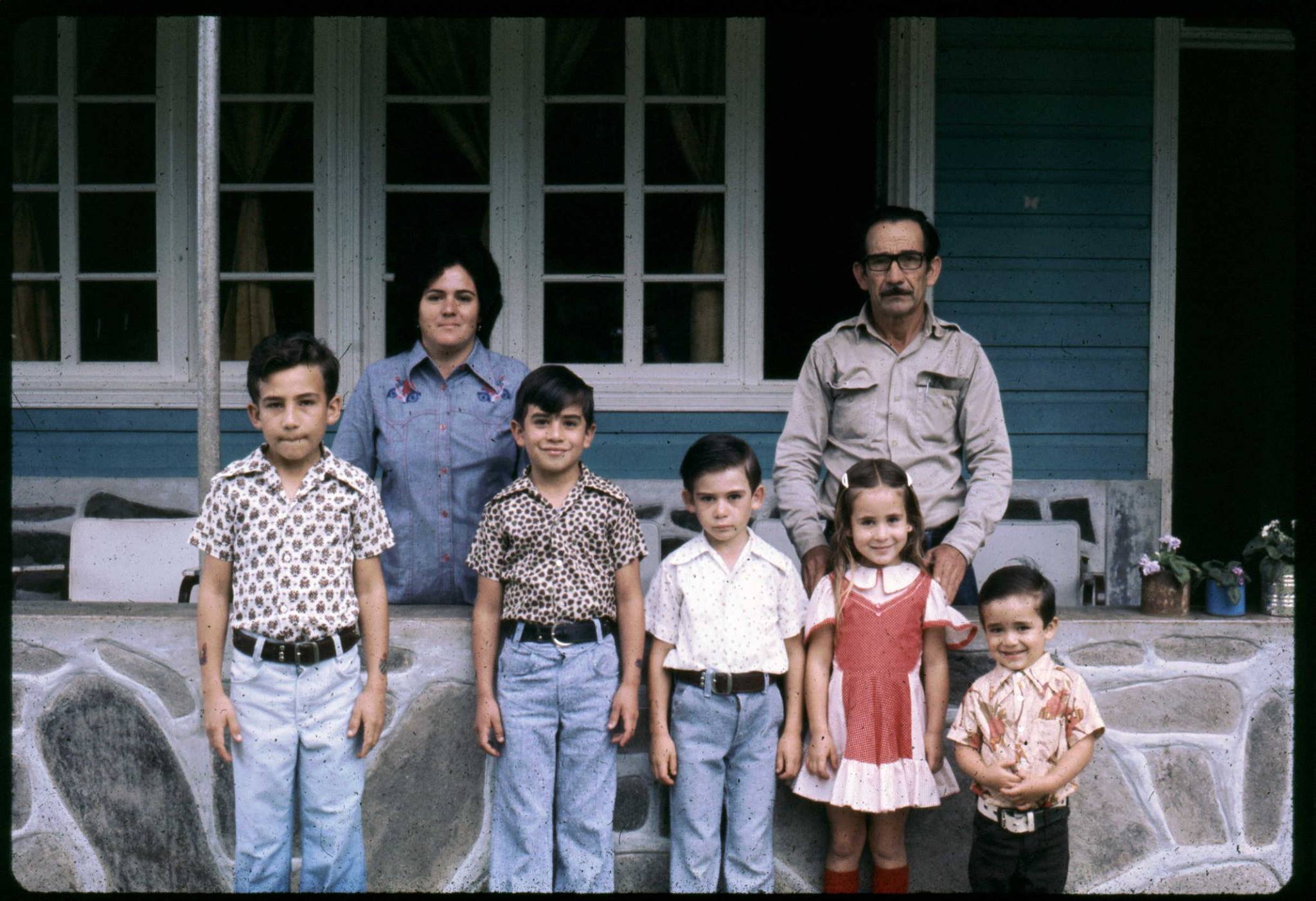
The Hartmann Family
Hartmann Estate (Finca Hartmann) was established in 1940, with the third generation - Ratibor Hartmann - at the helm today. The first generation, Alois Strasil Hartmann, first cultivated coffee in Panama's Volcán region; his son, Hartmann Troetsch, later moved cultivation to the Santa Clara area and formally founded Hartmann Estate.
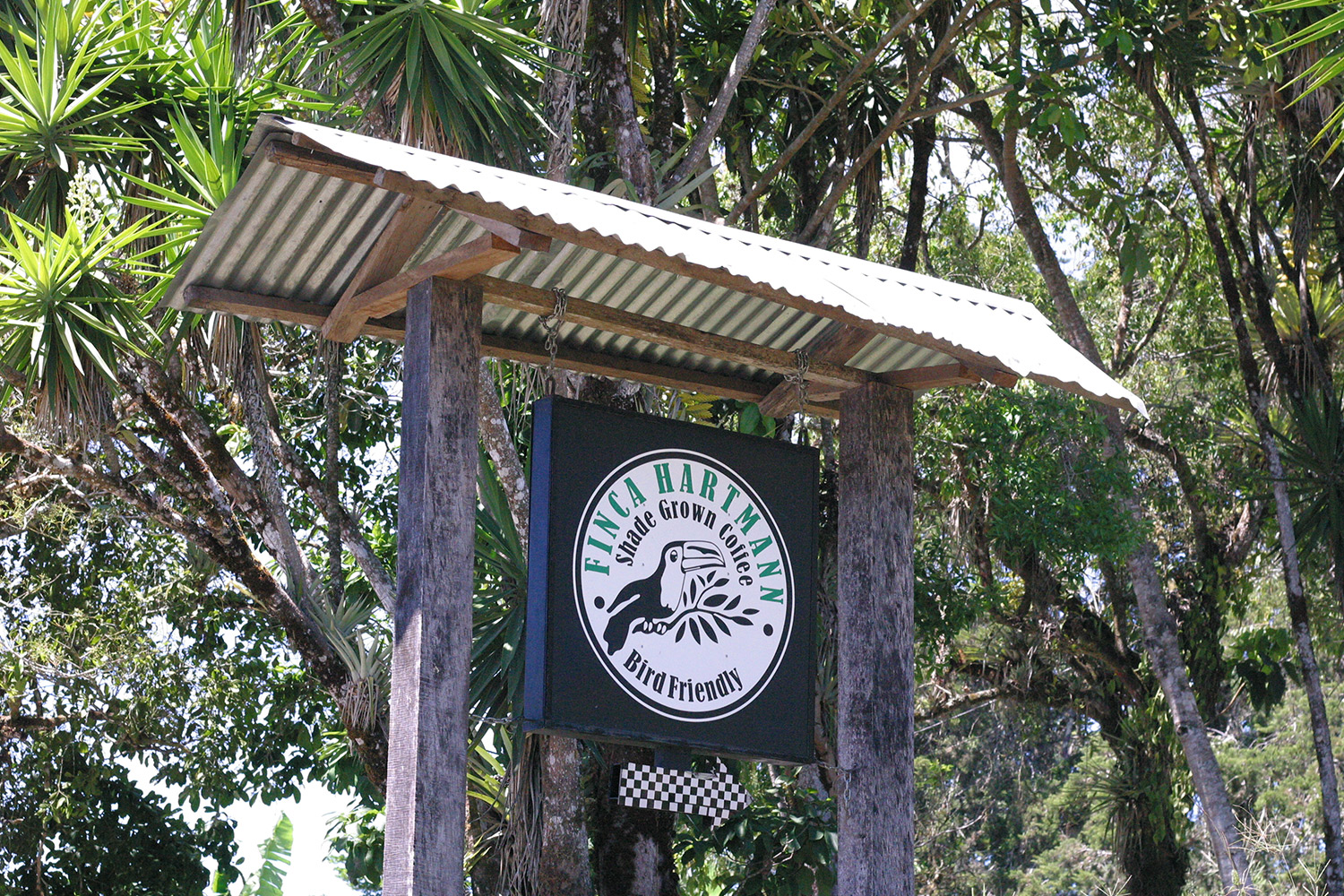
The Hartmanns are famous not only in coffee circles but also in the scientific community: they've published books on birds and shade cultivation, along with more than a dozen papers in scientific journals. Out of respect for nature, they preserve most of the trees on the estate. As the property expanded, they planted numerous native species and bananas as shade trees. Thanks to this forest stewardship, the estate hosts a rich bird population - and the locally famous toucan naturally became the estate's emblem.
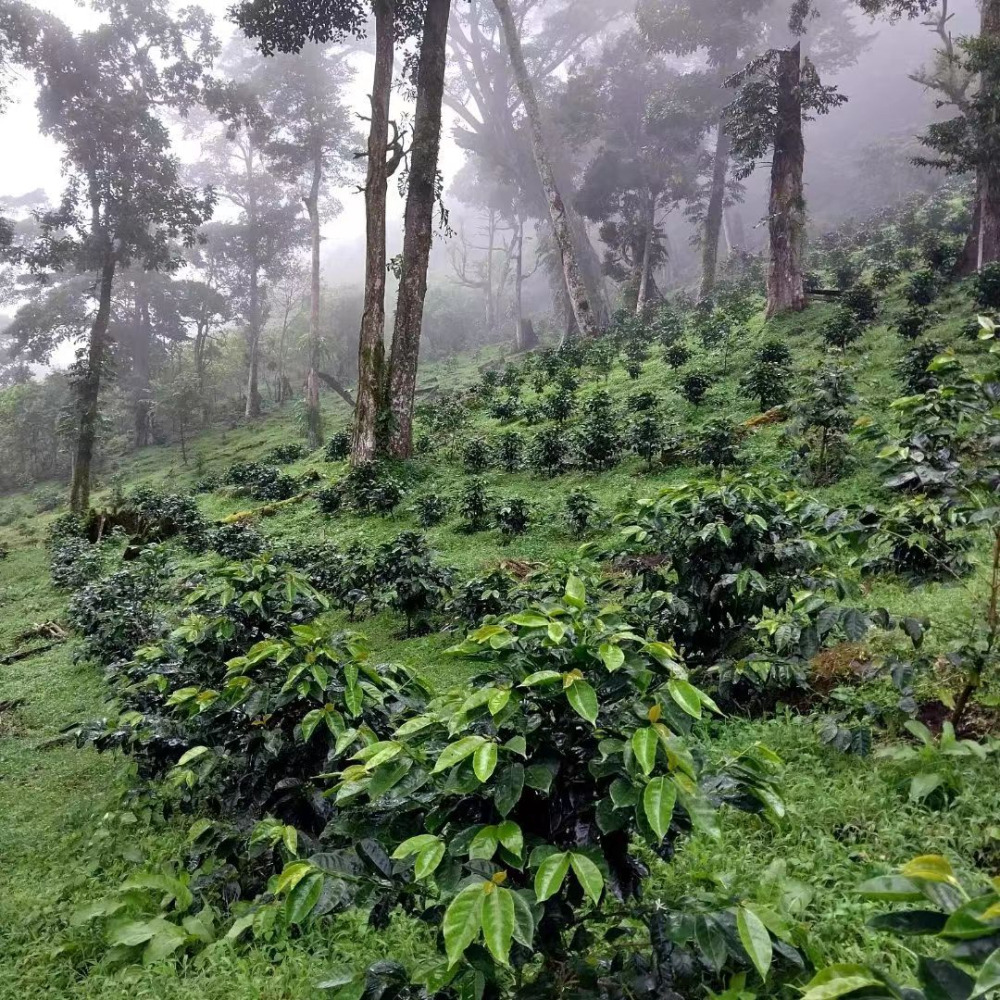
The Hartmann brand comprises two farms: Santa Clara and Ojo de Agua, world-renowned for sustainable farming and biodiversity. The soil is nutrient-rich volcanic earth, and towering primeval rainforest trees shelter the coffee. Today the estate is managed by Hartmann Troetsch's five children, each handling different responsibilities. The eldest, Ratibor and Kelly, oversee the quality-critical work - cultivation, breeding, and fertilization - making them the soul of the operation. Beyond their own estate, the family also manages nearby Volcán farms, including Ninety Plus' Panama estates and Finca La Mula.
Geisha Variety
Geisha was originally brought to Panama as an improvement variety, but low yields and unremarkable flavor at lower altitudes made it unpopular with farmers - until Hacienda La Esmeralda discovered its potential and entered it in the 2004 Best of Panama competition, where it wowed the judges with rich floral and fruit aromas of berry, citrus, and bergamot. That performance established the classic Panama Geisha flavor profile.
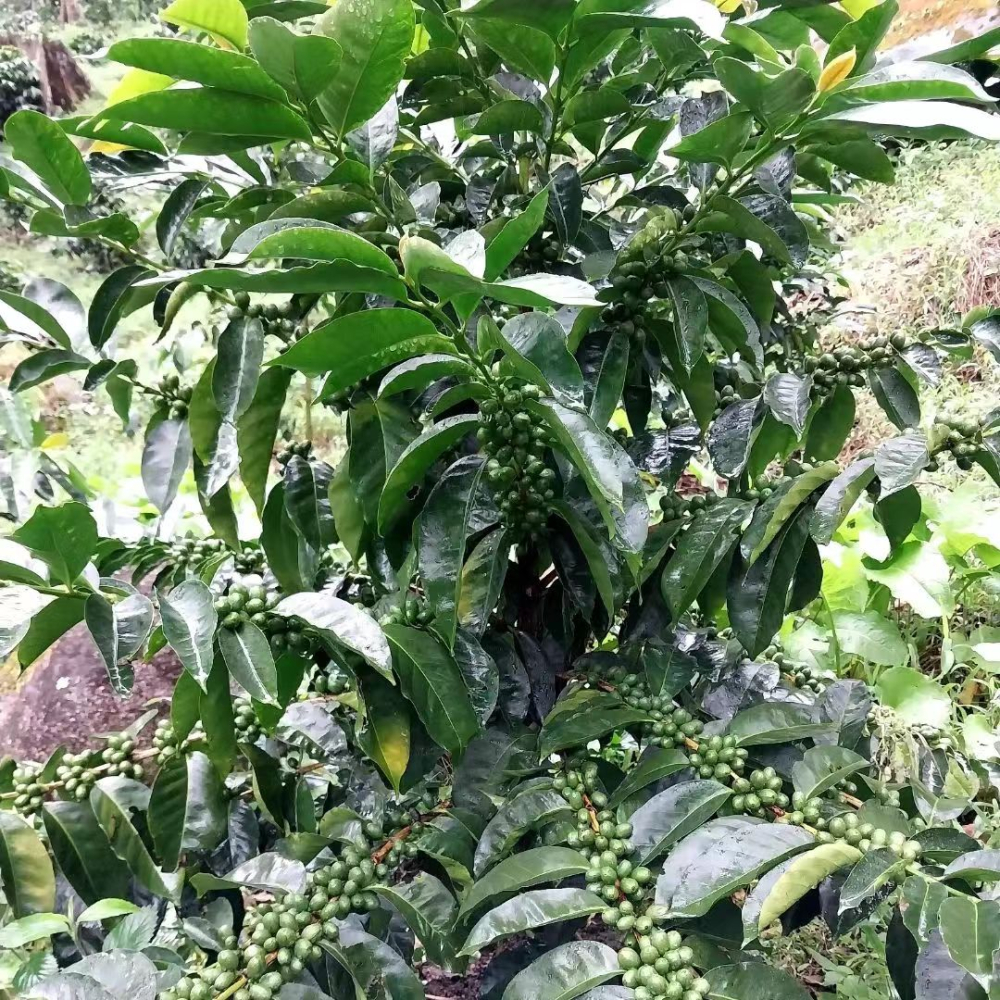
This particular Geisha, sourced by FrontStreet Coffee from Hartmann Estate, is anaerobic natural processed. To present Geisha's complex florals and fruit, we roast it medium-light. Unlike many anaerobic naturals, this Hartmann Geisha, despite its pronounced sweetness, isn't heavy on fermentation notes. Instead it offers a fresh, bright, juice-like clarity, with aromas reminiscent of pineapple and dried apricot.
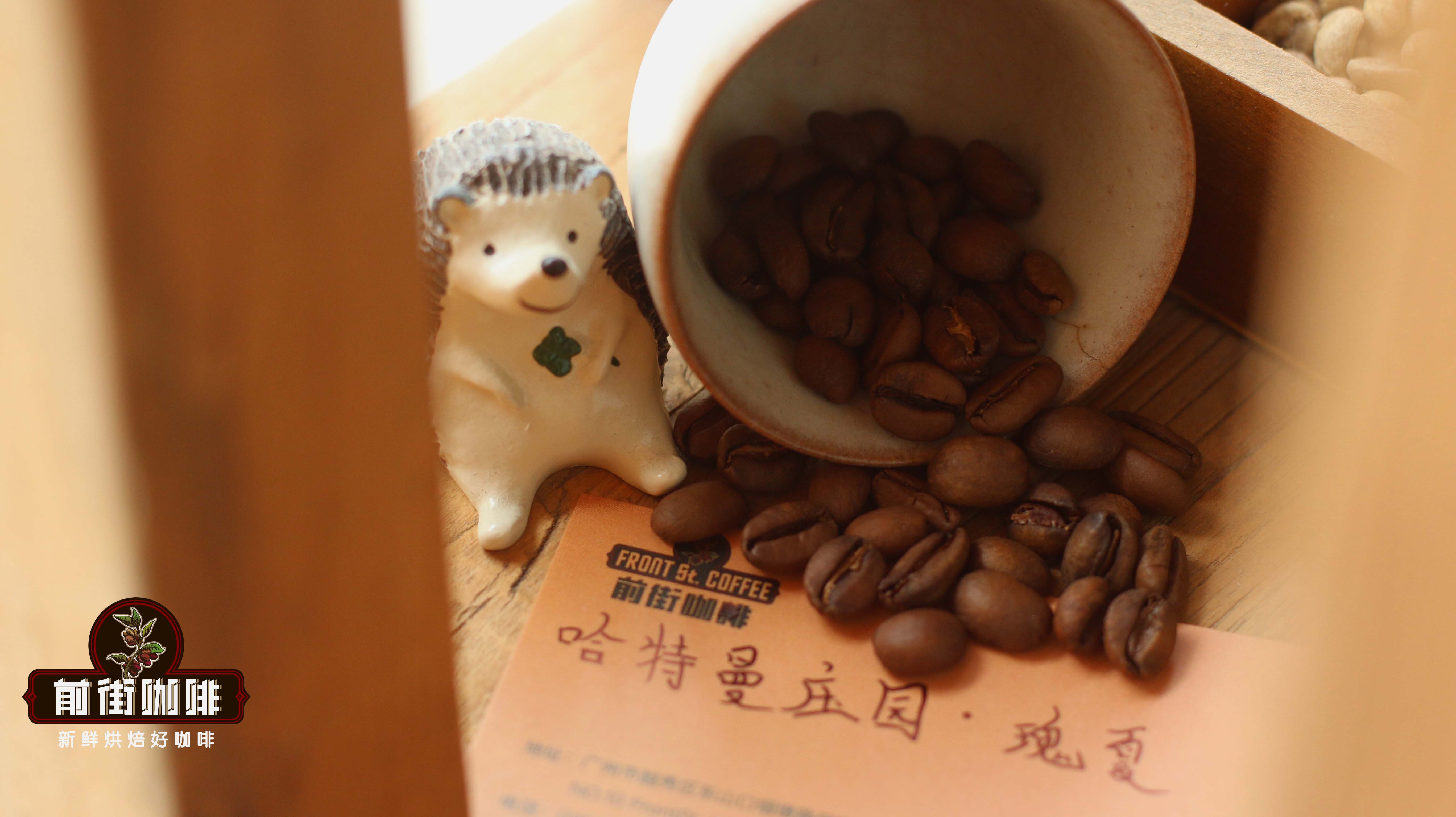
FrontStreet Coffee's Brewing Recommendations
Dripper: V60
Water Temperature: 92°C
Coffee Dose: 15g
Coffee-to-Water Ratio: 1:15
Grind Size: fine-sugar texture (80% pass-through on a #20 sieve)
Fold the filter paper and seat it snugly in the dripper, rinse it with a little water to help it fit, and discard the water from the lower pot. Add the grounds and tap gently to level the coffee bed. For the first pour, gently add 30g of water and bloom for 30 seconds. For the second pour, fill to about 125g, circling evenly and steadily outward. Wait for the liquid to drop to half, then add the final pour to 225g. Let everything drain through - total extraction time about 2 minutes.
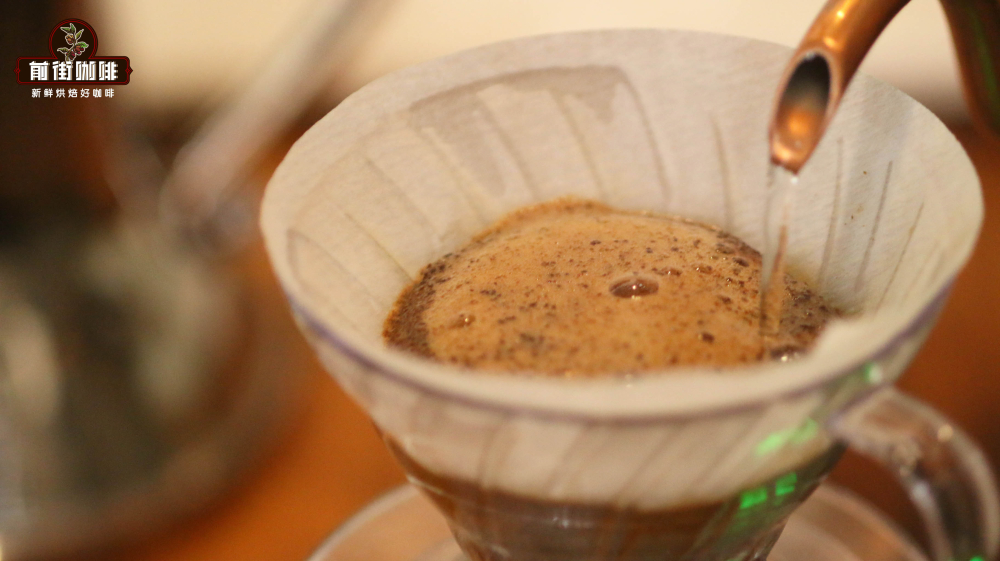
Brewed Flavor: an elegant white floral entry, followed by layered, shifting fruit acidity evoking bergamot, pineapple, and blueberry. As the cup cools, an Earl Grey tea-like mouthfeel emerges with a long, lingering aftertaste.
FrontStreet Coffee Recommendation
If this Hartmann anaerobic natural leaves you hungry for more Geisha, it's worth knowing the variety's many faces. The one that started it all is Panama's Esmeralda: the Red Label "Esmeralda Special" grows at 1600-1800 meters, must cup above 90 points per batch, and comes entirely from a single plot - FrontStreet Coffee's Red Label comes from the Jaramillo plot - so buyers can pick the batch that matches their taste, while the Green Label "Private Collection" blends batches from several high-altitude plots for a more affordable taste of Esmeralda's signature style. For a first taste of classic Panama Geisha at an entry price, FrontStreet Coffee's Boquete Gesha delivers that unmistakable orange-blossom honey character with oolong tea notes and delicate fruit acidity.
Ethiopia - Geisha's birthplace - offers its own take: FrontStreet Coffee's Gesha Village Gold Label (Gesha 1931, just 10% of the estate's output, crafted natural) is dense and complex, while the Granlana Estate Gesha, medium-light roasted, shows bright citrus acidity, elegant ginger-flower aromatics, and ripe fruit sweetness. And if you want Geisha's floral charm in an everyday-friendly form, the Strawberry Sugar Gesha Blend - Costa Rica honey process crossed with Panama Gesha - works for pour-over, espresso, moka pot, and even cold brew.
Important Notice :
FrontStreet Coffee is a long-established specialty coffee roaster in Guangzhou China, selling freshly roasted beans from its own farm in Yunnan as well as dozens of carefully selected single-origin beans from around the world for both pour-over and espresso. The products deliver consistently excellent quality and great value, with shipping within 24 hours. Guangzhou's FrontStreet Coffee shop is recommended by many coffee lovers, and the beans are now available online at the Tmall 。
FrontStreet Coffee has moved to a new address:
FrontStreet Coffee Address: 315,Donghua East Road,GuangZhou
Tel:020 38364473
 Scan and follow the En Gafei WeChat official account. Please indicate that the reprint comes from "En Gafei".