History and Origin of Mocha Coffee: Italian Mocha Coffee Preparation Process Steps
The Disappearing Mocha: From Italian Staple to Café Rarity

"Boss, I'll have a mocha."
"Sorry, we don't have mocha."
Mocha once stood alongside the latte and the cappuccino as a staple of Italian coffee menus, a must-order for many. Today, plenty of specialty coffee shops no longer feature mocha as their signature flavored coffee, and some have taken it off the menu entirely. In its place, more popular categories have emerged, such as dirty and the oat milk latte. Little by little, mocha seems to be vanishing from coffee shops.
When Did Mocha Coffee Join the Italian Menu?
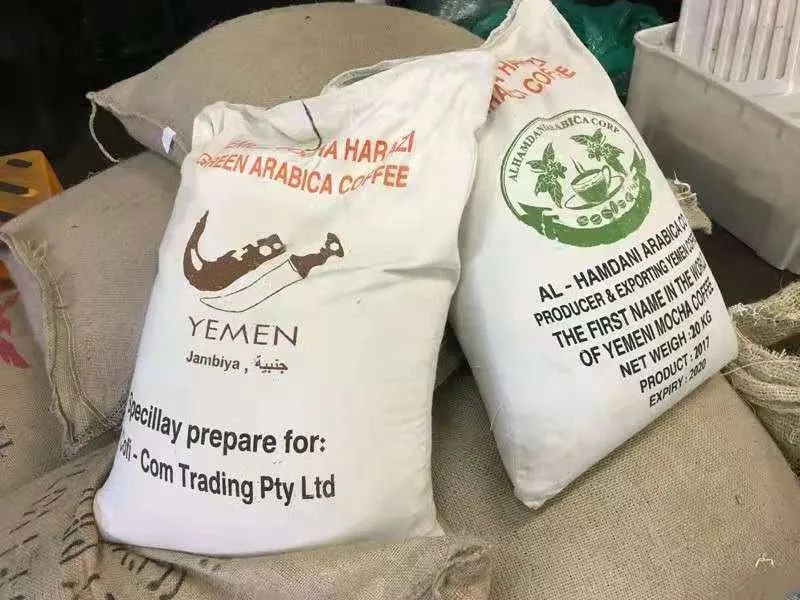
"Mocha" takes its name from the port of Mocha in Yemen. For several hundred years beginning in the 15th century, all coffee beans had to be gathered at the port of Mocha, from where they crossed the Red Sea and were exported to various regions. The port of Mocha thus became the natural hub of the coffee world.
Because the gunny sacks of coffee beans were stamped with "MOCHA" to certify they had been shipped from the port of Mocha, Europeans came to call the delicious beans from that port "mocha coffee." This also explains why, early on, mocha became a synonym for coffee itself. Mocha beans are known for their small size and rich aroma. After a deep roast, they show strong acidity and a mellow flavor, a moderate aftertaste, and rich chocolate-like notes.
The Italian mocha coffee we mean today, however, traces back to 18th century Italy. At that time, the Dutch had introduced coffee to Southeast Asia and the French had brought it to South America, so the port of Mocha lost its monopoly on coffee. Under Ottoman rule during the mid to late period, mocha beans also grew scarce in Europe.
To mimic the chocolate notes of mocha beans, some experimented with adding cocoa powder to coffee. Later, with the arrival of espresso machines and the growing worldwide popularity of espresso-based specialty coffee, this chocolate-infused milk coffee became an important member of the Italian menu too.
Italian Mocha Coffee Took Shape During the Second Wave
As Italian coffee triggered popular trends, chain coffee shops sprang up one after another and began sweeping the globe. Coffee quality varied widely in that period. To meet the surging market demand, these shops chose blended beans from multiple origins. Through heavy, deep roasting that brought out a golden crema and roasted aromas, they both lowered costs and delivered a consistent cup with a uniform flavor. This was when bitterness and caffeine became most people's impression of coffee.
To mask that intense bitterness, sweet elements naturally became essential. Condiments such as syrup, chocolate sauce, caramel sauce, and cream turned into important ingredients in beverage development.
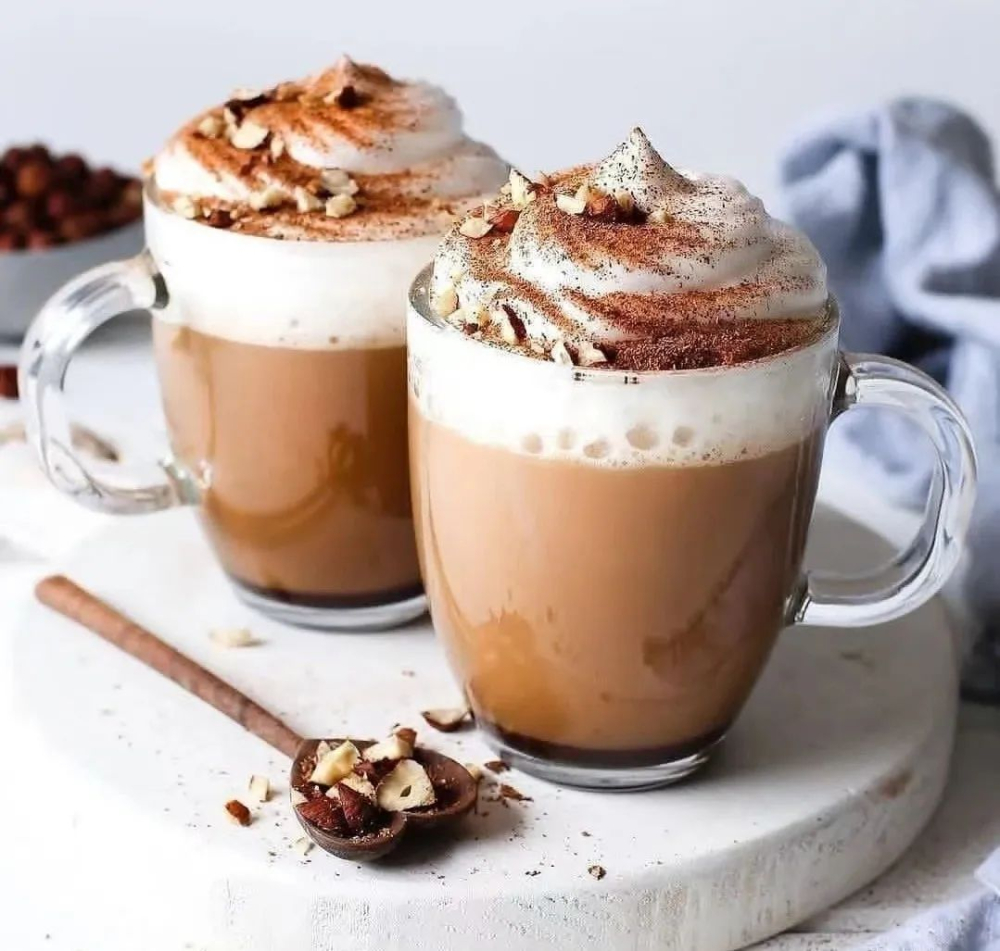
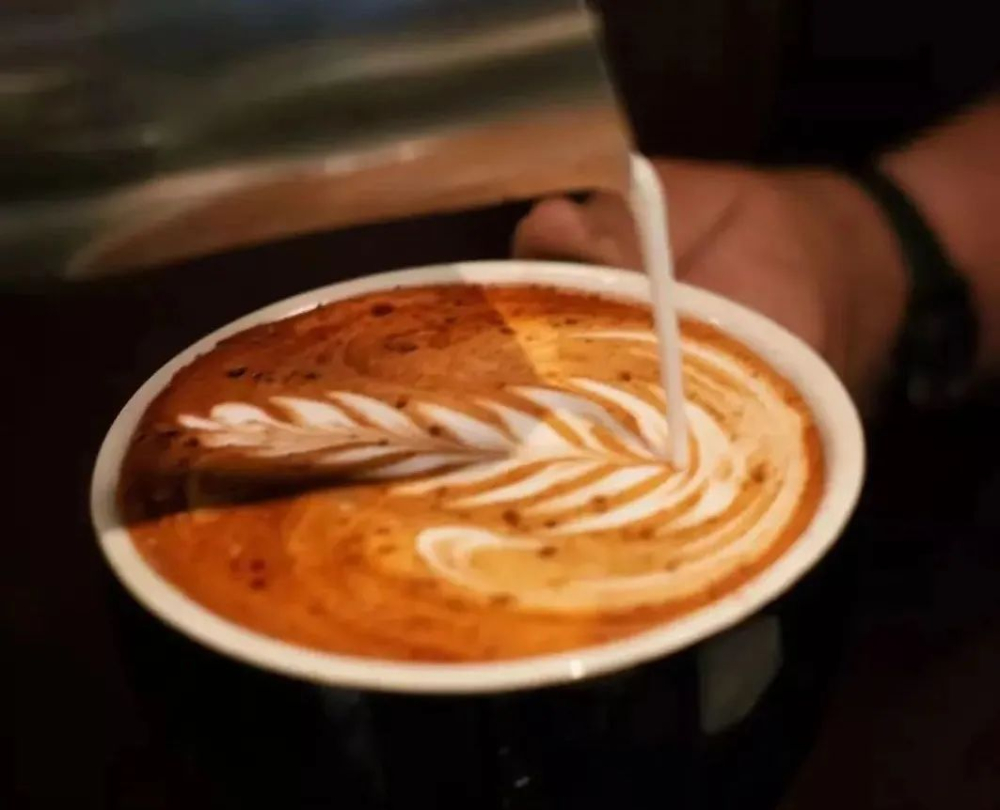
Traditional Italian mocha coffee is built on espresso and hot milk, with chocolate-based flavorings added, whether cocoa powder, chocolate syrup, dark chocolate, or milk chocolate. The surface is often topped with whipped cream, then drizzled with chocolate sauce or dusted with cinnamon powder and marshmallows for decoration. The chocolate and cream not only enrich the drink's layers but also neutralize the coffee's bitterness, which is exactly why consumers favored it.
Why Is Mocha Becoming Less Common Now?
Fast-forward to the third wave of coffee. The rise of specialty coffee concept emphasized the flavor characteristics of single-origin coffees and the different experiences that cultivation and processing can bring. Improvements at every stage raised coffee bean quality. To express each coffee's uniqueness, beans were no longer predominantly dark-roasted, and brewing methods multiplied, pour-over among them.
In recent years, the push for healthy eating, with reduced or no sugar, has continued as well. High-sugar, high-calorie diets have gradually been displaced. So mocha coffee, whose coffee flavor was masked by additives and which carried relatively high sugar, was naturally "phased out" by the market.
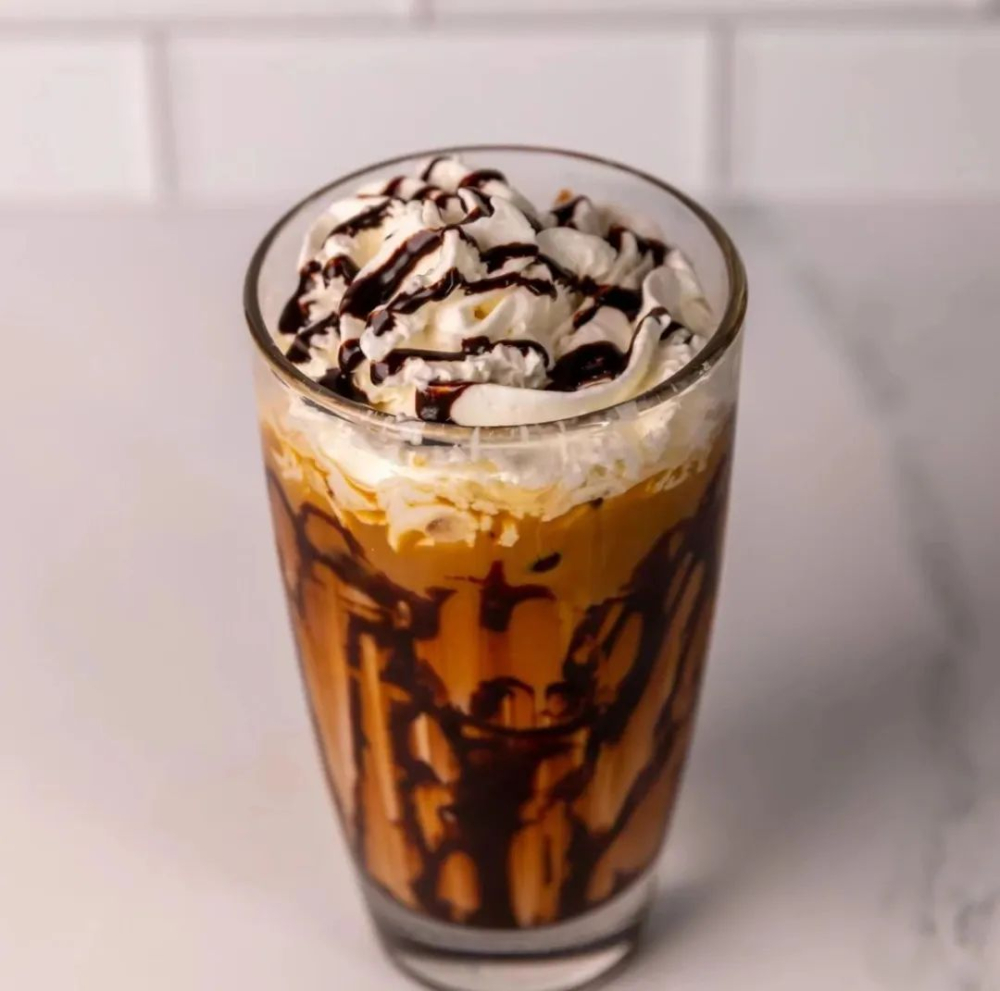
The classic Italian mocha may indeed be fading, but people's love of rich chocolate flavor remains. Note that besides espresso coffees whose beans naturally carry dark chocolate notes, coffee specials paired directly with chocolate have become more common.
Summer Is Perfect for Iced Mocha
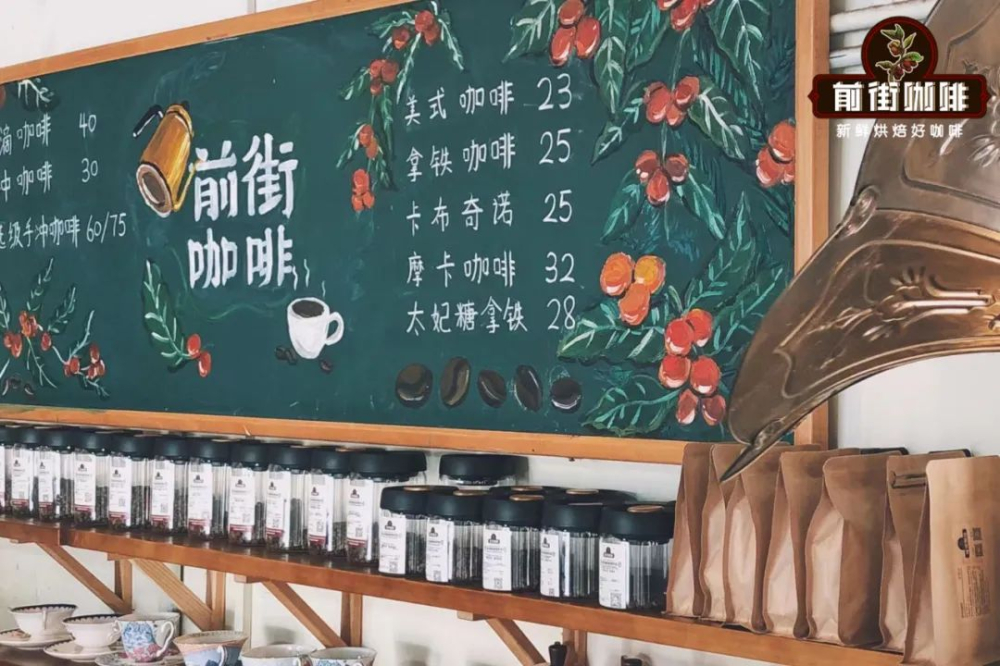
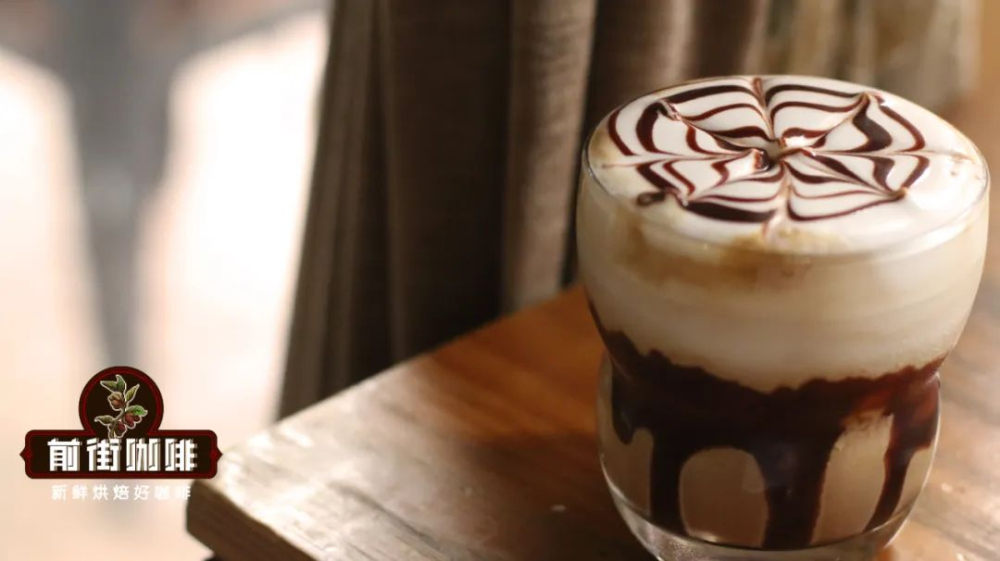
Because the ingredients aren't easy to keep fresh, mocha coffee has been removed from FrontStreet Coffee's permanent menu. Whenever a craving for sweet milk coffee strikes, FrontStreet Coffee makes itself an iced mocha. The materials are simple: a double shot of espresso, chocolate sauce, 200g of fresh milk, and ice cubes.
First, prepare a transparent glass and coat the walls with chocolate sauce, then add ice cubes and half of the milk. Next, dissolve 10 grams of chocolate sauce in the extracted espresso and pour it in. Then use a French press to froth the remaining iced milk until smooth, skim off the large bubbles floating on the surface, and pour until nearly full. Finally, carve patterns with chocolate sauce, and a rich, fragrant, sweet iced mocha is ready.
FrontStreet Coffee Recommendation
Because mocha is really a milk-and-espresso drink at heart, the beans you pull your shot with make all the difference. For a beginner-friendly, all-purpose base, FrontStreet's Classic Blend is a great pick: it was built specifically for espresso and moka pots, and its standout quality is a rich, generous crema that even a non-professional home machine can produce. Drinkers describe it as a "crema bomb," and its traditional Mamba-style recipe gives a mellow, rounded cup that suits a latte, cappuccino, or dirty as easily as a mocha.
If you'd rather keep costs down without losing quality, FrontStreet's Black Cocoa Blend uses 100% arabica beans and delivers plenty of crema and a full body at a friendly price. And if you want a fruitier, floral twist on a mocha, FrontStreet's Strawberry Candy espresso blend brings berry, rose, raisin, and fruit-candy aromas, which pair unexpectedly well with a little dark chocolate.
Important Notice :
FrontStreet Coffee is a long-established specialty coffee roaster in Guangzhou China, selling freshly roasted beans from its own farm in Yunnan as well as dozens of carefully selected single-origin beans from around the world for both pour-over and espresso. The products deliver consistently excellent quality and great value, with shipping within 24 hours. Guangzhou's FrontStreet Coffee shop is recommended by many coffee lovers, and the beans are now available online at the Tmall 。
FrontStreet Coffee has moved to a new address:
FrontStreet Coffee Address: 315,Donghua East Road,GuangZhou
Tel:020 38364473
 Scan and follow the En Gafei WeChat official account. Please indicate that the reprint comes from "En Gafei".