
Flavor Differences Between Panama Hacienda La Esmeralda Red Label Geisha and Ethiopia Gesha Village Red Label Varieties

Recently a friend came to FrontStreet Coffee's store for pour-over, specifically requesting a Red Label Geisha. When FrontStreet Coffee mentioned having two Red Label options, from Hacienda La Esmeralda and Gesha Village, and asked which they'd prefer, the friend countered, "Which one tastes better?" Since that's the question, today FrontStreet Coffee will break down the differences between these two "Red Label Geisha" coffees for everyone.

Different Origins, Different Terroirs
Located in the Boquete region of Chiriquí Province, Panama, Hacienda La Esmeralda features towering terrain near Barú Volcano, resulting in rich, fertile soil. Combined with year-round mist and abundant rainfall, this creates unique microclimate characteristics and an exceptional coffee-growing environment.
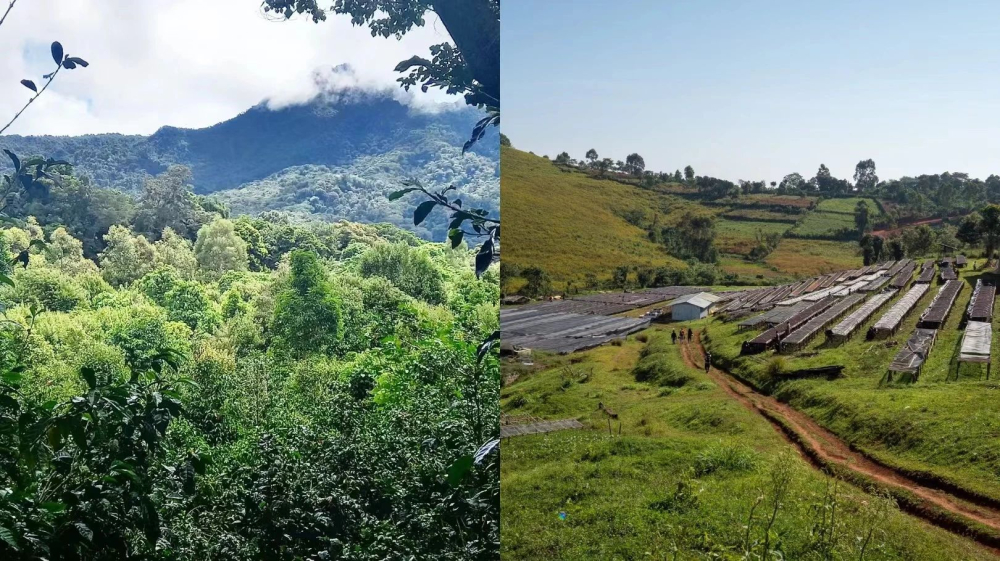
Gesha Village Coffee Estate, in the westernmost part of Ethiopia on the African continent, sits in the wild, jungle-covered Bench Maji region. This area features Ethiopia's typical high-altitude terrain, with even the lowest plots exceeding 1,900 meters. From Gesha Village one can directly take in the scenery of ancient forest.
Checking Grades: This Red Label Isn't That Red Label
Although both coffees are classified as "Red Label" grade in China, they are actually products under completely different grading systems from two different estates.
Those familiar with the "Rise of Geisha" will know that Hacienda La Esmeralda was not only the discoverer of Geisha's distinctive flavours but also its promoter, and it pioneered the branding of premium Geisha. After Geisha rose to fame, the Peterson family, owners of the estate, recognised the importance of detailed management of growing plots and pioneered batch grading within the estate. Based on cupping scores, plot locations, altitude and other factors, Geisha was divided into three grades.
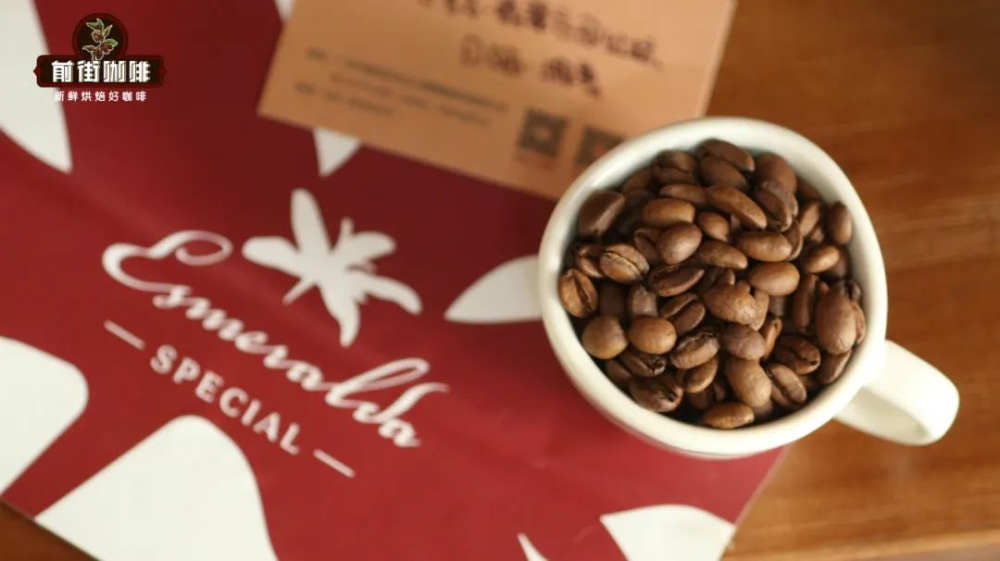
Among these, "Esmeralda Special" - what we refer to as Red Label - is the highest grade of the Geisha brand, translated into Chinese as "Esmeralda Special Selection," with "Red Label" being a term popularized in China. Esmeralda Special Selection combines the finest Geisha batches from Hacienda La Esmeralda (including auction batches), with quality requirements including cultivation altitude between 1,600-1,800 meters and cupping scores above 90 points.
Clearly, Gesha Village's grading system was modelled on the business model established by Hacienda La Esmeralda. The estate owner analysed different plant characteristics and microclimate variations, selecting the most suitable variety for each plot and assigning detailed codes for later traceability.
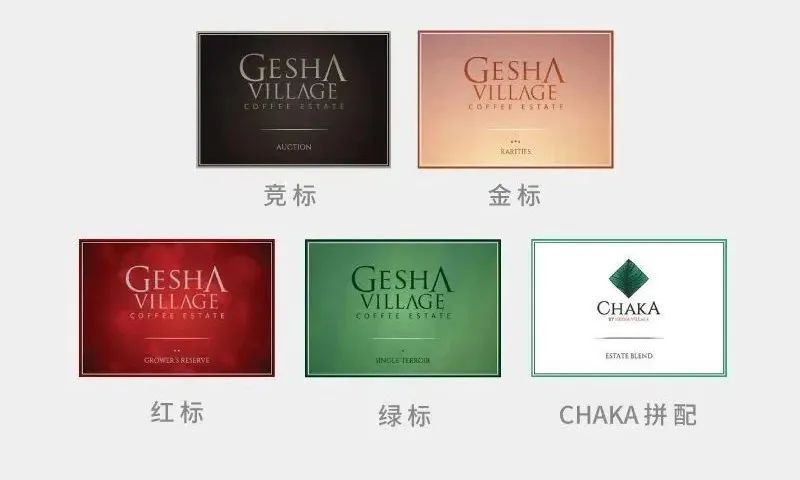
According to Gesha Village's internal classification standards, its coffee can be divided into five levels: Auction, Gold Label, Red Label, Green Label and Chaka. The official name for Red Label is "Growers Reserve." This batch accounts for 15% of the estate's total production and must score above 88 points in SCA cupping. Clearly, this "Red Label" is not the highest grade product at Gesha Village.
Checking "Origins": Different Geisha Varieties
FrontStreet Coffee has previously explained in an article that the competition-winning, world-renowned specialty coffee Geisha was discovered, through sample comparison, to have been collected from the Gesha forest near the Kaffa forest in southwestern Ethiopia in the 1930s. It was later catalogued by CATIE as the "geisha T2722" variety for its fungal resistance.
Because genetic comparison technology did not exist at the time, Gesha Village's selection work was led by Willem Boot, with estate owner Adam finding Geisha plants in the vast Gesha forest by referencing the plant morphology and flavour characteristics of Panamanian Geisha. Those Gesha varieties were not verified to be the original T2722.
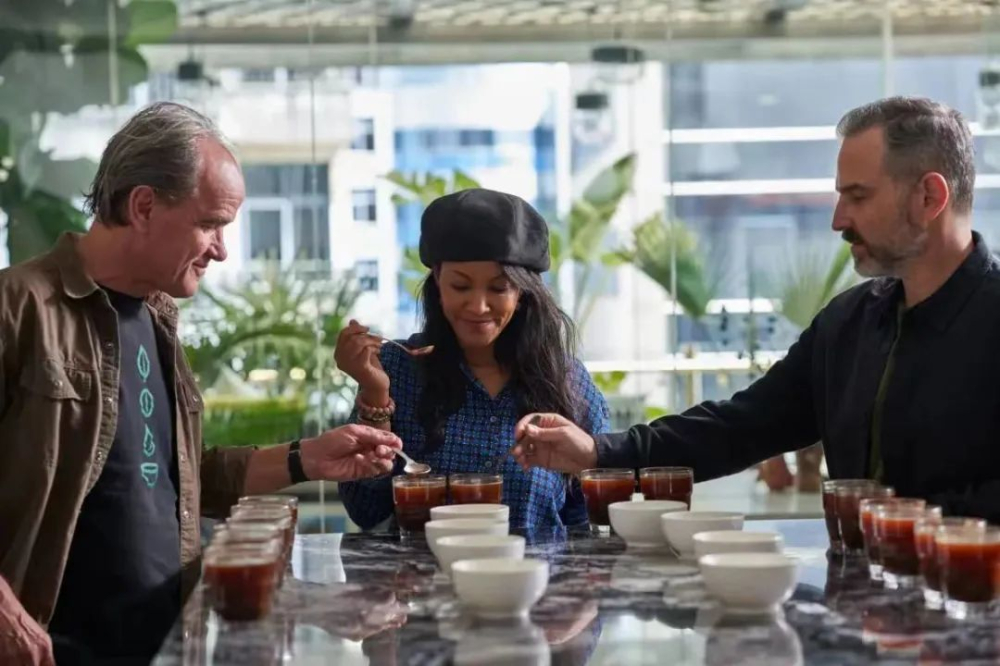
Furthermore, Gesha Village cultivates three varieties in total, including Gesha 1931, Gori Gesha and another non-Geisha variety, Illubabor. As long as they meet the estate's internal standards, they can be classified as "Gesha Village Red Label" grade. Coffee beans classified as "Red Label" may therefore actually have no connection to the Geisha variety.
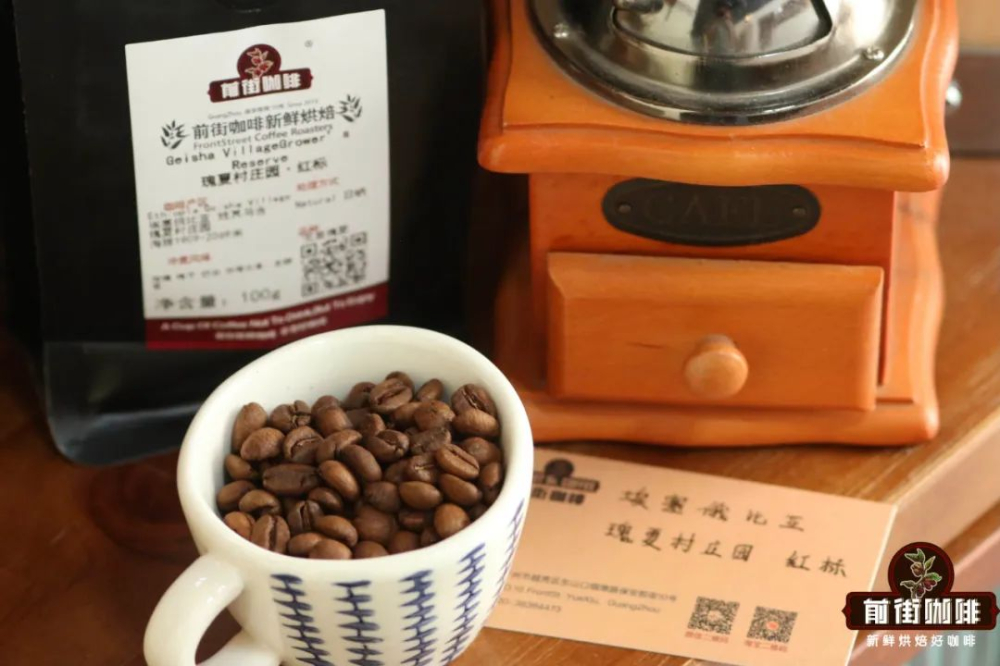
The Red Label batch FrontStreet Coffee purchased from Gesha Village is the Gori Gesha variety, which estate owner Adam found in the Gori forest near the estate. He noticed it closely resembled Geisha plants, brought it back for cultivation and named it "Gori Gesha." Compared with Panama's T2722, it is closer to the original Ethiopian Geisha variety.
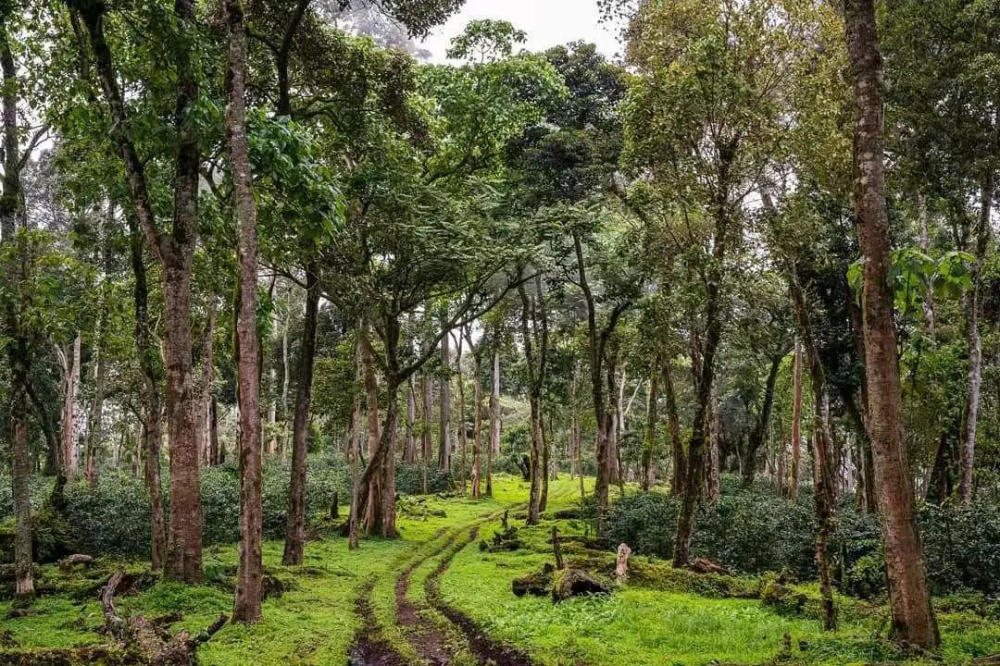
Both Natural Process: Which Tastes Better?
FrontStreet Coffee currently has natural-process batches of both "Red Labels." Different climatic factors in the two regions create subtle flavour differences during natural processing.
To ensure more even drying of the cherries, Hacienda La Esmeralda's natural process combines traditional patio drying with electric Guardiola dryers. The Guardiola keeps hot air circulating constantly around the beans, removing moisture evenly and presenting a more consistent floral and fruit profile.
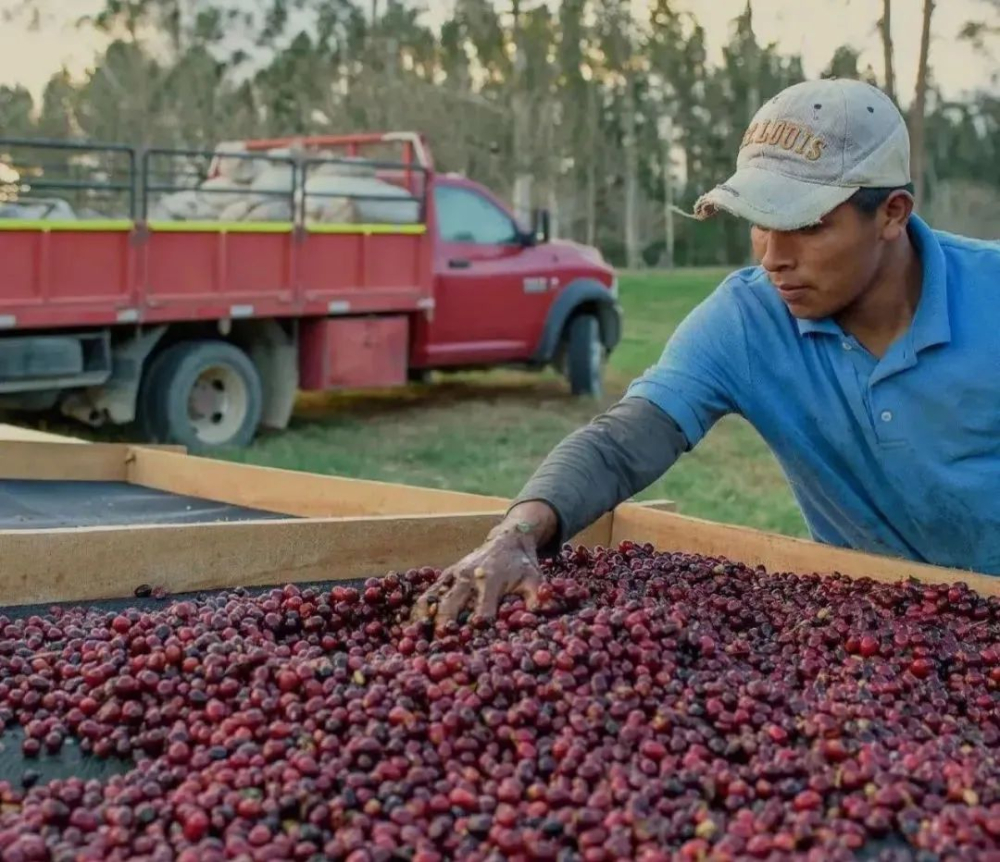
Gesha Village's main harvest season runs from December to March of the following year, during the dry season with little rainfall, allowing the estate to use natural drying on African beds. Compared with the relatively hot, humid processing season in Central and South America, Gesha Village's natural processing more easily highlights clean, natural flavours.
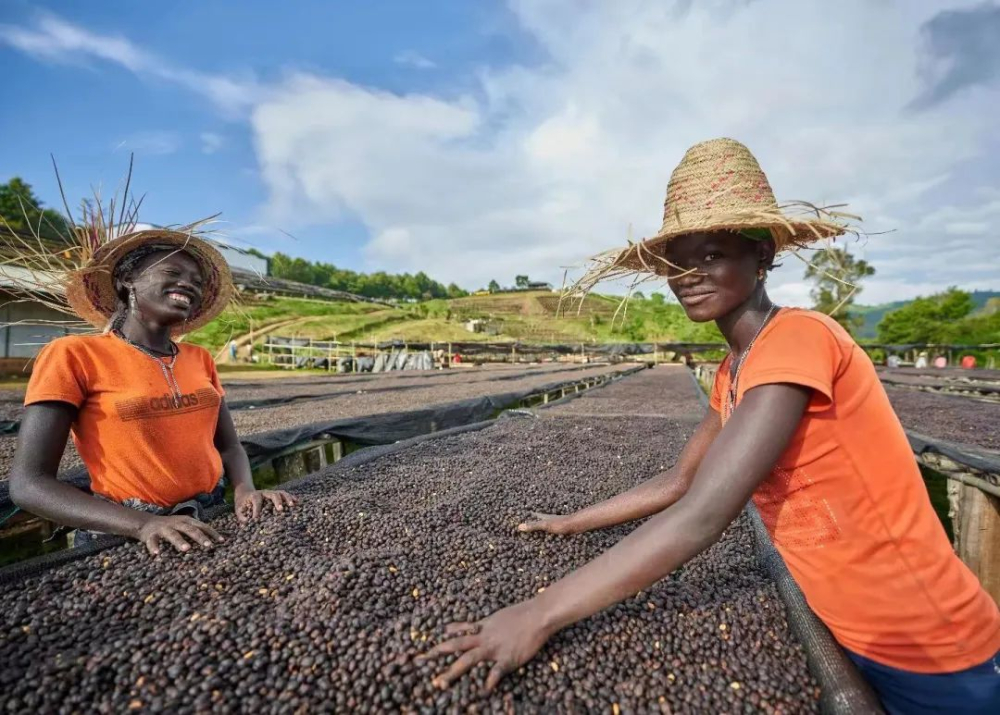
Through cupping these two Geisha coffees, FrontStreet Coffee detected elegant floral notes similar to pink roses in the natural-process Red Label from Hacienda La Esmeralda, with complex and refined fruit tones ranging from berries, citrus, mango, peach and pineapple to guava, along with cocoa flavours and fresh notes of orange peel. It has no bitterness, a light body and resembles tea.
As for the natural-process Gori Gesha from Gesha Village's Red Label batch, it has not only light jasmine floral notes and rich fruit flavours of berries and apricot-peach but also the bright acidity characteristic of African coffees. The entry texture is relatively round, with creamy sensations and a caramel aftertaste reminiscent of toffee.

Finally, returning to our friend's question at the beginning: which Red Label tastes better? FrontStreet Coffee can only answer: to each their own.
FrontStreet Coffee Recommendation
Both "Red Labels" are on FrontStreet Coffee's shelves, and they suit different tastes. FrontStreet Esmeralda Red Label Geisha is the higher tier: its official name is "Esmeralda Special," it combines the estate's finest Geisha lots, and every batch carries its own number, with a single lot coming from one small plot (FrontStreet's Red Label comes from the Harimiyo plot). Expect elegant orange-blossom honey, complex fruit and an oolong-tea finish. FrontStreet Gesha Village Red Label is the Gori Gesha variety, making up 15% of the estate's output and scoring 88 points or above on the SCA scale, with light jasmine florals, berry and apricot-peach fruit and bright African acidity. If you want to compare within the estate's own hierarchy, FrontStreet Gesha Village Gold Label is the Gesha 1931 variety, 10% of production and the estate's top coffee outside the auction lots, given a refined natural process for a richer, more complex cup. Whichever you choose, Geisha is best treated as a medium-light roast: a 78% pass rate on a China-standard #20 sieve (about fine sugar), 91°C water, 15g of grounds in a small Hario V60 at 1:16, then a three-stage pour - 30g for a 30-second bloom, to 125g, then to 225g - for a total extraction of about 2:10 to 2:20.
Important Notice :
FrontStreet Coffee is a long-established specialty coffee roaster in Guangzhou China, selling freshly roasted beans from its own farm in Yunnan as well as dozens of carefully selected single-origin beans from around the world for both pour-over and espresso. The products deliver consistently excellent quality and great value, with shipping within 24 hours. Guangzhou's FrontStreet Coffee shop is recommended by many coffee lovers, and the beans are now available online at the Tmall 。
FrontStreet Coffee has moved to a new address:
FrontStreet Coffee Address: 315,Donghua East Road,GuangZhou
Tel:020 38364473
 Scan and follow the En Gafei WeChat official account. Please indicate that the reprint comes from "En Gafei".

