
Clay Pots! Earthenware Jars! Purple Sand! The Rise of Chinese Coffee Schools!
The Rise of Pot Milk Tea in Yunnan
Pot milk tea has been taking over the streets of Yunnan lately! Small clay pots line the stoves, each brew made fresh and sold on the spot for grab-and-go convenience. By netizens' accounts, every stall is packed and struggling to keep up with demand.
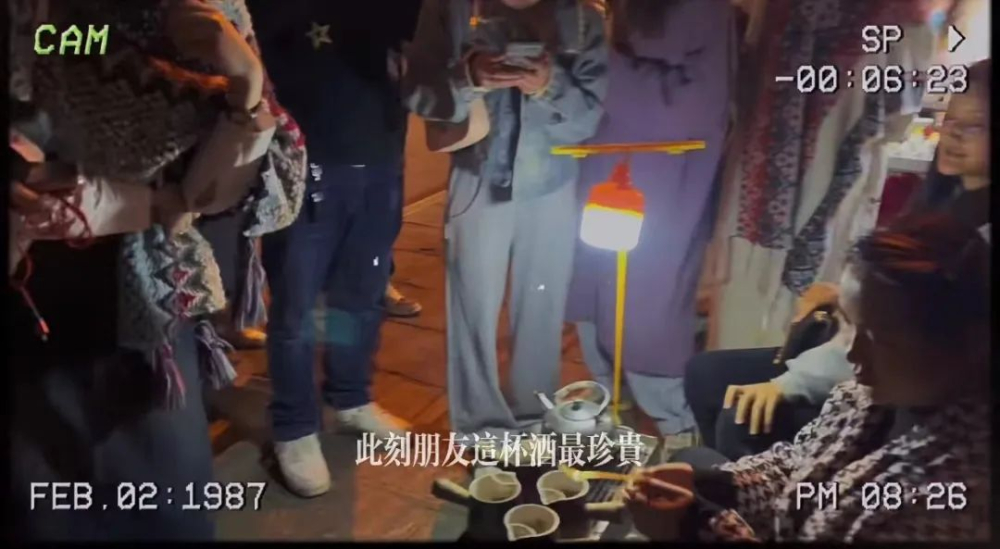
The style resembles last year's stove-side tea brewing craze, where people gathered around charcoal stoves patiently waiting for the kettle to murmur. That warm, unhurried atmosphere carried it through autumn and winter. As the weather warmed, the stove-side trend cooled too — but consumers still crave ritual. Businesses that understand young people rode that residual warmth and launched "pot milk tea": a full ritual experience with only a short wait.
The New Chinese Style of Milk Tea
To give pot milk tea a springtime flavor and local Yunnan character, both the tea and the milk come from Yunnan. Add edible Yunnan roses, plus red date slices and goji berries for blood nourishment and rock sugar for the lungs, and you've perfectly captured a generation that wants wellness and ritual in the same cup.
The "New Chinese Style" in the Milk Tea Industry - A Lesson for Coffee
Compare the milk tea and coffee industries and a pattern emerges. Milk tea's take on "new Chinese style" centers on ritual experience: the vessels and ingredients display Chinese elements while still complementing the milk and tea themselves. Coffee, meanwhile... has been drifting somewhere ordinary drinkers can't follow. One netizen's comment recently was too good not to quote:
Not long ago, coffees built around eccentric regional foods swept the internet, and an article titled "Coffee can be niche but not bizarre" shot to the top of Weibo's trending list.

Cups of "creative coffee" loaded with Chinese food-culture elements have been upending people's understanding of coffee, and the comments were brutal:

There Are Better Choices for the Development of New Chinese Style Coffee
Amid all the novelty products, the impression new Chinese style coffee leaves — beyond the shock value — is numbness. Consumers have simply stopped trying to understand the next "innovation." Theoretically, this is not healthy development; kept up, it only makes ordinary drinkers warier of coffee innovation in general.
The intent — drawing attention to specialty coffee through Chinese-style approaches — is fundamentally good, but forced collisions like these can easily "kill" the coffee itself.
Look at how other regions built their coffee cultures: they evolved through changes in preparation method.
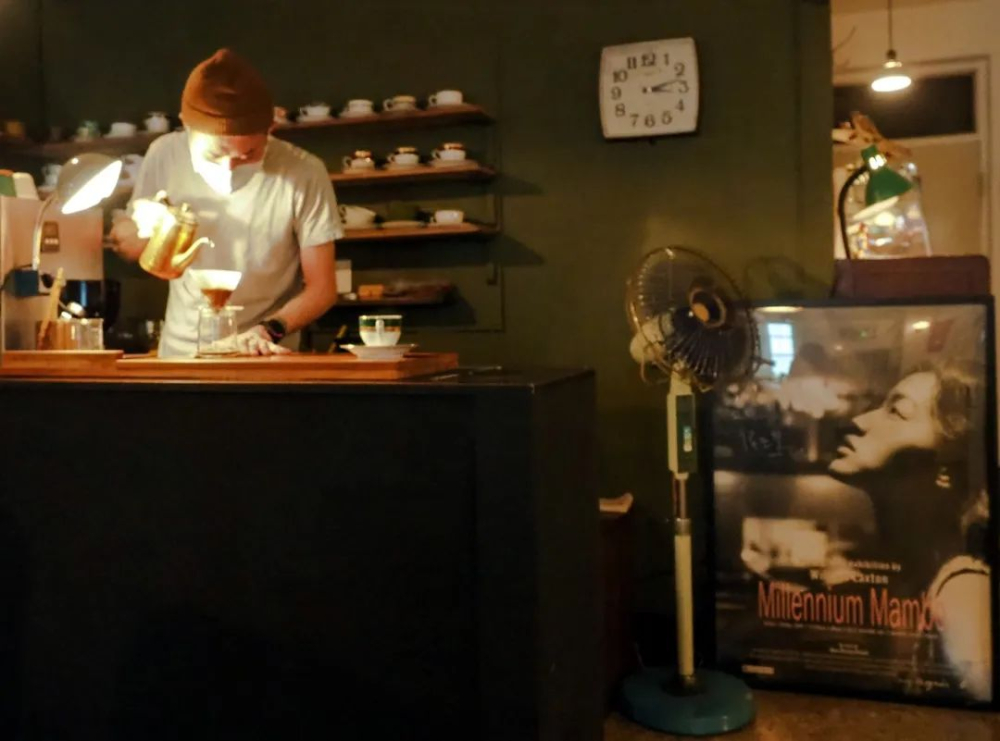
Italy became "Italian" by inventing the pressure espresso machine. Japan's style grew from its distinctive roasting and brewing approaches. Australia's style came from its obsession with flavor expression in milk-based espresso. China deserves its own way of expressing Chinese-style coffee.
China has an enormous repertoire of cooking methods and tea-brewing techniques — any of them could anchor a Chinese style of coffee.
Take "water-bath brewed coffee," which generated huge discussion over a year ago. Borrowing from water-bath soup making, a sealed container of coffee at a set temperature is steeped in hot water for a long period. By controlling grind fineness and steeping time, the grounds release mellow, pleasant flavor compounds into the bath.
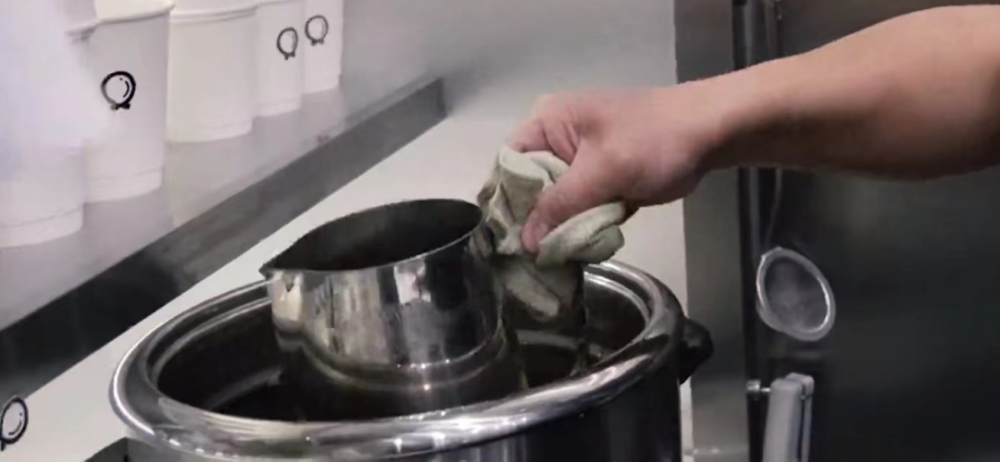
Though the water is hot, the temperature inside the container stays within a narrow range, effectively controlling the release of bitter compounds — yielding coffee that is rich and mellow, smooth on the palate, without bitterness.
Or the "purple clay pot steamed coffee" that appeared at a coffee exhibition half a year ago. It's kin to water-bath brewing: low-temperature slow extraction. The steamer itself is scorching, but the coffee in the pot heats far more slowly than direct boiling.
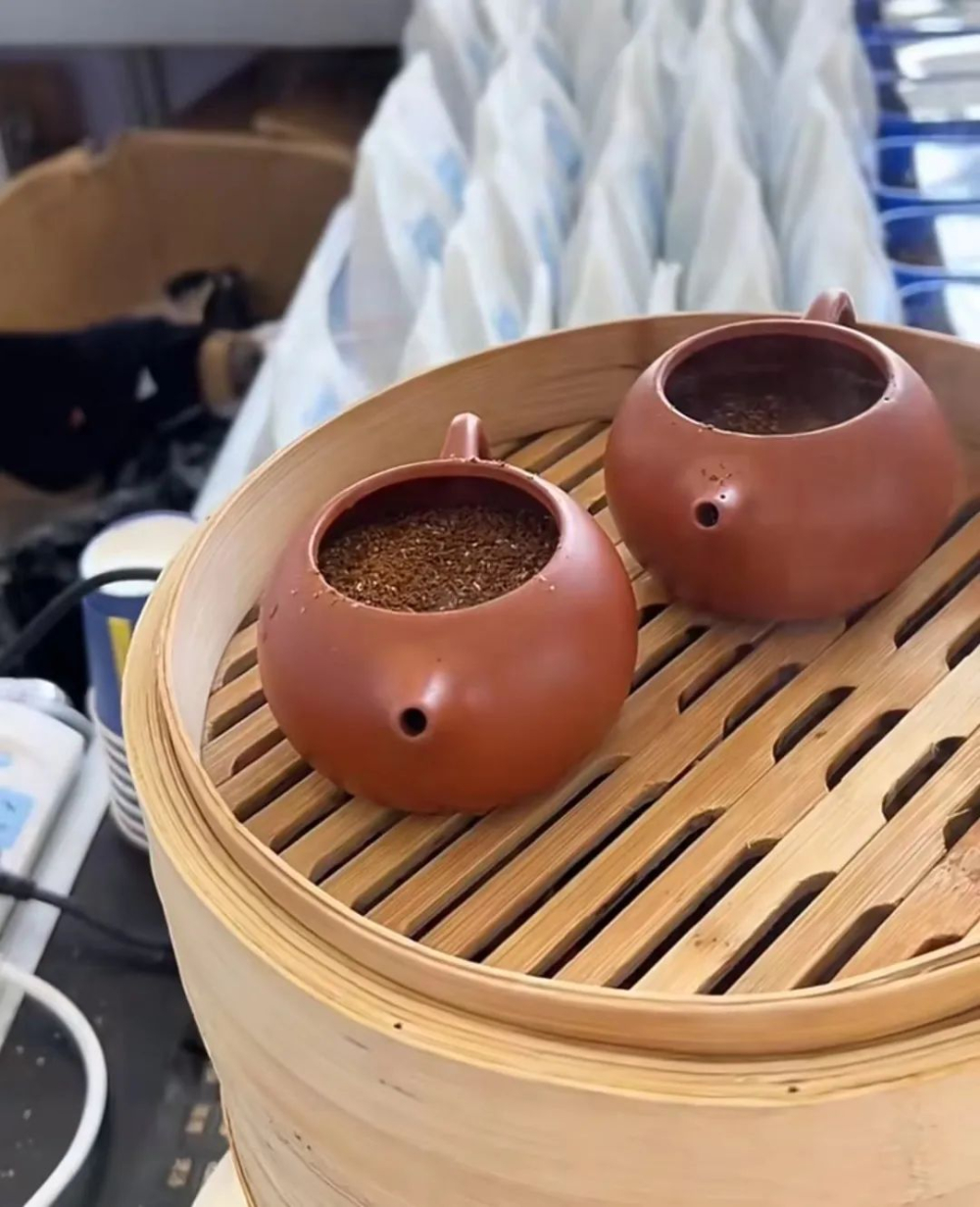
Extraction water is minimal, so the liquid saturates quickly and the harsh, late-stage bitter flavors rarely emerge. The unglazed purple clay itself also absorbs the compounds behind "off" flavors, further taming bitterness.
Then there's "clay pot coffee," now a Macau specialty. Brewed over a charcoal stove in a clay pot, the pot heats the coffee evenly, and the charcoal's small flame lets the grounds' aroma fully unfold inside the clay.

According to the writer's grandfather's recollections, the keys are these: before brewing, steam the coarse grounds dry (without water) for 1–2 hours to reduce astringency; choose a pot with an unglazed inner wall to cut bitterness; and add roasted eggshell to make the aroma more distinctive and rich.
Plenty of Chinese cooking and tea techniques could make coffee genuinely different and unmistakably Chinese. Coffee innovation isn't limited to reshuffling existing brewing methods, and creative coffee isn't limited to swapping in new flavorings. Real innovation steps outside the original framework and creates something truly its own.

"Coffee may have arrived in China late, but it shouldn't lose its identity." Innovation can draw attention, but Chinese-style coffee needs roots and a soul — otherwise people will remember only its "appearance," never its charm.
Image source: Internet
FrontStreet Coffee Recommendation
China already has its own coffee answer growing on the Yunnan segment of the world's golden coffee belt, and the best way to taste "Chinese-style coffee" with real roots is the bean itself. Coffee reached Yunnan in 1904, when the French missionary Tian Deneng brought Typica seeds from Vietnam and planted the first tree in Zhugula Village, Binchuan County. FrontStreet Coffee's Yunnan arabica from Baoshan — washed processed and medium roasted — shows that terroir beautifully: gentle nut and chocolate sweetness, a touch of plum acidity, at a genuinely friendly price.
For a deeper step into Yunnan, try FrontStreet's 2013 natural Typica from its own estate: only fully ripe red cherries, sun-dried the traditional way and roasted medium, yielding dark berries, caramel sweetness, chocolate, a hint of dried apricot, and a black-tea finish. And if you'd like Yunnan flavor in an espresso, FrontStreet Coffee's Black Cocoa Blend pairs Yunnan arabica's chocolate and citrus with Brazil Cerrado's mixed-nut balance — a round, brown-sugar-sweet Americano and an almond-creamy latte, with no bitterness to frighten a beginner.
Important Notice :
FrontStreet Coffee is a long-established specialty coffee roaster in Guangzhou China, selling freshly roasted beans from its own farm in Yunnan as well as dozens of carefully selected single-origin beans from around the world for both pour-over and espresso. The products deliver consistently excellent quality and great value, with shipping within 24 hours. Guangzhou's FrontStreet Coffee shop is recommended by many coffee lovers, and the beans are now available online at the Tmall 。
FrontStreet Coffee has moved to a new address:
FrontStreet Coffee Address: 315,Donghua East Road,GuangZhou
Tel:020 38364473
 Scan and follow the En Gafei WeChat official account. Please indicate that the reprint comes from "En Gafei".

