
What Determines the Bitterness and Acidity of Coffee?
There have been a few occasions when FrontStreet Coffee recommended Mandheling to a customer who disliked acidic coffee, only to be told they had tried Mandheling before and found it acidic.
Generally, Mandheling shows flavors of herbs, nuts, chocolate, and caramel, with no sourness at all. So can Mandheling taste acidic? Yes — and the explanation is simple: just don't roast the beans so deeply.
Acidity and Bitterness in Coffee
In our minds, Ethiopian and Kenyan beans are acidic while Blue Mountain and Mandheling are bitter. In reality, the acidity and bitterness of coffee have little to do with origin and are mainly related to roast level.
In roasting, the period after first crack is called the development phase, and it determines the coffee's final flavor direction. The shorter the development, the lighter the roast, and the more the flavor leans toward acidity. The longer the development, the more caramelization occurs, the deeper the roast, and the more the flavor leans toward bitterness.
Acidity and bitterness are only the main directions of a coffee's flavor, and a coffee that tastes only sour or only bitter isn't appealing. The most important thing is to bring out sweetness and aroma.
The Same Bean at Different Roast Levels
Kenyan beans, for example, are equally famous on the consumer market in both light and dark roasts. Light-roasted Kenyan coffee shows bright acidity like plums and cherry tomatoes; dark-roasted Kenyan coffee presents a clean, rich flavor like dark chocolate — bittersweet, with a strong aftertaste.
Why Some Coffees Stay Dark Roasted
Some drinkers wonder why Mandheling and Blue Mountain still insist on dark roasting in an era when light roasts are in fashion. Combined with claims like "roasting beans deeply hides defects," people start to doubt whether these dark-roasted coffees are inferior to light-roasted ones.
It is true that whether beans are high or low quality, roasting them to near-charcoal produces a highly consistent taste — bitter enough to make you question your life choices. But clearly, neither Blue Mountain nor Mandheling is purely bitter in these dark roasts; they are bitter with sweetness. If poor-quality beans were hiding inside, the flavor feedback would expose them completely.
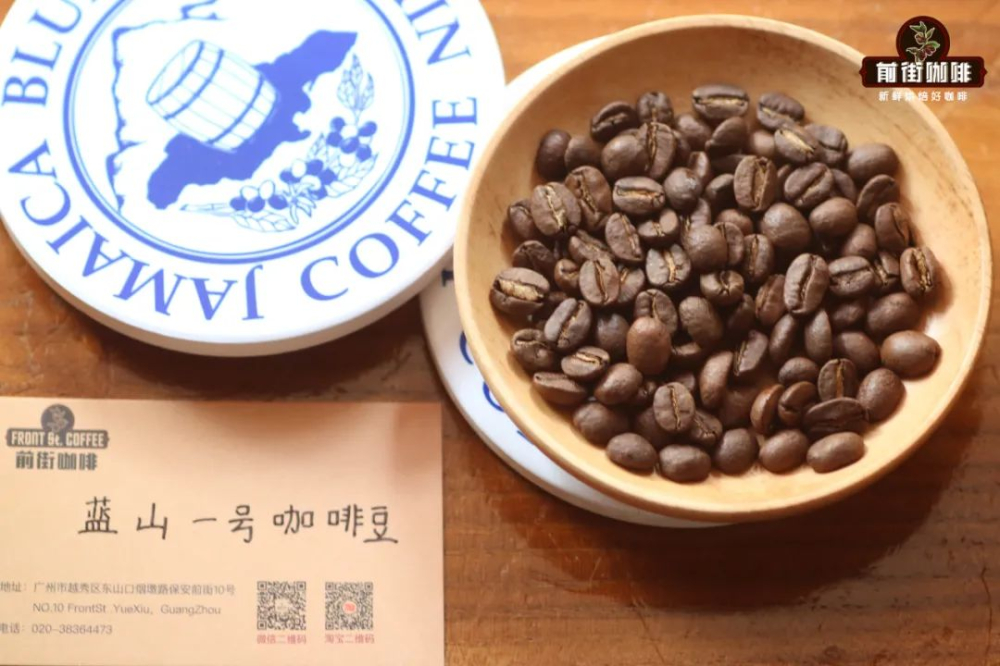
What's more, coffees like Blue Mountain and Mandheling were already world-famous before light roasting rose to prominence. Mellow, balanced, and rich are their labels, with Blue Mountain even treated as the standard "coffee taste." Against that backdrop, maintaining a consistent flavor quality is precisely what these coffees insist on. Of course, in the wave of specialty coffee, you can still find light-roasted Blue Mountain and Mandheling with fruity acidity in some shops.
FrontStreet Coffee Recommendation
If you want to taste what a properly dark-roasted Mandheling can do, FrontStreet PWN Golden Mandheling is the highest grade of the lot. Sourced from Indonesia's PWN company, it is built on beans of 18 screen size or larger, with fewer than three defective beans per 300-gram green sample to meet the top G1 standard, then sorted by hand three times to remove every remaining defect. The result is a cleaner cup with stronger sweetness, full of herbal and dark chocolate notes and a faint earthy depth — best hand-brewed with a three-pour method to draw out the thick body and caramel sweetness.
For the classic everyday version, FrontStreet Lintong Mandheling is a mellow, pungent single origin from Sumatra. Wet-hulled and medium-dark roasted, it keeps the wild, herbal, woody, and clove-like aromas that come from the region's growing conditions and processing, with low acidity, a minty spice hint, and a strong, lasting sweetness.
Important Notice :
FrontStreet Coffee is a long-established specialty coffee roaster in Guangzhou China, selling freshly roasted beans from its own farm in Yunnan as well as dozens of carefully selected single-origin beans from around the world for both pour-over and espresso. The products deliver consistently excellent quality and great value, with shipping within 24 hours. Guangzhou's FrontStreet Coffee shop is recommended by many coffee lovers, and the beans are now available online at the Tmall 。
FrontStreet Coffee has moved to a new address:
FrontStreet Coffee Address: 315,Donghua East Road,GuangZhou
Tel:020 38364473
 Scan and follow the En Gafei WeChat official account. Please indicate that the reprint comes from "En Gafei".

