
Are Luckin's Panama SOE Latte and Dirty Coffee delicious? Flavor and Taste Characteristics Description of Caturra and Catuai Coffee Varieties
Luckin's Bean-Sourcing Journey
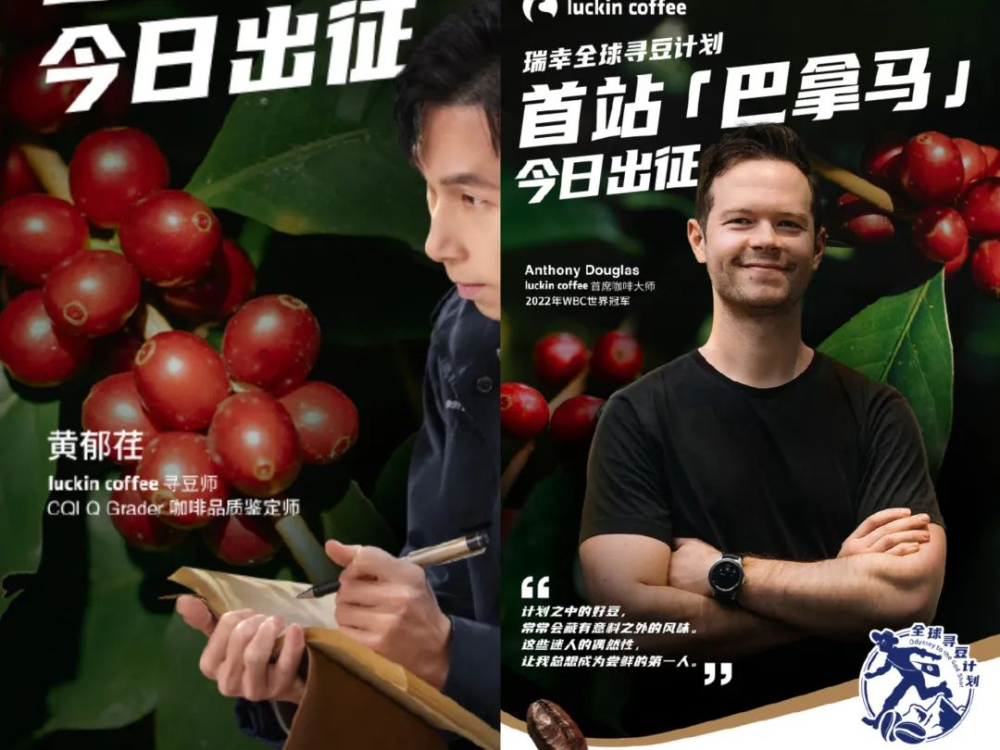
In late February this year, Luckin Coffee announced across multiple platforms that starting in March it would travel to Ethiopian and Panamanian coffee regions with Anthony Douglas, the 2022 World Barista Champion (WBC), to source beans. The news immediately set the coffee community buzzing!
The excitement had history: back in January of last year, Luckin launched an SOE (Single Origin Espresso) built on the well-regarded "Ethiopia Sidamo Buku" bean. Around that launch, Li Guoqing, founder of Dangdang, posted criticism of Luckin across several short-video platforms—particularly the claim that Luckin had bought up over 90 tons of Buku beans to create a monopoly.
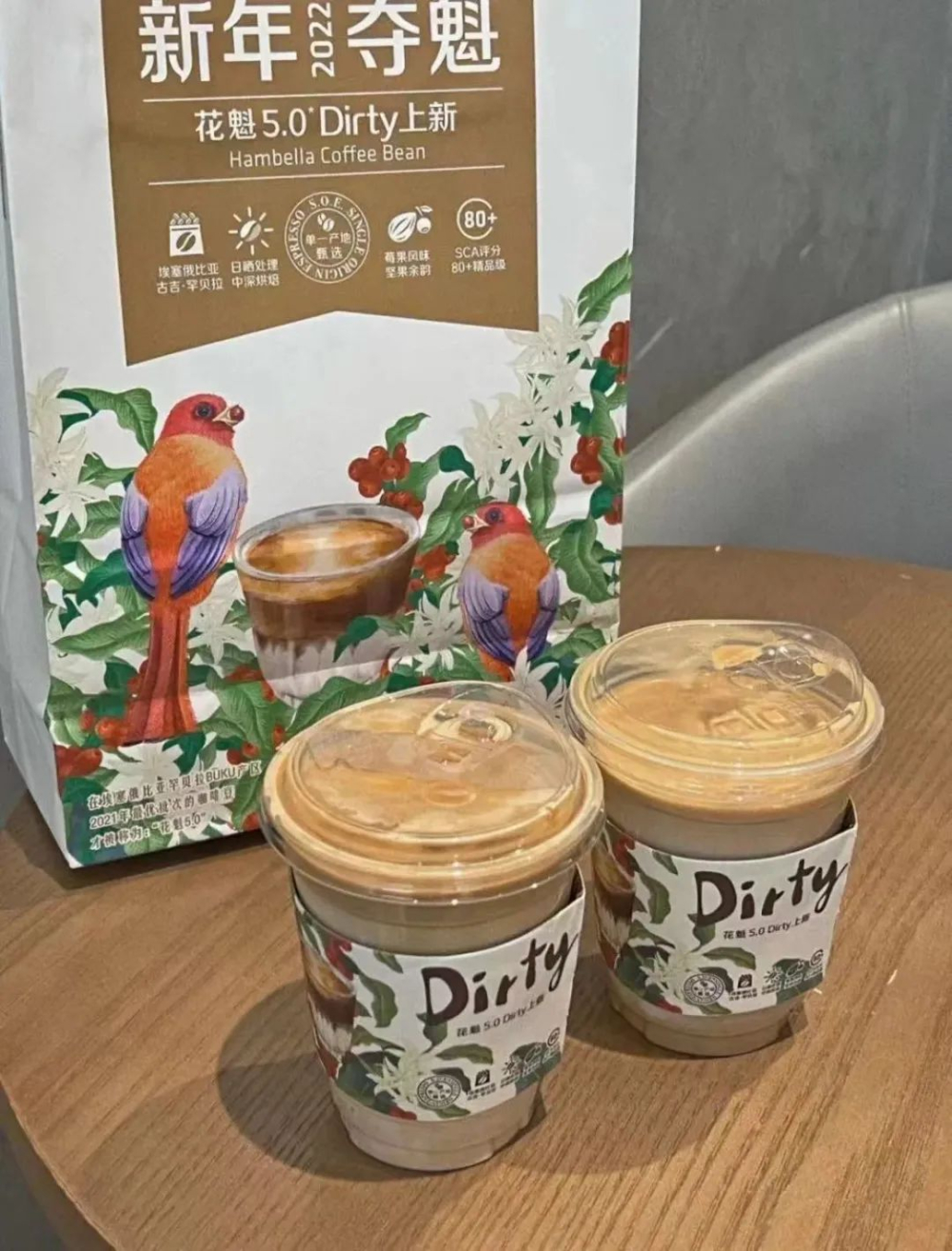
In reality, Luckin's 90-plus-ton Buku purchase did not affect the subsequent market supply or price of Buku beans at all.
The Geisha SOE Launch
Then in September of last year, Luckin made another splash with a Geisha SOE. That, too, made many coffee insiders nervous. But the beans were Ethiopian native Geisha—production volume similar to the Ethiopian heirloom varieties we drink every day. Both are natural mixed varieties (too jumbled to categorize finely) and are graded G1 through G5 by the defect rate of the green beans.
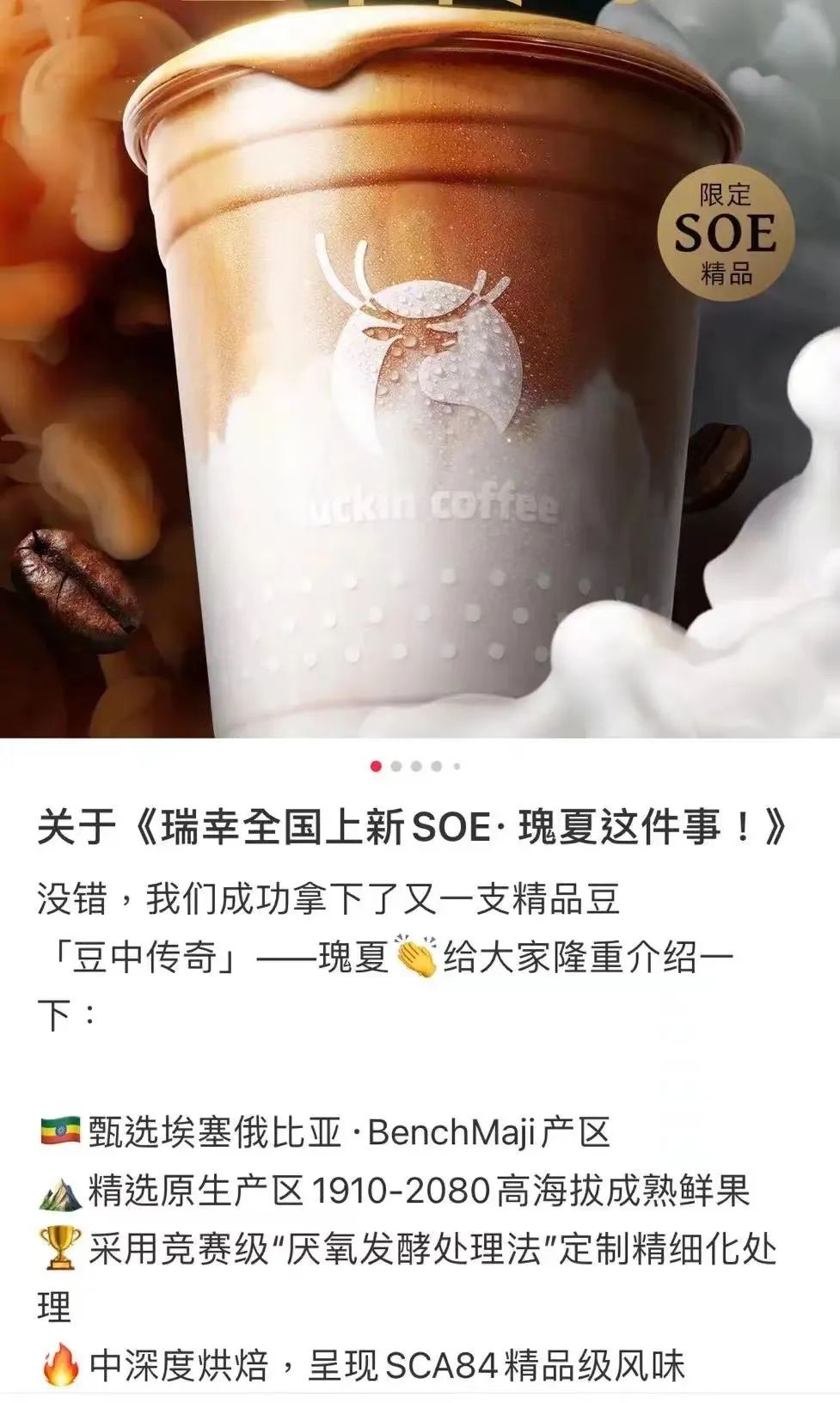
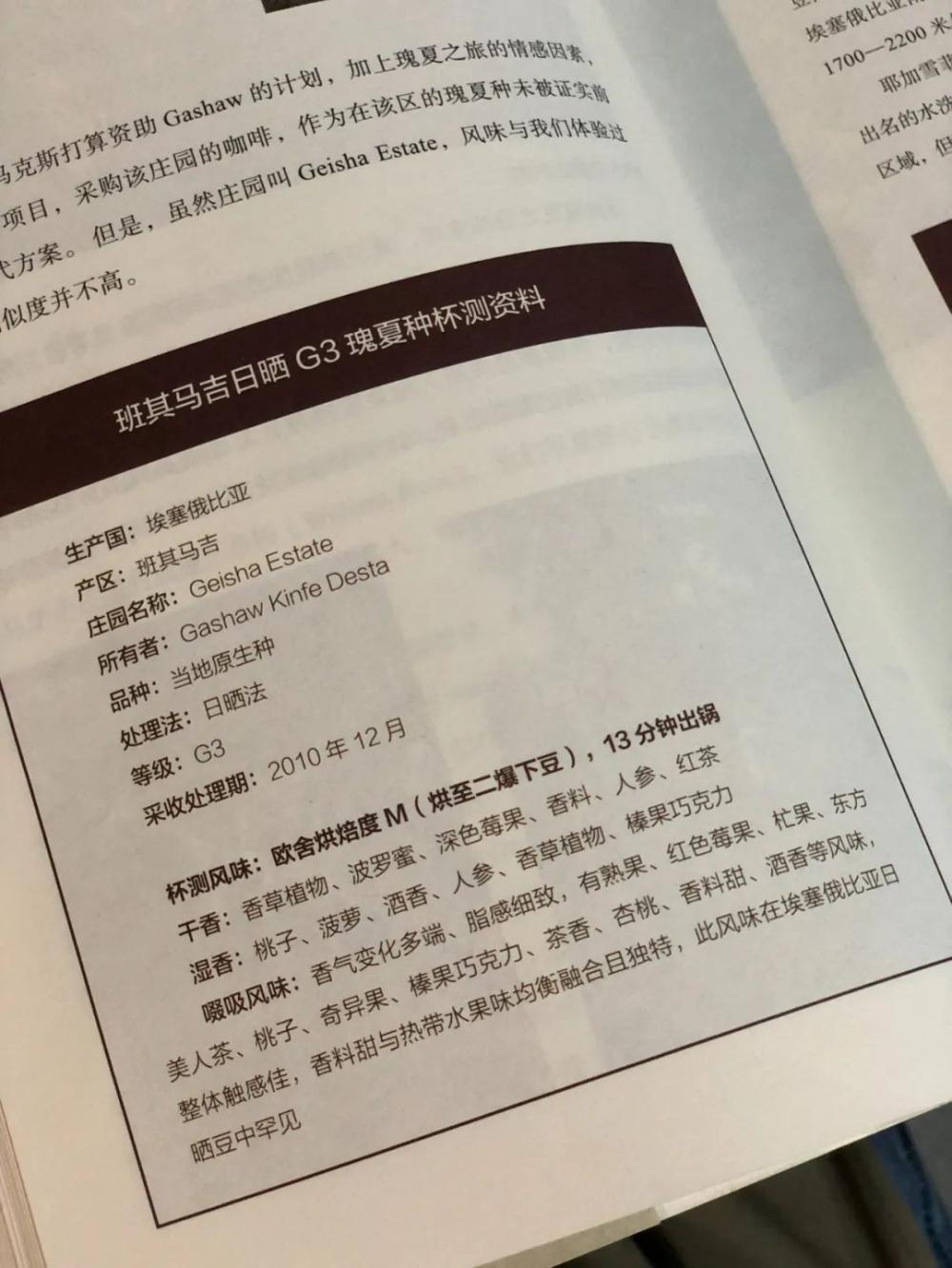
In the cup, it resembles Ethiopian heirloom rather than the exquisite flavor people associate with famous Panamanian Geisha. Whatever the grade, its quality, flavor, and price differ sharply from South American Geisha or Ethiopia's Geisha Village lots, and it isn't classified as specialty coffee. According to Xu Baolin's "Bean Hunter 2," native Geisha dropped just after the second crack shows cupping notes of berries, nuts, spices, and plant roots.
Plenty of enthusiasts felt Luckin's deep roasting of the Ethiopian Buku and Geisha beans was a waste—many complained the chain was "ruining" the coffee.
So when Luckin officially announced on March 25 that it was heading to Panama to source beans, part of the coffee community worried aloud for Panama's Geisha... One netizen commented: "If they keep their traditional deep roast, it makes no difference whether they source beans or not." Whether they'd even be interested in Geisha from Hacienda Deborah or Hacienda La Esmeralda remained to be seen.

Will Luckin Really Bring Back Geisha?
Will they? Panama doesn't only grow Geisha! All Geisha grown in Panama today traces to the "Geisha T2722" line—a variety refined over decades by several generations, possessing delicate floral and fruity aromas. Compared with other Arabica varieties, T2722 Geisha not only yields little fruit but is fragile and highly picky about its environment: it demands high altitude, fertile soil, cloud cover or shade, and cannot tolerate direct intense sunlight.
What's more, the T2722 Geisha tree's leaf system is thin, so photosynthetic efficiency is low, and its root system is weak—absorbing water and nutrients slowly—which drives yields down further. Combined with high-altitude growing conditions, fruit maturity also comes late in the season.
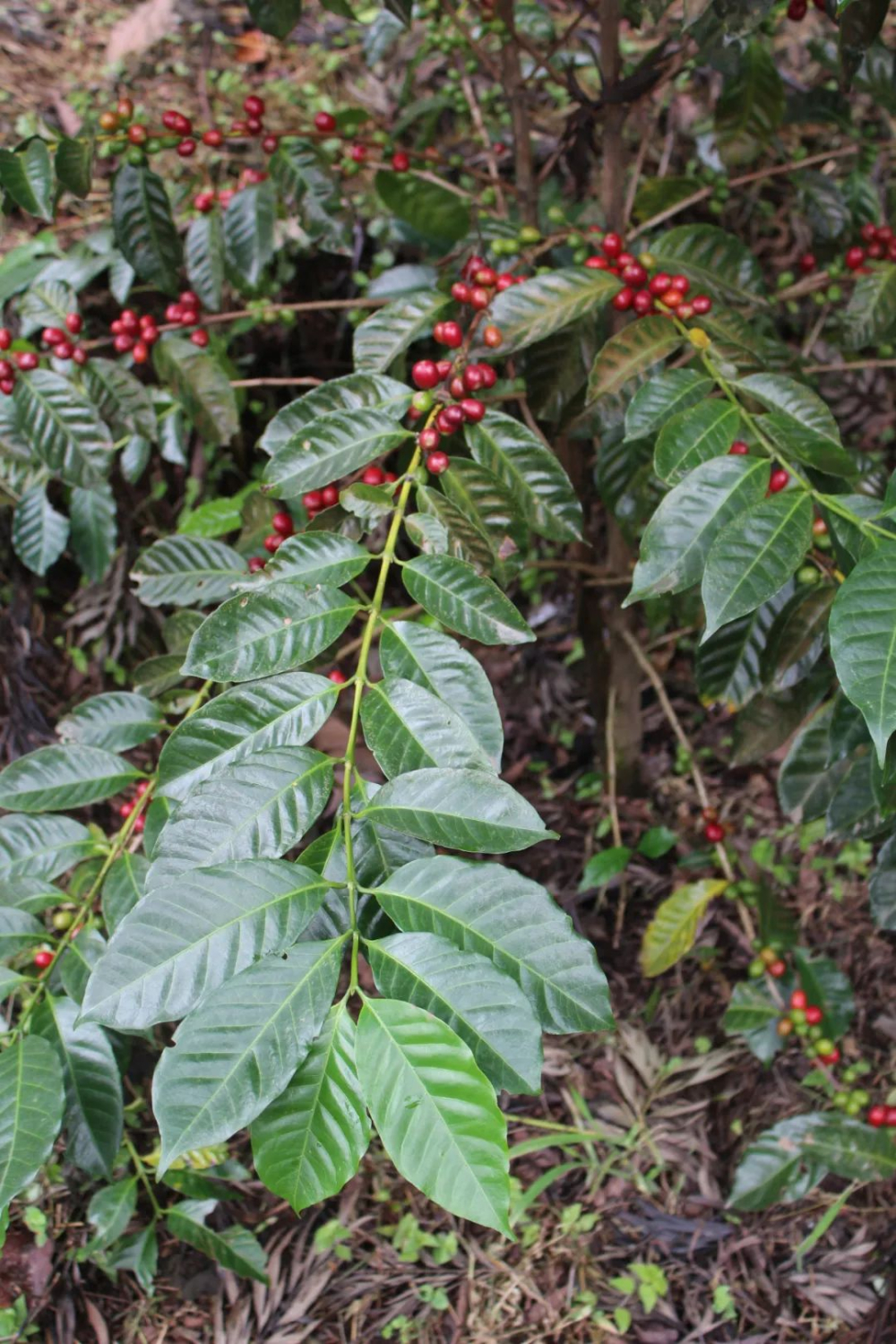
A single Geisha tree produces only about half the yield of a Caturra tree—which is why Panama's Geisha accounts for just 3% of the country's annual coffee production.
Panamanian Geisha is a globally sought-after commodity: low supply, high demand, high prices—even average-quality Geisha isn't cheap. So it's unlikely Luckin went to Panama hunting for Geisha.
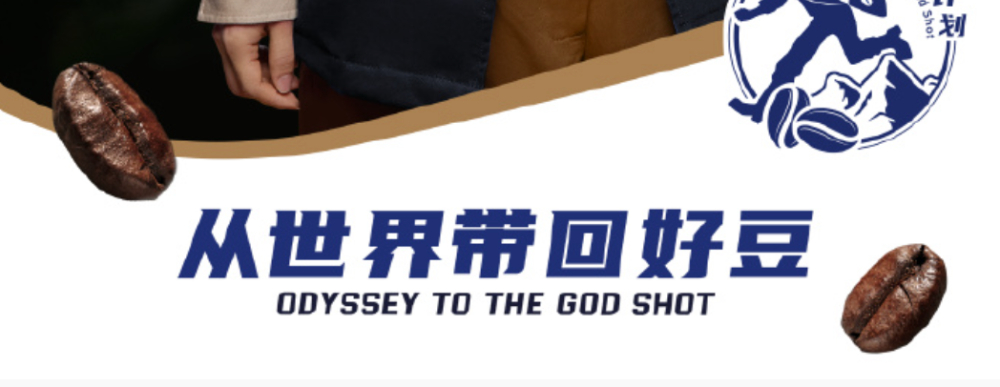
Looking at Luckin's promotional poster, the cutout images of the coffee trees and beans suggest something far more common in Central and South America: the Caturra and Catuai varieties—the workhorses behind most of Panama's annual production.
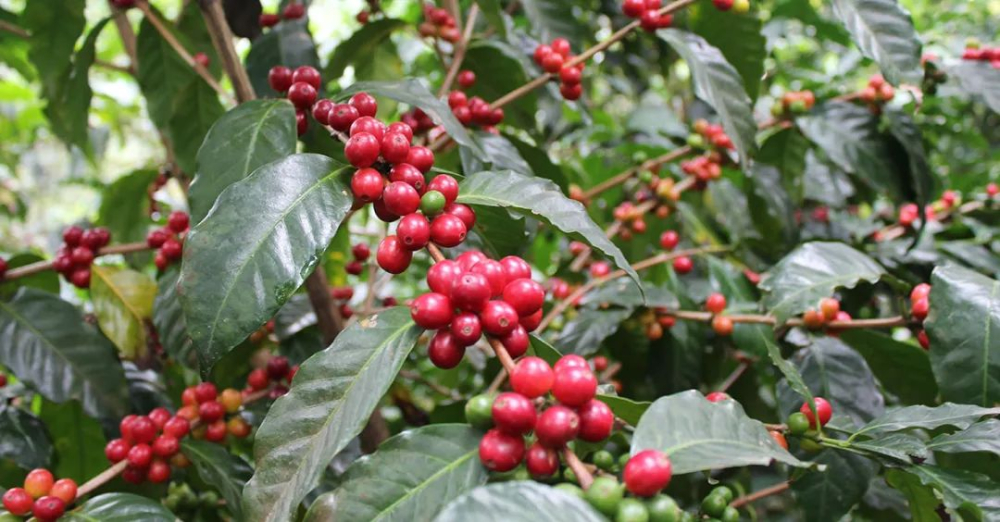
Caturra
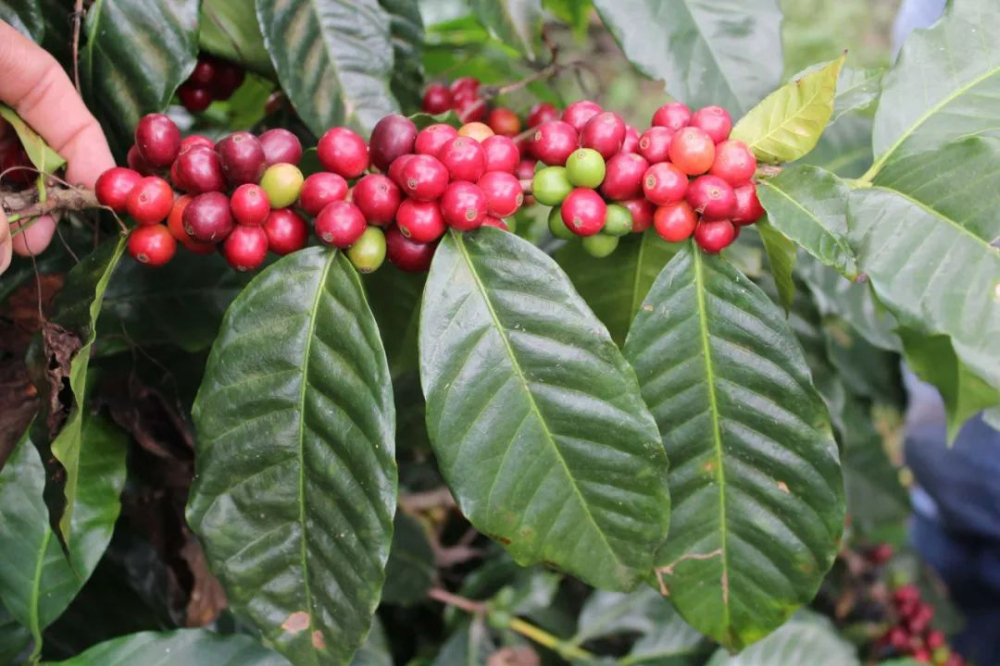
Catuai
The tree on the poster looks like Caturra because Caturra's secondary branches grow very close together, letting it pack more fruit into the same space. Of course, it could also be Catuai—a Caturra × Mundo Novo hybrid that yields even more.
Without careful comparison the two look similar, and both are high-yielding. The Caturra guess rests on the visible spacing still left between the fruits.
A T2722 Geisha tree, by contrast, carries far less fruit, with wide gaps between fruit clusters and a low overall fruit count.
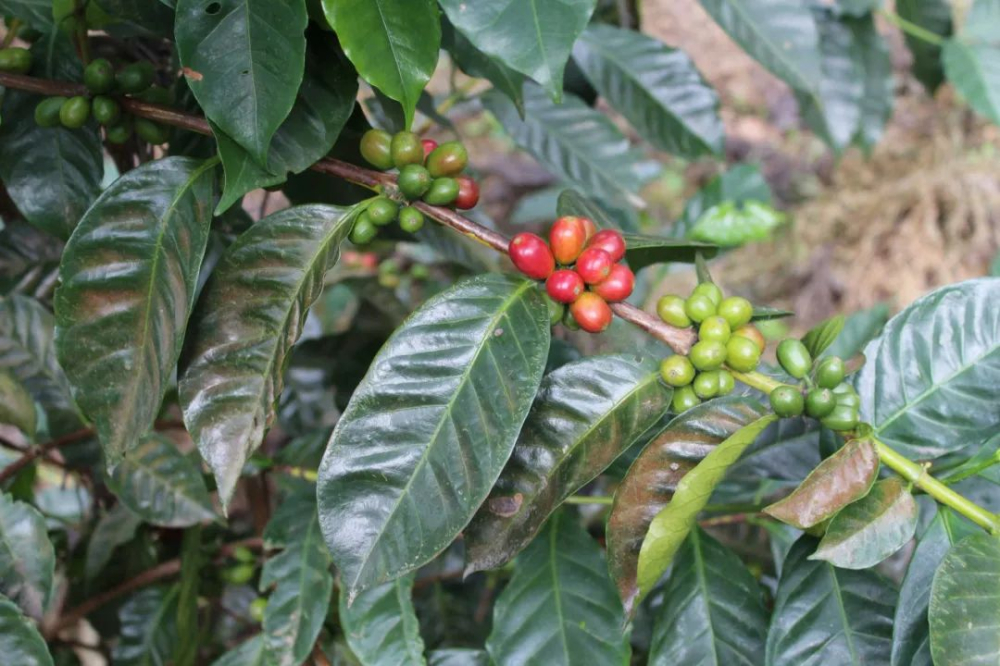
T2722 Geisha
The Caturra & Catuai guess is also supported by the cutout of roasted beans at the bottom of the poster: oval and flat, with a slender tail end—more consistent with Catuai's bean shape (the overall physical characteristics of the beans).
Conclusion and Industry Impact
Well—it's all speculation. Whatever variety Luckin brings back from Panama, we'll only know for sure when it shows up in their products. Let's wait and see together.
For the coffee industry, this isn't necessarily a bad thing—and a true monopoly is impossible. Every time Luckin makes a move like this, more mainstream consumers get a first look at single-origin beans and coffee varieties.

It also nudges curious drinkers toward independent specialty coffee shops, to taste the difference between the same bean served at a chain versus an indie specialty café.
The Buku SOE was the clearest example: chatting with other coffee shop owners afterwards, they all mentioned that customers asking about Buku coffee rose noticeably during that period, and many said it was Luckin's Buku SOE that first sparked their interest in Ethiopian beans.

Good, low-yield beans offer little opportunity for monopoly, while common, high-yield beans don't need one. And as a chain that must keep products consistent across every store, some sacrifice in flavor at roast is unavoidable.
So every specialty coffee lover can relax about Luckin's bulk buying driving up prices. In recent years there have been plenty of high-quality, great-tasting beans—there's no need to fixate on any single one. Many, many delicious coffees are still out there waiting to be tasted.
Image source: Internet
FrontStreet Coffee Recommendation
Want to taste what real Geisha is about without the auction-lot price tag? Our Geisha lineup spans every budget:
FrontStreet Boquete Geisha — the entry-level Panama Geisha we recommend first to newcomers: the classic orange-blossom honey character, oolong-tea body, delicate fruit acidity, and distinct layers—at a fraction of estate-lot prices.
FrontStreet Esmeralda Red Label Geisha — the genuine article from Panama's Esmeralda estate: grown at 1,600–1,800m, each lot cupping above 90 points and traceable to a single plot (ours from the Harimiu plot). Floral fragrance with juicy fruit acidity and a tea-like sweet finish.
FrontStreet Granana Estate Geisha — Ethiopian native Geisha, natural-processed on raised beds for 14–20 days and medium-light roasted: bright citrus acidity, elegant ginger-flower aroma, full ripe-fruit sweetness, and a silky cup with Geisha's signature refined finish. Also available as an SOE—espresso shows dried apricot, caramel and nuts; with milk it's like a creamy cookie.
Important Notice :
FrontStreet Coffee is a long-established specialty coffee roaster in Guangzhou China, selling freshly roasted beans from its own farm in Yunnan as well as dozens of carefully selected single-origin beans from around the world for both pour-over and espresso. The products deliver consistently excellent quality and great value, with shipping within 24 hours. Guangzhou's FrontStreet Coffee shop is recommended by many coffee lovers, and the beans are now available online at the Tmall 。
FrontStreet Coffee has moved to a new address:
FrontStreet Coffee Address: 315,Donghua East Road,GuangZhou
Tel:020 38364473
 Scan and follow the En Gafei WeChat official account. Please indicate that the reprint comes from "En Gafei".

