
Tibetan Cafe Recommendation! %Arabica Coffee Opens Store at the Potala Palace!!
%Arabica Opens Its First Tibet Store, the Highest in the World
Yesterday the official account of the coffee brand %Arabica announced that its first store in Tibet, and the highest-altitude %Arabica in the world, had officially opened.
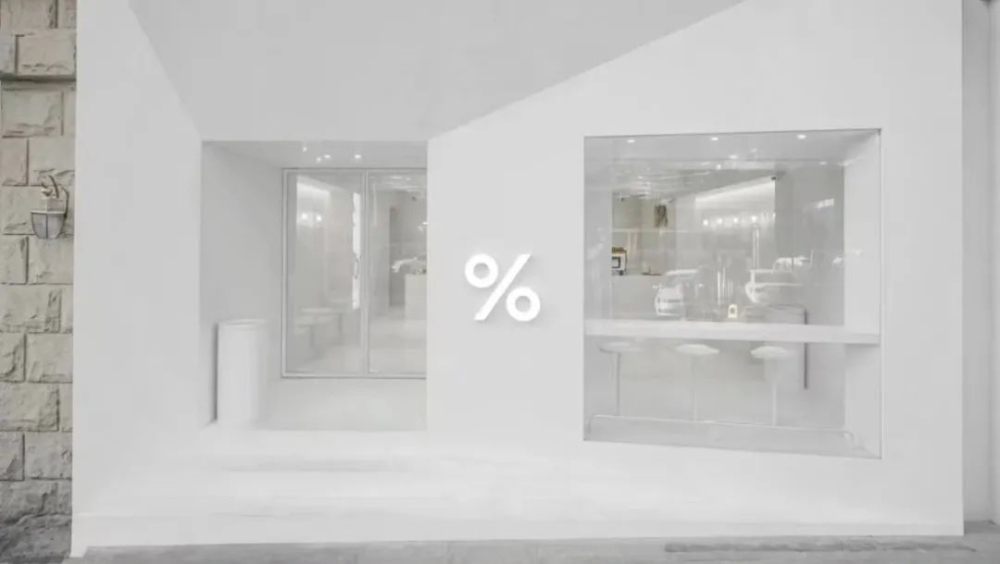
Promotional photos show the store facing the Potala Palace, a building with more than 1,300 years of history, across the road. The pure white, clean design with geometric lines stays true to %Arabica's minimalist style while echoing the snow-covered mountains.

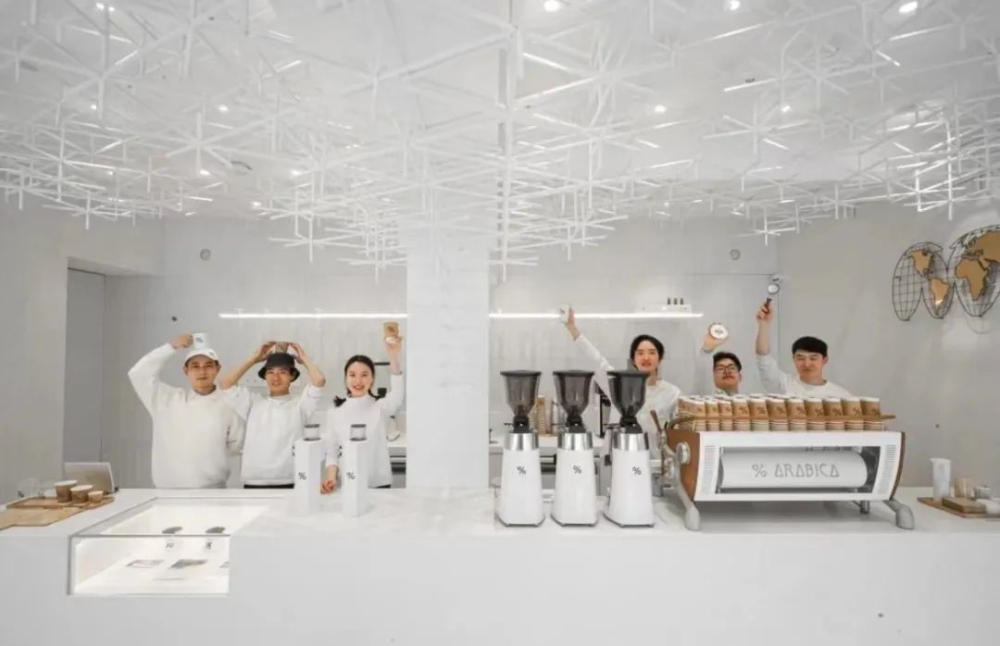
The ceiling takes its inspiration from snowflakes, letting visitors feel the scale of the mountains directly. Paired with irregular structural elements, it creates a light, airy feel and blends the grandeur of the Potala Palace with the easy mood of a coffee shop.
Public Reaction and Market Analysis
%Arabica's decision to open near the Potala Palace surprised many netizens. Part of it is the collision of cultures and eating habits, and part of it is the brand's interesting habit of choosing unlikely locations.
On the choice of Lhasa, some netizens argue that tourism there has thrived in recent years while the coffee market remains relatively undeveloped, making it a strategic site with strong promotional value. Operating costs are also lower than in major cities.
What Does It Cost to Open a Coffee Shop in Lhasa?
Is it really cheaper to open a coffee shop in Lhasa?
In fact, opening a store in Lhasa is not cheap: transport is difficult and drives costs up, and rents vary by location but are not low either. Comparing similar foot traffic, a prime site in Lhasa can actually cost more than a busy area in a first-tier city.
Lhasa's Coffee Market
So how does Lhasa's coffee market look?
Observation and research show that it is far from blank. A 2020 survey found that Lhasa already had more than 100 coffee shops at the time, including 10 specialty coffee shops.
People assume the market is undeveloped because they expect local demand for coffee to be very low. But in the internet age, coffee culture has long since spread through online platforms. Even where coffee is not an essential purchase, the growing social needs of young people make more coffee shops inevitable.
Over the past two or three years Lhasa has also become a focus for young entrepreneurs. Many local young people picked up coffee-drinking habits while studying abroad at university and came home to start businesses after graduating. Others who lived in big cities and returned home, or who come to visit, naturally form the main customer base.
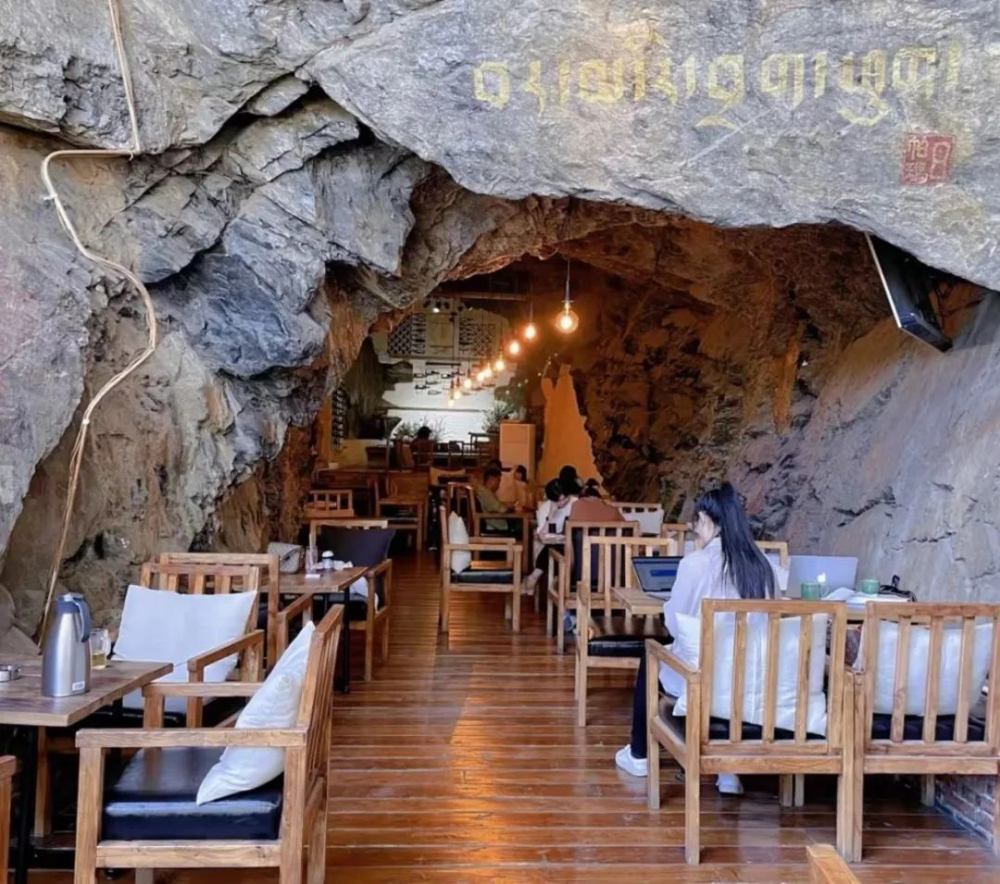
Today there are more and more coffee shops opened by local people in Lhasa and in famous scenic areas, as well as local coffee brands that have done very well there.
International brands bring the recognition that gives consumers a sense of trust, and the contrast of cultural atmospheres draws more people to visit and check in. Brands can also use their surroundings to tell more stories, closing the distance to consumers through a more humanistic narrative.
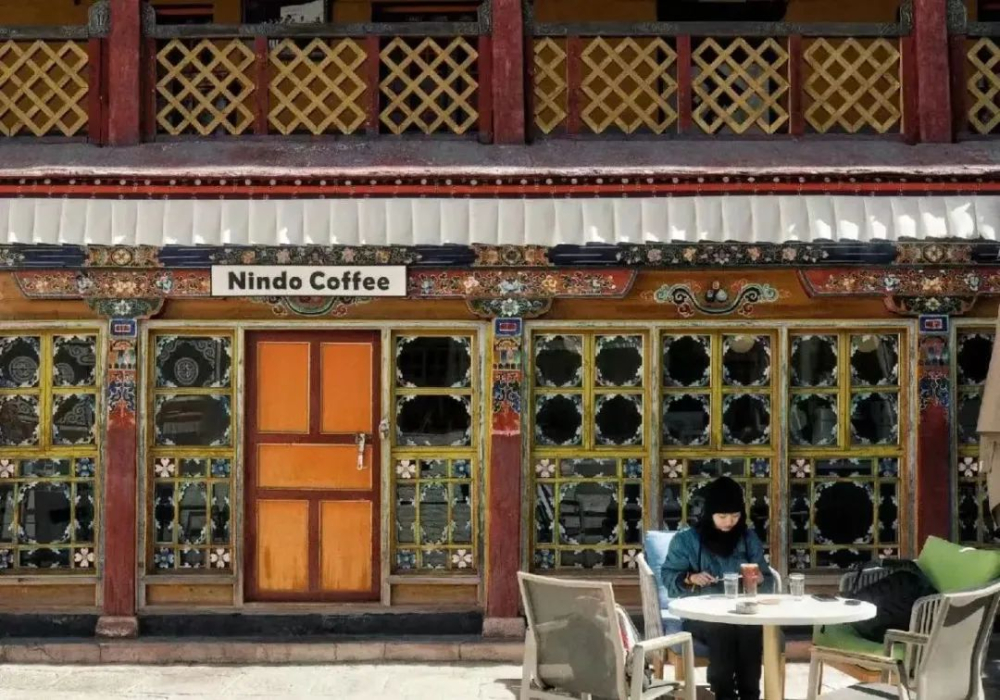
Impact on Local Coffee Culture
The steady arrival of international chain coffee brands has only a limited effect on the business of local coffee shops. Independent shops can absorb Tibetan local culture more easily, letting every visitor experience Tibet's character while tasting coffee; most people drink coffee for the atmosphere.
At the same time, the arrival of these chains draws more young people to pay attention to coffee, giving local consumers a deeper understanding of it.
Image source: Internet
FrontStreet Coffee Recommendation
If the view from a high-altitude cafe has you thinking about stocking a shop or simply pulling better milk drinks at home, the espresso blend is where it starts. FrontStreet offers five distinct espresso blends, and every bag ships within five days of roasting so the flavour arrives as complete as possible. FrontStreet Specialty Blend suits home and office use and specialty neighbourhood cafes: it combines washed Colombian and semi-washed Brazilian beans for notes of nuts, dark chocolate and caramel with a comfortable bittersweet balance. It pours smoothly into a latte, holds latte art steadily, and makes a layered Dirty.
FrontStreet Commercial Blend targets all kinds of coffee shops. Built on the classic Brazilian and Colombian pairing plus a small amount of Robusta, it adds notes of toasted bread, almond and walnut, good oil flow and a low-acid, full body, and its price advantage makes it the obvious pick for a shop. FrontStreet Dark Cocoa Blend, meanwhile, suits cafes, bakeries, drinks shops and home machines alike: washed Yunnan small-bean coffee with semi-washed Brazilian beans, balancing nutty tones against the acidity of ripe plum, with aromas of cream chocolate and cocoa cookie and a golden, glossy crema.
Important Notice :
FrontStreet Coffee is a long-established specialty coffee roaster in Guangzhou China, selling freshly roasted beans from its own farm in Yunnan as well as dozens of carefully selected single-origin beans from around the world for both pour-over and espresso. The products deliver consistently excellent quality and great value, with shipping within 24 hours. Guangzhou's FrontStreet Coffee shop is recommended by many coffee lovers, and the beans are now available online at the Tmall 。
FrontStreet Coffee has moved to a new address:
FrontStreet Coffee Address: 315,Donghua East Road,GuangZhou
Tel:020 38364473
 Scan and follow the En Gafei WeChat official account. Please indicate that the reprint comes from "En Gafei".

