
Why Are Coffee Processing Methods Becoming Increasingly Complex?
A friend who knows both wine and coffee recently complained to FrontStreet Coffee: "When I was learning about coffee, there were only a handful of processing methods. I stopped following coffee news for just two years, and now the methods have become so convoluted. It's as if every bean needs its own bespoke process."
The growing complexity signals that the purpose of processing itself has changed. Different methods didn't originally emerge to create distinctive flavors — they existed to adapt to local conditions and process coffee cherries into beans efficiently.
Washed processing is a case in point. It wasn't invented to taste different from naturals. In Indonesia, natural processing simply didn't work: unlike East Africa or the Arabian Peninsula, Indonesia's humidity and frequent rain meant naturally dried beans often couldn't dry fully and spoiled.
So the Dutch invented washed (wet) processing. By stripping away the peel and mucilage — the parts prone to fermentation and spoilage — bean quality improved and drying time shrank. In Indonesia's climate, natural processing might take 3–4 weeks to dry, while washed processing cut that to 2 weeks, greatly reducing moisture-related spoilage. Later, to shorten drying even further, Indonesia gradually developed the wet-hulled method.
Brazil's pulped natural process and Central America's honey process likewise grew out of local conditions.
From the results, we can see that flavor differences between methods come down to what substances take part in fermentation. Naturals are generally considered sweeter and more layered than washed coffee — because in natural processing, the peel, pulp, mucilage, and beans all ferment together. In washed processing, only the mucilage and beans ferment during the first 1–2 days; once the mucilage layer sloughs off, just the beans remain.
Today's proliferation of methods exists precisely because everyone now understands that different techniques create different flavors — processing has become a pursuit of flavor itself.
Some Central American estates realized that the amount of fermenting material shapes the final flavor, so they subdivided honey processing into black honey, red honey, and yellow honey.
Some Colombian estates realized that fermenting in different environments yields subtly different flavors, so anaerobic processing spread through the industry. A conventional anaerobic natural, for instance, seals cherries in a closed container for oxygen-free fermentation before proceeding with sun drying.
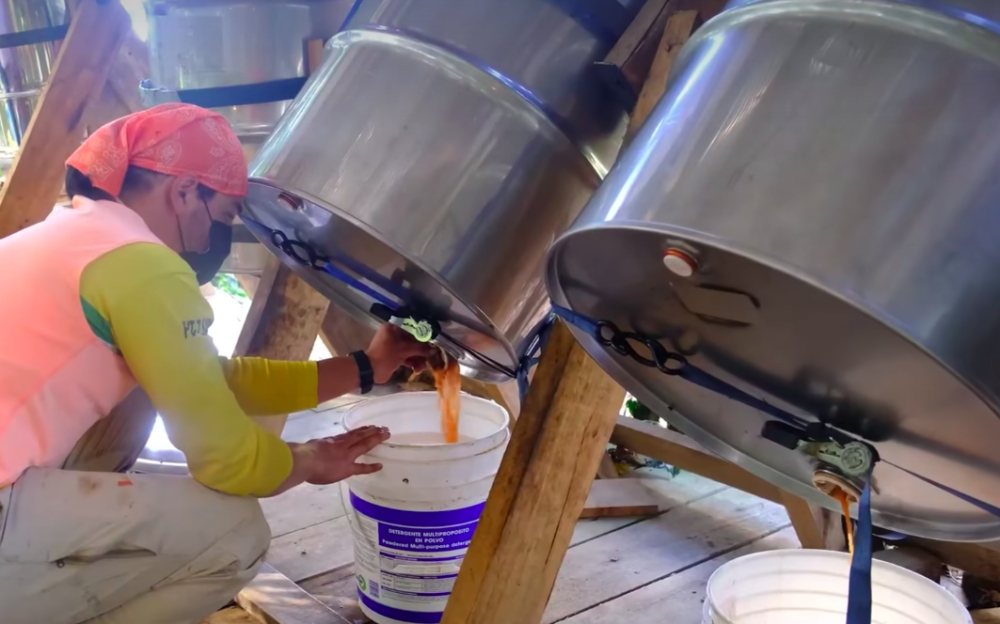
Anaerobic processing is complicated in its own right — fermentation time, temperature, microbial control, pH management. There's essentially no standard formula; each estate relies on its own experimental experience. Which is why some estates tweak the names of their methods to highlight selling points.
Some emphasize fermentation duration, adding the number of hours to the name: 72-hour anaerobic natural, 144-hour anaerobic natural, and so on.
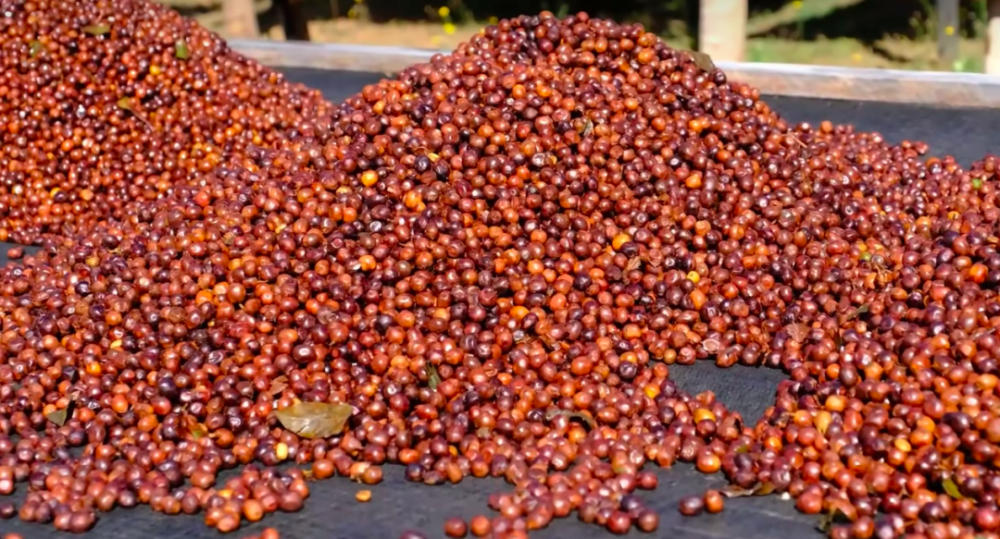
Others highlight temperature control during fermentation, producing names like "low-temperature slow anaerobic washed."
And some add enzymes (proteases) to assist fermentation, labeling the result "anaerobic enzyme washed."
Another reason the terminology keeps multiplying: the old naming was never very precise. Both Ethiopia and Kenya sell "washed" coffee, yet their washed procedures differ significantly.
Conventional Ethiopian washed processing starts with floatation to remove defective beans and debris. After depulping, beans ferment in tanks for 48–72 hours, then are rinsed into a clean water tank for 4–8 hours of soaking. Once the mucilage washes off, they're sun-dried.
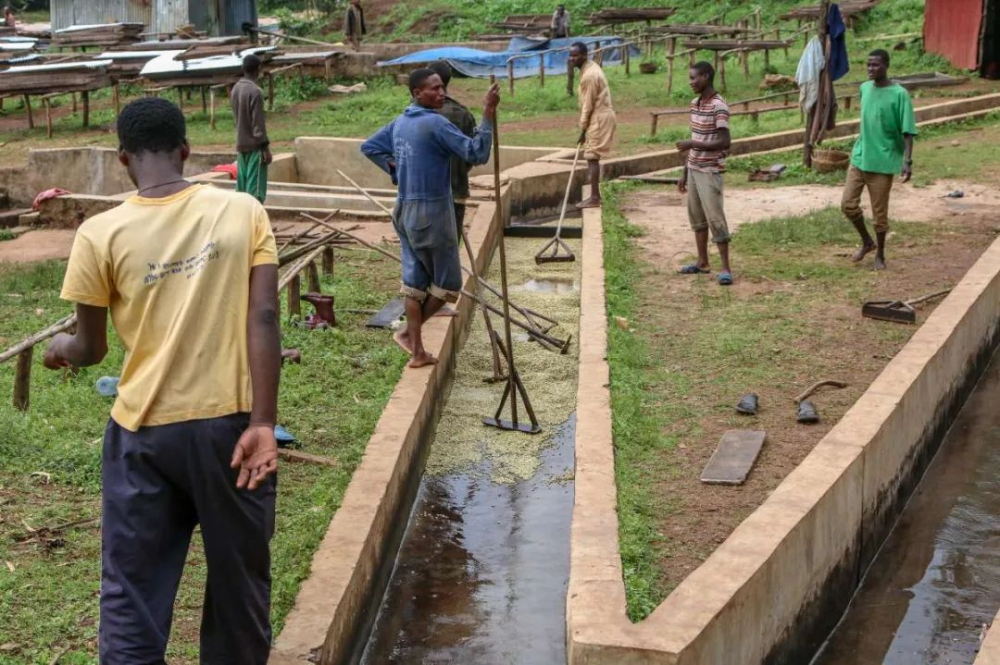
Conventional Kenyan washed processing also begins with floatation. After depulping, beans ferment for 12–36 hours, then are manually rinsed into a second clean water tank for another 12–36 hours of soaking and fermentation before the washed parchment is sun-dried.
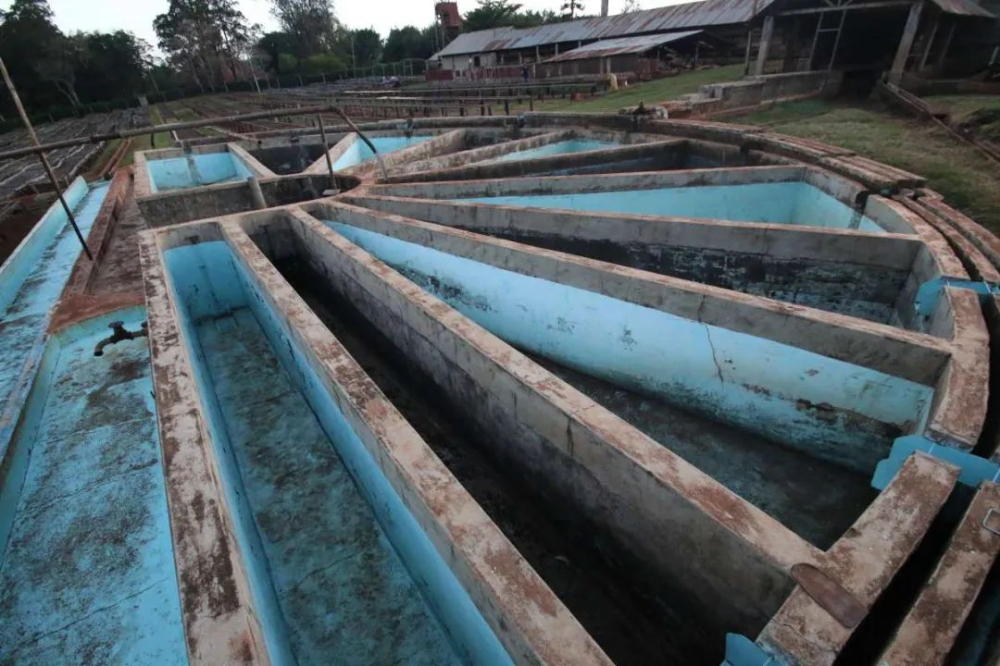
Some Kenyan stations also use dry fermentation (washed), where the initial fermentation happens without added water. Typically, after 6–8 hours of waterless fermentation, water is added to rinse the beans, drained, and repeated several times; the second tank stage follows the same routine.
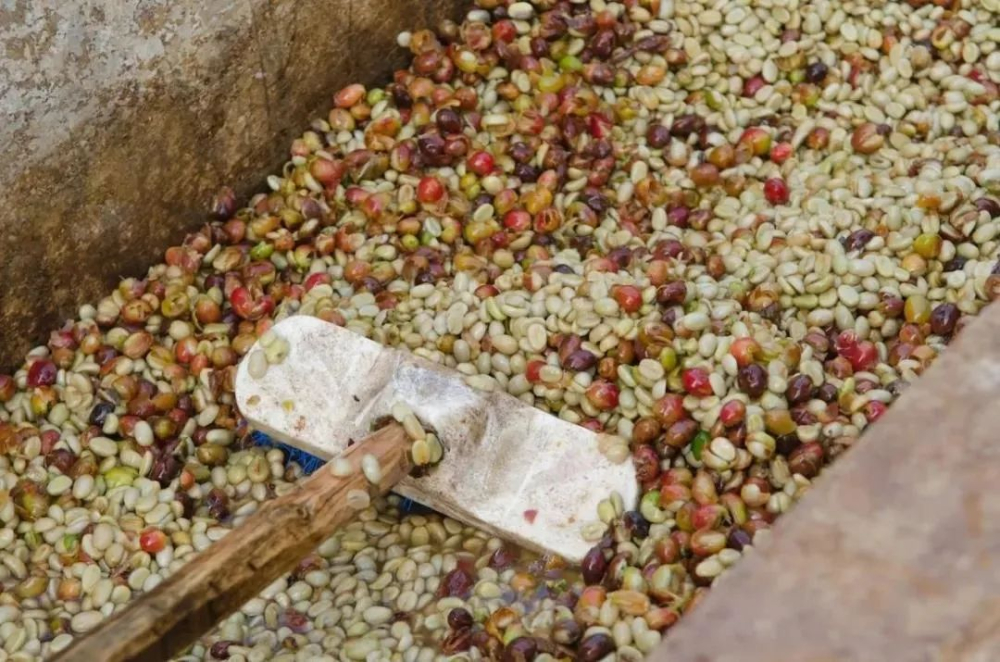
All of these are "washed" on the label — yet the different techniques produce clearly different cups.
In short, today's ever-expanding roster of processing methods reflects the consumer market's pursuit of flavor and its demand for detailed traceability information.
FrontStreet Coffee Recommendation
Processing aside, Brazil shows how terroir shapes a cup in its own quieter way. As the world's largest coffee producer, Brazil offers beans with moderate acidity and excellent balance of sweetness, bitterness, and body — ideal for medium roasts. FrontStreet Coffee's pulped-natural Cerrado Red Bourbon is a classic single origin: creamy peanut, toasted bread, caramel, and hazelnut aromas with a rounded, non-acidic palate, at home in pour over, moka pot, espresso, siphon, or French press.
For something rarer, the Fazenda Rainha (Queen's Estate) Yellow Bourbon from Mogiana's fertile red volcanic soil — a mutation of Red Bourbon with cleaner fruit character — delivers sugarcane sweetness with fruit and chocolate notes that no other origin quite matches, through hand drip, moka pot, or home espresso machine.
Important Notice :
FrontStreet Coffee is a long-established specialty coffee roaster in Guangzhou China, selling freshly roasted beans from its own farm in Yunnan as well as dozens of carefully selected single-origin beans from around the world for both pour-over and espresso. The products deliver consistently excellent quality and great value, with shipping within 24 hours. Guangzhou's FrontStreet Coffee shop is recommended by many coffee lovers, and the beans are now available online at the Tmall 。
FrontStreet Coffee has moved to a new address:
FrontStreet Coffee Address: 315,Donghua East Road,GuangZhou
Tel:020 38364473
 Scan and follow the En Gafei WeChat official account. Please indicate that the reprint comes from "En Gafei".

