
Why Are Fewer People Going to Starbucks in China? Why Is Starbucks Coffee So Expensive?
Starbucks' Declining Popularity in China
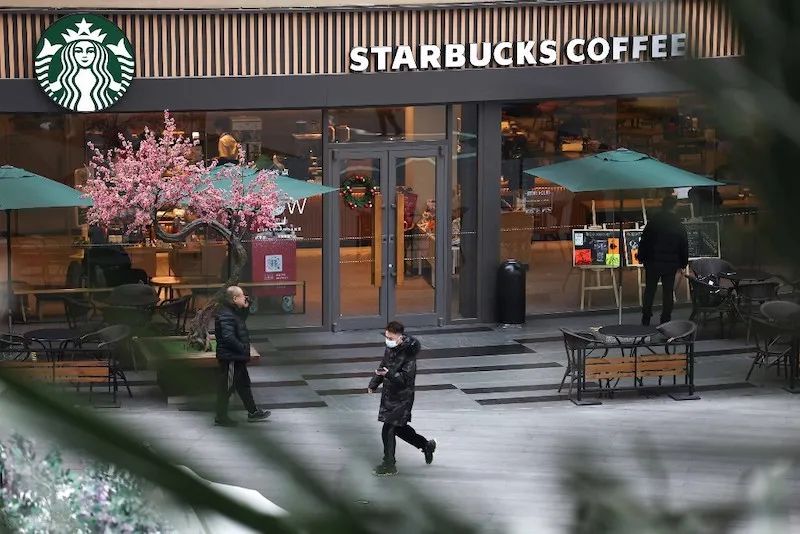
Today, many users on Weibo are asking why fewer people are going to Starbucks in China and why Starbucks' sales are falling in the Chinese market.
According to Starbucks Corporation's first-quarter 2023 financial report released this February, global same-store sales rose 5% year on year, while Chinese same-store sales fell 29% year on year. On those figures, some Wall Street analysts noted that China, as Starbucks' second-largest market globally, significantly "dragged down" performance in the first quarter.
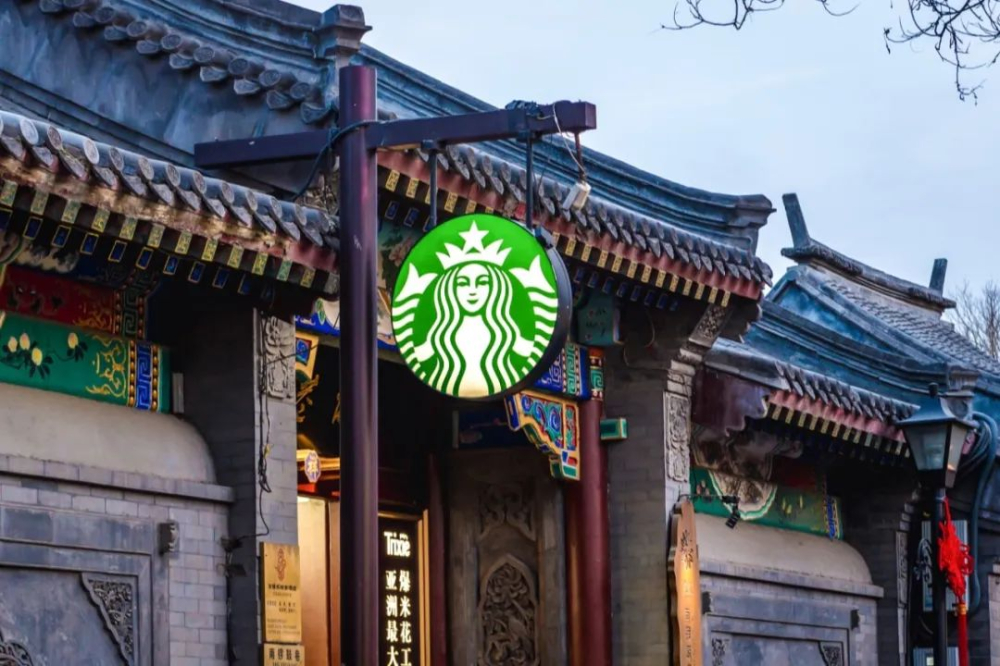
Responding to the analysts, Starbucks interim CEO Howard Schultz said the decline in the Chinese market came down to pandemic-related mobility restrictions and the surge in COVID-19 infections after the zero-COVID policy was lifted. Even so, the final data exceeded their expectations by as much as four times.
Is COVID-19 the Only Reason for Starbucks' Decline?
Is the decline in Starbucks' China sales truly just about the pandemic? Judging from the discussion among netizens, the pandemic looks like only a "final blow," with the fundamental issues lying in operations and management themselves.
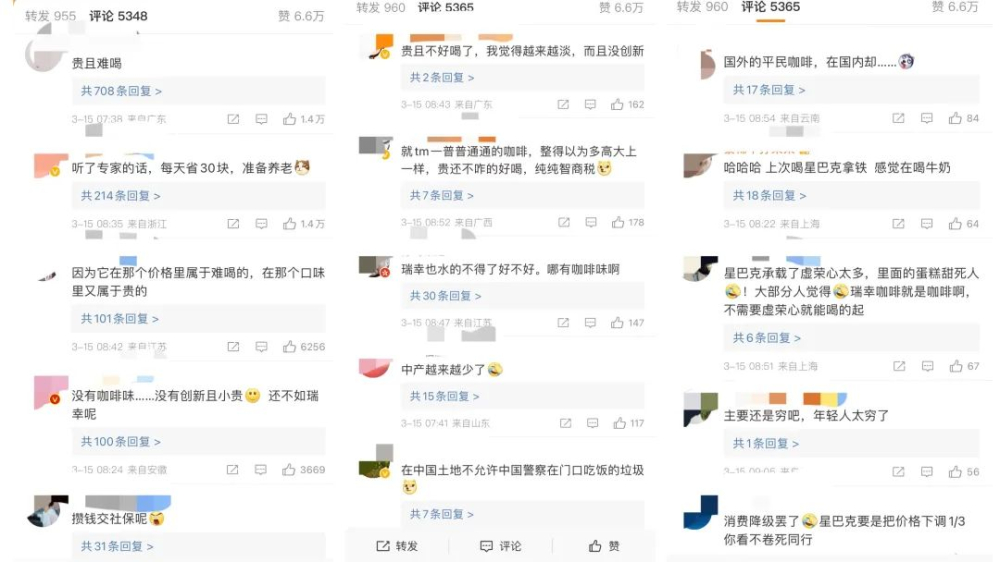
The reasons people give for visiting Starbucks less often generally revolve around a few points: "arrogance in crisis public relations has reduced consumer goodwill," "the service experience keeps getting worse," "products are repetitive, uninnovative, and do not taste good," "low product value with growing coffee alternatives," and "the economic downturn has reduced consumer spending."
Arrogance in Crisis Public Relations Has Reduced Consumer Goodwill
Last year's incident in which Starbucks staff removed police officers dining in the outdoor seating area, and Starbucks China's handling of it afterward, accelerated consumers' loss of goodwill toward the brand. The main issue is that when facing such an incident, regardless of whether events unfolded exactly as the police statement described, once the facts confirmed it happened, offering a sincere apology immediately and showing the proper attitude would have prevented such a high level of public anger.
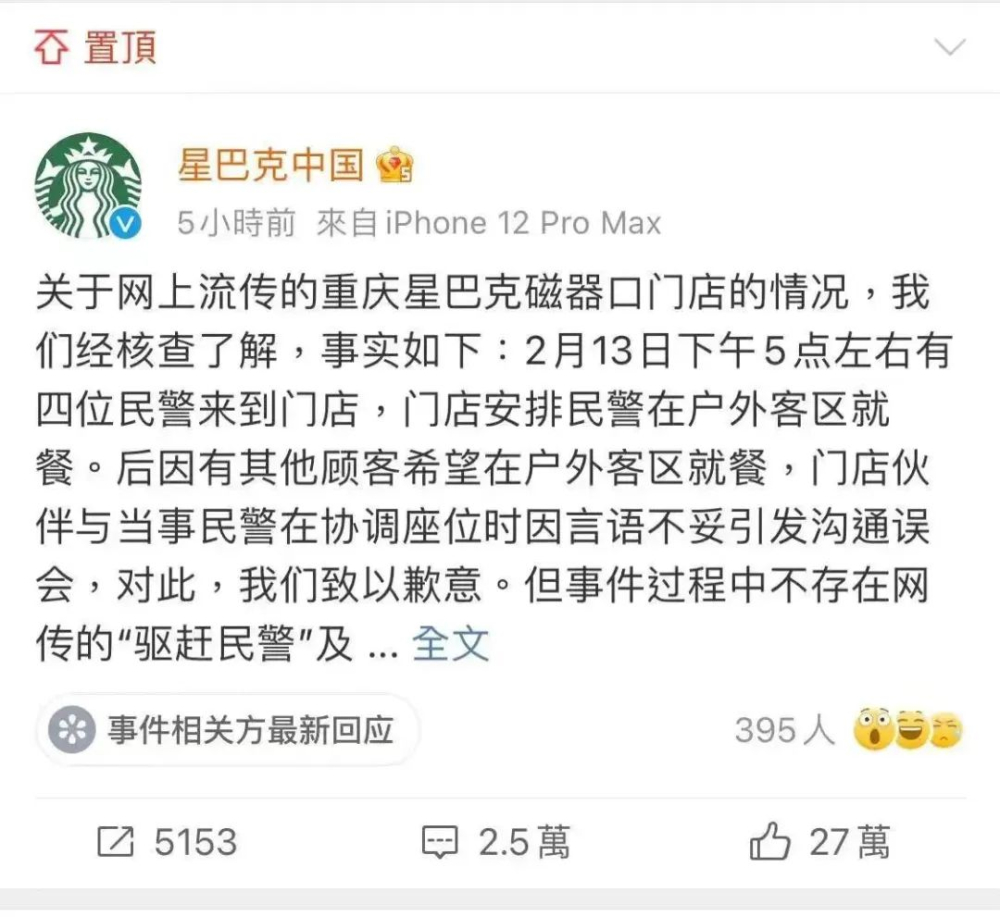
Instead, when handling the matter, Starbucks tended to first use facts and reasoning to prove it "was not wrong," thereby ignoring the negative public sentiment. It also failed to address the negative impact promptly, letting the incident become a lasting consumer complaint that steadily eroded goodwill toward the brand.
Deteriorating Service Experience
The pandemic raised Starbucks' operating costs, and staff in almost every store have been stretched to the limit, with employees becoming increasingly versatile. In some average-performing stores, a shift consists of just one employee plus one manager. When one person covers multiple positions, simply keeping service fast is already a challenge, let alone looking after the customer experience.
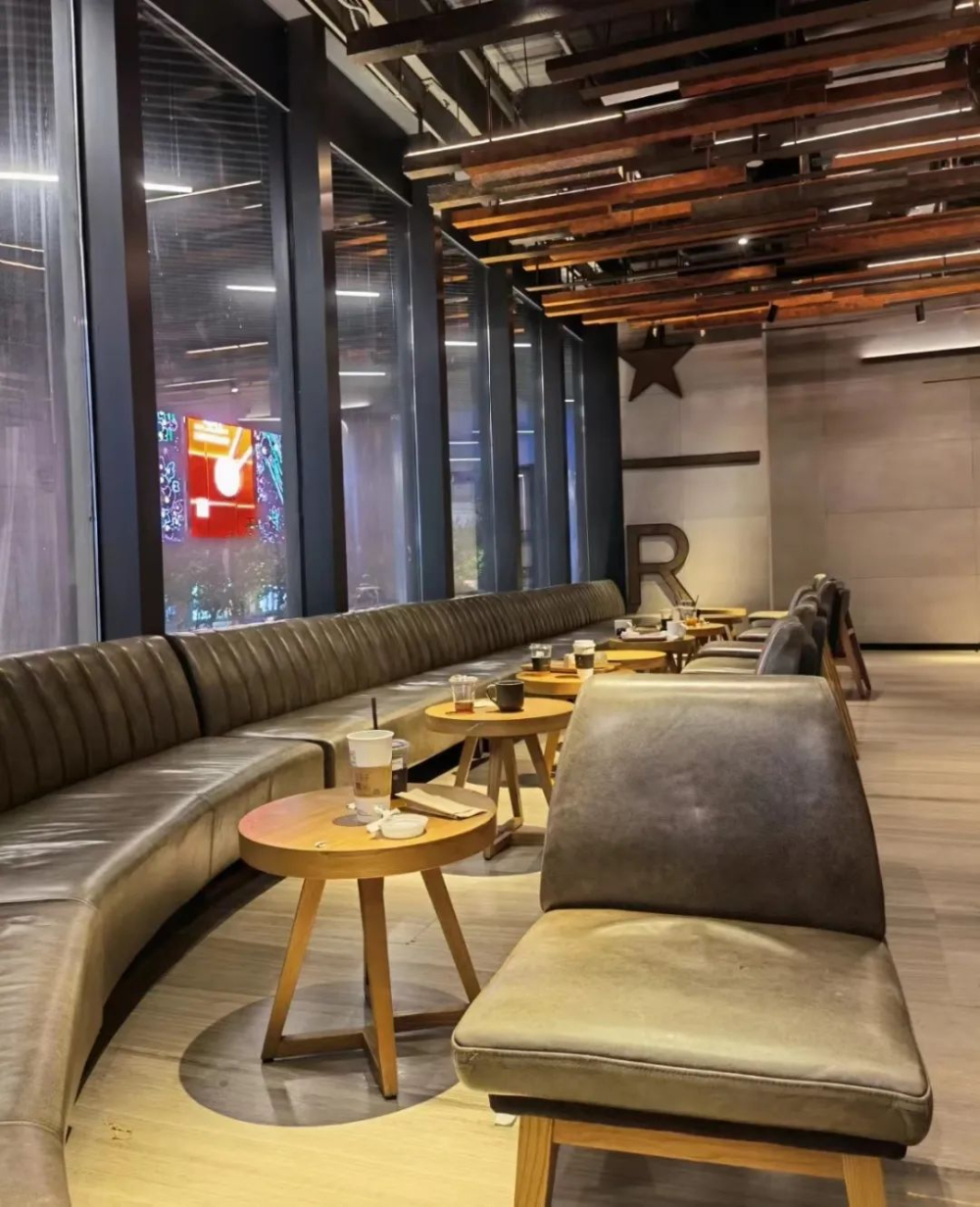
This creates a vicious cycle: declining customer experience leads to fewer repeat visits, which leads to continued sales deficits, which leads to higher operating costs, which leads to further cost cutting, which leads to a further decline in customer experience.
Lack of Product Innovation
Looking at Starbucks' new products across several regions, beverage innovation in the Chinese market is fairly conservative. In other regional markets, a new product is launched for every thematic campaign, with little repetition. Even when items return, they are usually positioned as classic comebacks, paired with other new flavor innovations.
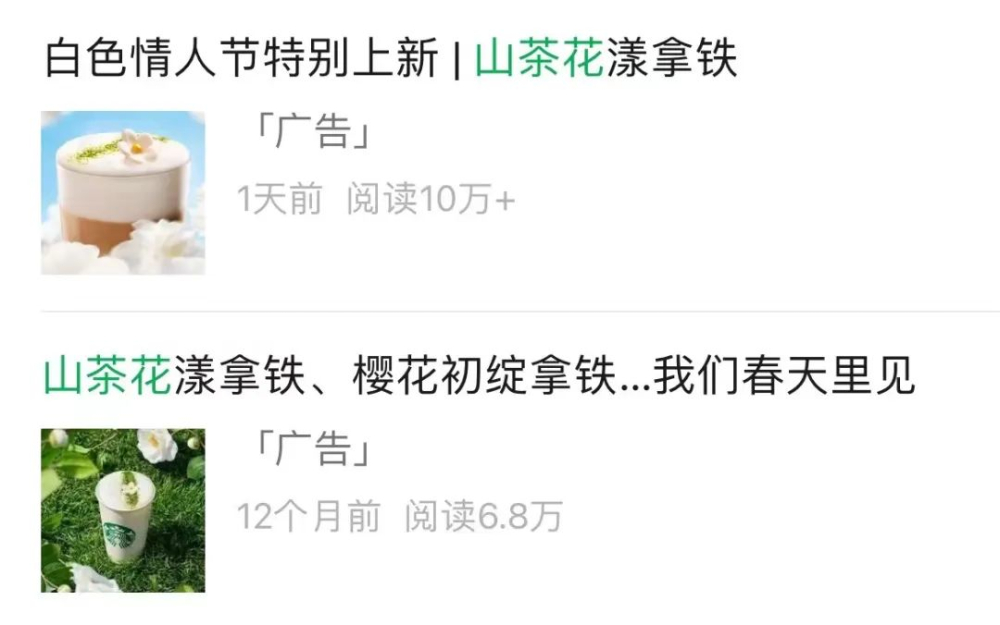
By contrast, Starbucks China's new products are either completely unchanged or bring similar flavors under a new name. For today's consumers, who seek novelty, this holds little appeal and fails to meet most consumers' flavor expectations.
Low Product Value with Growing Alternatives
A large beverage typically costs thirty to forty yuan or more. Even with coupons, the flavors do not appeal to the masses, and consumers have little motivation to buy again. Measured against classic products or past themed offerings, consumers gradually come to see the brand and its products as poor value for money.
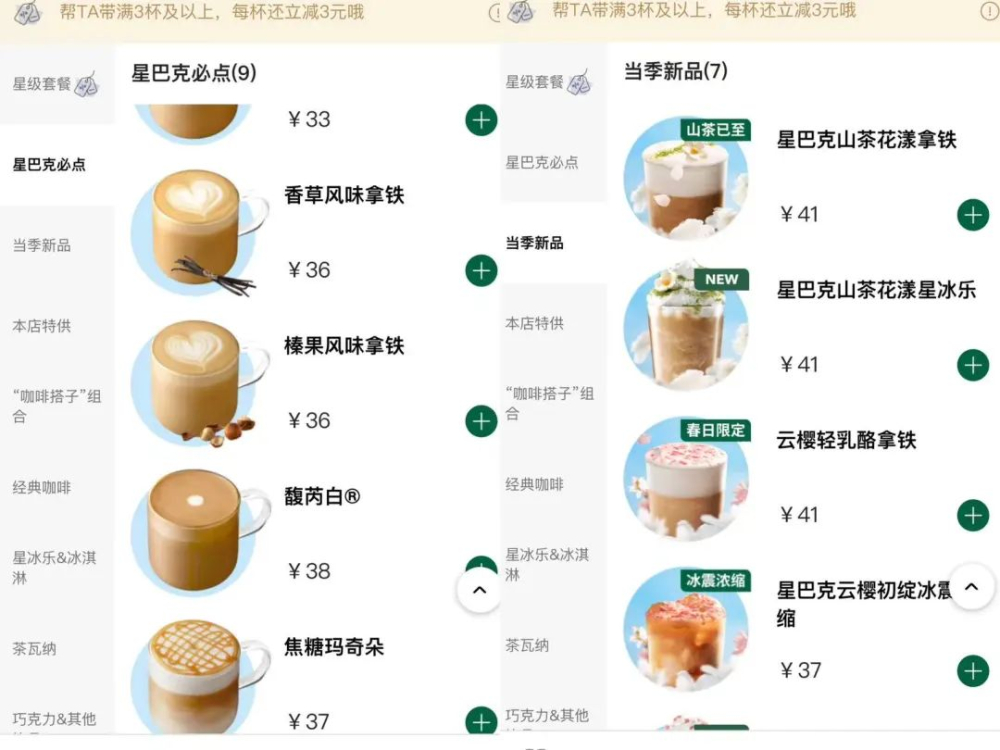
Meanwhile, other domestic coffee brands have risen quickly with flavor innovation and affordable prices, and three years of pandemic-era remote work led many people to buy coffee products online and brew at home, which further reduced their attention to Starbucks.
Economic Downturn and Reduced Consumer Spending
In recent years, domestic milk tea brands and coffee chains have emerged rapidly with fast-paced flavor innovation and affordable prices, pushing Starbucks' core white-collar customers toward more budget-friendly options. On social media, people rarely share Starbucks coffee anymore, preferring new milk tea flavors instead. Some netizens mentioned that when they used to drink coffee at Starbucks, the neighboring tables would be taken by people with laptops holding phone conferences and discussing brand strategy, mission, and vision, which made their own concerns feel trivial and left them hesitant to chat loudly about gossip nearby. Now, visiting Starbucks, they hear discussions about how to pay social security in the future, how to secure retirement, and whether this generation will still receive a pension.

The Path Forward for Starbucks in China
From the reactions, it seems what Starbucks needs to consider is not accelerating expansion into lower-tier markets or opening new stores as fast as possible, but focusing on the operations of its existing stores. Correspondingly increasing operating costs and staffing may be the key to change.
Accelerating into lower-tier markets is indeed Starbucks' way of lowering its profile and connecting with mass consumers, but coffee and coffee shop options are abundant today. If even its prized third space and service experience cannot be better maintained, it will be hard to win back consumer trust in the brand.
Image source: Internet
FrontStreet Coffee Recommendation
With cafe prices climbing and more people brewing at home, a good everyday bean matters more than ever, and entry-level specialty coffees make it easy to drink well without spending much. FrontStreet Ethiopia Huakui, a traditional sun-dried Sidamo, is one of the market's most successful stars: heavy on tropical fruit such as strawberry, passion fruit, jackfruit, and lychee, distinctly sweet and very low in bitterness, with a smooth, juicy body.
FrontStreet Brazil Cerrado Red Bourbon comes from Brazil's well-known Cerrado region and is the definition of an easy-drinking daily cup, with typical cream, peanut, and cocoa flavors at a friendly price. For something with more character, FrontStreet Costa Rica Mozart uses a raisin honey process to bring out the sweetness of raisin and blueberry alongside osmanthus and rose aromas, and it works just as well as a pour-over, a cold brew, an Americano, or a latte.
Important Notice :
FrontStreet Coffee is a long-established specialty coffee roaster in Guangzhou China, selling freshly roasted beans from its own farm in Yunnan as well as dozens of carefully selected single-origin beans from around the world for both pour-over and espresso. The products deliver consistently excellent quality and great value, with shipping within 24 hours. Guangzhou's FrontStreet Coffee shop is recommended by many coffee lovers, and the beans are now available online at the Tmall 。
FrontStreet Coffee has moved to a new address:
FrontStreet Coffee Address: 315,Donghua East Road,GuangZhou
Tel:020 38364473
 Scan and follow the En Gafei WeChat official account. Please indicate that the reprint comes from "En Gafei".

