
Chinese-Style Coffee: A Phenomenon Beyond the Beverage Itself
The Rise of Tea-Coffee Culture
The tea-and-coffee combination spent a century in the shadows—and then suddenly went viral.
According to WeChat Index data, ever since ChaYanYueSe launched its coffee line "Yuanyang Coffee" last August, the tea-coffee pairing has captured mainstream attention. Where coffee innovation used to mean dairy products plus coffee, or juice plus coffee, the collision of Eastern and Western flavors has sparked a fresh wave of enthusiasm for Chinese-style coffee.
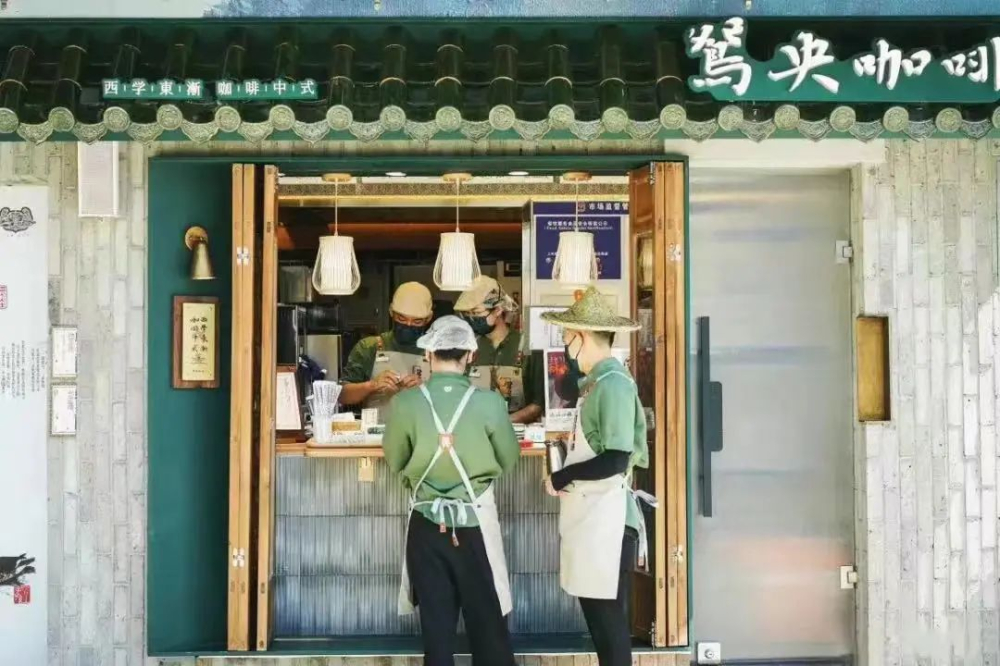
What is Yuanyang?
Yuanyang was born in Hong Kong. Records show that before the mid-19th century, people there had no habit of drinking coffee or milk tea—both arrived with the British, who began ruling Hong Kong in the mid-1800s. At first, milk tea culture belonged only to the British upper class; real tea and milk were too expensive for ordinary workers. So a local tea base was built from broken tea leaves and cheaper blends, brewed with evaporated milk, then the affordable option.
Yuanyang's exact origin can't be pinned down, but one story credits the dock laborers. Before cranes were widespread, ports relied on armies of porters to load and unload cargo. During breaks, the story goes, they mixed bitter, stimulating coffee with their tea to quench hunger and thirst, restore energy, and stay alert.
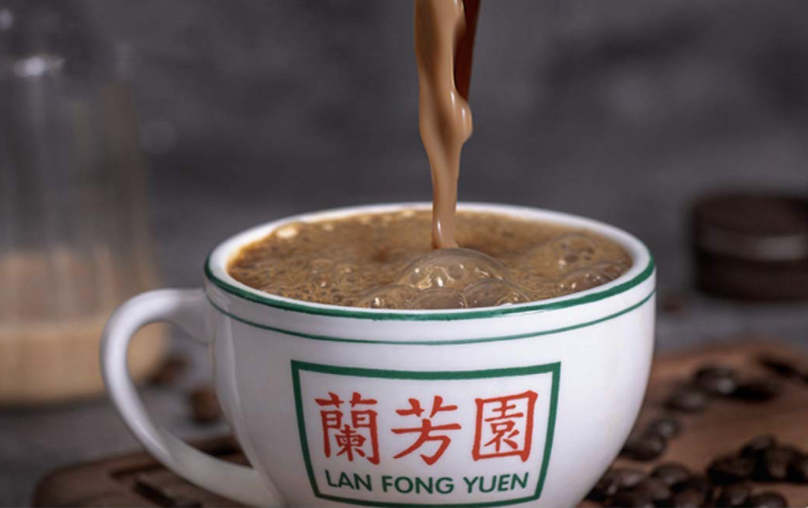
Later, Yuanyang climbed from the grassroots into every corner of society. Tea restaurants kept tweaking the formula, adding evaporated milk to soften the texture and flavor, and the drink gradually won people over to become one of Hong Kong's signature beverages—and a defining tea-coffee drink for Chinese drinkers everywhere.
Yuanyang has roughly a century of history. Why has it only become popular now?
For years, Yuanyang stayed confined to Guangdong, Hong Kong, and Macau. Compared with the milk teas popular nationwide, Hong Kong-style milk tea and Yuanyang carry a much higher tea concentration—usually with noticeable astringency—which made them a hard sell for the broader national palate.
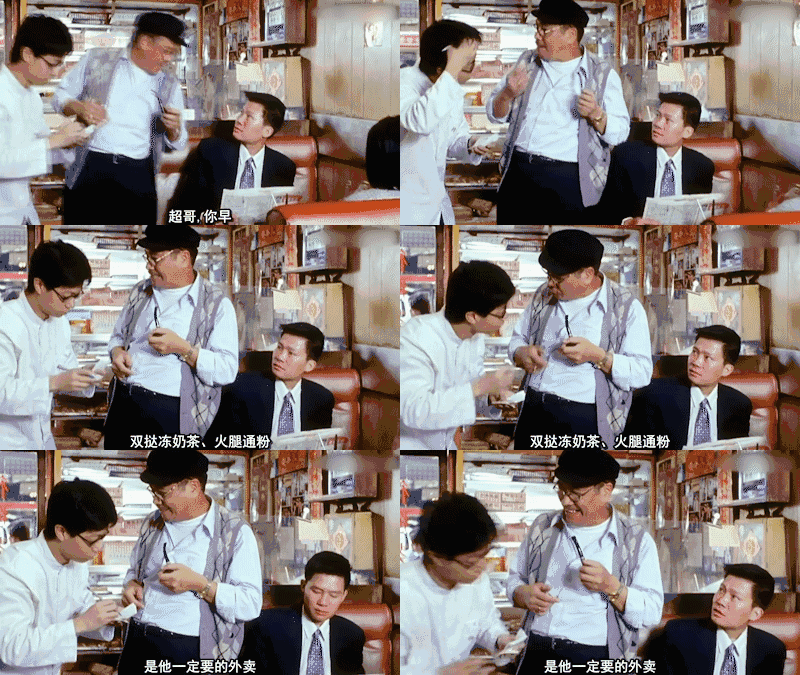
Meanwhile, decades of bubble-tea expansion trained consumers to focus on toppings and milk flavor while ignoring the tea itself. But as traditional Chinese culture revived and "guochao" (China-chic) aesthetics rose, people wanted Chinese tea to be known and understood—giving shape to a new style of tea drinking. Only then did mainstream consumers start caring about the "tea" in milk tea. And because new-style tea drinks are lighter and more refreshing, they match contemporary young people's tastes far better than the heavy Hong Kong-style brews.
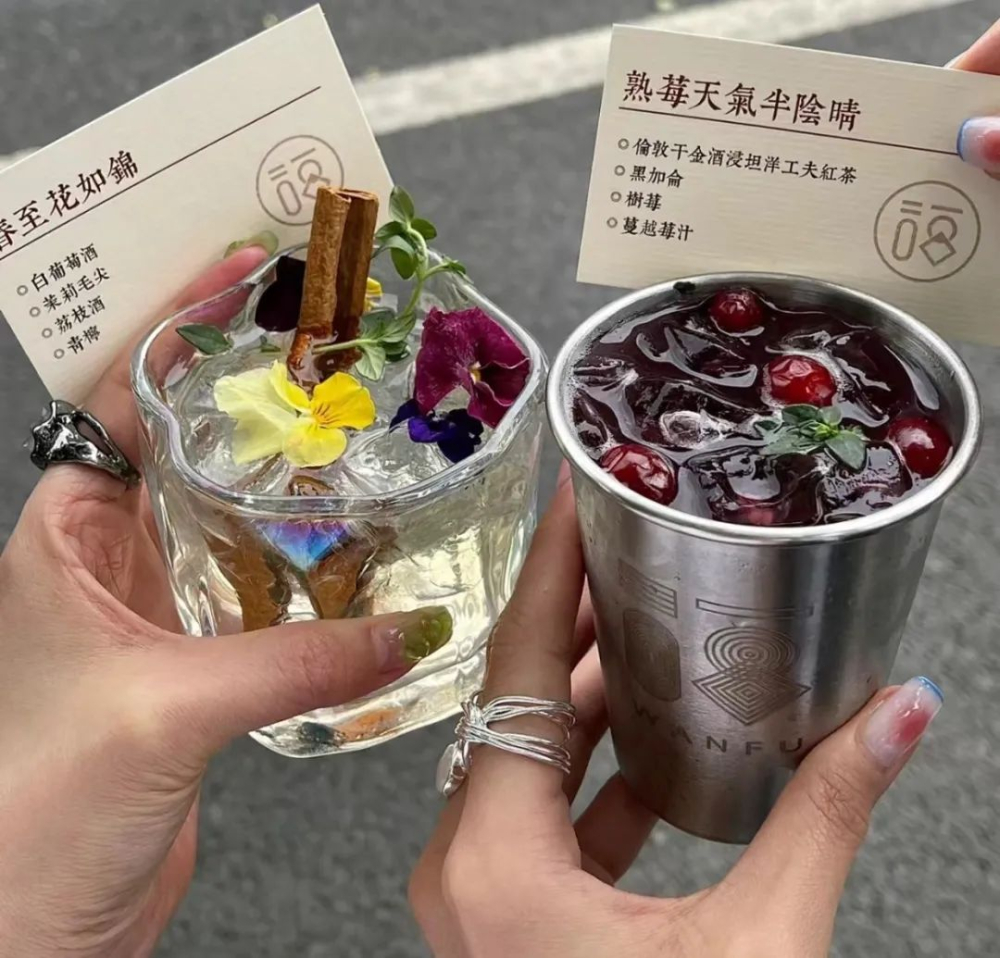
The Evolution of Coffee Innovation
For years, coffee innovation meant one thing: adding dairy. Across regions, coffee stayed a narrow category—black or milk coffee—and that held true when coffee first reached China. But as Chinese consumers spent the past decade chasing novel flavors, milk-coffee variations stopped satisfying, and juice-based coffees appeared.
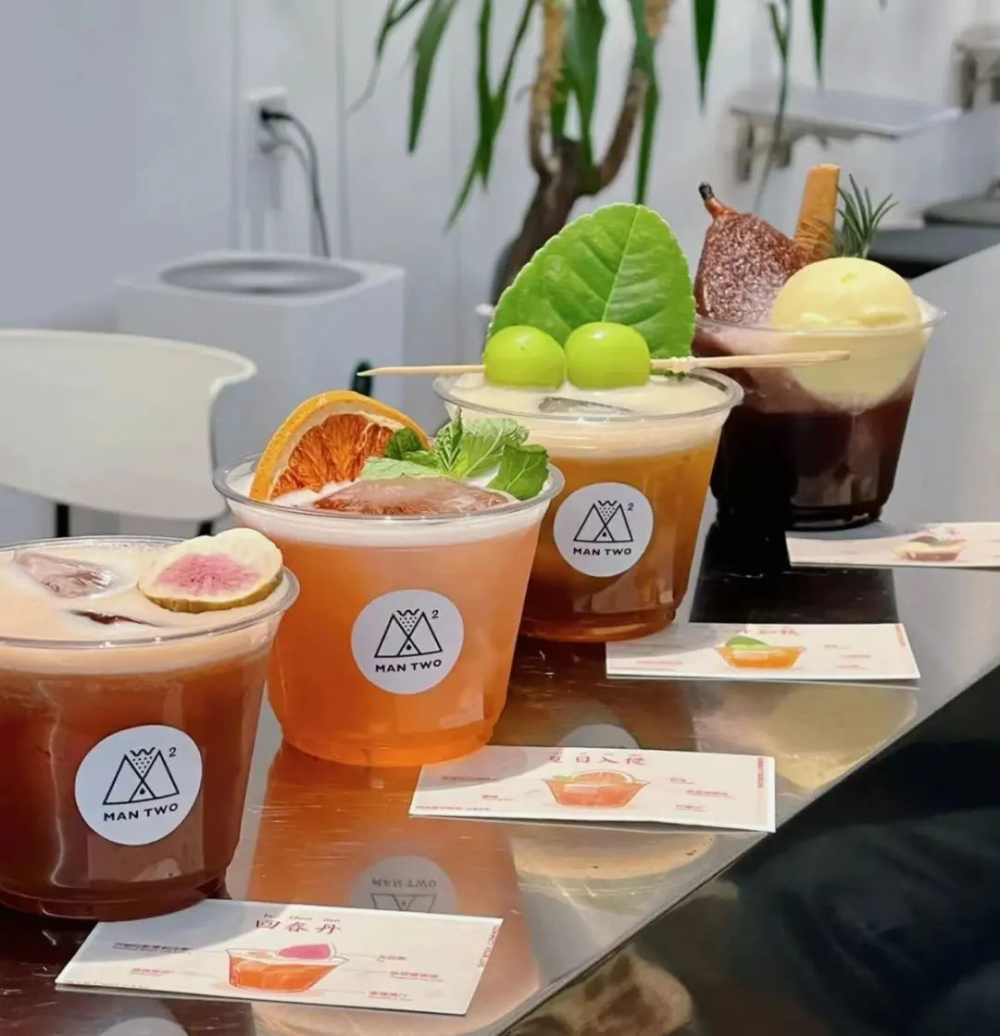
Fruit coffees changed how Chinese consumers saw coffee and pulled mainstream attention toward the category. Coffee was no longer just harshly bitter black coffee or heavy milk coffee—it could be refreshing. Refreshing coffee won Chinese drinkers over, and the appetite for fresh flavors only grew. Most coffee products launched in China since have skewed refreshing, which opened the door for tea to collaborate with coffee—and the tea-coffee combination brought "Yuanyang" back into the spotlight.
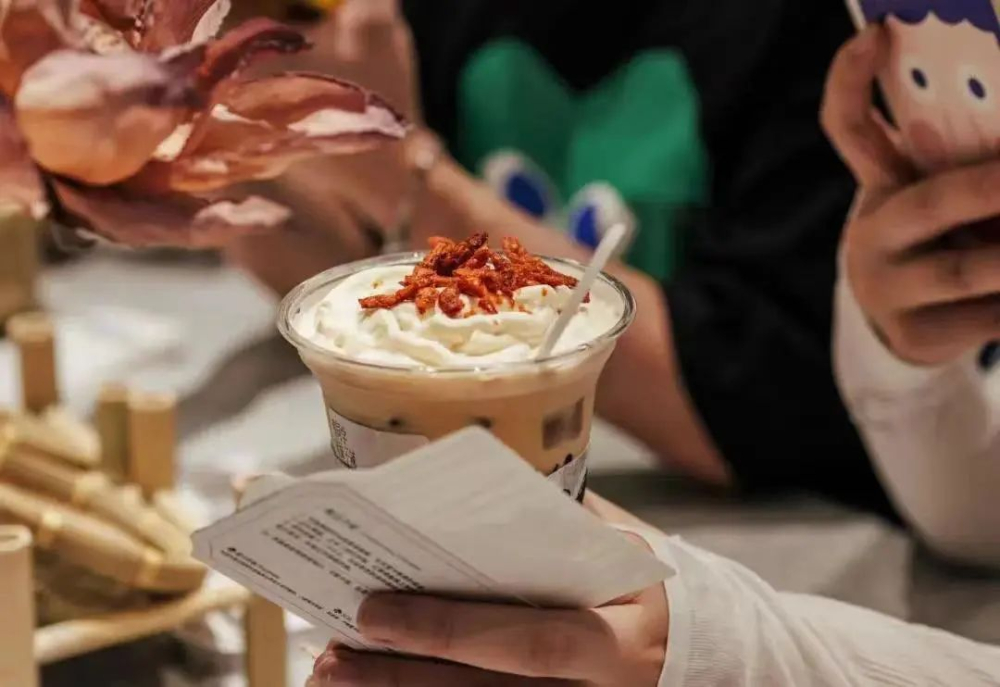
New Yuanyang: Chinese-Style Coffee?
Compared with the traditional drink, new Yuanyang is lighter and more refreshing. The base is no longer a strong blend of cheap tea leaves, and the milk is no longer thick evaporated milk. Consumers accept it more readily—and it carries an extra sense of ceremony, a gesture of support for local culture.
So is tea-coffee Yuanyang truly Chinese-style coffee? Measured against Italian or Japanese coffee culture, China's coffee scene might not make the classic chronicles—no roots, no origin story, just an assortment of unconventional brewing methods rather than coffee itself. But in truth, neither the Italian nor the Japanese school is really about coffee either; both are simply frameworks that helped mainstream consumers accept coffee.
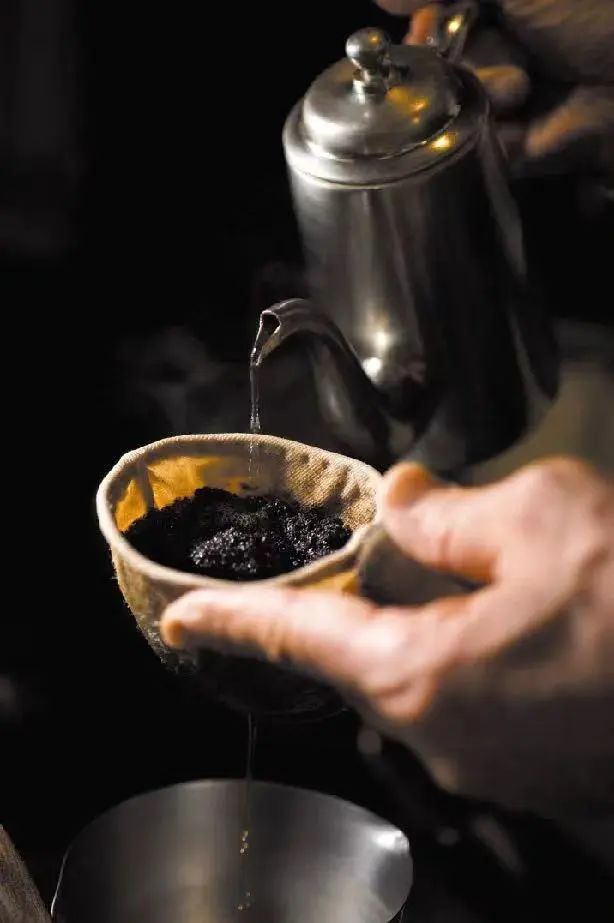
Italian coffee culture became a national tradition—"drinking water and remembering its source": the intense roast flavor lets later generations taste the hardships of their ancestors, and the flavor itself was never the point. Japanese coffee culture won so many admirers because it dismantled the impression that coffee can only taste harsh, presenting it instead as balanced and mellow so that more people could accept it.
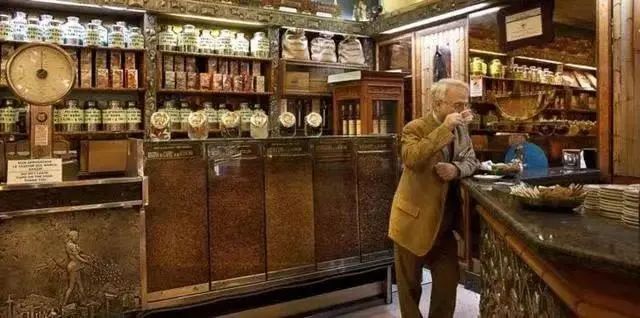
By the same logic, adjusting coffee with local ingredients until local consumers embrace it can become a culture of its own. In Europe and America, mentioning Hong Kong-style milk tea or Yuanyang evokes Chinese people and China; in Southeast Asia, mentioning Nanyang coffee does the same.
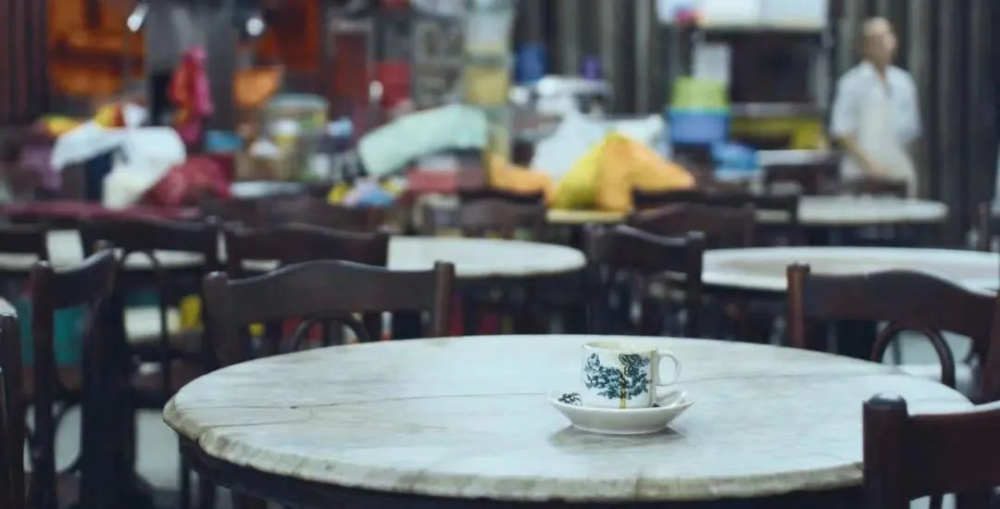
When China's mainstream coffee innovations eventually travel abroad and win over consumers elsewhere, the reputation of Chinese-style coffee may prove no weaker than Italy's or Japan's.
After all, tradition and heritage depend on innovation—and only innovation keeps drawing new generations to care about anything at all.
Image source: Internet
FrontStreet Coffee Recommendation
If the tea-coffee wave has you thinking about espresso-based signature drinks, a dependable espresso blend is where it starts. FrontStreet Coffee recommends:
FrontStreet Coffee Premium Blend — the blend that has anchored FrontStreet's own stores for nearly a decade: washed Colombia from Huila combined with pulped-natural Brazil Cerrado. Classic notes of nuts, dark chocolate, and caramel with a comfortable bittersweet finish. Silky in a latte with stable latte-art patterns, and it layers beautifully in a Dirty. Ideal for home, office, or a boutique neighborhood café.
FrontStreet Coffee Dark Cocoa Blend — 100% Arabica, combining Yunnan washed small-bean coffee with pulped-natural Brazil. Balanced acidity reminiscent of ripe plum over a nutty base, grinding into aromas of creamy chocolate and cocoa cookies, with a golden crema. A quality-and-value pick for cafés, bakeries, and home machines alike.
FrontStreet Coffee Strawberry Candy Gesha Blend — for customers tired of the traditional dark-roast profile and craving an Americano or latte without bitterness. Built from three single origins, it carries natural rose florals, with grape, dried blueberry, sweet orange, and candy notes in both Americano and latte form. A distinctive, high-sweetness espresso blend for upscale specialty menus.
Important Notice :
FrontStreet Coffee is a long-established specialty coffee roaster in Guangzhou China, selling freshly roasted beans from its own farm in Yunnan as well as dozens of carefully selected single-origin beans from around the world for both pour-over and espresso. The products deliver consistently excellent quality and great value, with shipping within 24 hours. Guangzhou's FrontStreet Coffee shop is recommended by many coffee lovers, and the beans are now available online at the Tmall 。
FrontStreet Coffee has moved to a new address:
FrontStreet Coffee Address: 315,Donghua East Road,GuangZhou
Tel:020 38364473
 Scan and follow the En Gafei WeChat official account. Please indicate that the reprint comes from "En Gafei".

