What are the uses of coffee grounds? Can coffee grounds be put directly in flower pots/applied to dark circles under the eyes?
The Coffee Ground Revolution
At some point, coffee grounds suddenly became "hard currency."
Once dismissed as trash, they've been reborn as an all-purpose treasure. Social media has been flooded with posts sharing every conceivable use for spent coffee grounds.


The most popular suggestions: growing plants, applying them to the face to reduce puffiness, using them as a body scrub to exfoliate — even to lose weight. So how did the people who actually followed these trends fare?
"I used coffee grounds to grow plants... the plants died."
"After applying coffee grounds to my face, it was red and swollen for days."
"After using coffee grounds in the shower for a week, the drain clogged."
At this point someone will surely protest: "But everyone recommends these uses! Why don't they work for me?!" Because — most online tutorials are traps. Especially applying grounds to your face or using them in the shower. Claims that caffeine can penetrate the skin into your blood vessels to reduce swelling, or "excite" fat cells to burn them away, are pure nonsense.
Why Did Everyone Suddenly Start Caring About Coffee Grounds?
It started when Starbucks first proposed reusing coffee grounds. Each Starbucks store produces roughly 10 kilograms of grounds daily, and throwing them away felt wasteful. As an environmental gesture, Starbucks stores worldwide began offering free spent grounds, suggesting customers take them home, ferment them, and mix them into soil to fertilize nitrogen-loving plants and most perennials.
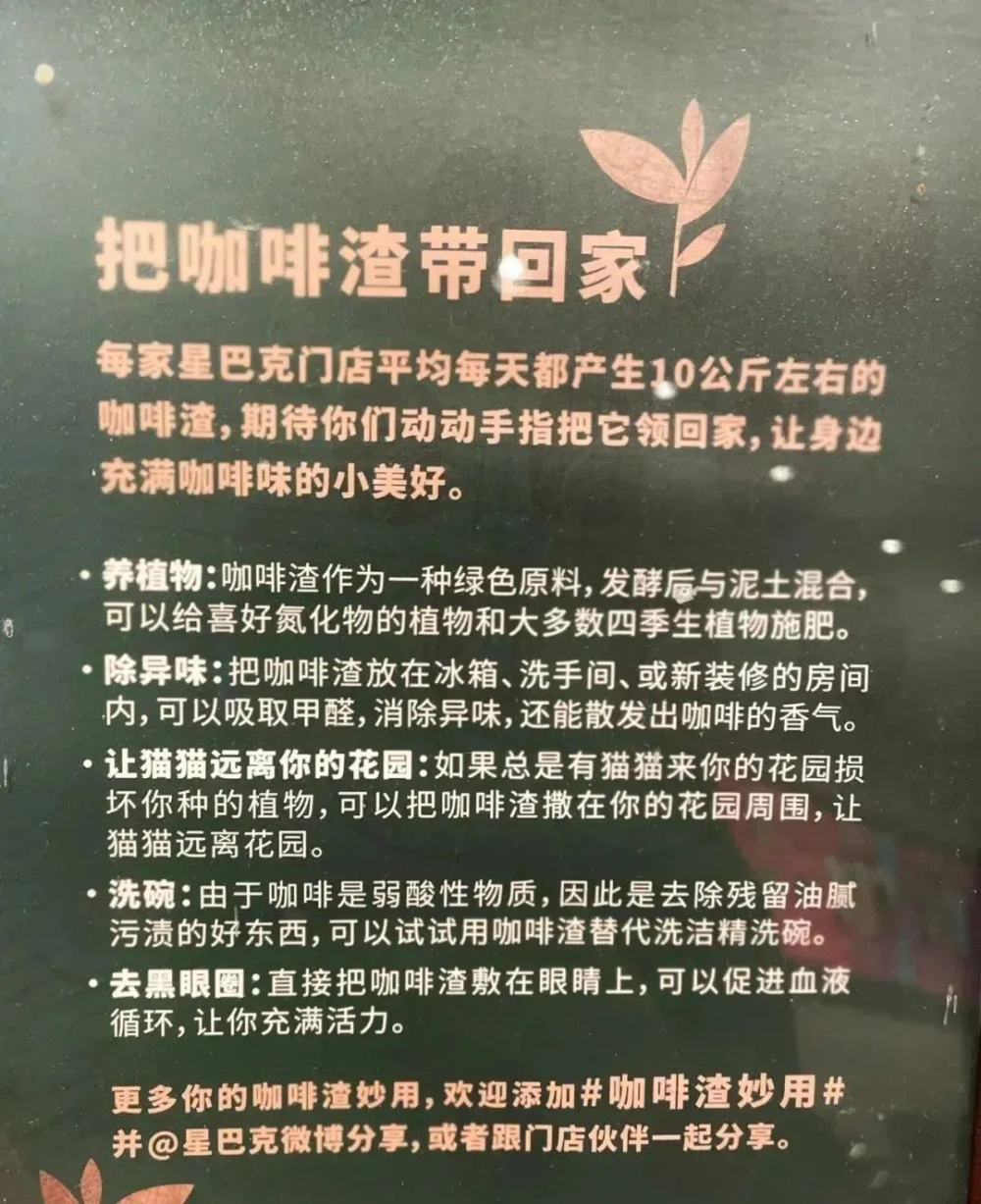
Starbucks also recommended using grounds to absorb odors, scrub dishes, keep cats away from certain areas... and even dabbing them around the eyes to "promote blood circulation."
That was when people began paying attention to grounds reuse. As coffee culture grew, environmental researchers worldwide have spent recent years pushing eco-friendly applications — turning grounds into fuel, into fabric for clothing and shoes, or molding them into cups and furniture.

Without exception, the message is the same: "coffee grounds are remarkably versatile — throwing them away is a shame." So more and more people started experimenting.
How Unreliable Are the Popular Online Uses?
"Growing plants with coffee grounds"
After learning grounds could be reused, many people copied Starbucks' suggestions — but missed the crucial details. Specifically: grounds must be fermented before being used as fertilizer, and not every plant tolerates coffee-ground fertilizer.
Instead, people take grounds home, sprinkle them over the soil of any random potted plant, and snap a photo. Caption: "Flowers grown with coffee grounds look gorgeous! Hurry and try it, girls!" Body text: "The benefits of coffee grounds: xxxxx... How to grow plants with coffee grounds: xxxxx." Then hit post.
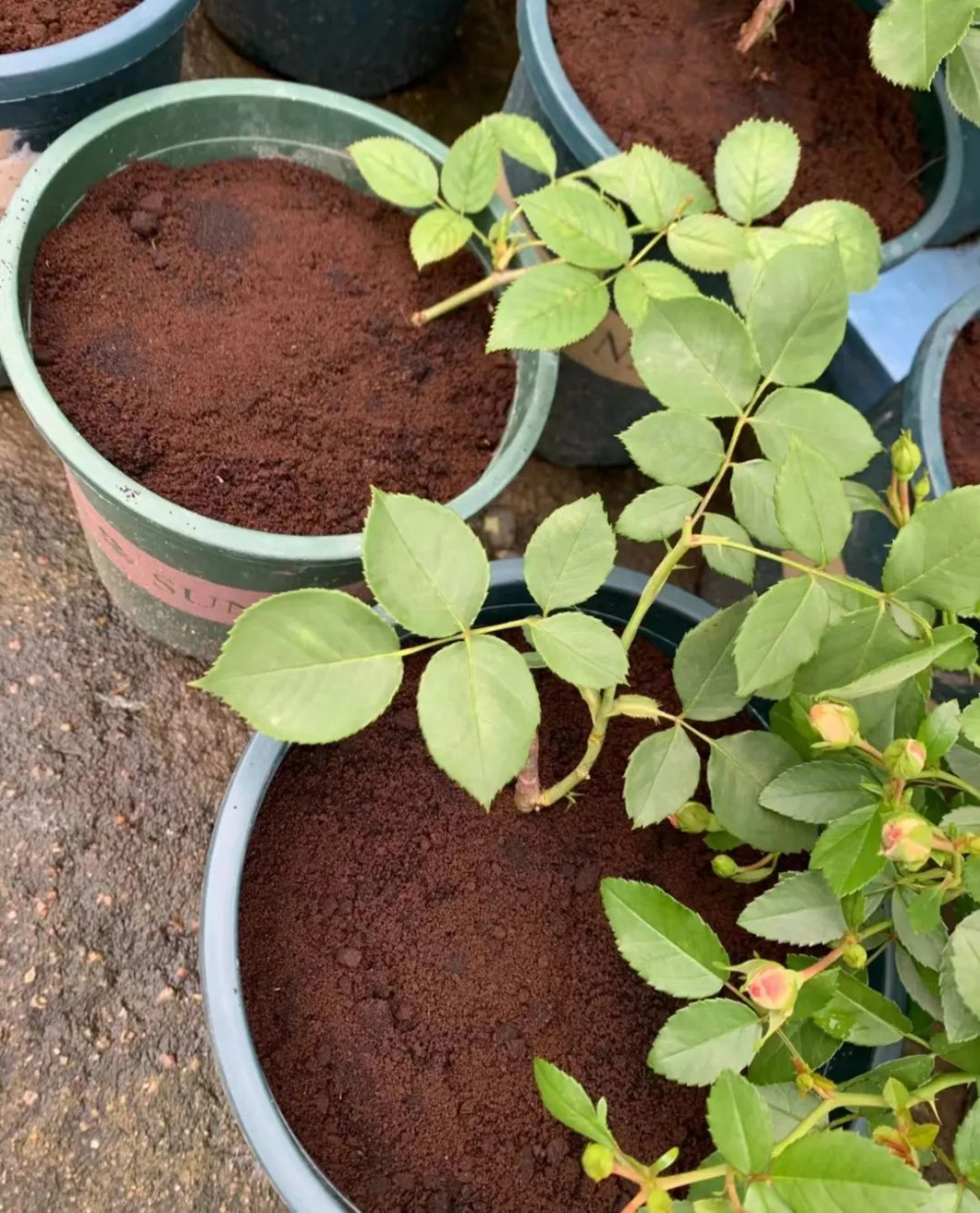
Those posters may well just be writing casually — and the plants probably withered within days. Coffee grounds begin fermenting in the soil, and the acids and mold will rot the roots while attracting swarms of fungus gnats.
To actually fertilize plants with coffee grounds, you need proper fermentation with composting bacteria, then mix a small amount into the soil to supply nitrogen — and even then, it only suits plants that prefer acidic soil.
"Coffee Grounds for Dark Circles," Face Masks, and Weight-Loss Showers
"But Starbucks said so!" someone insists. Whoever wrote that tip may never have tested it — like many netizens, they probably just reasoned that coffee contains caffeine, caffeine boosts circulation, therefore grounds must depuff your eyes.
Caffeine does have these effects — but you have to drink it! Consumed, caffeine dilates blood vessels and increases blood flow. Applied around the eyes, it simply cannot deliver the dark-circle-vanishing effect being claimed.
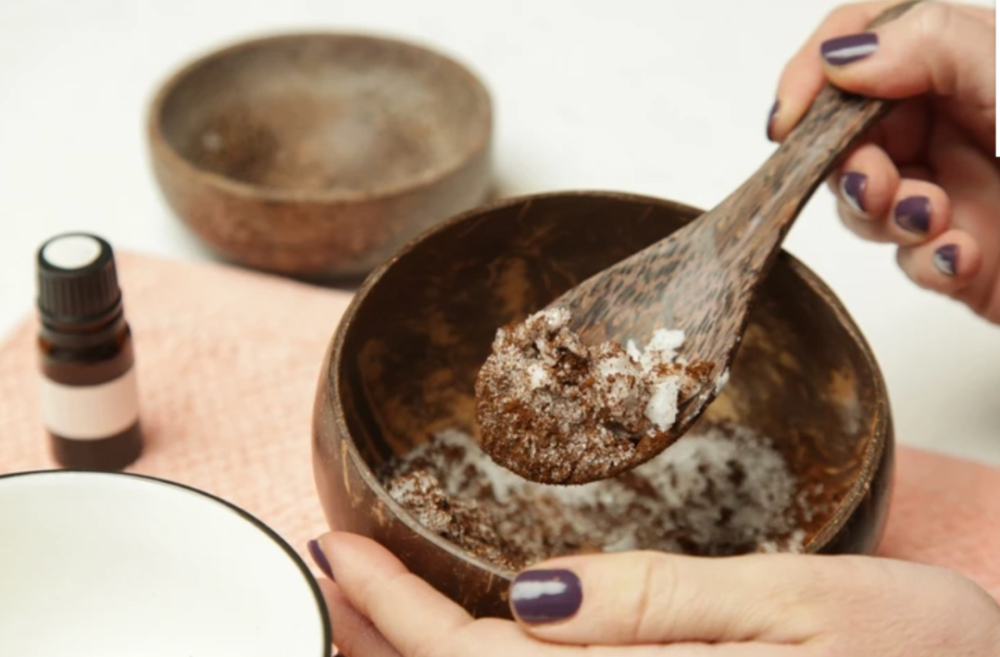
The de-puffing face mask claims fail for the same reason: you need to drink it. Once caffeine enters the body, it increases kidney perfusion, more water is excreted, and that's what produces the diuretic, de-swelling effect. Worse, if you leave grounds on too long, their pigments will stain your skin yellow. The same logic sinks the weight-loss shower idea: even if caffeine could genuinely penetrate skin and take effect, brewed grounds contain so little of it that it's meaningless.
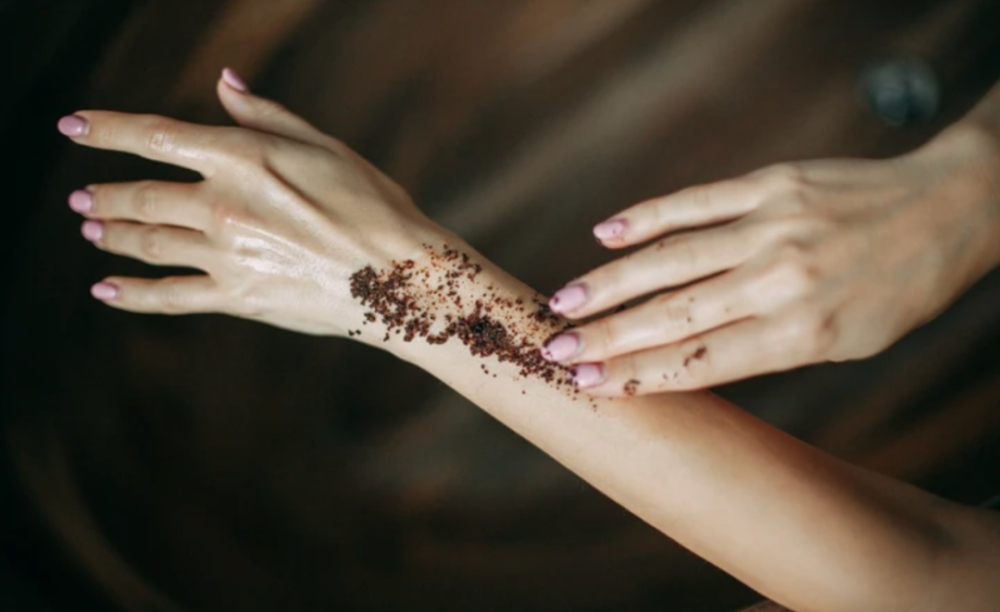
Some people even take grounds straight from a coffee shop and dab them around their eyes and face. Nobody knows how long those grounds have sat exposed in the open, or what bacterial colonies developed during storage — applying them directly to your skin is truly bold...
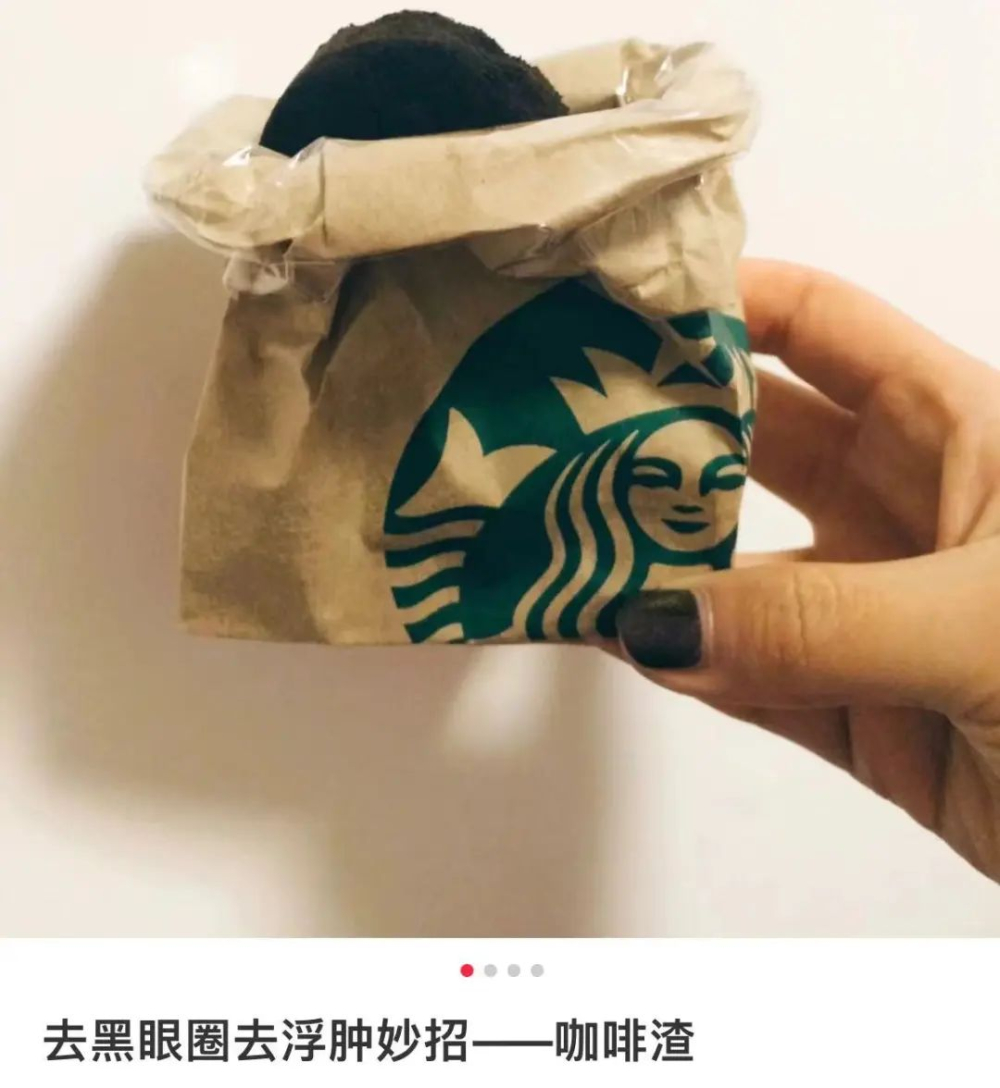
"Placing Grounds Directly in the Fridge, Shoe Cabinet, or Pet Area to Absorb Odors"
This one, at least, is reliable. Coffee grounds have a porous structure that gives them activated-carbon-like adsorption capacity, so using them to absorb odors makes scientific sense. But first — you must dry them!
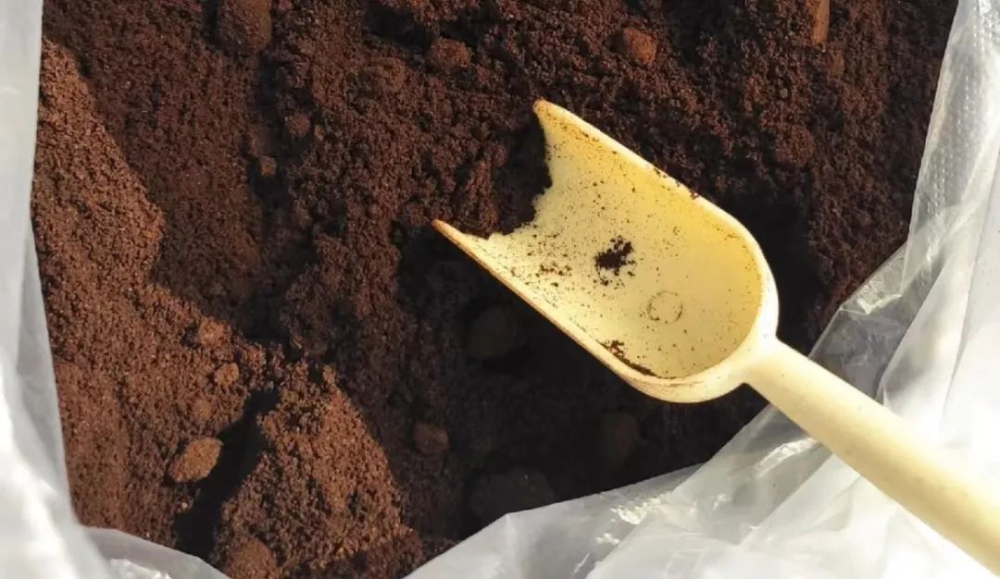
Especially in poorly ventilated spaces like shoe cabinets, moist grounds will rot and mold, and careless handling can make things worse instead of better. If you'd rather skip the drying step, be sure to replace them promptly.
Image source: Internet
FrontStreet Coffee Recommendation
Of course, the best use of good coffee is drinking it. For a mellow, full-bodied cup, FrontStreet Coffee recommends the Brazil Queen Estate beans — pronounced nut, cocoa, and caramel aromatics with a round, smooth body, low acidity, and standout sweetness, stable across pour-over, moka pot, or espresso. The Jamaica Blue Mountain No. 1 from Clifton Estate in the certified Blue Mountain region is another classic: balanced sweetness, acidity, and bitterness with cream, caramel, chocolate, nut, and honey tones.
For those who love heavy, earthy intensity, the PWN Golden Mandheling — wet-hulled, screen-18 or larger, with fewer than 3 defective beans per 300g sample and triple hand-sorting — delivers a clean, sweet, intensely full-bodied cup, while the Linh Dong Mandheling offers clove, woodsy spice, and a thick, lasting sweetness.
Important Notice :
FrontStreet Coffee is a long-established specialty coffee roaster in Guangzhou China, selling freshly roasted beans from its own farm in Yunnan as well as dozens of carefully selected single-origin beans from around the world for both pour-over and espresso. The products deliver consistently excellent quality and great value, with shipping within 24 hours. Guangzhou's FrontStreet Coffee shop is recommended by many coffee lovers, and the beans are now available online at the Tmall 。
FrontStreet Coffee has moved to a new address:
FrontStreet Coffee Address: 315,Donghua East Road,GuangZhou
Tel:020 38364473
 Scan and follow the En Gafei WeChat official account. Please indicate that the reprint comes from "En Gafei".