
Can Coarse and Thick Milk Foam Be Saved? What to Pay Attention to for a Fine and Velvety Milk Foam
Introduction
Fine, glossy, free-flowing milk foam is the most basic requirement for a delicious latte or for pouring clean latte art. When the foam doesn't reach that standard, the latte suffers for it. Still, pouring failed foam straight down the drain feels wasteful. So are there ways to rescue foam that hasn't come together?
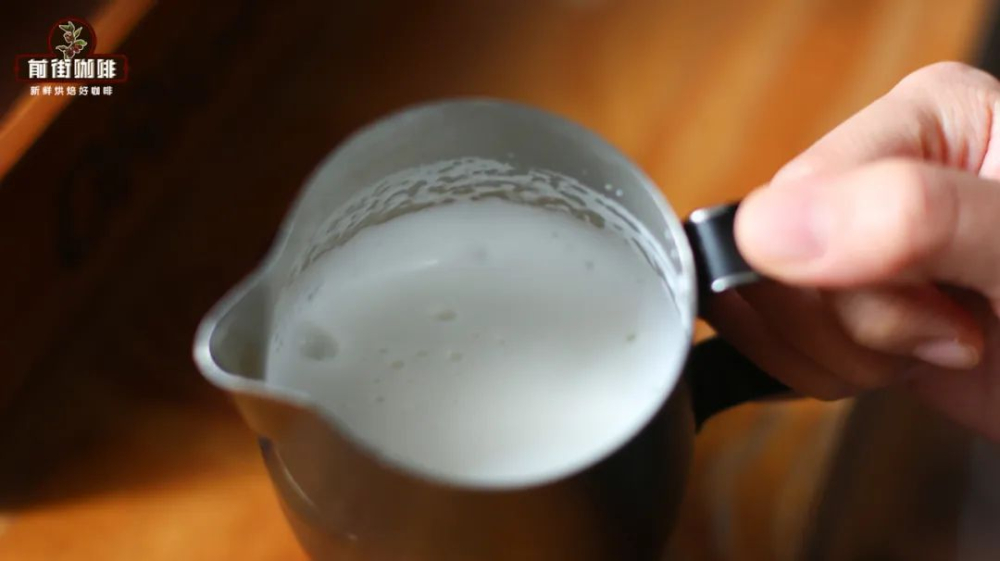
Common Foam Failures
Foam problems usually show up on their own or in combination: foam that is too thin, too coarse, too thick, or clearly split into layers.
Thin Foam
Let's start with thin foam. Excessively thin foam flows too freely, which can make the stream harder to control during a pour and raises the difficulty of latte art. It has little effect on the taste or texture of the drink, though, so it doesn't need much fixing.
Coarse Foam
The second type is coarse foam, where the texture after steaming lacks fineness and shows obvious large bubbles, which naturally makes the latte taste rough and unpleasant. When foam isn't fine enough, we have to separate two scenarios. In the first, the surface looks basically fine and glossy after steaming, with only a few very noticeable large bubbles. Here FrontStreet Coffee suggests simply swirling the pitcher in one direction, which will clear most of the big bubbles.
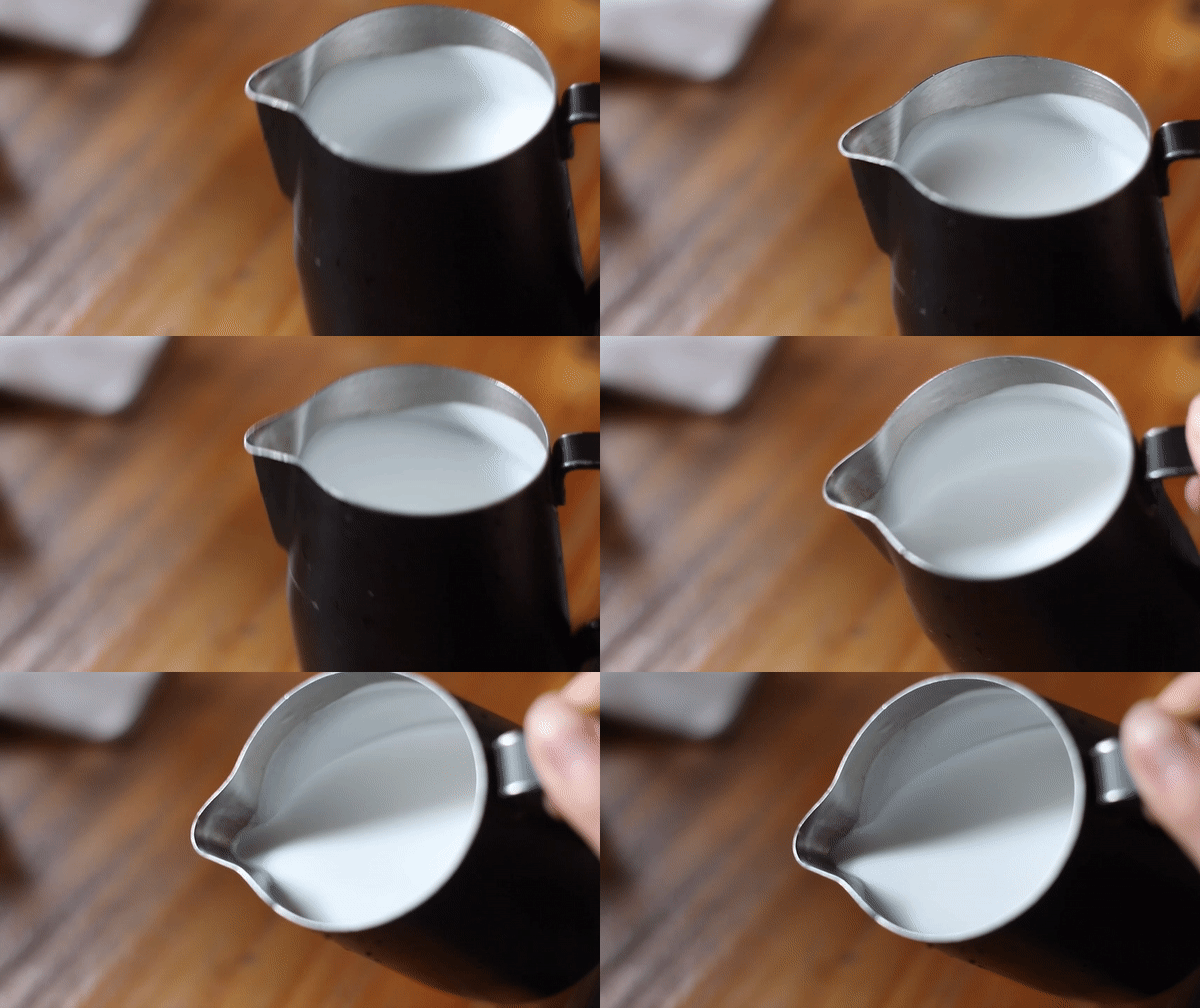
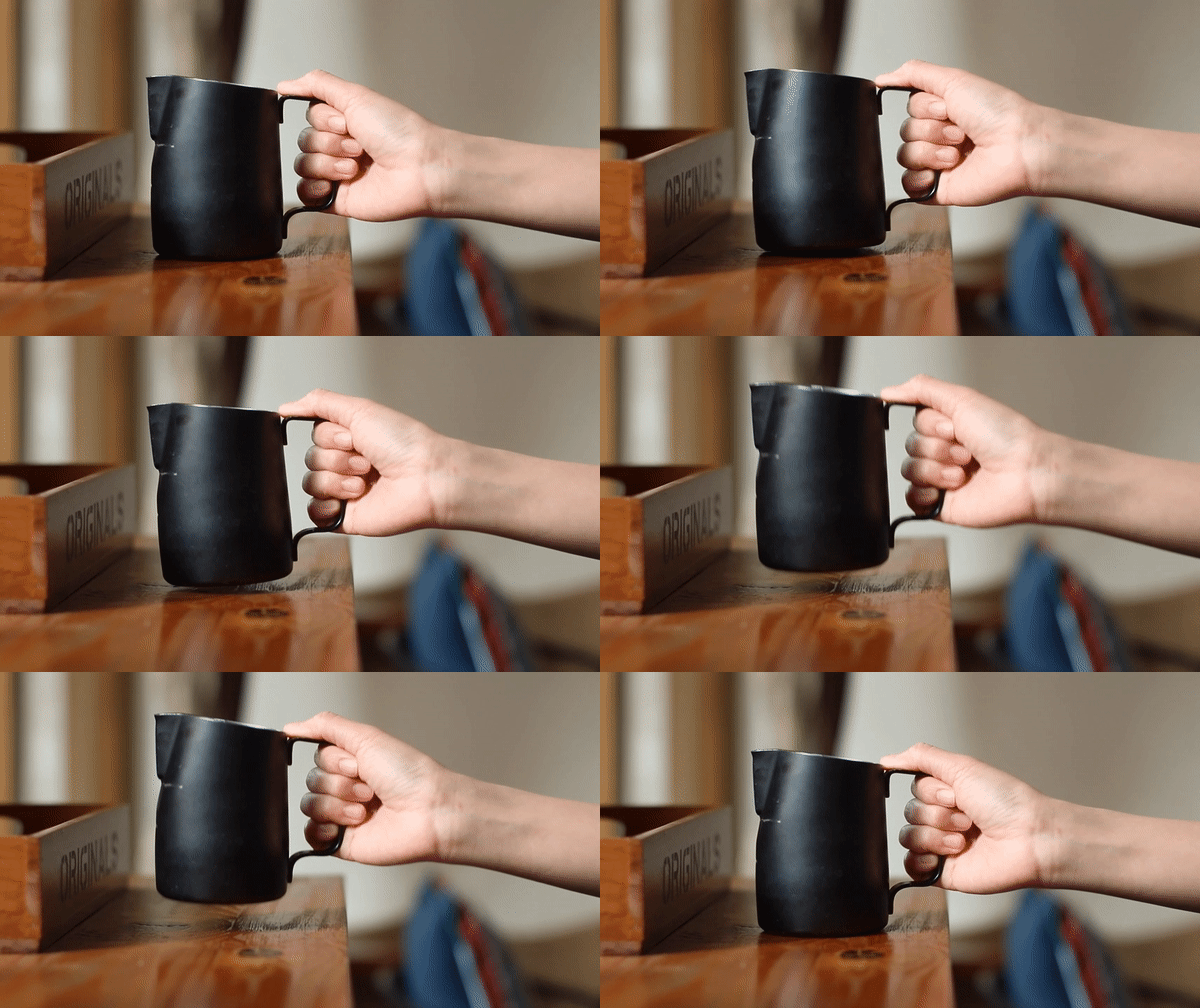
In the second scenario, there are many coarse bubbles after steaming. In that case, tap the pitcher straight down against the counter two or three times to pop the unstable large bubbles. This move is called "pitcher tapping" and is a standard part of milk steaming. If you hear one or two thumps on the counter after the steam wand shuts off in a cafe, don't be alarmed; that's the barista tapping the pitcher after steaming.
Thick Foam
The third type is foam that's too thick. When foam is too thick, it barely flows. In that state, forget latte art; even getting it to blend evenly is very hard. The resulting latte tastes uneven and, on top of that, more bitter, because foam combined with crema reads as bitter.
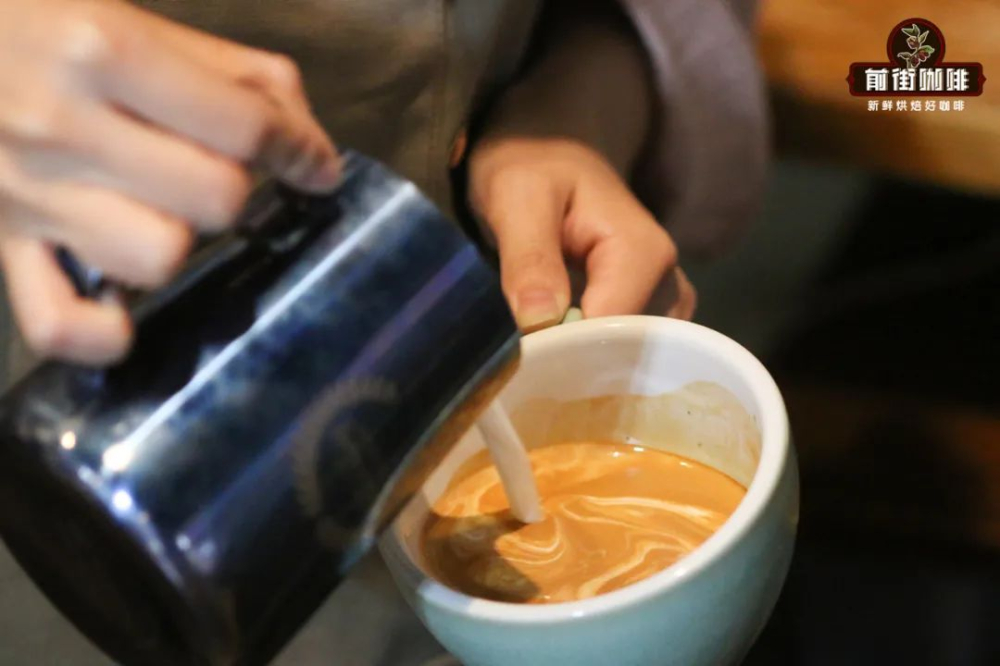
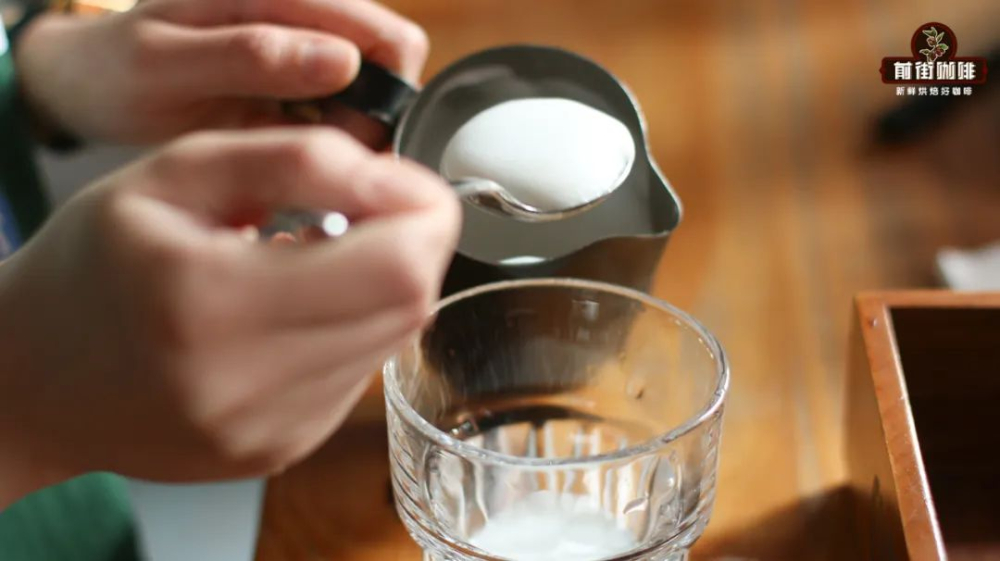
Faced with this, a simple solution is to skim the foam. Using a spoon, scrape off part of the surface layer of foam so it becomes less thick.
Split Foam
Sometimes you steam milk from 5/10 full to 6/10 full and yet the foam shows very poor flow. This is the fourth failure: separation of milk and foam.
Right after steaming, the milk and foam aren't fully separated but rather exist in a mostly integrated state, and that's when the foam flows at its best. As time passes, the two gradually separate into layers, with the heavier milk sinking and the lighter foam rising. This becomes clear about 30 seconds after you finish steaming.
If the milk and foam have already split, swirling the pitcher will reveal very poor flow. When you pour a latte, you may find that only milk comes out, or that a whole block of foam drops at once.
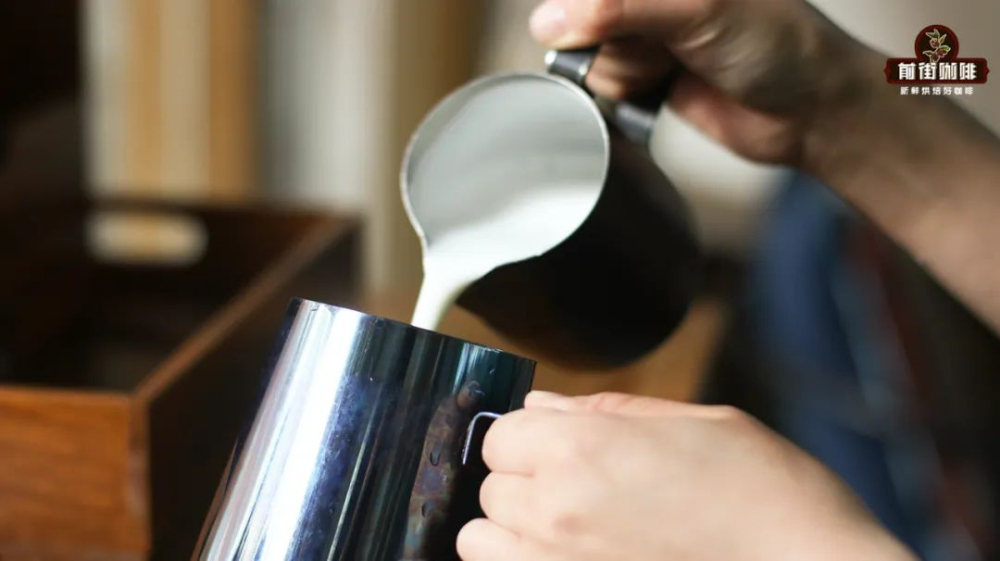
To bring foam and milk back together, you'll need a method called "pitcher transfer." The technique uses two pitchers: pour all the milk and foam from pitcher A into pitcher B, which lets the milk and foam re-form an integrated zone. If the flow still isn't right, repeat the process once. As a rule, this rescue can only be done twice. If two attempts don't bring it back together, the rescue has failed, because the milk cools down during each transfer, and the more you transfer, the faster it cools.
FrontStreet Coffee Recommendation
Good foam is only half the story; the beans underneath have to give you a stable, sweet espresso base. FrontStreet Classic Blend is the bean FrontStreet Coffee recommends for anyone learning latte art at home: a medium-dark espresso recipe built from three producing regions, inspired by the classic Mamba pairing of Mandheling and Brazil, with a touch of Robusta added for aroma and body. It pours out clear notes of butter, toasted bread and caramel cookie, with a strong, solid flavor and fine crema that extracts consistently.
If you prefer a nuttier, richer style, FrontStreet Premium Blend pairs washed Colombian coffee with semi-washed Brazilian beans for notes of nuts, dark chocolate and caramel, so whether you pull an Americano, a latte or a flat white, the creamy almond and cocoa aromas come through, with crema every bit as good as a cafe. For those about to open a shop, FrontStreet Commercial Blend adds a little Robusta to the same traditional recipe for an extra layer of fine, dark-brown crema and a fuller body that makes latte art effortless in Americanos, lattes and mochas alike.
Important Notice :
FrontStreet Coffee is a long-established specialty coffee roaster in Guangzhou China, selling freshly roasted beans from its own farm in Yunnan as well as dozens of carefully selected single-origin beans from around the world for both pour-over and espresso. The products deliver consistently excellent quality and great value, with shipping within 24 hours. Guangzhou's FrontStreet Coffee shop is recommended by many coffee lovers, and the beans are now available online at the Tmall 。
FrontStreet Coffee has moved to a new address:
FrontStreet Coffee Address: 315,Donghua East Road,GuangZhou
Tel:020 38364473
 Scan and follow the En Gafei WeChat official account. Please indicate that the reprint comes from "En Gafei".

