Animal Cafes: Truly Cruel! Is It Legal to Open a Cat Cafe?
Where Cat Cafés Began
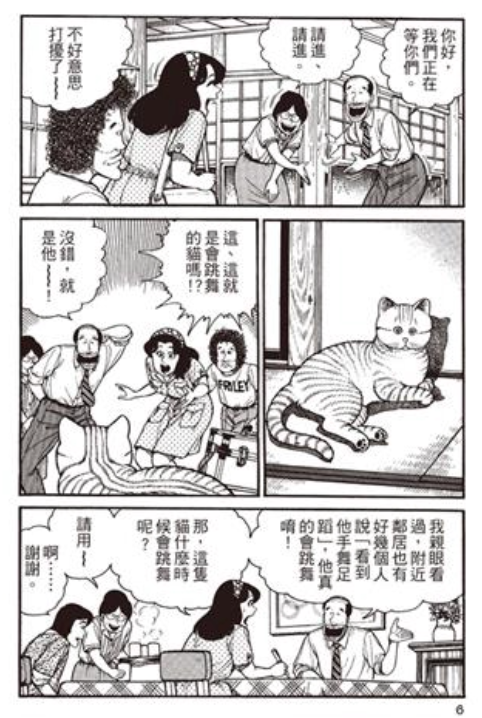
As early as the 1980s, the Japanese comic "What's Michael?" imagined the cat café concept: cats of various breeds envisioned as living window displays, drawing cat lovers to enjoy coffee while admiring the animals—an early blueprint for the cat café.
In 1998, an owner in Taiwan turned the manga into reality by opening the first cat café in Taipei—the world's first. The idea came from a simple impulse: seeing so many stray cats with nowhere to go and no way to keep them all at home.
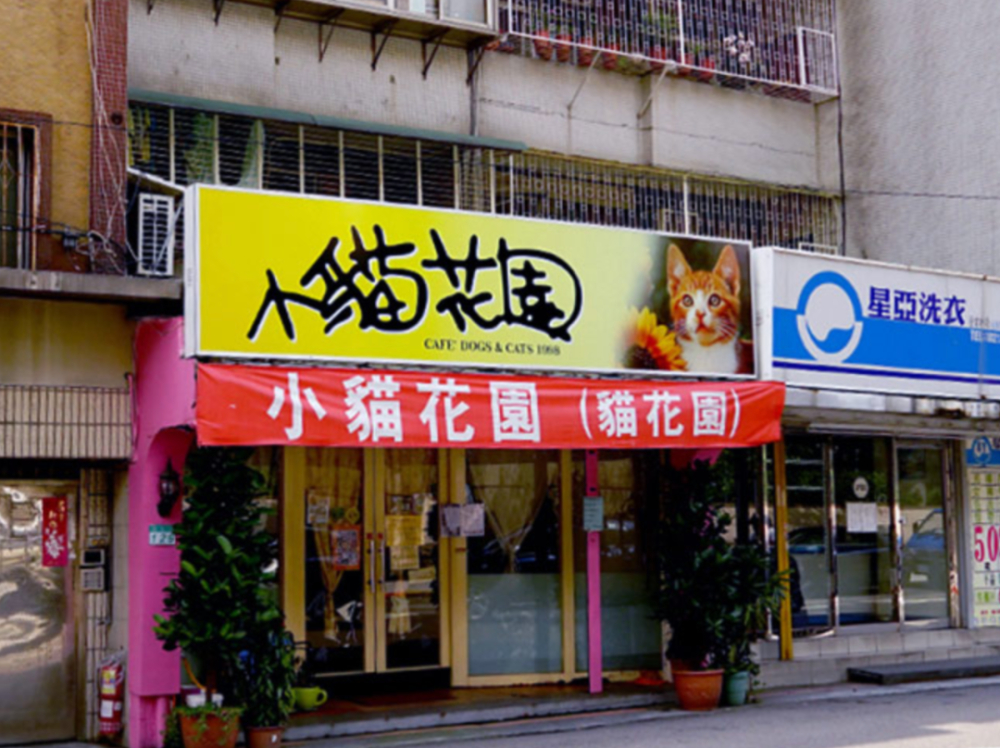
So the owner opened a coffee shop and kept cats inside—giving the cats a stable home while customers' spending helped cover the cost of their care.
Kittens are fluffy, soft, and warm, and their purring genuinely soothes people. But many who crave that comfort can't keep cats at home because of their living situation. That's why the cat café drew so many visitors.
Expansion—and Mutation—of Animal Cafés
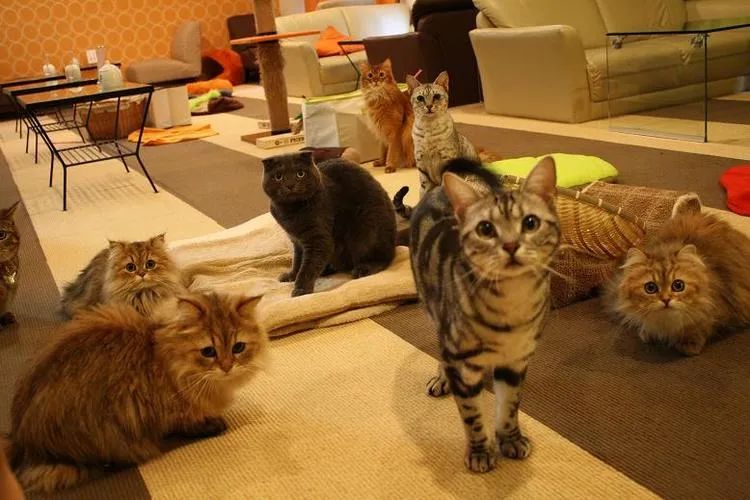
The cat café concept spread quickly across Asia. After 2010, animal cafés of every description popped up elsewhere: beyond the usual cats and dogs, there were Call ducks, miniature pigs, rabbits, hedgehogs, alpacas, and more...
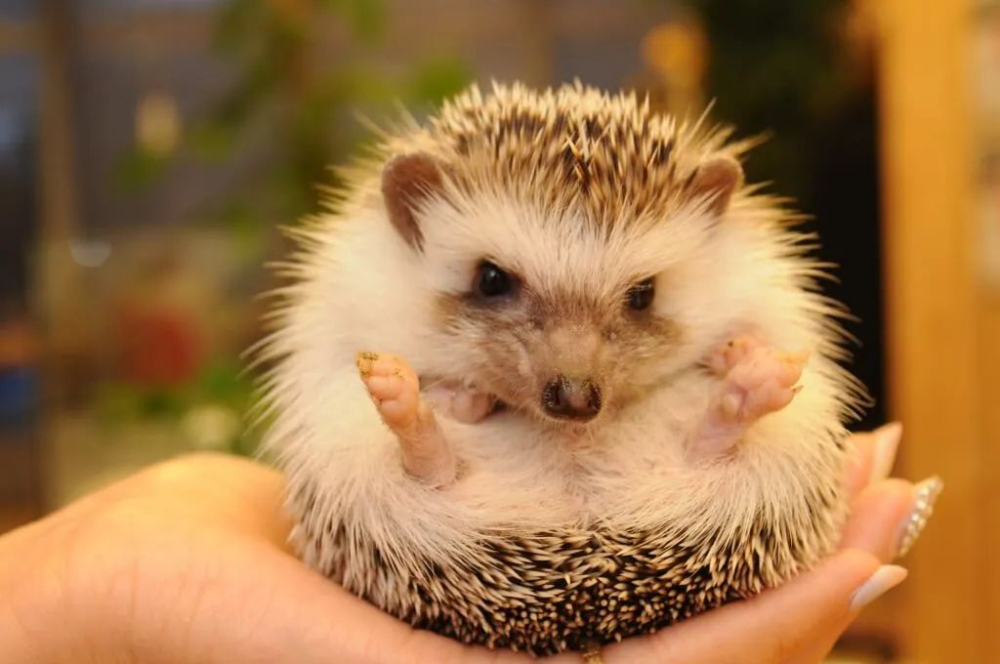
In countries without comprehensive wildlife management laws, keeping wild animals in captivity became trendy. Some of these animals are even protected under the Convention on International Trade in Endangered Species of Wild Fauna and Flora (CITES)—meaning they were obtained illegally.
According to The Japan Times, a recent study found that about 60% of animal cafés in Japan keep exotic species restricted by international trade laws—raising concerns that their popularity threatens conservation and raises the risk of animal-borne disease.
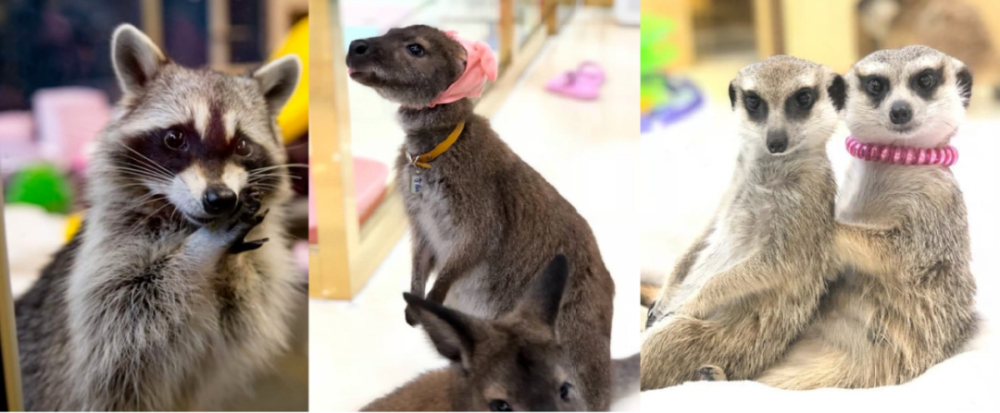
The cafés surveyed displayed 3,793 animals across 419 species, including 9 species and 53 individual animals whose trade is prohibited under CITES due to their endangered status—among them gray parrots and slow lorises. The CITES database holds no trade records for these animals at all.
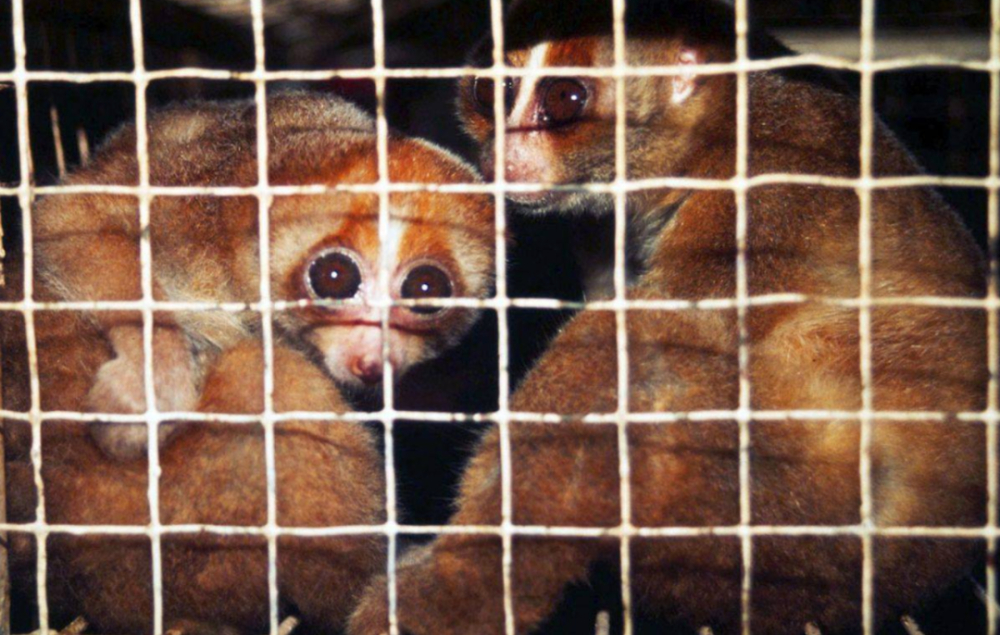 - Slow loris
By species group, birds made up 62% of the total, with owls alone accounting for 40%. Reptiles and mammals accounted for 21% and 15% respectively, and amphibians 2%. The most common animal was the four-toed hedgehog—245 individuals across 55 animal cafés in Japan—followed by barn owls and northern white-faced owls. All of these legally require export permits from their country of origin.
Yet official trade records show few wild animals exported through legal channels. Recently, Japanese customs seized a batch of endangered primates—suggesting some café animals may have been smuggled through the illegal wildlife trade.
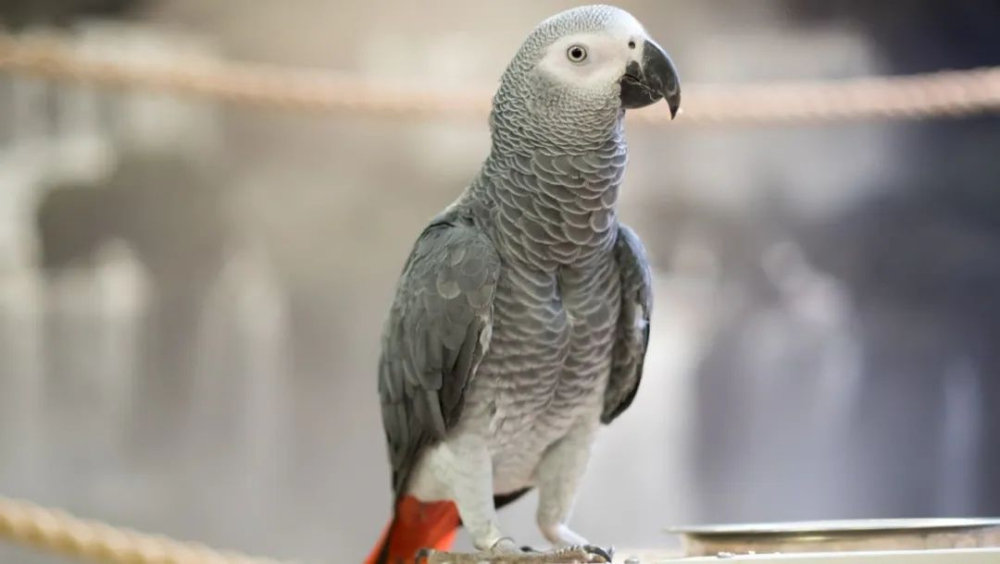 - Gray parrot
Animal Welfare Concerns
Beyond Japan, wildlife cafés thrive in South Korea and Thailand, where customers can watch and handle various small animals. But from an ecological standpoint, these indoor environments take a heavy toll on the animals themselves...
Confined long-term in small spaces with minimal room to move and nowhere to hide, the animals cannot escape pestering customers. Every day they endure endless handling—even being forced to "work" through their sleeping hours. Many develop serious physical and psychological problems: obesity, malnutrition, sleep deprivation.
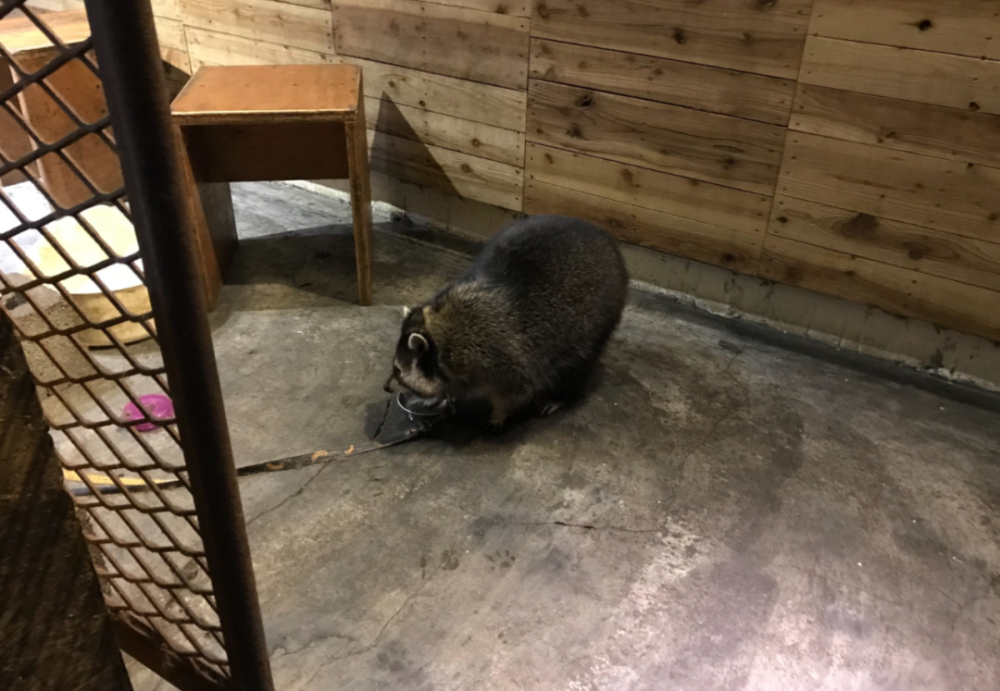
Wild-born animals thrust into captivity without exercise frequently develop depression and irritability, and may turn aggressive toward people and objects alike. Yet people chalk this up to the animals' "nature" instead of their psychological state—satisfying nothing but their own curiosity and profit motive.
As animal cafés multiply, stray cats, dogs, and rare animals increasingly turn up on city streets. South Korean and Japanese netizens report that spotting raccoons and owls in urban areas is abnormal—and the source traces back to animal cafés.
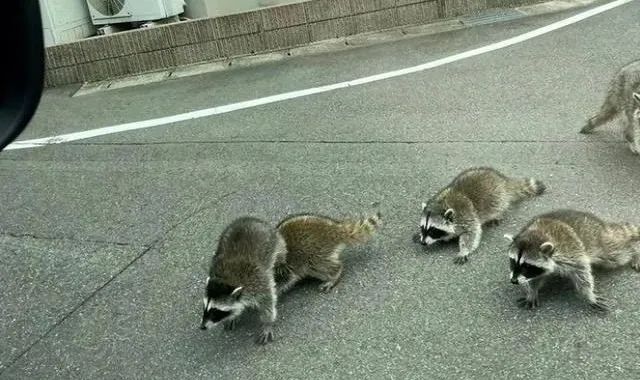
As netizens put it, these animals don't belong in coffee shops—it's animal abuse by another name, done to satisfy human entertainment. And when cafés close down, the animals are abandoned to fend for themselves; some even end up tortured to death.
This reflects irresponsibility not just toward the animals, but toward the ecological environment and public health. These animals carry viruses and bacteria of their own—if they scratch someone, the consequences could be unthinkable.
Regulatory Action and Advocacy
Over the past two years, organizations in Japan and South Korea have launched online petitions demanding the closure of owl and other wildlife cafés, and strict regulation of ordinary animal cafés. They have collected nearly 300,000 signatures so far.
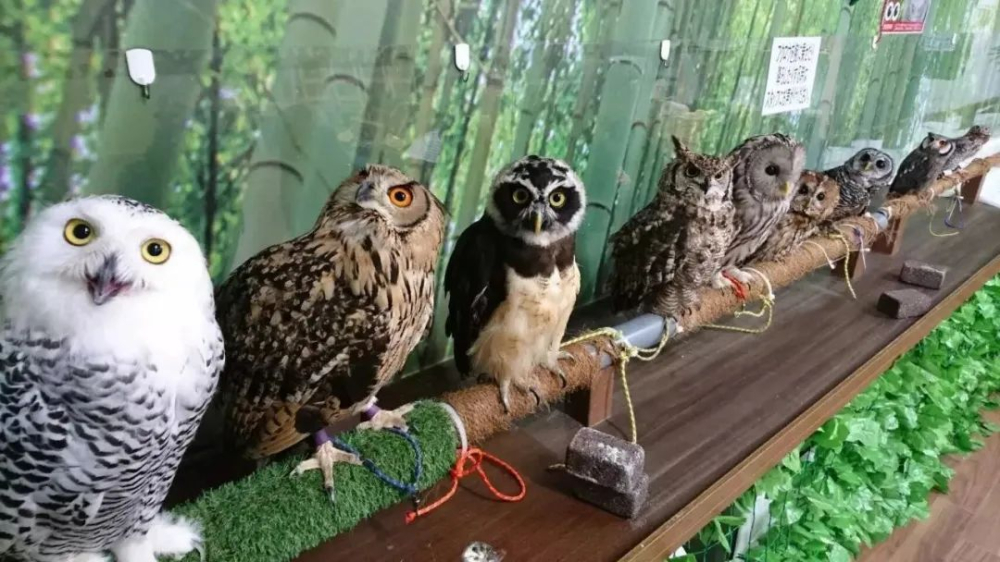
Meanwhile, animal welfare organizations in various countries are coordinating with local zoos so that, if the cafés do close, these wild animals will have stable and safe homes waiting.
Last January, South Korea's Ministry of Environment announced that, to uphold animal welfare—a principle covering the well-being of farm animals, experimental animals, companion animals, working animals, entertainment animals, and wildlife alike—it would completely ban displaying wild animals outside of zoos, including at the private wildlife cafés that have recently boomed in South Korea.
If the legislation passes, these cafés will shut down after a 3–4 year grace period, and the animals will be transferred to South Korea's National Ecological Park, zoos, and similar facilities for protection.
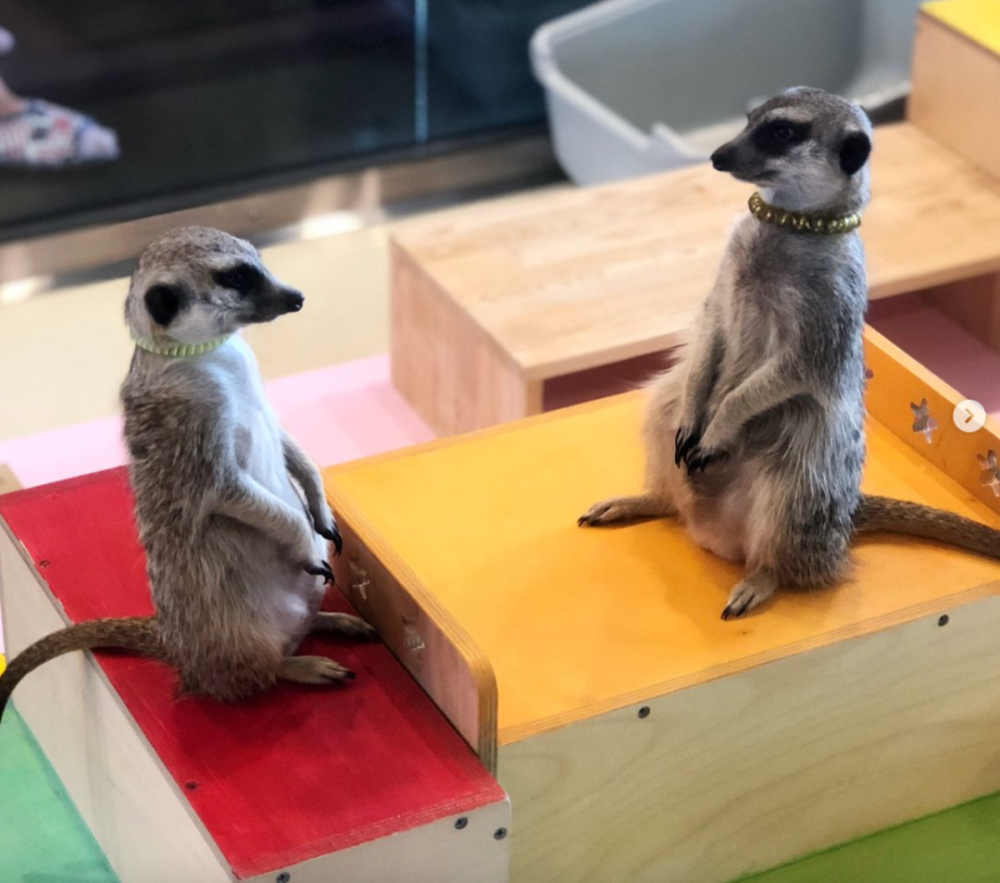
In Japan, meanwhile, wildlife cafés have yet to receive serious government attention. Animal protection groups and individuals can report misconduct and authorities can investigate, but without animal welfare standards on the books, no amount of suffering changes anything.
Beyond the operators themselves, shouldn't consumers also reflect? If people stopped going, where would this market even come from?
Image source: Internet
FrontStreet Coffee Recommendation
The best café animal is a well-made cup of coffee. Our entry-level specialty picks:
FrontStreet Natural Huakui (Sidamo) — natural-processed with berries, florals, jackfruit, melon and honey. Sweet, fragrant, and endlessly approachable.
FrontStreet Brazil Cerrado Red Bourbon — cream, peanut and cocoa with soft acidity and smooth balance. Great coffee at a friendly price.
FrontStreet Washed Guodingding Cooperative (Yirgacheffe) — jasmine florals, lemon acidity, berry tones; clean, bright, and reliably delicious in any dripper.
Important Notice :
FrontStreet Coffee is a long-established specialty coffee roaster in Guangzhou China, selling freshly roasted beans from its own farm in Yunnan as well as dozens of carefully selected single-origin beans from around the world for both pour-over and espresso. The products deliver consistently excellent quality and great value, with shipping within 24 hours. Guangzhou's FrontStreet Coffee shop is recommended by many coffee lovers, and the beans are now available online at the Tmall 。
FrontStreet Coffee has moved to a new address:
FrontStreet Coffee Address: 315,Donghua East Road,GuangZhou
Tel:020 38364473
 Scan and follow the En Gafei WeChat official account. Please indicate that the reprint comes from "En Gafei".