
Why Not Pre-Grind Espresso Beans? What is the Shelf Life of Ground Coffee
Why FrontStreet Coffee Doesn't Recommend Pre-Ground Espresso
Most coffee bean shops offer a grinding service — but if the coffee is destined for espresso extraction, FrontStreet Coffee recommends skipping the pre-grind.
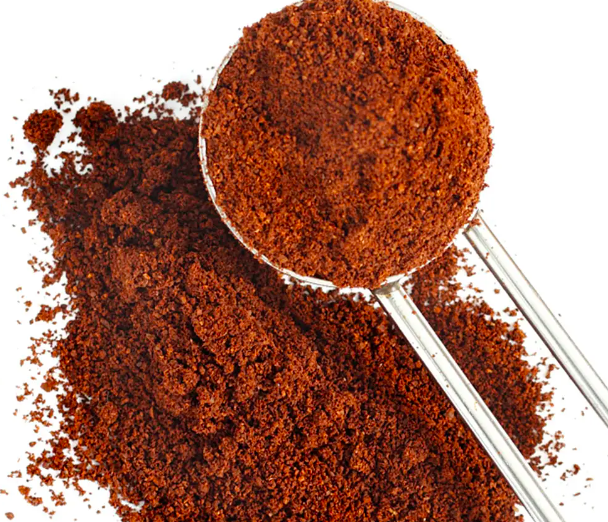
There are two main reasons. The first is flavor loss. It's a common issue with all pre-ground coffee, but it becomes particularly severe when applied to espresso.
Generally speaking, espresso-style beans hold their flavor for about 50+ days when stored as whole beans. Grind them into a fine powder, however, and flavor loss accelerates dramatically — often becoming noticeably diminished in less than 30 days.
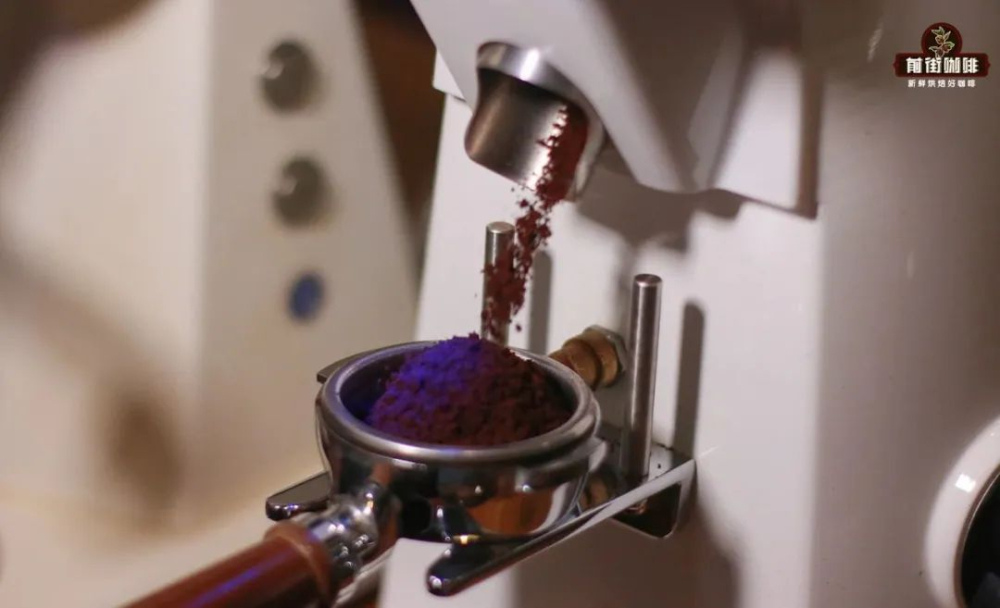
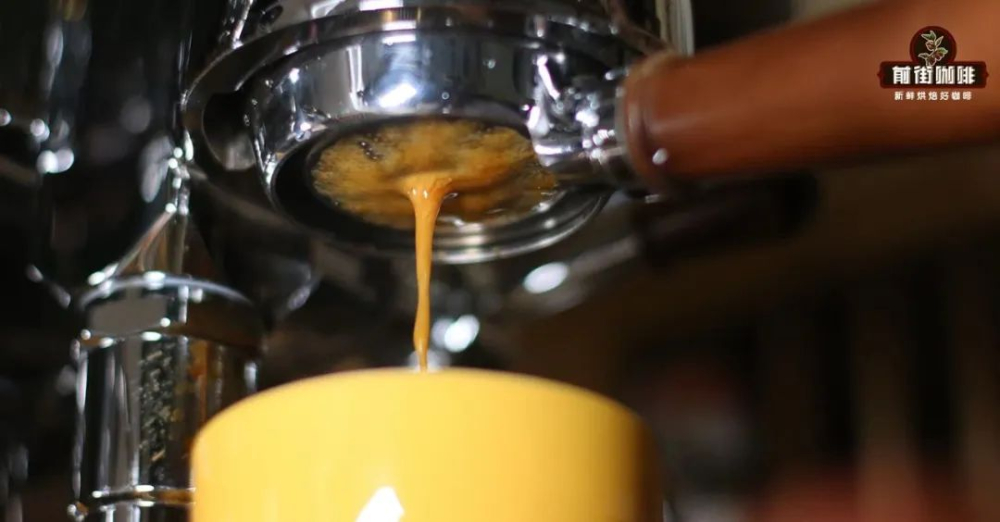
Beyond the faster flavor loss, the carbon dioxide inside the beans also escapes more quickly. Since espresso crema is composed of carbon dioxide and oils, pre-ground coffee produces relatively rich crema only in the first few days. After that, the crema visibly shrinks with each passing day.
The Precision Espresso Grinding Demands
The second reason: espresso grinding demands extremely high precision. Different machines can require significantly different grind settings, and the settings calibrated in a coffee shop are tailored specifically to that shop's machines. Commercial cafe machines have larger boilers and better pressure stability. Some home machines claim to reach over 15 bars of pressure in their specifications, but that pressure is unstable — plenty for the first few seconds, then it starts to drop, slowing extraction and dragging out brew times.
Even if you buy the exact same machine the cafe uses — equipment problem solved — you'll still face the issue of bean condition. For pour-over coffee, the grinding tolerance is far greater, with a much wider usable range of settings.

For espresso, coffee shops typically recalibrate their parameters every morning before opening, with most adjustments made at the grinder. Beans release gas daily, so yesterday's parameters may not extract today's beans perfectly — which is why espresso conditions must be checked daily and adjusted promptly whenever problems appear.
Two examples. First: yesterday's parameters extracted 20g of grounds into 40g of liquid in 26 seconds. Today, with the same parameters and grind setting, 20g yields 40g in just 22 seconds — time to adjust the grind.
Second example: yesterday it was 20g yielding 40g in 26 seconds. Today, same parameters, same grind setting, 20g yields 40g in 26 seconds — but the flavor differs from yesterday's, showing unpleasant notes. That also calls for a grind adjustment.
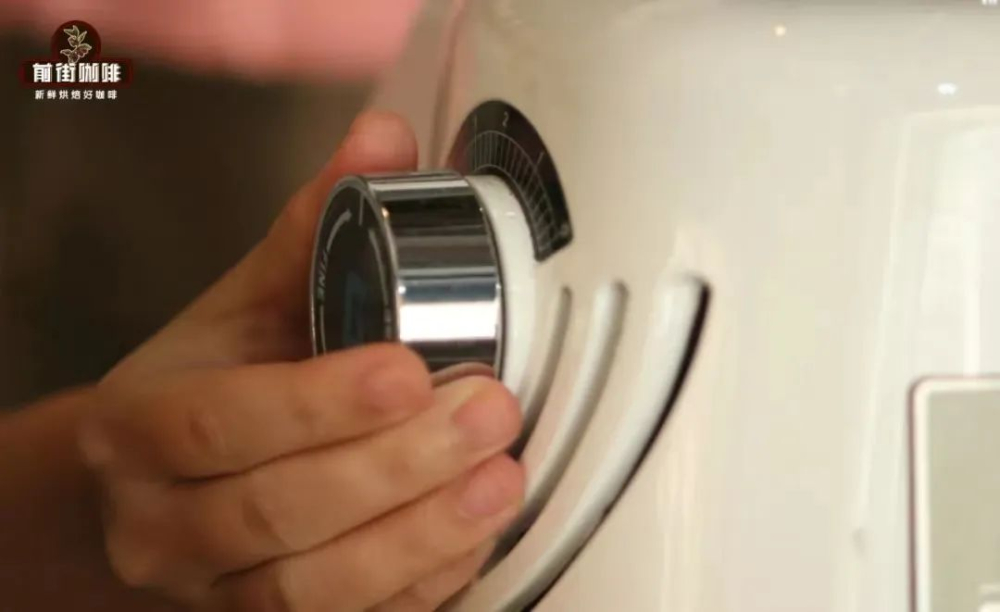
The usable adjustment range is actually tiny — typically controlled within 0.5 increments per change. A 0.5-increment difference is impossible to detect by eye or touch, but in the cup it's obvious: a 0.5-increment adjustment can swing extraction time by 7 seconds.
So for anyone pursuing quality crema and flavor, FrontStreet Coffee does not recommend buying espresso powder directly or using pre-grinding services.
FrontStreet Coffee Recommendation
Since whole beans are the way to go, here's what to put in the hopper. For the classic Americano-and-latte style, the FrontStreet Classic Blend or FrontStreet Commercial Blend both build on a traditional espresso formula with a small share of Robusta, delivering butter, nut, spice, dark chocolate, and toast aromas on extraction — a wild, full-bodied texture crowned with an explosion of golden crema that makes latte art effortless. If nut-driven espresso is more your thing, the FrontStreet Premium Blend and Black Cocoa Blend lean heavily on Brazilian beans for a comfortable bittersweetness and creamy peanut character, remarkably smooth on the palate — FrontStreet Coffee's Premium Blend adds Colombian nut, chocolate, and caramel notes with gentle acidity, while FrontStreet Coffee's Black Cocoa Blend folds in the ripe-plum acidity of Yunnan small-bean coffee, releasing a creamy chocolate aroma when ground.
However you choose, buy whole bean, grind fresh, and dial in daily — that 0.5-increment difference is exactly why the freshest possible grind is what separates great espresso from mediocre espresso.
Important Notice :
FrontStreet Coffee is a long-established specialty coffee roaster in Guangzhou China, selling freshly roasted beans from its own farm in Yunnan as well as dozens of carefully selected single-origin beans from around the world for both pour-over and espresso. The products deliver consistently excellent quality and great value, with shipping within 24 hours. Guangzhou's FrontStreet Coffee shop is recommended by many coffee lovers, and the beans are now available online at the Tmall 。
FrontStreet Coffee has moved to a new address:
FrontStreet Coffee Address: 315,Donghua East Road,GuangZhou
Tel:020 38364473
 Scan and follow the En Gafei WeChat official account. Please indicate that the reprint comes from "En Gafei".

