
What is the High Concentration Low Extraction Method for Pour-Over Coffee? Is High Concentration Low Extraction Rate Black Coffee Delicious?

"High concentration, low extraction" is one direction in coffee brewing. It refers to brewing methods designed to produce coffee with a "high concentration and a low extraction rate." More and more people are adopting the idea. You may not be familiar with the term, but you have probably already made coffee this way.
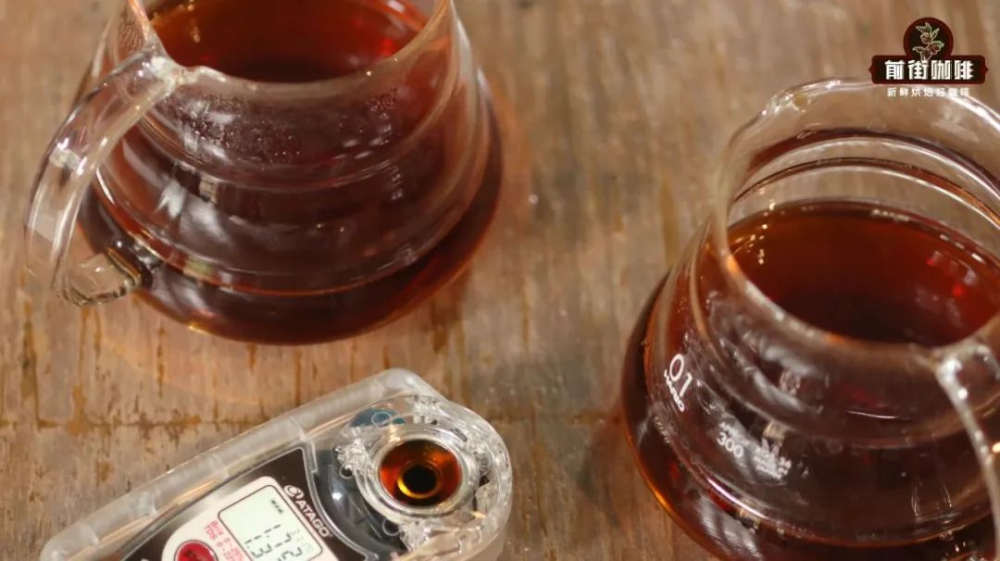
FrontStreet Coffee will first explain what "high concentration, low extraction" means. There is no specific data range defining it; it is simply a concept used to distinguish this approach from the current Golden Cup extraction philosophy.
Take a theoretical example. In the Golden Cup system, we tend to choose coffee-to-water ratios with the highest probability of landing in the Golden Cup zone, such as 1:16.7. That way, when the extraction rate is 18%, the concentration becomes 1.16%; when the extraction rate is 22%, the concentration becomes 1.42%.

With a "high concentration, low extraction" approach, however, the goal is higher coffee concentration at a reasonably low extraction rate -- for example, coffee with an 18% extraction rate and 1.42% concentration. (These are theoretical examples set up to help you understand the idea.)
This philosophy first gained popularity in competition brewing with designated beans. With too little time to understand the designated beans, it is difficult to tailor a perfect extraction plan for them. So adopting brewing methods with high fault tolerance is the safest approach. Using a "large coffee-to-water ratio to extract a high-concentration, low-extraction coffee, plus Bypass to adjust concentration" is the most common method.

Why Does High Concentration, Low Extraction Have High Fault Tolerance?
In coffee brewing, two situations frighten us most: failing to extract the coffee's flavor, and extracting unpleasant flavors. High extraction rates can buy more complex, richer flavors, but at the same time they raise the odds of unpleasant flavors showing up -- a high-risk, high-reward approach. Controlling for a relatively low extraction rate, conversely, reduces the likelihood of bitterness and harshness.
High concentration, meanwhile, gives you more flexibility to adjust. If coffee is too weak, it is hard to fix; if coffee is too strong, you can adjust it through Bypass (diluting with water). Through this extraction philosophy, you can build a cup that will not taste bad, putting yourself in an unbeatable position.
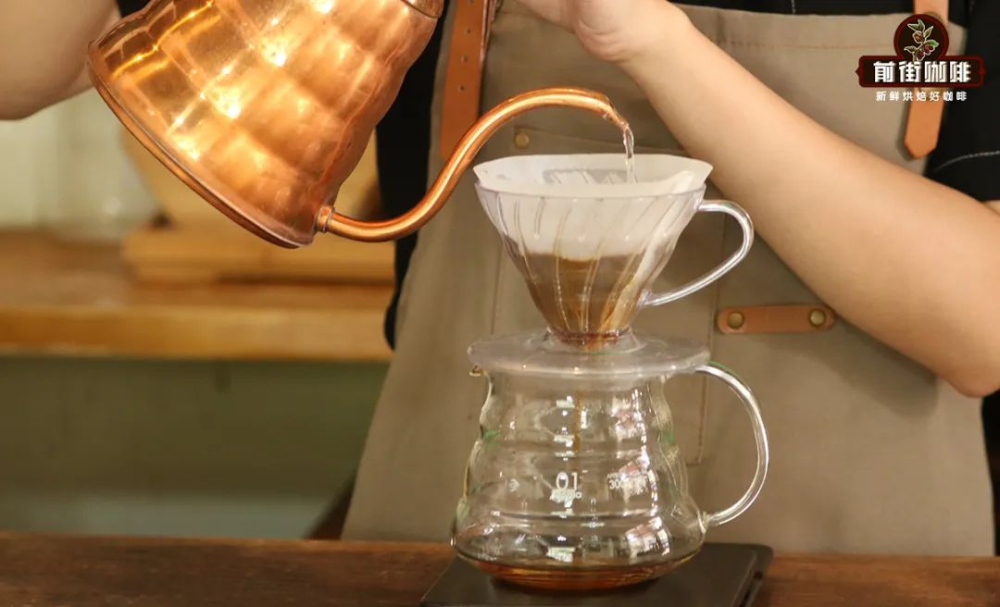
Highlighting Early and Middle Flavor Notes
Beyond fault tolerance, "high concentration, low extraction" also serves to highlight early and middle flavor notes. Whether you increase the coffee amount or reduce the water amount, the essence is the same: raise the coffee-to-water ratio. That increases the proportion of early and middle flavor notes, and so emphasizes them.
Specific Implementation Methods
How is high concentration, low extraction actually implemented? The primary method is adjusting the coffee-to-water ratio, split into active and passive approaches.

Active Adjustment
Active adjustment means directly modifying the brewing recipe. If a normal brewing ratio is 1:15-1:16, for example, the high-concentration, low-extraction version would move to 1:13. This method is commonly applied to dark roast coffees. Using 1:13 is equivalent to a 1:15 version with the tail end removed, because dark roast coffee has a more porous structure that lets coffee compounds extract more easily. Reducing the water volume helps avoid the slightly watery, bitter taste of the later stages, making the coffee richer with a better texture. The drawback is that the aftertaste will be a little shorter.
Passive Adjustment
Passive adjustment means interception: you still pour at a 1:15 coffee-to-water ratio, but you do not intend to let all the coffee liquid drip through. Instead, you remove the dripper while 1-2 times the coffee amount of water is still in the filter. The actual coffee-to-water ratio then becomes 1:13-1:14. This also falls under the "high concentration, low extraction" category.

This method often shows up in rescue brewing. Suppose you discover mid-brew that the coffee bed is clogged. If you wait for all the liquid to drip through, the cup will likely be harsh and bitter, whereas interception offers a glimmer of hope. The resulting liquid actually shows "high concentration, low extraction" characteristics (which is not the same as under-extraction).
Another case is choosing this approach to compensate for equipment limitations. If your grinder does not perform well and produces significant particle-size variation, then "high concentration, low extraction" is an excellent, highly fault-tolerant approach.
FrontStreet Coffee Recommendation
The active 1:13 method is built for dark roasts, where a shorter ratio keeps the cup rich without the bitter tail. FrontStreet's PWN Indonesia Golden Mandheling fits perfectly: a deep-roasted Sumatran with very low acidity, a long thick body, and layered herbal and dark chocolate aromas that stay clean even when you tighten the ratio.
At the other end of the spectrum, a light roast shows you what low extraction protects. FrontStreet's washed Ethiopia Yirgacheffe Gudingding gives bright citrus, berry, and floral notes with a green-tea finish, and its clean, forgiving character means a slightly conservative extraction still lands on a sweet, clear cup.
Important Notice :
FrontStreet Coffee is a long-established specialty coffee roaster in Guangzhou China, selling freshly roasted beans from its own farm in Yunnan as well as dozens of carefully selected single-origin beans from around the world for both pour-over and espresso. The products deliver consistently excellent quality and great value, with shipping within 24 hours. Guangzhou's FrontStreet Coffee shop is recommended by many coffee lovers, and the beans are now available online at the Tmall 。
FrontStreet Coffee has moved to a new address:
FrontStreet Coffee Address: 315,Donghua East Road,GuangZhou
Tel:020 38364473
 Scan and follow the En Gafei WeChat official account. Please indicate that the reprint comes from "En Gafei".

