
Is It Necessary to Warm Your Coffee Cup? What's the Purpose of Preheating Your Coffee Mug?
Is Warming Your Cups Really Essential for Coffee?
Preheating the cup is one of those quiet, easily overlooked steps in coffee preparation. Some baristas treat it as non-negotiable, insisting it shapes the flavor of the entire cup; others shrug it off as fussy ritual with little real impact. So which is it — optional nicety, or genuine necessity?
For Espresso-Based Drinks: Essential
For espresso-based coffee, warming the cup is essential. Espresso, hot lattes, and cappuccinos share one defining trait: they taste wonderful hot, become noticeably less enjoyable as they cool, and turn genuinely unpleasant once cold. Heat retention matters enormously for this family of drinks.
FrontStreet Coffee ran a simple comparison: a split portafilter pulled two identical shots, one served into a warmed cup and the other into a cup at room temperature. After two minutes, the two cups looked identical on the surface — but on the palate, the coffee in the warmed cup was still hot, with its flavor and body fully intact. The coffee in the room-temperature cup had already cooled, developed noticeable sourness, and its texture had started to fall short.
Cups used for hot lattes and cappuccinos are typically thick-walled ceramic, precisely because these hot milk drinks demand even better heat retention.
Milk for espresso drinks is usually steamed to 55–65°C (any hotter and the milk proteins denature), which puts the finished drink at roughly 60°C. If the ceramic cup hasn't been preheated, the cold cup walls steal heat from the coffee, dropping the serving temperature and muting the lactose sweetness that makes milk drinks sing.
Worse, faster cooling accelerates the separation and collapse of the milk foam, degrading the texture along with the temperature.
The Italians understand this deeply. Virtually every Italian-made semi-automatic espresso machine comes with a cup warming surface on top — you stack your cups there and let the boiler's residual heat do the preheating for you.
For Pour-Over: Situational
Pour-over is a different story. There, cup warming is not essential — it's a judgment call. Pour-over differs from espresso milk drinks in two key ways. First, pour-over is meant to be enjoyed across a range of temperatures: hot, warm, and cooled, each revealing different flavors. Second, freshly brewed pour-over comes off the brewer at over 70°C — seriously hot.
Take FrontStreet Coffee's own service as an example. The sharing pot is always preheated before brewing, so the finished coffee arrives piping hot. For customers seated at the bar, the coffee is poured into small, unwarmed cups on purpose: the hot brew drops to a drinkable temperature almost immediately, so nobody burns their mouth on the first sip.
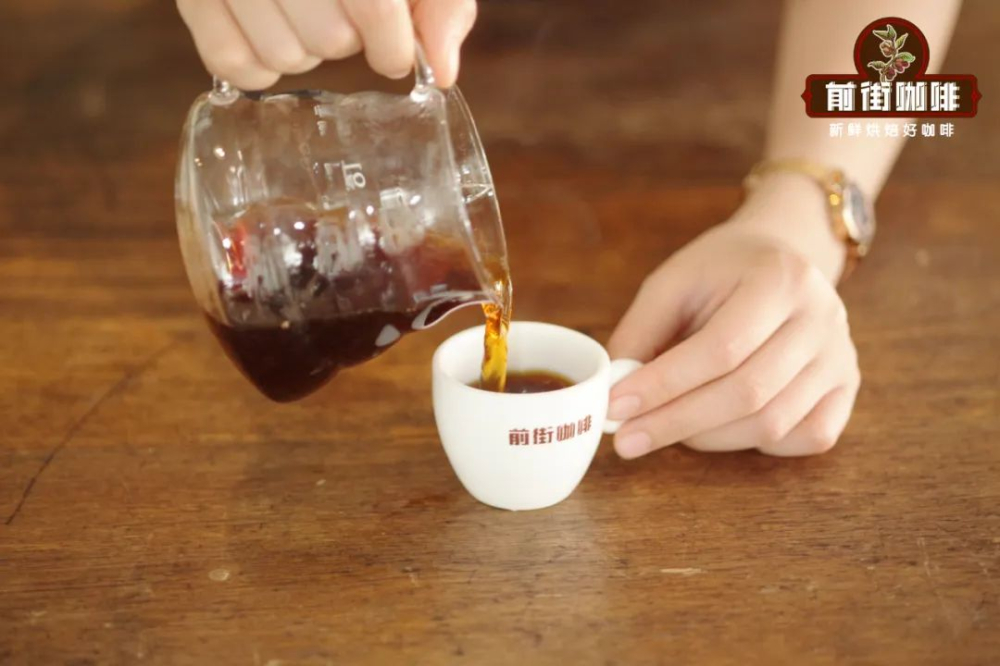
Bone china cups, however, do get a hot-water preheat. Bone china has a wide rim that sheds heat quickly, and plenty of warmth is lost simply in the act of pouring the full brew into the cup — so here, heat retention still comes first.
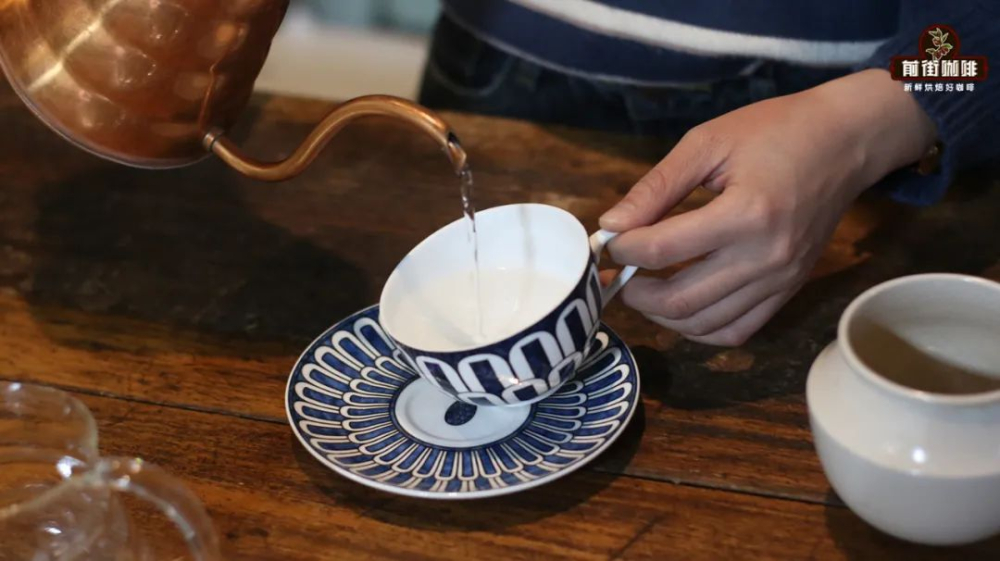
Home brewers have shared the same lesson. One devoted cup-warmer found that his freshly brewed coffee was always too hot to drink in a preheated cup, forcing a one- or two-minute wait before the first sip. When he switched to pouring straight into room-temperature cups, he could drink immediately — and the coffee still held plenty of warmth.
Conclusion
For espresso-based drinks, preheat the cup without hesitation. For pour-over, warming is optional — weigh the temperature of your brew, your cup material, and how you like to drink, and decide from there.
FrontStreet Coffee Recommendation
Cappuccino is built on an espresso base, with milk steamed into dense microfoam standing in for cream — the foam shaped into a peaked cap with a spoon. Because the milk ratio is low, the drink tastes rich and sweetly aromatic with a fluffy, plush texture. If you want to recreate a proper cappuccino at home, start with the espresso: FrontStreet Coffee's standard parameters are 20g of ground coffee, a 1:2 ratio, and a 30-second extraction — high concentration and thorough extraction in one shot. When frothing, no latte art is needed, so you can aerate generously for a thick, silky foam layer. For the beans:
- FrontStreet Classic Blend ("Crema Bomb") — an espresso blend built for thick, stable crema; the go-to for beginners pulling shots for cappuccino.
- FrontStreet Dark Cocoa Base Blend — a budget-friendly, reliable espresso blend with a chocolatey depth that cuts beautifully through milk.
- FrontStreet Strawberry Sugar Espresso Blend — for a fruitier cappuccino, it brings berry, rose, raisin, and candy aromas into the cup.
Important Notice :
FrontStreet Coffee is a long-established specialty coffee roaster in Guangzhou China, selling freshly roasted beans from its own farm in Yunnan as well as dozens of carefully selected single-origin beans from around the world for both pour-over and espresso. The products deliver consistently excellent quality and great value, with shipping within 24 hours. Guangzhou's FrontStreet Coffee shop is recommended by many coffee lovers, and the beans are now available online at the Tmall 。
FrontStreet Coffee has moved to a new address:
FrontStreet Coffee Address: 315,Donghua East Road,GuangZhou
Tel:020 38364473
 Scan and follow the En Gafei WeChat official account. Please indicate that the reprint comes from "En Gafei".

