
Do Coffee Cups Influence Flavor? Choosing the Right Cup for Pour-Over Coffee

Recently, out of boredom, I watched some wine-tasting videos, where over 10 minutes were devoted to introducing wine glasses. Everything from shape, material and craftsmanship to details such as thickness, transparency and even sound revealed how they create different sensory experiences for wine.
The coffee tasting system developed relatively later than wine, which allowed it to absorb some testing items and aromatic flavor profiles from wine tasting. As coffee has specialized, everything from cultivation and processing at origin, through roasting by bean merchants, to brewing has improved qualitatively. With everything else enhanced, the cup's influence on flavor during tasting has become a focus of attention.

Coffee cup selection generally gets little attention, but when you truly taste coffee, cups do affect the sensory performance of the coffee. There are many types of cups: by material there are ceramic, glass, wooden and metallic; thickness ranges from thick to thin; cup shapes include tulip-type, or narrow-mouthed, egg-type, or wide-mouthed, open-mouthed, narrow-mouthed, and mug-type. Cup sizes range from as small as 60ml to as large as 400ml.
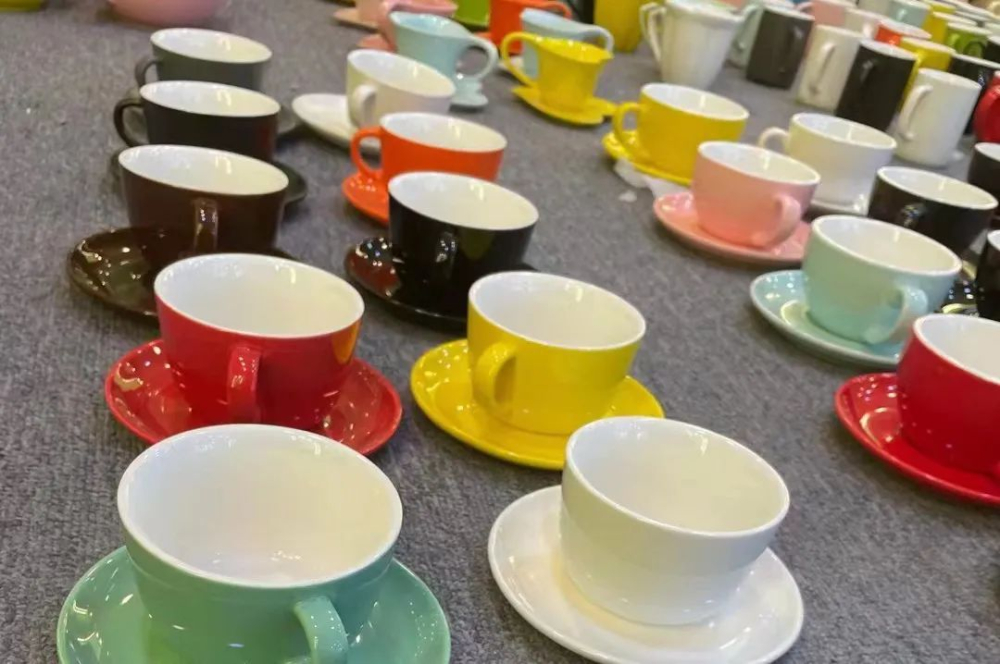
With such a wide variety, FrontStreet Coffee believes there is no inherently bad type of coffee cup; as long as a cup highlights the characteristics of the coffee inside it, it is a good cup. Below, FrontStreet Coffee discusses how to choose a suitable one.
Materials
Currently the mainstream coffee cup materials are ceramic and glass, with wood, meaning lacquerware, and metal being more niche. Ceramic is the most common material, and its greatest feature is heat retention. Hot coffee rarely tastes as good once cold, so ceramic cups let coffee cool more slowly. Glass coffee cups have gained popularity in recent years, however, because the transparent material lets you observe the color and transparency of the liquid through light. Dark roast black coffee looks black in a ceramic cup but shows a wine-red color through light in a glass cup. Light roast black coffee looks dark brown in ceramic but shows orange-red through light in glass. Coffee that appears lighter and more transparent visually does not seem as bitter.
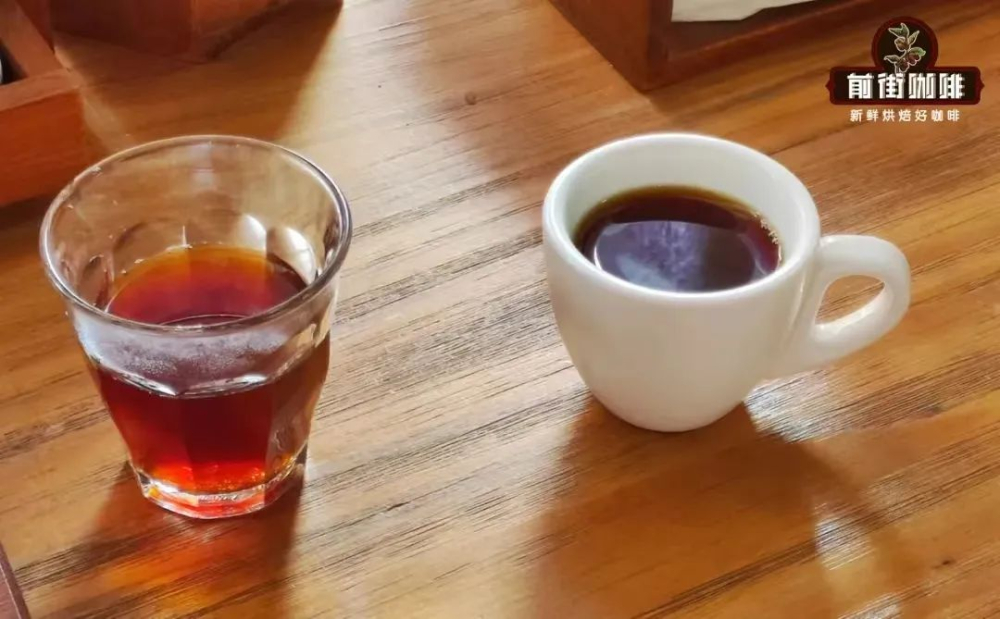
Using a glass cup for a single-origin black coffee therefore gives a different sensory experience from ceramic. Since glass does not insulate as well as ceramic, FrontStreet Coffee recommends choosing smaller-capacity glass cups, under 100ml.
Cup Thickness
The thicker the cup, the better its insulation, which is why early coffee cups were designed to be very heavy. Later, though, people found that coffee tasted more refined in cups with thinner walls, because thin walls let the liquid flow more easily into the mouth, creating a smoother drinking experience.
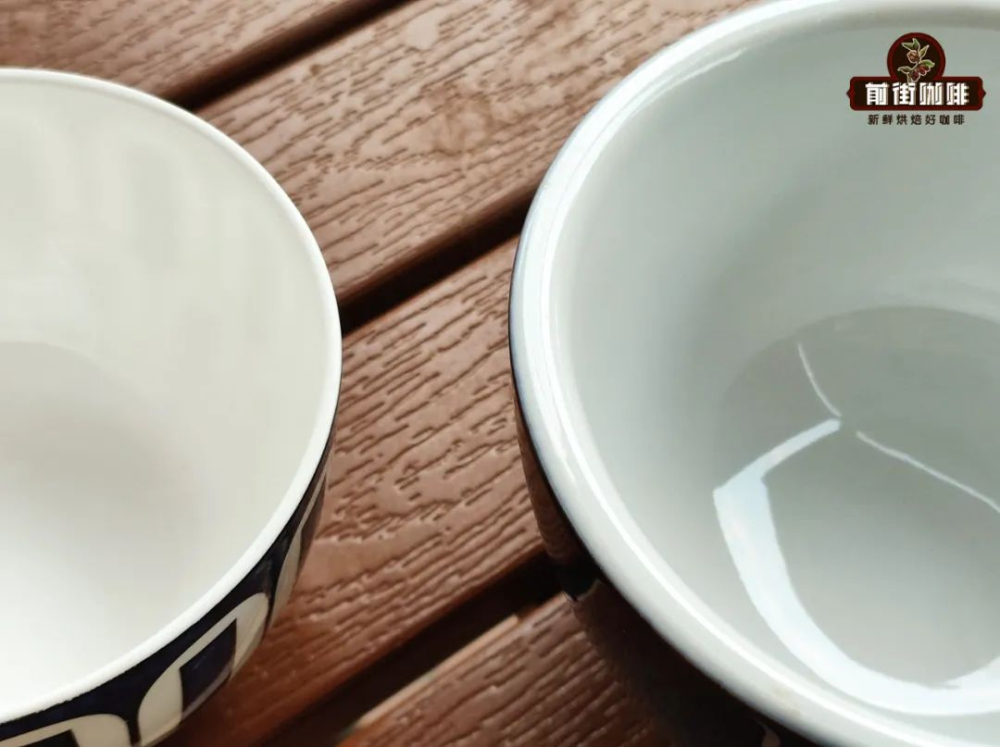
Thick-walled cups are therefore used for milk coffee, partly because when making a latte or cappuccino, they often need to be filled to 11 parts, meaning the foam must sit higher than the rim. Thick walls support the foam better without letting it overflow.
Thin-walled cups are used for black coffee to enhance the mouthfeel. Because thin walls do not insulate as well, FrontStreet Coffee recommends keeping the cup under 200ml, so the coffee can be finished before it goes completely cold.
Coffee Cup Shapes
Cup shape significantly affects the sensory experience. A narrow mouth, like that of a red wine glass, helps you perceive aromas better, but it also makes it harder for the coffee to flow into the mouth, so the mouthfeel is relatively weaker. This type suits beans with very strong aromas.
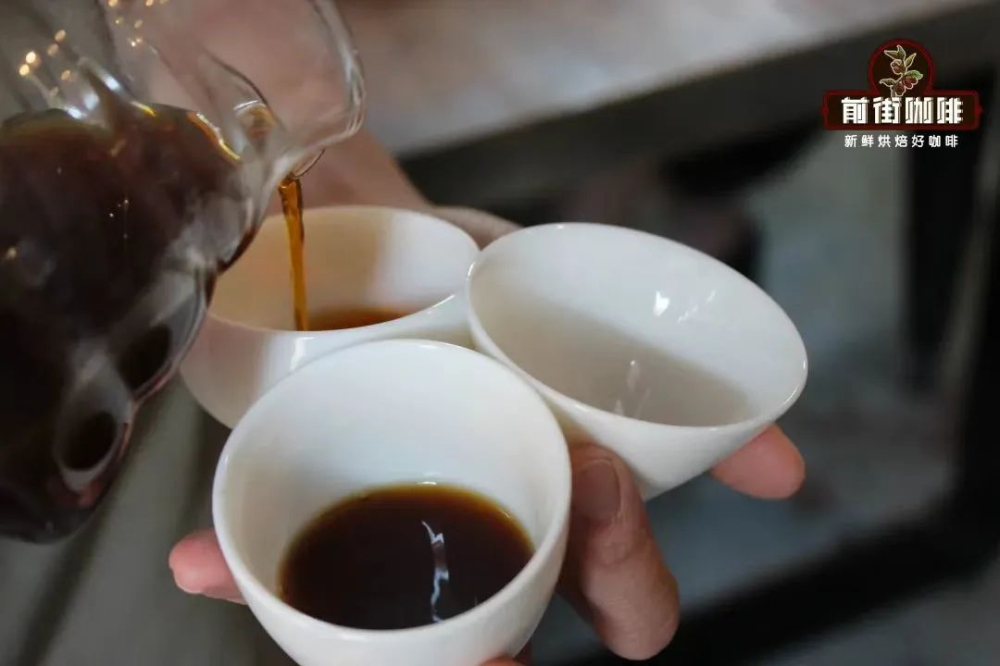
Open mouths that flare outward let coffee enter the mouth smoothly and perform better on mouthfeel. They also let the liquid flow more easily to the acid-sensitive areas on both sides of the tongue, making acidity more pronounced, though aromas disperse more widely and become relatively weaker. This shape suits light-roast single origins rich in fruit flavors.
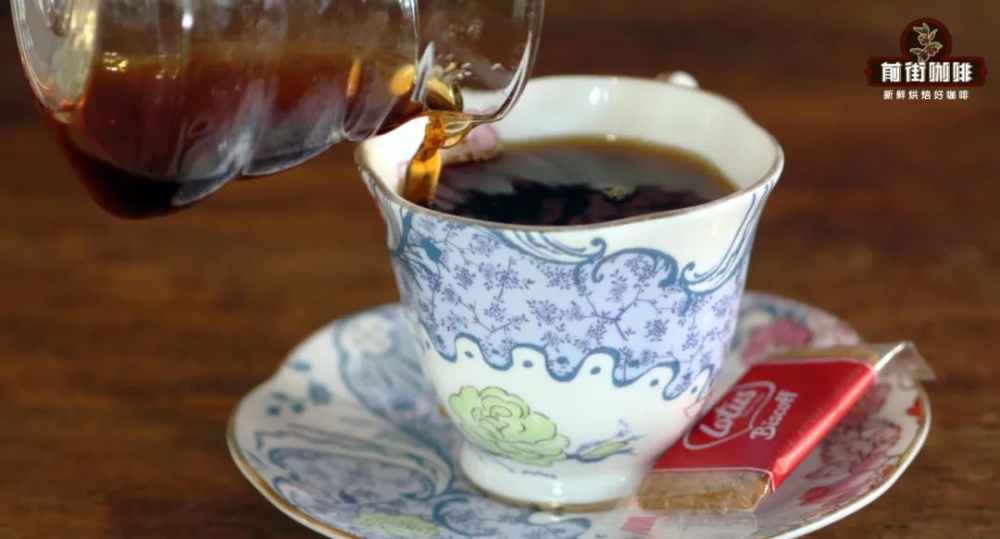
Straight-mouthed cups have a rim that forms a straight line with the body, the mug being the most typical example. This opening strikes a balance between the previous two types and suits medium to dark roast single origins that taste balanced and comfortable.
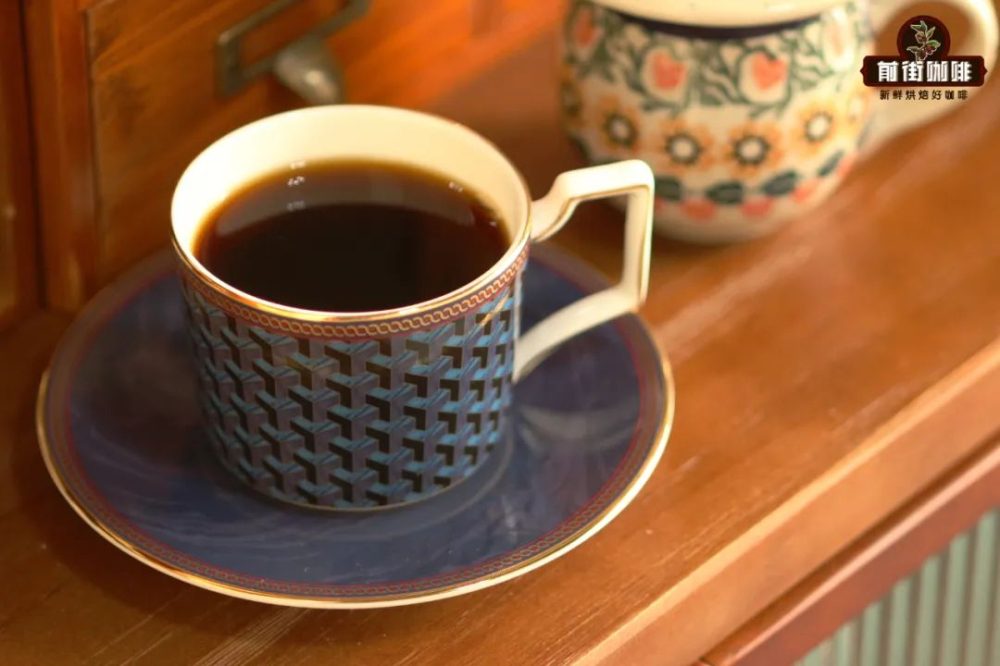
Besides common cups, some coffee brands, much like wine glass makers, have developed tasting cups that offer better sensory experiences. Origami's aroma cup, notably, cleverly combines the advantages of open and narrow-mouthed designs: the body narrows to concentrate aromas like a narrow-mouthed cup, then the narrowed section opens up again, letting the liquid flow more easily into the mouth and enhancing the mouthfeel.
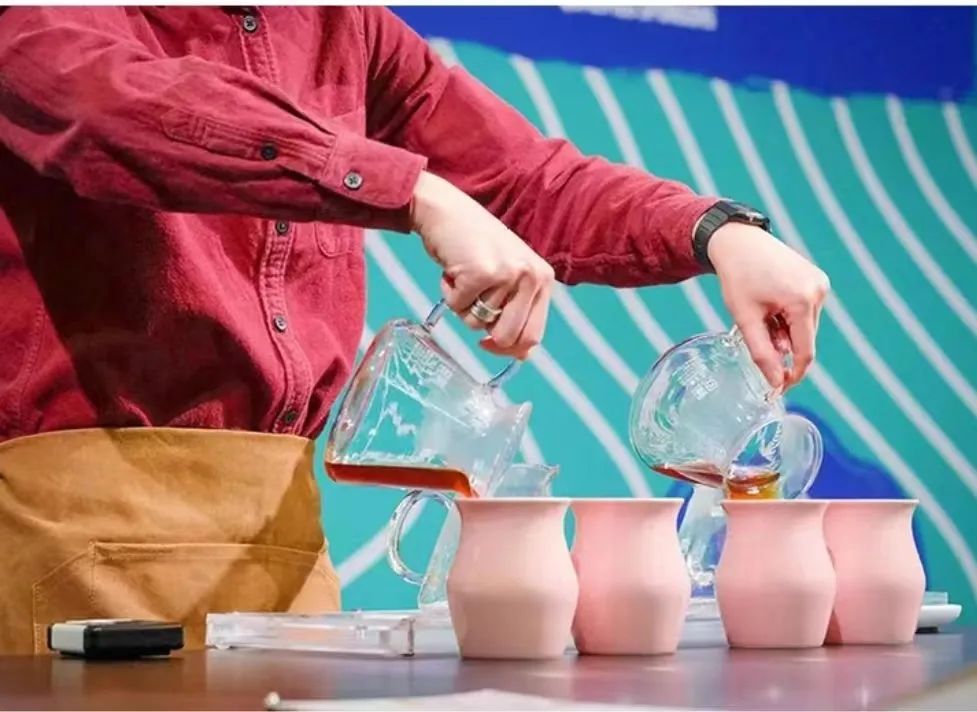
The Canadian brand Kruve has introduced glass tasting cups that keep the characteristic of appreciating the coffee's color. The double-layered glass insulates better while preventing heat burns. The rim also narrows to concentrate aromas, while an ingenious curve at the opening makes it appear narrow when it is actually straight, preserving the mouthfeel.
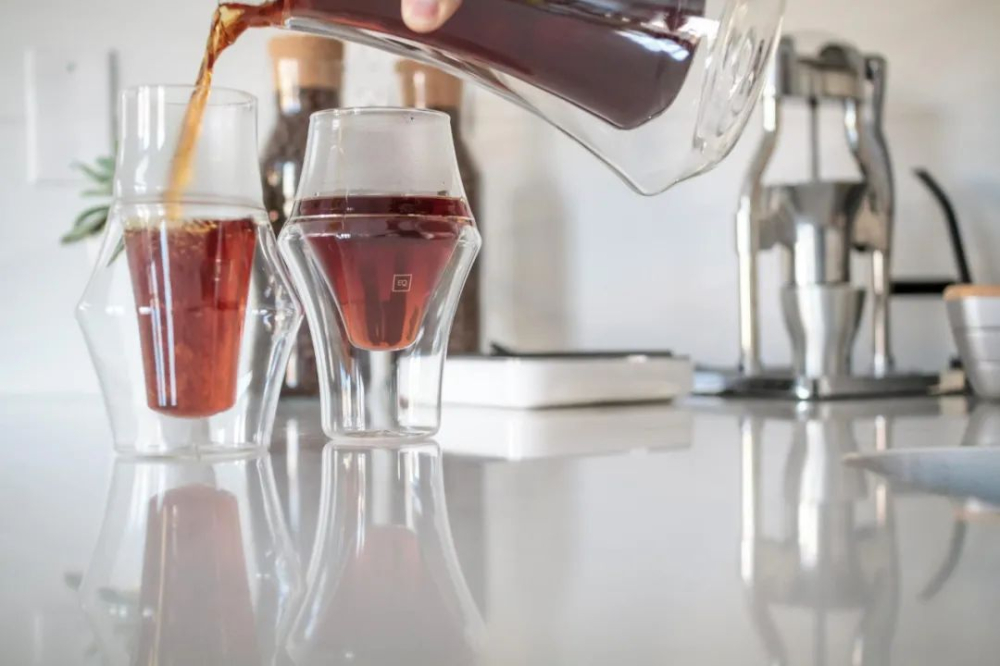
Overall, besides being expensive, these professional tasting cups have no real shortcomings.
FrontStreet Coffee Recommendation
A good cup deserves good coffee, and for a single-origin black coffee in a glass, Ethiopia is a natural place to start. FrontStreet Ethiopia Yirgacheffe Guting is many people's first taste of specialty coffee, with stark citrus, berry and floral notes and a green-tea sweetness, its acidity gentle and bright rather than harsh. FrontStreet Ethiopia Huakui stands out for its tropical fruit aromas of strawberry, passion fruit, jackfruit and lychee, with clear sweetness, very low bitterness and a smooth, juicy body.
For the classic jasmine and lemon profile, FrontStreet Washed Yirgacheffe is known for its white jasmine, bright citrus and lemon acidity and tea-like body, and its friendly price has made it a first bag for many. If you want to try a Geisha, FrontStreet Panama Boquete Geisha is an accessible entry from Panama's most representative specialty region, washed and clean, with the honeyed citrus and oolong-tea texture the variety is known for.
If you prefer a sweeter, lower-acid option for a warm ceramic mug, FrontStreet Brazil Queen Estate, a rare Yellow Bourbon from Brazil, brings butter, sunflower seed, macadamia and almond aromas with a sugarcane-like freshness and a thick, smooth body, and it brews equally well as a pour-over or with milk.
Important Notice :
FrontStreet Coffee is a long-established specialty coffee roaster in Guangzhou China, selling freshly roasted beans from its own farm in Yunnan as well as dozens of carefully selected single-origin beans from around the world for both pour-over and espresso. The products deliver consistently excellent quality and great value, with shipping within 24 hours. Guangzhou's FrontStreet Coffee shop is recommended by many coffee lovers, and the beans are now available online at the Tmall 。
FrontStreet Coffee has moved to a new address:
FrontStreet Coffee Address: 315,Donghua East Road,GuangZhou
Tel:020 38364473
 Scan and follow the En Gafei WeChat official account. Please indicate that the reprint comes from "En Gafei".

