
How Much Does It Cost to Open a Coffee Shop? What Are the Operating Costs for a Community Coffee Shop?
Before we begin, we hope you'll calmly consider a few questions before opening a coffee shop: "Do you understand coffee consumption demand?" "How much do you actually know about coffee?" "Why do you want to open a coffee shop?" "Who exactly will your customers be?"

Community coffee shops have become so popular that you can now find one on nearly every street corner. Yet very few survive long term. Based on a year of observation, here are the recurring reasons:
1. Remote location
2. Lack of professionalism and poor quality control
3. Unclear product positioning
4. Blind price-cutting and discounting
5. Being overly generous to acquaintances
6. Lack of service awareness
Most coffee shops don't fail because the market is saturated, but because their owners didn't understand the coffee industry or consumer demand before opening. Many also lack the coffee expertise themselves — unable to personally oversee the products, manage the shop and staff, and keep costs from ballooning.
Remote Location
What counts as remote? Spots far from main roads, buried in small alleys that even GPS struggles to find... The rent is often dirt cheap, and many people rent impulsively without thinking about accessibility. Even delivery riders will tell you: "Your shop is impossible to find!"

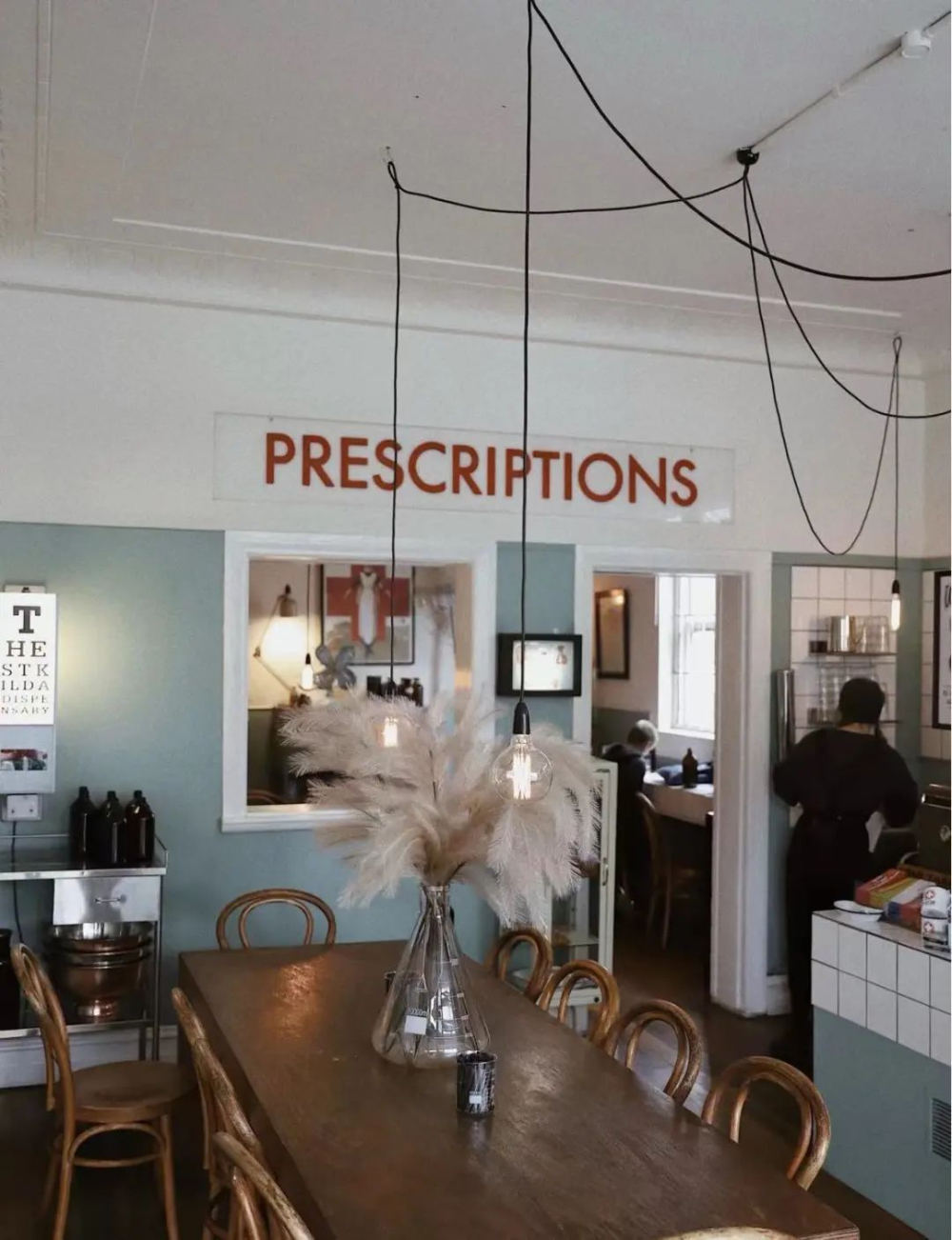
A remote location largely fixes your customer flow. Unique decor and great products may draw a few curious visitors, but repeat business is hard to build. For ordinary consumers, trekking through winding alleys for a coffee is a non-starter.
Lack of Professionalism, Poor Quality Control
Running a coffee shop requires at least foundational coffee knowledge — enthusiasm alone or a short training course isn't enough. Professionalism extends beyond technique to procurement, quality control, sales, and after-sales service.
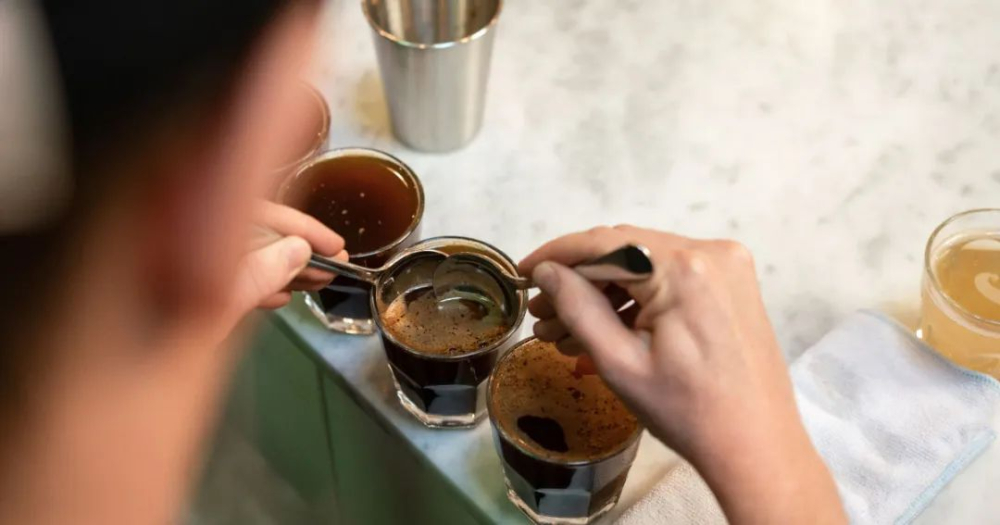
Product quality control deserves special emphasis: knowing how to brew pour-over or pour latte art does not mean you can produce consistently good drinks. Raw-material quality control is critical, above all for coffee beans. As an agricultural product, coffee depends on roasting for its flavor expression, and quality varies widely. Without a professional understanding of beans, roasting, and extraction, problems slip by unnoticed or go uncorrected — putting product quality and brand reputation at risk.
Unclear Product Positioning
Many community shops obsess over pour-over only, picking beans famous within coffee circles, or over elaborate signature drinks that photograph beautifully. Relative to bean cost the prices may not even be high — but ordinary consumers don't see it that way.
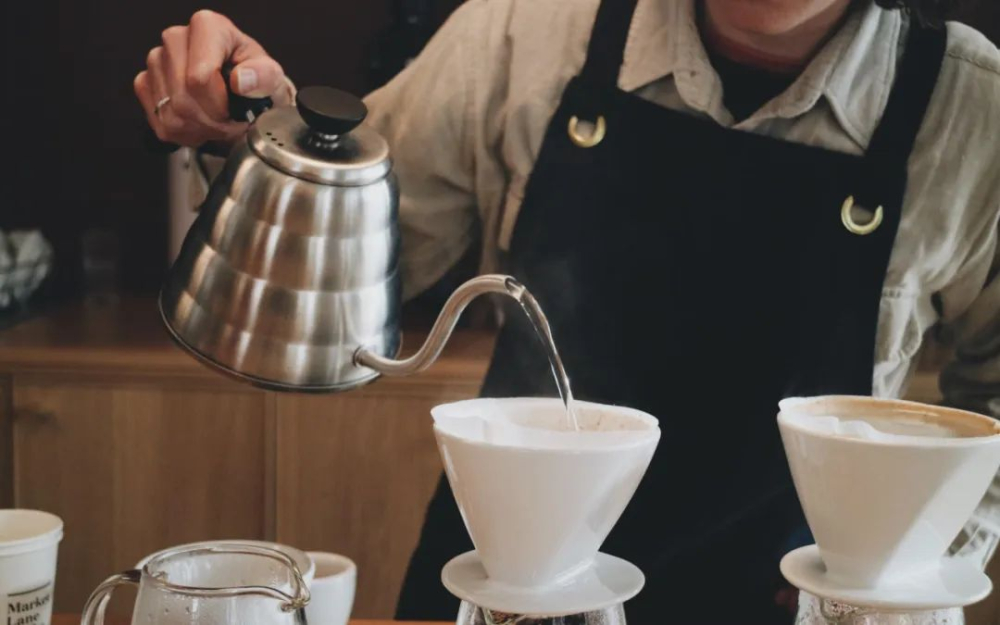
For neighborhood residents, value for money is what counts — and that value isn't measured against the price of the beans, but against whether the product convinces them. What usually brings people back is a cup of americano or latte: perhaps not stunning, but stable and fairly priced.
Blind Price-Cutting and Discounting
Owners who don't understand marketing often try to attract customers by cutting prices, assuming cheap equals popular. Selling coffee at material cost does draw a crowd, but it makes the product feel cheap — and when prices return to normal, those customers don't come back. Loss-leader pricing is strongly discouraged. Marketing exists to turn strangers into regulars; endless discounts, even when they don't lose money, benefit neither you nor the brand.
Being Overly Generous to Acquaintances
Another way to frame this: pricing based on who the customer is — arbitrary discounts or even free drinks depending on your mood or the closeness of the relationship. Whether it's friends, classmates, or relatives, giving things away isn't necessarily generosity.

Discounts are fine, but treat everyone equally. Otherwise, at month's end you'll wonder why you lost so much money. Each free cup looks small, but they add up.
Lack of Service Awareness
A community coffee shop runs on human connection and attentive service. Customers return for the product, yes — but more often for the owner. In practice, we've noticed many owners only solicit feedback from customers ordering pour-over or specialty drinks, rarely asking the americano and latte crowd — who are potential regulars too!
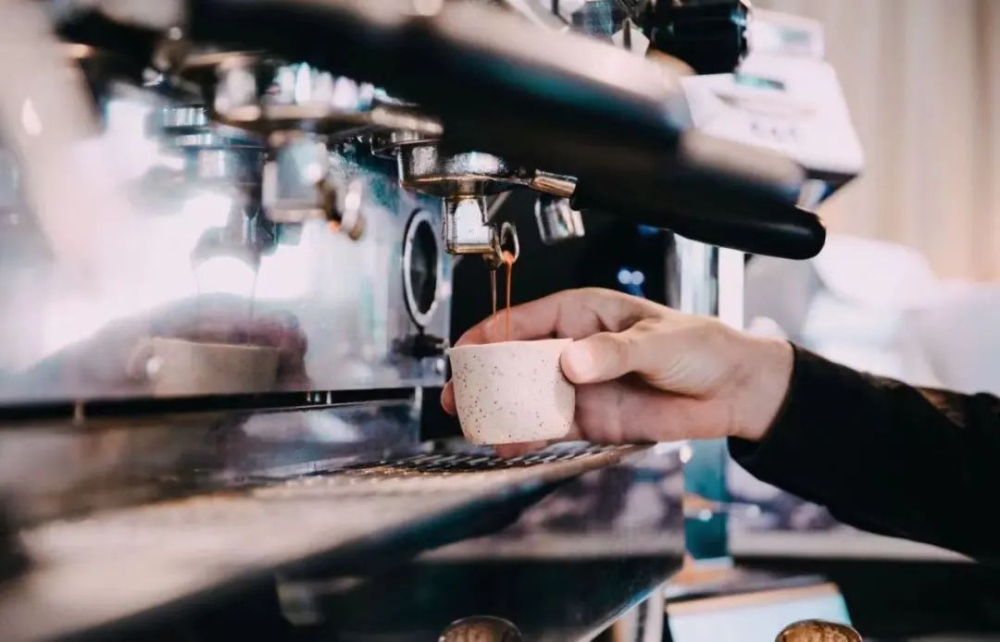
Treating everyone equally matters. Professional, sincere service to every customer will never cost you.
By now you should have a general picture of what running a community coffee shop involves. So what does it cost to open one? Here's a rough calculation (approximate only — actuals vary by region).
In Guangzhou's old districts, suitable food-and-beverage premises of 30-40 square meters rent for about 6,000-10,000 yuan/month, depending on location and foot traffic.
Staffing: we don't recommend hiring right away — make the drinks yourself first if you can. Still, account for your own labor; no need to set it high, even an average barista wage of about 4,000 yuan/month is reasonable.
Hard renovation: for a simple fit-out, if you paint yourself and source materials yourself, expect roughly 20,000-30,000 yuan; hiring professionals runs about 40,000-50,000 yuan. For plumbing and electrical work, hire professionals — bad installation means maintenance headaches later.
Soft furnishing: initially you only need basics — sofas, seating, cabinets, a refrigerator. Around 30,000-40,000 yuan buys a comfortable setup; add the rest gradually as the business grows.

For equipment, choose what's right, not what's expensive. Community shops live on stability, so the machine and grinders don't need to be prestige brands, but they must produce consistent results. Do your homework before opening — don't get seduced by tens of thousands of yuan in machines and grinders.
Plenty of equipment offers solid value today: 7,000-12,000 yuan buys a very good commercial espresso machine (a single-group machine is basically enough); espresso grinders run about 3,500-4,000 yuan, and pour-over grinders 3,000-6,000 yuan.
Utilities: the bigger the equipment, the higher the power bill. Community coffee shops generally spend about 2,000 yuan on utilities.

Coffee beans: ordinary espresso beans run 50-60 yuan per pound; beans with more prominent overall flavors, 70-80 yuan; distinctive estate blends or SOE beans, 90-150 yuan.
Milk: regular fresh milk costs 11-13 yuan per liter, better-quality fresh milk 16-19 yuan per liter. A milk coffee plus waste uses about 200ml, so one liter makes 4-5 drinks at roughly 2.5-4.5 yuan each.
Other materials: cups, saucers, takeout supplies, packaging bags, and so on.
"Opening a shop is easy; keeping it open is hard." Don't be impulsive — slow down, think it through, then decide.
Image source: Internet
FrontStreet Coffee Recommendation
Since bean cost is a running expense that shows up in every cup, choose beans that balance quality and price. FrontStreet Coffee's Black Cocoa Blend (100% arabica, full crema, mellow body) and Commercial Blend were built exactly for cost-conscious shop owners, while the Classic Blend — the traditional "Mamba" recipe with a touch of robusta — pulls thick golden crema that makes every latte look café-grade.
For the pour-over menu that sets you apart, entry-level single origins like Ethiopia Yirgacheffe Guodingding, Brazil Cerrado Red Bourbon, and PWN Golden Mandheling are affordable, reliable crowd-pleasers that keep regulars coming back.
Important Notice :
FrontStreet Coffee is a long-established specialty coffee roaster in Guangzhou China, selling freshly roasted beans from its own farm in Yunnan as well as dozens of carefully selected single-origin beans from around the world for both pour-over and espresso. The products deliver consistently excellent quality and great value, with shipping within 24 hours. Guangzhou's FrontStreet Coffee shop is recommended by many coffee lovers, and the beans are now available online at the Tmall 。
FrontStreet Coffee has moved to a new address:
FrontStreet Coffee Address: 315,Donghua East Road,GuangZhou
Tel:020 38364473
 Scan and follow the En Gafei WeChat official account. Please indicate that the reprint comes from "En Gafei".

