
How to Allocate Water for Segmental Pour-Over Coffee? How Much Water for Each Segment?
Pouring water in segments is the friendlier approach for beginners: it gives you more room to adjust, and better handles issues like water pooling, rapid drainage, and uneven extraction.
But segmented pouring also raises an obvious question for newcomers: how should the water be divided among the segments? And how does the distribution of water across segments affect the flavor?
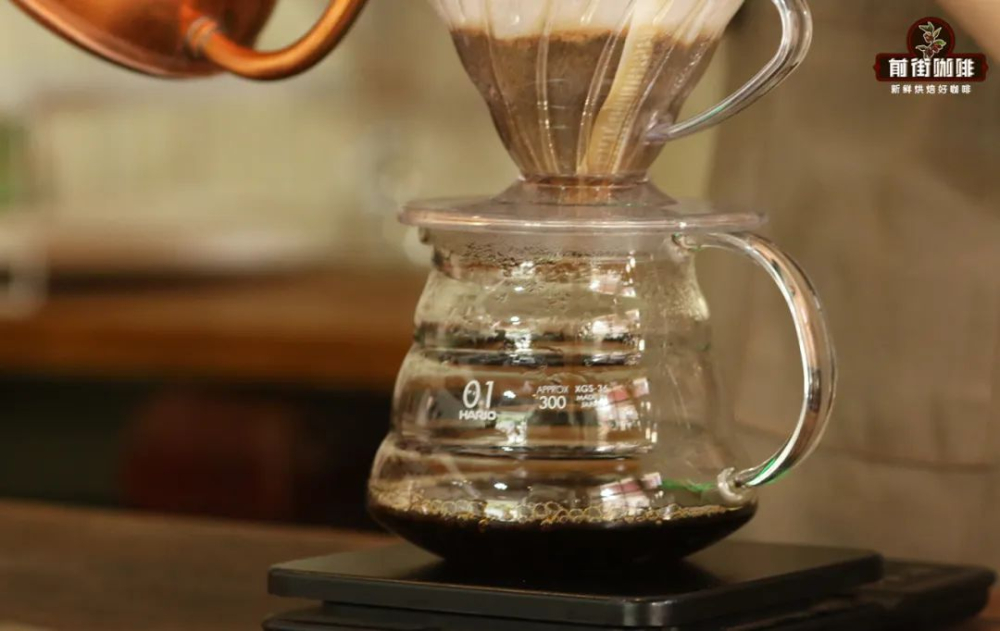
To show the impact of water distribution on flavor as clearly as possible, FrontStreet Coffee designed a comparative experiment.
For this experiment, FrontStreet Coffee used a three-stage pouring scheme. (A quick clarification to avoid confusion: the "three-stage method" divides the whole brew into three stages including the bloom; "three-stage pouring" excludes the bloom—sometimes called the "three-cut technique"—and actually involves four pouring segments.)
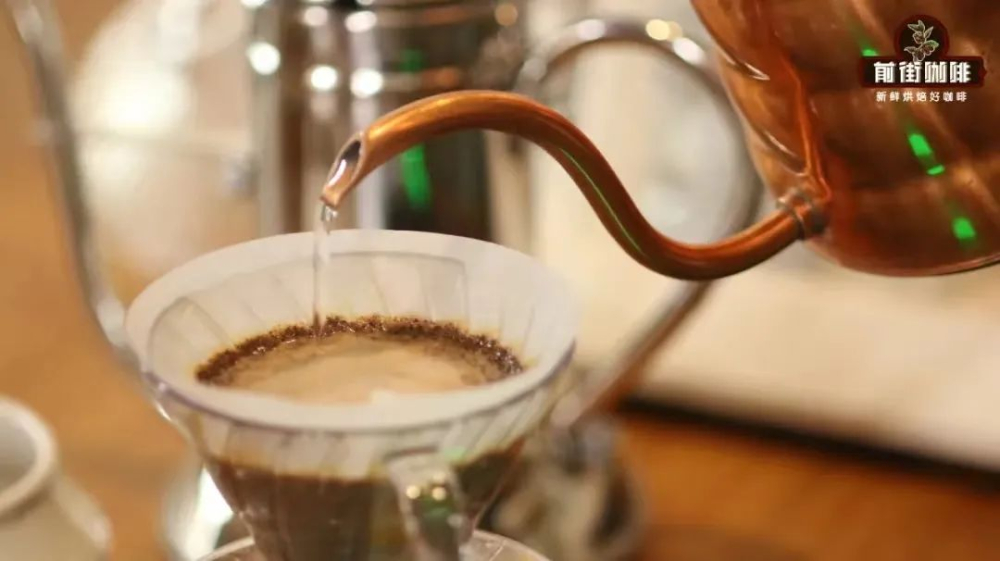
So within the three-stage framework, once the first segment's bloom pour is set, only the second and third segments need to be allocated.
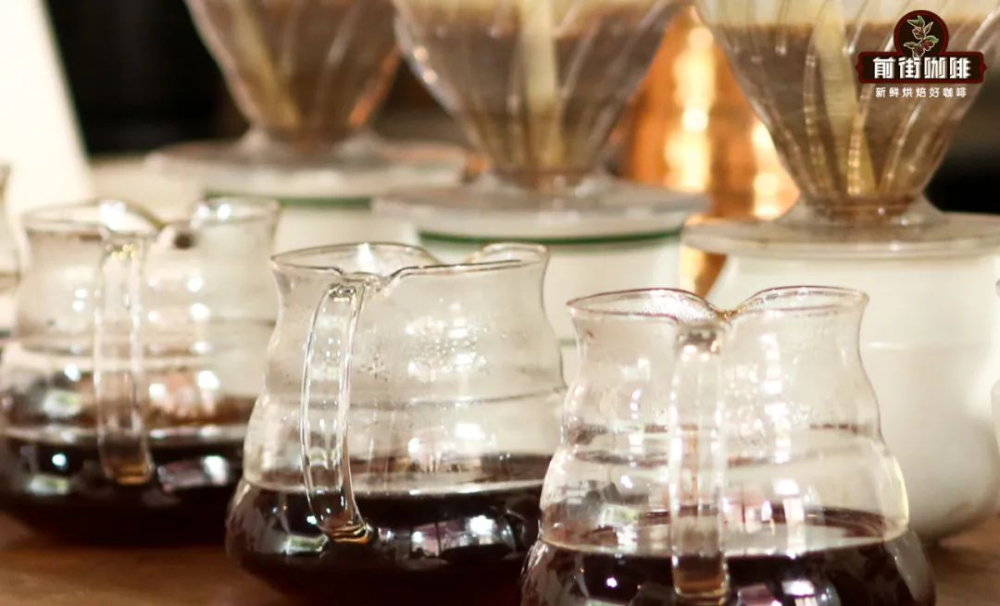
FrontStreet Coffee ran three comparative groups:
Group 1: Second segment > Third segment
Group 2: Second segment = Third segment
Group 3: Second segment < Third segment
The bean chosen was Yirgacheffe Gedeb. The parameters: 15g of coffee, a 1:16 ratio, medium-fine grind (80% pass-through on a #20 sieve), and 91°C water.
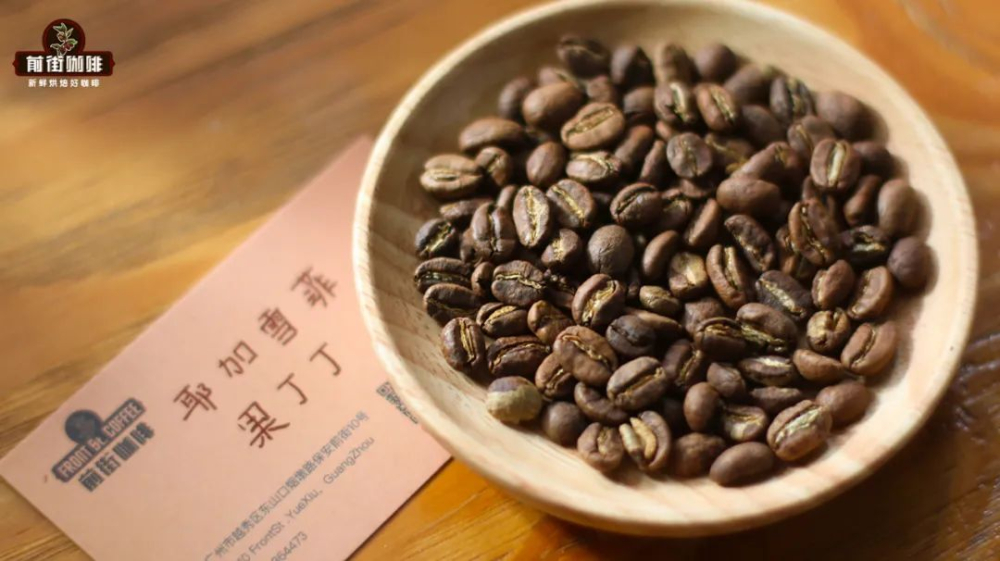
The water allocation for each group:
Group 1: First segment 30ml (bloom), second 130ml, third 80ml;
Group 2: First segment 30ml (bloom), second 105ml, third 105ml;
Group 3: First segment 30ml (bloom), second 80ml, third 130ml.
Extraction times came out at 2:12, 2:03, and 2:10 respectively—all quite close.
In flavor and mouthfeel the three cups differed, yet all showed this coffee's signature florals, citrus acidity, and green tea character. FrontStreet Coffee ranked them on those axes to make the comparison easy to read.
Acidity: Group 1 > Group 2 > Group 3
Sweetness: Group 2 > Group 3 > Group 1
Mouthfeel: Group 2 > Group 1 > Group 3
Aftertaste: all three comparable
Simply put, the water column stirs up the coffee grounds as you pour, raising extraction efficiency—and raising it at different points in the brew produces different flavor expressions. When more water goes to the earlier segments and less to the later ones, vibrant acidity comes forward, and the cup leans fresh and lively.
Conversely, when more water is weighted toward the later segments, sweetness and mouthfeel are enhanced, and the cup leans balanced, rich, and stable.
There is a catch, though: weighting water late can produce a thin body. In this experiment, FrontStreet Coffee used Gedeb beans—high-altitude, lightly roasted, and dense.
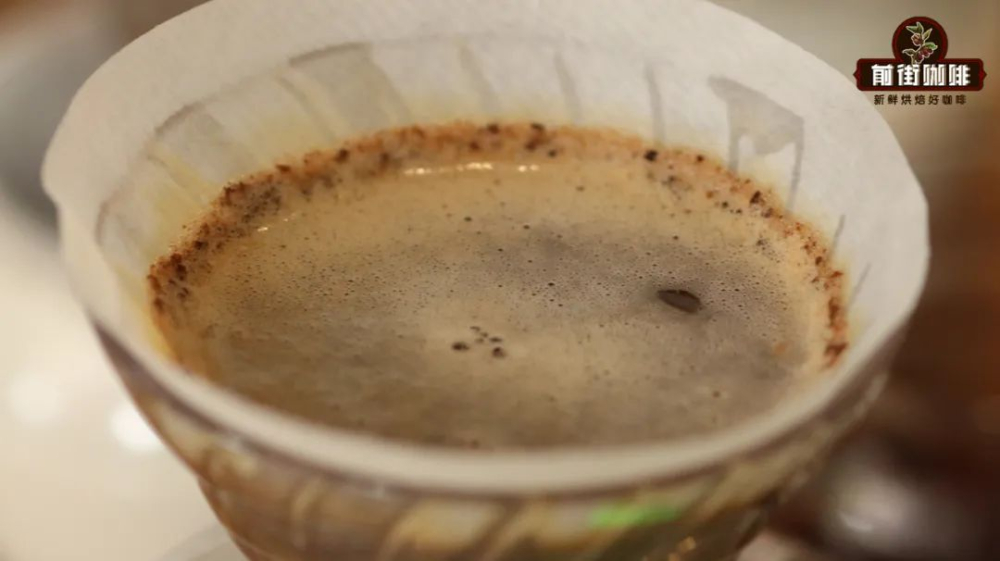
With these beans, the grounds settle and accumulate on the coffee bed, so the coffee wall forms only once, right after the bloom. In Group 3, the second segment's smaller pour left the water level—and therefore the coffee wall—lower. When the larger third segment arrived, the water level easily submerged the existing wall, and water above the wall drained out along the filter paper's edge. The result: a naturally thin body.
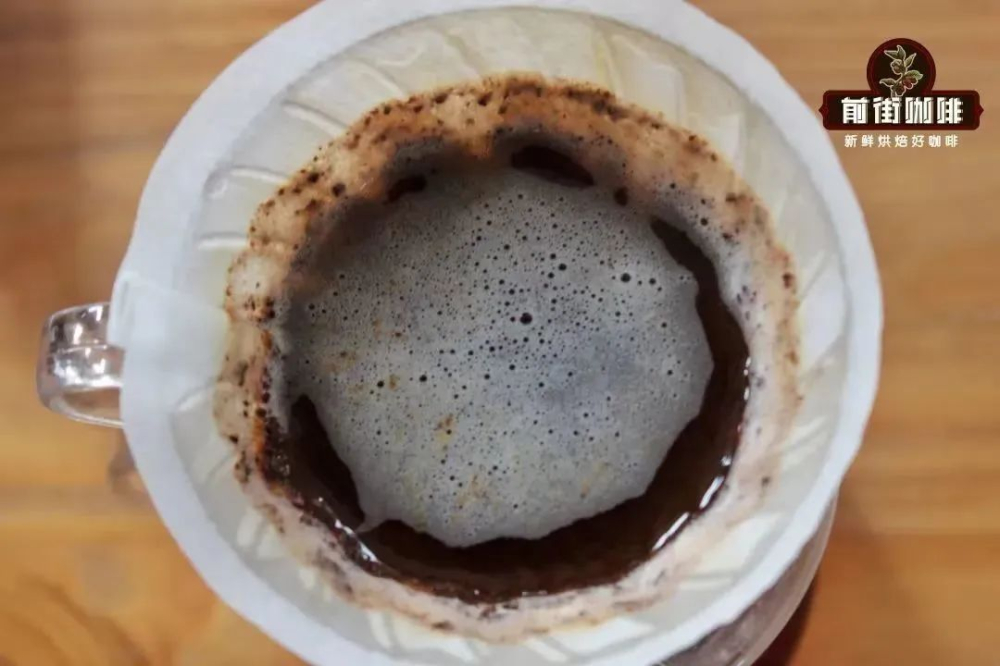
So when planning your water distribution, keep the water level in mind. If you intend to emphasize sweetness by concentrating water in the later segments, the level may rise above the coffee wall. In that case, you can temporarily split the later pour into two segments to avoid the thin body—or better, accept that the plan was poorly designed and redistribute.
Finally, if you look closely at published water distribution schemes, most anchor around a 6:4 or 7:3 split between front and back segments.
FrontStreet Coffee Recommendation
The Gedeb beans used in this test come from the Yirgacheffe region of southern Ethiopia—home to some of the world's highest coffee farms, with trees planted above 1,800 meters. For your own segmented pour, FrontStreet Coffee recommends the classic washed Yirgacheffe: white jasmine florals, bright citrus and lemon acidity, and a clean tea-like finish—the ideal first step into Ethiopian coffee.
For more layered sweetness, try the FrontStreet Guodingding Cooperative coffee from the Worka area: traditional washed processing with fresh, luminous citrus-lemon acidity and jasmine fragrance. Or the natural-processed Red Cherry, which pairs the classic Yirgacheffe profile with tropical fruit—berry-like juiciness, honeyed sweetness, and a creamy smoothness.
Important Notice :
FrontStreet Coffee is a long-established specialty coffee roaster in Guangzhou China, selling freshly roasted beans from its own farm in Yunnan as well as dozens of carefully selected single-origin beans from around the world for both pour-over and espresso. The products deliver consistently excellent quality and great value, with shipping within 24 hours. Guangzhou's FrontStreet Coffee shop is recommended by many coffee lovers, and the beans are now available online at the Tmall 。
FrontStreet Coffee has moved to a new address:
FrontStreet Coffee Address: 315,Donghua East Road,GuangZhou
Tel:020 38364473
 Scan and follow the En Gafei WeChat official account. Please indicate that the reprint comes from "En Gafei".

