
Is Drinking Coffee Actually Healthy? WHO States Trans Fats Can Be Fatal and Should Not Exist in Food
WHO Report: 5 Billion People Exposed to Harmful Trans Fats in Food
The World Health Organization (WHO) released a report on the 23rd stating that, according to WHO data, more than 5 billion of the world's 8 billion people have harmful industrially-produced trans fats in their food. Among them, 500,000 people die prematurely from heart disease caused by trans fats.

WHO Director-General Tedros Adhanom Ghebreyesus stated that trans fats have no known benefits and pose huge health risks. They are deadly toxic chemicals that should not exist in food. Not only do they offer no health benefits, they also impose high costs on healthcare systems.
Understanding Trans Fats
Trans fats, also known as trans fatty acids, are unsaturated fatty acids that can hinder fatty acid metabolism, increase the burden on the gastrointestinal tract, raise the incidence of blood clots, and increase the risk of cardiovascular disease. Despite offering no health benefits, trans fats are very common and are typically found in packaged foods, baked goods, cooking oils, and food spreads.
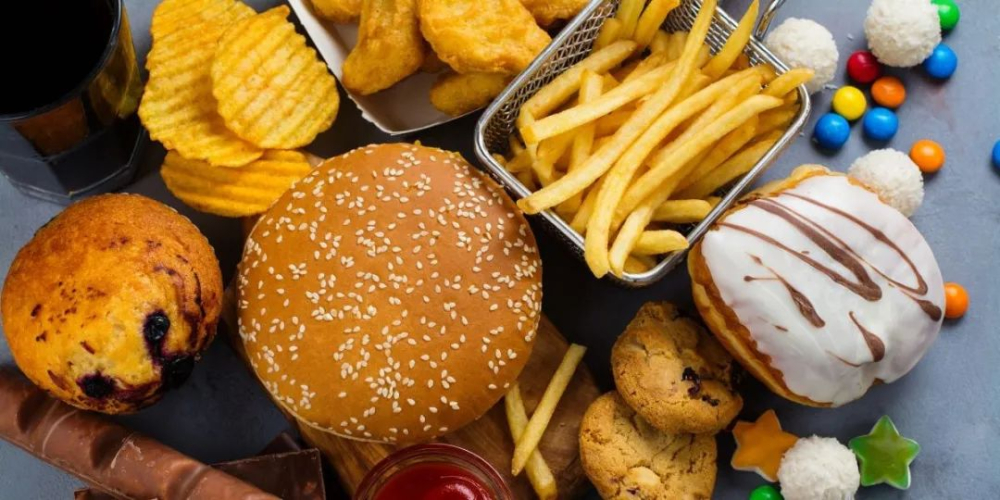
There are generally two sources of trans fats. One is natural, coming mainly from ruminant animals such as cattle and sheep — their meat, fat, milk, and dairy products. The content in natural foods, however, is not significant.
The other source comes from processing. Small amounts of trans fats can be produced during cooking when oil temperature is too high and cooking time is too long, but most come from the hydrogenation and refining of vegetable oils. The advantages of this processing are improved taste, high-temperature resistance, resistance to spoilage, and a long shelf life.
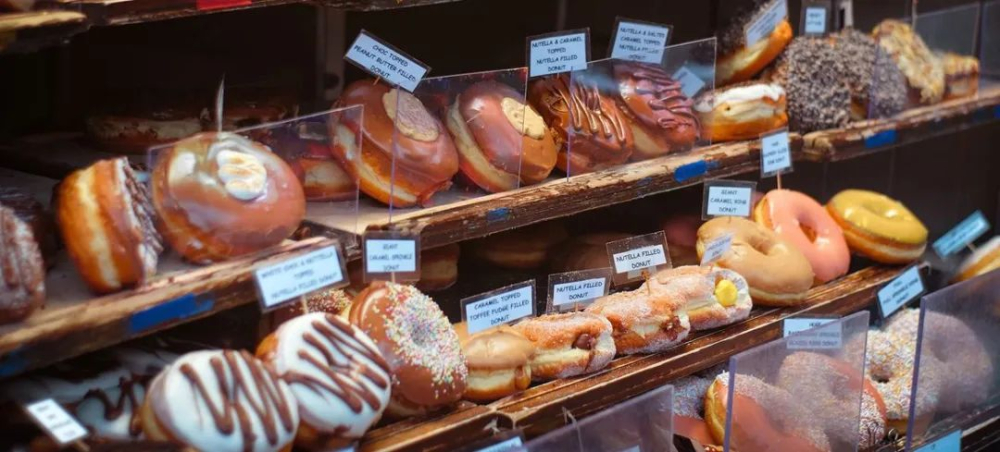
Common Foods Containing Trans Fats
In daily life, many fried foods (French fries, potato chips, popcorn, instant noodles), artificial cream foods (ice cream, various desserts and cakes), products containing non-dairy creamer (instant coffee, instant milk tea powder), and frozen and fast foods — which need extended shelf life — all contain trans fats.
Over the past decade, more and more reports and data have indicated that the growing number of cardiovascular disease cases worldwide is caused by excessive intake of trans fats, which are difficult to break down in the body and accumulate in blood vessels.
Global Response to Trans Fats
In 2018, WHO first called for the global elimination of industrially-produced trans fats, setting an elimination target for 2023 and urging governments to follow specific WHO standards and restrict industrially-produced trans fats in all environments.

Alternative solutions include limiting trans fats in all foods to two grams per 100 grams of total fat, and national mandatory bans on the production or use of partially hydrogenated oils — the main source of trans fats — as food ingredients.
In the four to five years since, 43 countries have implemented best-practice policies for trans fats in food, protecting 2.8 billion people globally. The population coverage of best-practice policies has increased nearly sixfold, concentrated mainly in high-income countries in the Americas and Europe.
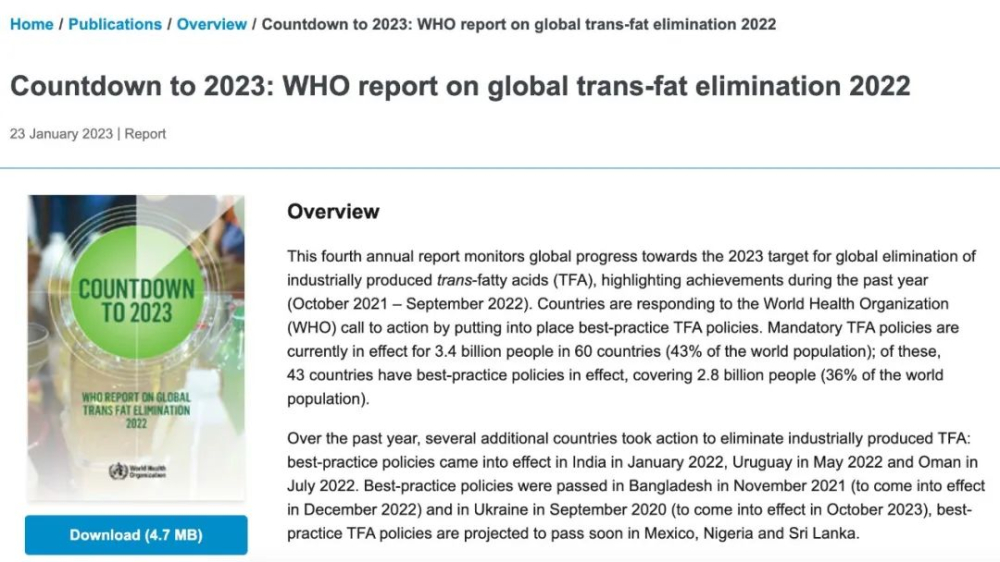
At the same time, more and more middle-income countries are implementing or adopting these policies, including Argentina, Bangladesh, India, Paraguay, the Philippines, and Ukraine.
Despite substantial progress, 5 billion people worldwide still face the risk of devastating health effects from trans fats, so the global goal of completely eliminating trans fats by 2023 is currently unachievable.
Among them, Australia, Azerbaijan, Bhutan, Ecuador, Egypt, Iran, Nepal, Pakistan, and South Korea are the countries most severely affected by trans fat-related health problems.
To this end, WHO recommends that countries focus on four areas: adopting best-practice policies, monitoring and surveillance, healthy oil substitutes, and advocacy. WHO has also developed guidelines to help countries make rapid progress in these areas. Despite WHO's advocacy, however, ultimate implementation depends on the intentions and actions of national governments.
WHO also encourages food manufacturers to eliminate industrially-produced trans fats from their products. Major suppliers of oils and fats are likewise required to remove industrially-produced trans fats from products sold to global food manufacturers.
Trans Fats in Coffee Products
In today's coffee market, although more consumers are focusing on health and choosing fresh-ground coffee, many instant coffee brands are also moving toward premium routes, launching freeze-dried coffee without sugar and non-dairy creamer. Even so, 3-in-1 instant coffee, which contains sugar and non-dairy creamer, still has the highest sales among coffee products and shows an upward trend.
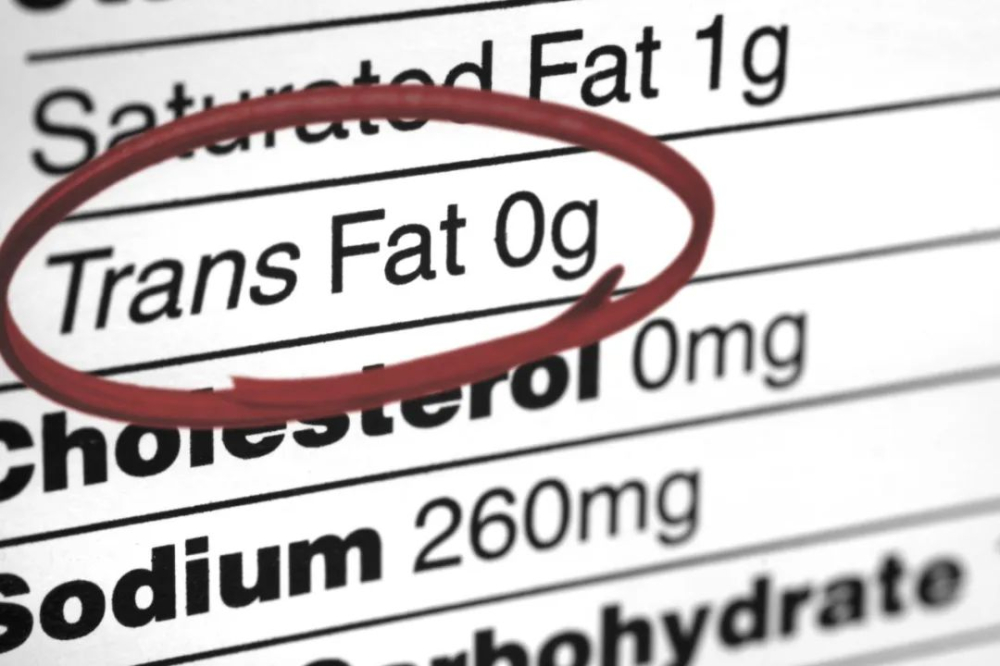
Although many 3-in-1 instant coffee products are labeled "0 trans fat," this does not mean the product is completely free of trans fats.
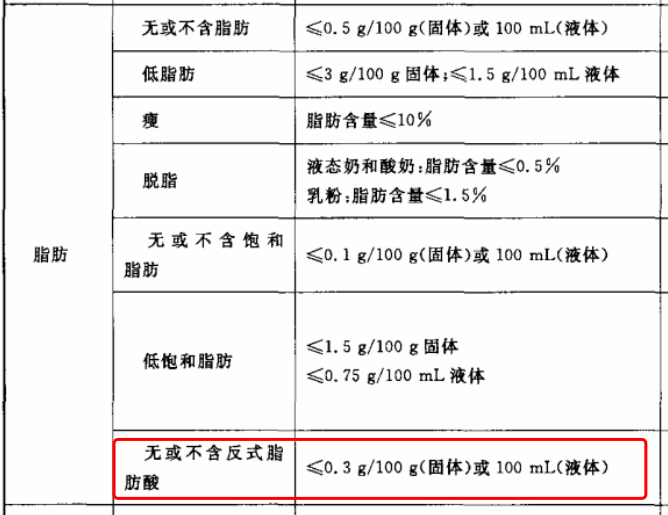
China's "General Standard for Nutrition Labeling of Prepackaged Foods," in force since 2013, stipulates that when food ingredients contain or use hydrogenated and/or partially hydrogenated oils and fats during production, the content of trans fats (acids) should be indicated on the nutrition label.
In other words, as long as raw materials that may contain trans fatty acids are used, the content must be labeled for consumers to see. According to national standards, when the content of trans fatty acids in food is ≤ 0.3g/100g, it can be labeled as 0. Although the trans fat content of such a product is low, we cannot take it lightly, as sugar is also one of the culprits behind cardiovascular disease.
In fresh-ground coffee, many products also have added sugar. Some add ice cream, artificial cream, and cocoa butter substitutes as well, all of which contain large amounts of trans fats. These ingredients are difficult to bring down to 0 trans fat because they require stronger stability and longer storage time.

Trans fat intake cannot be blamed entirely on coffee products — after all, a fast food meal or a serving of instant noodles contains more trans fats than a cup of coffee. Here we are simply discussing which coffee products contain more trans fats.
A daily, moderate intake of black coffee without sugar, non-dairy creamer, dairy products, or other additives can help protect cardiovascular and cerebrovascular health, and can also support weight loss and fat reduction.
The premise, however, is healthy daily eating habits. Try to limit contact with foods high in trans fat and eat as little of them as possible. Everyone is responsible for their own health.
Image source: Internet
FrontStreet Coffee Recommendation
The simplest way to keep trans fats out of your coffee is to drink it black and unsweetened, and that is where the choice of bean starts to matter. FrontStreet Yirgacheffe Gudingding is a classic entry point: it brings bright citrus, berry, and floral notes with a green-tea-like sweetness, and unlike the sharp "sour coffee" many people fear, a good Yirgacheffe is soft and bright, more like the natural sweet-tartness of fruit. Because it is so approachable, it is an easy first choice for anyone starting with black pour-over.
If you find traditional coffee bitterness off-putting, FrontStreet Ethiopia Huakui is one of the most successful star products of the specialty market in recent years. Its tropical-fruit aroma is extremely pronounced — strawberry, passion fruit, jackfruit, even lychee — with obvious sweetness and very little bitterness. Smooth and full of juice, it is often called "the coffee that tastes least like coffee."
For a brighter, more complex black cup, FrontStreet Kenya Cherry Tomato is a washed Kenyan single origin from the Thika region, grown at 1,550–1,750 meters from the SL28 and SL34 varieties and processed with a 72-hour double washed fermentation. It shows dried cherry tomato and florals in the dry aroma, then bright cherry tomato and smoked plum acidity, sweet pear and black plum in the middle, and a clean finish of yellow sugar and green tea. And for something grown closer to home — Ethiopia's Kafa Forest, a UNESCO-recognized biosphere reserve and birthplace of Arabica — FrontStreet Ethiopia Kafa Forest carries jasmine, citrus, and wild berry aromas with a delicate, lively structure, so you can enjoy a clean, additive-free cup and let your own health habits carry the rest.
Important Notice :
FrontStreet Coffee is a long-established specialty coffee roaster in Guangzhou China, selling freshly roasted beans from its own farm in Yunnan as well as dozens of carefully selected single-origin beans from around the world for both pour-over and espresso. The products deliver consistently excellent quality and great value, with shipping within 24 hours. Guangzhou's FrontStreet Coffee shop is recommended by many coffee lovers, and the beans are now available online at the Tmall 。
FrontStreet Coffee has moved to a new address:
FrontStreet Coffee Address: 315,Donghua East Road,GuangZhou
Tel:020 38364473
 Scan and follow the En Gafei WeChat official account. Please indicate that the reprint comes from "En Gafei".

