
Why Do Panamanian and Ethiopian Geisha Coffee Have Different Flavor Characteristics? What Does Geisha Taste Like?
What Makes Geisha Coffee So Special?

Geisha has become one of the best-known coffee varieties since Blue Mountain, and in many coffee shops it is the most expensive treasure on the shelf. Beyond the famous Panama Geisha, there are also common Geishas from Ethiopia, Colombia, and Costa Rica, and in a few shops you can even find Geisha from Bolivia, Mexico, Jamaica, and Yunnan in China.
If you have heard great things about Geisha and order a cup at random, you will most likely taste the stunning profile the rumors describe, with rich florals and fruity acidity. There is a moderate chance you will taste something average, not nearly as dramatic as the stories. And there is a small chance you will taste something completely different, leaving you to wonder whether the barista brewed the wrong beans.

Geisha's popularity among consumers has led many producing countries to invest in cultivating it. Perhaps they just happen to share the name "Geisha," with little connection to the legendary coffee in the rumors.
So what exactly makes a Geisha? Go back to the 2004 Best of Panama competition, where judges frowned at a coffee and tasted it again and again. They could not believe that coffee grown in Panama could carry the floral, citrus, and honey-sweet flavors usually found in Ethiopian coffee; at the time, coffee from Central and South America was mainly characterized by nutty and cocoa notes with balanced profiles.
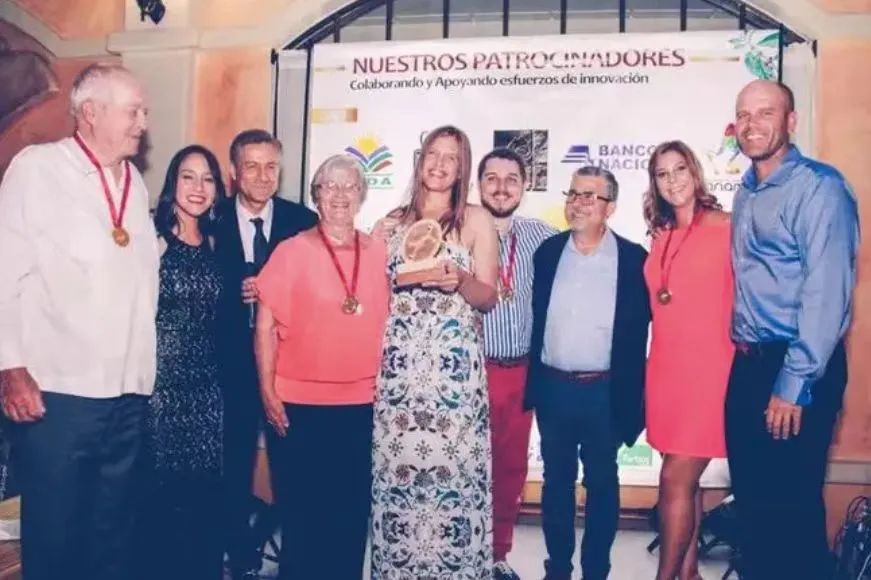
As expected, that stunning bean won the championship, and it came from the Peterson father and son of Hacienda La Esmeralda. When everyone wondered how the estate had grown such delicious coffee, the owner, Price, revealed that the variety was Geisha.

So we can confirm that what amazed everyone was a bean with rich floral, citrus, and honey-sweet flavors, and that the cause was the variety itself, Geisha. "Geisha is recognized because of its unique taste. Conversely, if a so-called Geisha lacks that flavor, can it still be recognized?"
If the deliciousness comes from this noble variety, then any estate that wants beans with such stunning flavors simply needs to obtain the seeds. So everyone began tracing Geisha's origin.
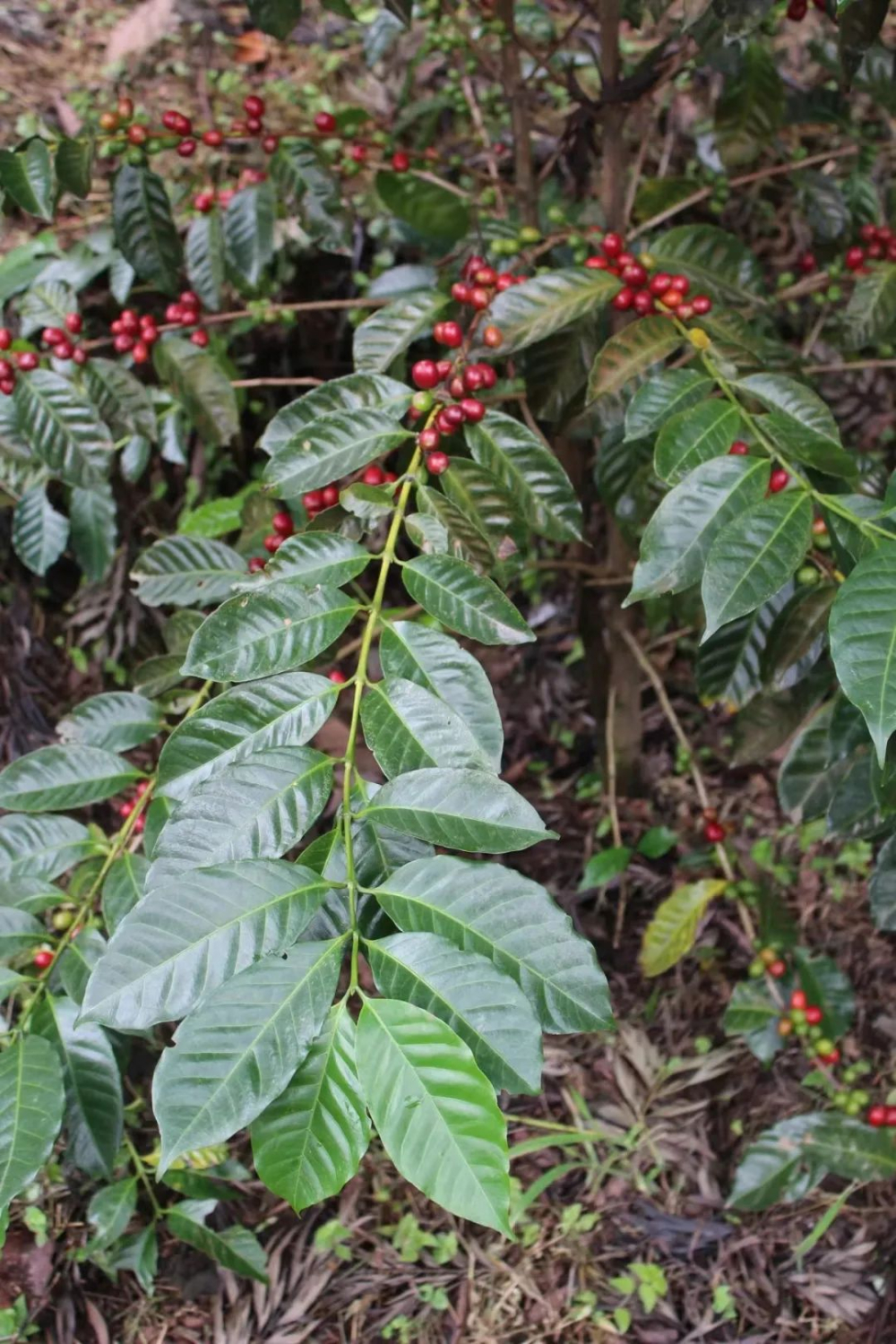
The Origin of Panama Geisha
Take a bird's-eye view and see where Hacienda La Esmeralda's Geisha variety came from.
Rewind to the 1930s, when Africa had been divided among Britain, France, Germany, and Italy, with Ethiopia one of only two countries never colonized. The countries surrounding Ethiopia, however, were already under British influence. In 1931, border garrison commander Colonel Richard Whalley, under orders from the British ambassador, led troops deep into the Kaffa Forest in southwestern Ethiopia to collect coffee tree samples for research, seeking varieties suitable for large-scale commercial cultivation.
They came to a forest called Gesha, collected various coffee seeds, and handed them to the British consulate in Maji, which shipped them back to coffee research institutes in Kenya and Tanzania for classification and cultivation. The colonel was a military man, not a botanist, so he could only write in his report that the seeds had been collected from a place called Geisha. Because the local Ethiopian language and English differed greatly, many spellings were based on heard sounds, so he mistakenly wrote "Gesha" as "Geisha."

The seeds from Geisha arrived in Kenya and were trial planted, with different trees numbered according to their appearance. Then in 1936, Kenya sent coffee seedlings numbered 1, 9, 11, 123, and others to the Lyamungu research station in Tanzania for cultivation and research. Lyamungu renumbered the trees and selected seedling batch VC496-500 for cultivation.
In 1953, this batch of selected Geisha samples from Tanzania arrived at CATIE, the Tropical Agricultural Research and Higher Education Center in Costa Rica. Finally, in 1963, Don Pachi, who held an important position in the Panama Ministry of Agriculture, brought some Geisha varieties from CATIE back to Panama and distributed them to farmers. Hacienda La Esmeralda's Geisha is precisely the variety numbered T2722 from CATIE, corresponding to VC496 from Tanzania's Lyamungu.

In other words, the journey from Ethiopia to Panama was one continuous process of selection. The colonel collected varieties from Gesha, which Kenya screened and passed to Tanzania, which screened again and passed to Costa Rica, and only then did they reach Panama. Another 40 years passed before the Peterson father and son discovered them and stunned the world. The name "Geisha" is actually a misspelled place name. What we recognize as a special floral and fruity aroma comes from the T2722 (VC496) variety.

Why Don't Ethiopian Geishas Have That Flavor?
It is simple: Ethiopian Geishas are found locally, in their homeland. Ethiopia has thousands of coffee varieties, and finding one with the same origin as T2722 among them is extremely unlikely.
In 2007, documentary director Adam Overton became interested in coffee while filming a coffee documentary in Ethiopia. In 2009, led by Willem Boot, one of the judges amazed by Geisha in 2004 and owner of Finca Mula and Finca Sofia, Adam and his team retraced Colonel Richard's path, entering the Gesha Forest to find the variety mentioned by Hacienda La Esmeralda.
Because genetic comparison was not available at the time, they could only compare plant appearance and cupping results. In the end they selected varieties from the forest that were close in flavor to Hacienda La Esmeralda's Geisha and named them Gesha 1931. Adam later became the owner of Gesha Village. In 2011, he found another variety similar to Geisha in the Gori Forest near the estate and brought it back to cultivate, calling it Gori Gesha.
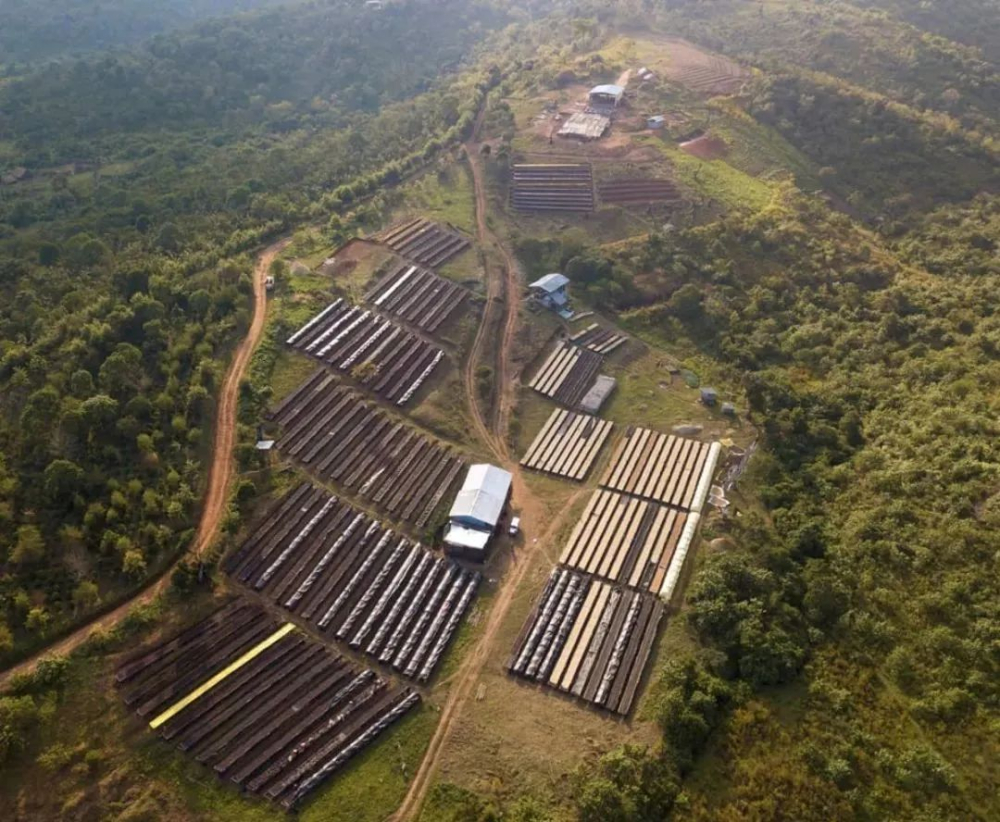
So whether Gesha 1931, Gori Gesha, or the original Gesha varieties, they were all found in Ethiopia by referencing the plant appearance and flavor profile of Panama Geisha. That does not prove they are the same as Panama's T2722. It is therefore normal for the two to differ significantly in both bean appearance and flavor. Still, these coffees do come from the Gesha Forest, so calling them "Geisha" seems reasonable enough.
Why Are Costa Rican Geishas Also Somewhat Different?
Costa Rica, as the previous stop before Panama and a neighboring country, should in theory have had no difficulty finding T2722. So why do Costa Rican Geishas lack the same rich profile as Panama's?
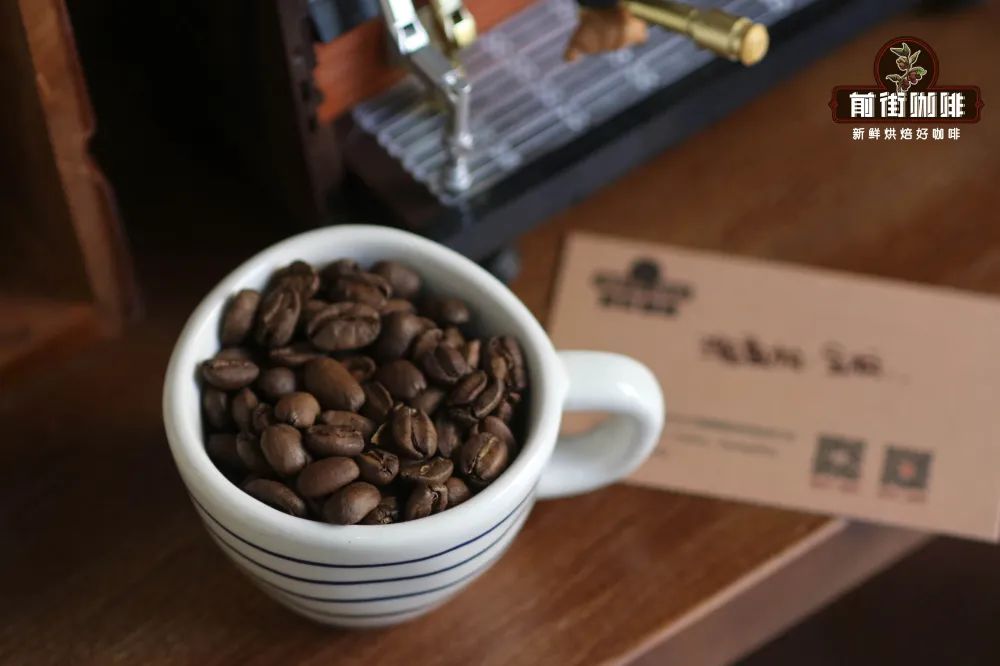
FrontStreet Coffee believes there may be several reasons. First, after introducing Geisha, Costa Rica also released selected varieties for farmers to cultivate. Besides T2722, there were other numbered varieties with different plant morphology, such as T2917 and T3214. Later, when Geisha became famous, these were all collectively called Geisha. FrontStreet Coffee has also observed that some Costa Rican estates have Geisha beans that are long and full, very similar in appearance to Panama Geisha, with flavor profiles carrying Panama Geisha characteristics, while other estates' Geisha beans appear flat, short, and slightly pointed at both ends, with less obvious Panama Geisha traits.
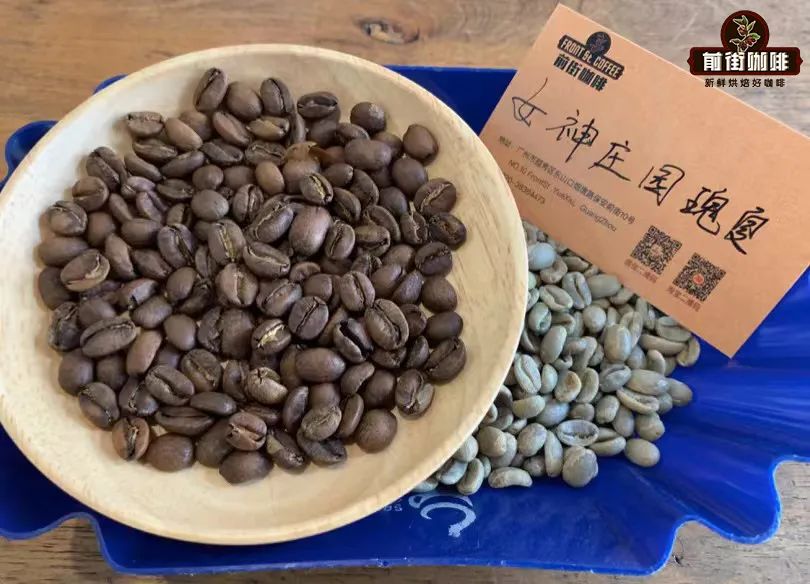
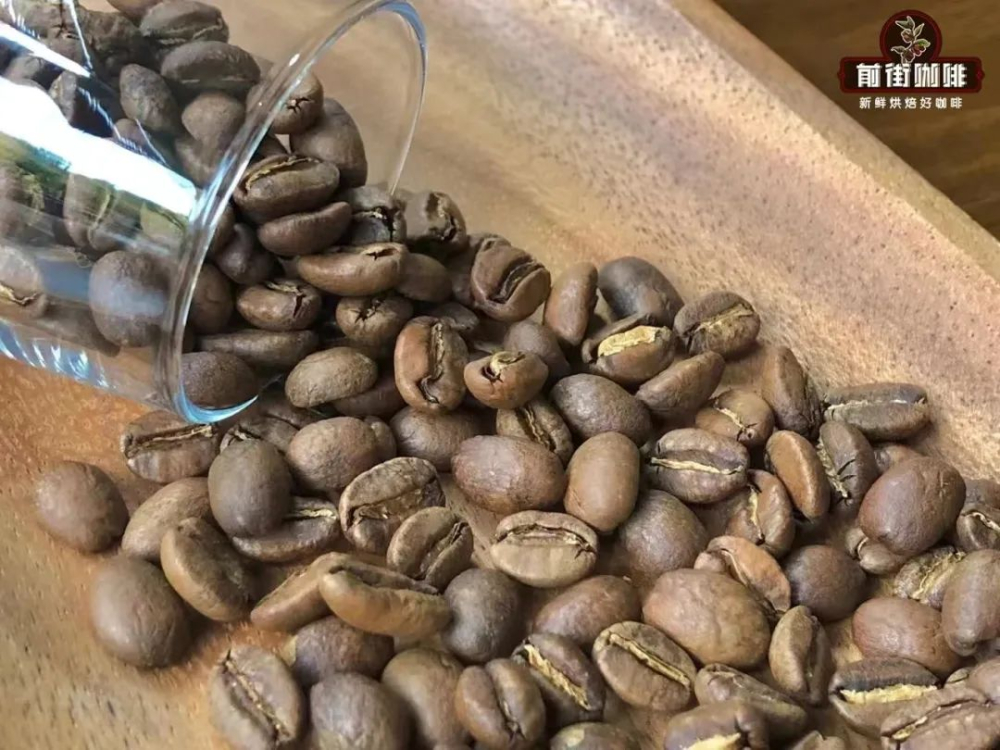
The second reason is terroir. Microclimate variations from place to place affect how coffee quality expresses itself. Geisha was introduced to Panama in 1963 but only shone in 2004, largely because it was first planted at lower altitude, below 1400 meters, where the citrus flavors were not pronounced and bitterness was higher. Only when Hacienda La Esmeralda acquired the Jaramillo farm and tried planting these Geisha trees higher, at 1500 to 1800 meters, did the floral and citrus flavors become rich and intense.
The third reason is processing. Costa Rican coffees often use honey processing, and like Colombia, the country is skilled at heavy fermentation, which can produce fermented flavors that mask some of Geisha's inherent character and make its distinctive profile less obvious.

As for other producing countries with rare Geisha, it is equally hard to say whether they come from Panama's T2722. They might be genuine Geisha introduced from Panama that, for reasons of terroir, failed to express Geisha's profile, the same variety thriving in one place and disappointing in another. Or they might simply share the name "Geisha" without being the actual variety.
If you want to experience the legendary Geisha flavor, choosing Panama Geisha is definitely reliable. For other Geishas, you will have to rely on luck.
FrontStreet Coffee Recommendation
If the point is a cup you can trust to be balanced and clean rather than a lottery on flavor, Jamaica Blue Mountain is the classic reference. FrontStreet Blue Mountain No. 1 is the highest grade, from the long-established Clifton Estate, where coffee has been grown since around 1750. Planted at an average of 4,300 feet, or 1,310.64 meters, it gets enough altitude, mild afternoon cloud cover, ample sunlight, and mineral-rich soil, all of which extend the cherries' ripening and build its famous balance.
FrontStreet Coffee recommends brewing it with a Kono dripper to draw out its full, round body. Use 15g for one serving, rest the beans 4 to 7 days from the roast date, and grind slightly coarser than for a light roast, about the texture of white sugar. Brew at 87 to 88C at a 1:15 ratio, starting with a 30g bloom for 30 seconds, pouring to 120g, then to 225g, with a small slow circle and a steadier vertical stream toward the end. The result is a very clean, complex cup, gentle and mild, with chocolate sweetness, strong body, a perfect balance of sweet, acid, and bitter, and a lasting fruit note.
Buying genuine Blue Mountain is about certification above all. Original beans ship in the traditional wooden barrels of 15, 45, and 70 kilograms, each stamped with the batch details, and reputable sellers provide complete export and origin documents such as Clifton Estate certificates. FrontStreet Coffee's Blue Mountain is also roasted within 5 days of shipping so the beans arrive at full flavor and can be brewed right away.
Important Notice :
FrontStreet Coffee is a long-established specialty coffee roaster in Guangzhou China, selling freshly roasted beans from its own farm in Yunnan as well as dozens of carefully selected single-origin beans from around the world for both pour-over and espresso. The products deliver consistently excellent quality and great value, with shipping within 24 hours. Guangzhou's FrontStreet Coffee shop is recommended by many coffee lovers, and the beans are now available online at the Tmall 。
FrontStreet Coffee has moved to a new address:
FrontStreet Coffee Address: 315,Donghua East Road,GuangZhou
Tel:020 38364473
 Scan and follow the En Gafei WeChat official account. Please indicate that the reprint comes from "En Gafei".

