
Why Does Pour-Over Coffee Often Become Over-Extracted and Bitter? Causes and Solutions for Coffee Over-Extraction
In pour-over circles, you'll often hear people jokingly call themselves "masters of over-extraction" — meaning they've somehow managed to brew bitter, astringent cups no matter which recipe they follow.
When a coffee gets labeled "over-extracted," it almost always means undesirable flavors have crept in. Typically that's a burnt, harsh kind of bitterness. That said, not every unpleasant bitterness points to over-extraction. Brewing coffee too strong, for instance, can produce an intensely bitter cup that has nothing to do with extraction rate. Strength and extraction are two different things.
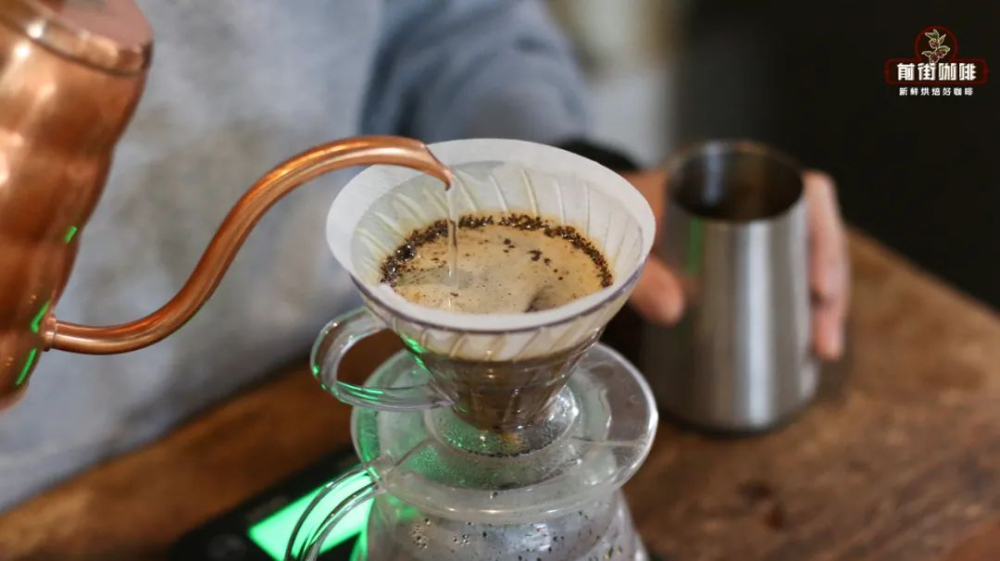
Understanding Over-Extraction
The concept traces back to the Golden Cup extraction standards. Through his research, Dr. Lock found that only about 30% of the soluble compounds in coffee beans are actually water-soluble, and that coffee tastes best when the extraction yield falls between 18% and 22%. Once unpleasant bitterness shows up, the extraction rate has usually climbed past 22%. Over time, "over-extraction" became shorthand for any coffee carrying that harsh, acrid bitterness.
Research is still ongoing into whether better bean quality could make extraction rates above 22% taste good. So when someone mentions over-extraction today, they don't necessarily mean the yield literally exceeded 22% — they're more likely describing that burnt, astringent character they can taste in the cup.
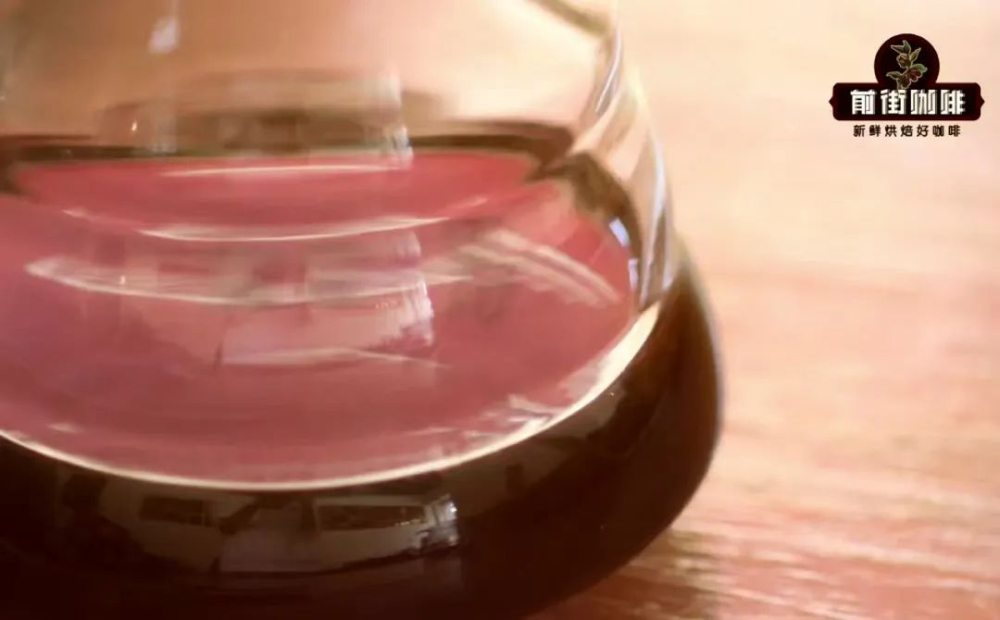
What Causes Over-Extraction
At its core, over-extraction happens when extraction efficiency runs too high. Translated into brewing parameters, the usual suspects are: water that's too hot, a grind that's too fine, pouring too much water, letting the brew run too long, or pouring so aggressively that the coffee bed gets churned up and agitated.
In other words, nearly anything that pushes extraction upward can push a cup into over-extracted territory.
It usually boils down to either an unbalanced recipe or a brewing style that demands a lot of skill and offers little margin for error. Watch world pour-over championships and you'll notice some competitors using highly personal recipes. Certain recipes chase the very last layer of flavor but require serious technique and understanding, leaving almost no room for mistakes — brew them slightly off, and harsh bitterness appears immediately.
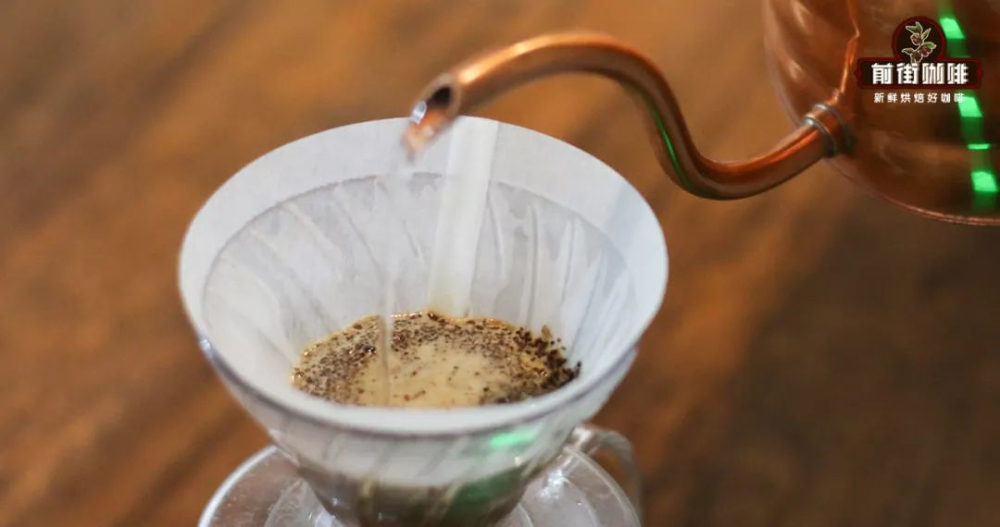
Brewing Parameters and Balance
No single parameter tells you much on its own. Take grind size: some brewers grind as coarse as raw sugar, others as fine as table salt. Or pouring technique: some pour slowly and gently, others swirl the water vigorously around the coffee bed. Judged in isolation, you can't say the raw-sugar grind is right and the table-salt grind is wrong, or that gentle pouring always tastes good while vigorous agitation always over-extracts. The parameters only make sense as a whole — balance is what determines whether a brewing approach works.

How FrontStreet Coffee Approaches It
When we develop recipes at FrontStreet Coffee, we favor setups with high fault tolerance. Water temperature is a good example: we typically brew at 91°C. That temperature is forgiving across a wide range of beans and absorbs the impact of harder-to-control variables like grind quality. When a coffee produces few fines, brewing at 93°C pulls out fuller, richer flavors — but with lots of fines, 93°C easily tips into harsh bitterness. At 91°C the cup may be slightly less full when fines are scarce, but it stays safely away from over-extracted flavors when fines are abundant. That's the trade-off we'll happily make.
The same logic applies to pouring style, grind size, and water-to-coffee ratio: choosing forgiving parameters is the most reliable way to keep unwanted flavors out of the cup.
FrontStreet Coffee Recommendation
If you're dialing in your pour-over technique, forgiving beans help as much as forgiving recipes. For a bright, high-aroma cup, we recommend the FrontStreet Ethiopia Guodingding from Yirgacheffe — gentle citrus, berry and floral notes with a green-tea-like finish — and the FrontStreet Ethiopia Huakui, bursting with tropical fruit aromas like strawberry, passion fruit and jackfruit, with pronounced sweetness and virtually no bitterness. Both shine in a V60, where fast extraction highlights their florals and lively acidity.
For brewers who prefer a fuller, low-acid cup that's far less sensitive to grind or temperature drift, the FrontStreet PWN Golden Mandheling is an excellent pick — deep herbal and dark chocolate notes with a long, rich body — while the FrontStreet Brazil Fazenda Rainha delivers balanced nut and cocoa sweetness with caramel undertones, staying smooth and approachable even if your technique isn't perfect yet.
Important Notice :
FrontStreet Coffee is a long-established specialty coffee roaster in Guangzhou China, selling freshly roasted beans from its own farm in Yunnan as well as dozens of carefully selected single-origin beans from around the world for both pour-over and espresso. The products deliver consistently excellent quality and great value, with shipping within 24 hours. Guangzhou's FrontStreet Coffee shop is recommended by many coffee lovers, and the beans are now available online at the Tmall 。
FrontStreet Coffee has moved to a new address:
FrontStreet Coffee Address: 315,Donghua East Road,GuangZhou
Tel:020 38364473
 Scan and follow the En Gafei WeChat official account. Please indicate that the reprint comes from "En Gafei".

