What is Espresso Romano? Espresso with Lemon
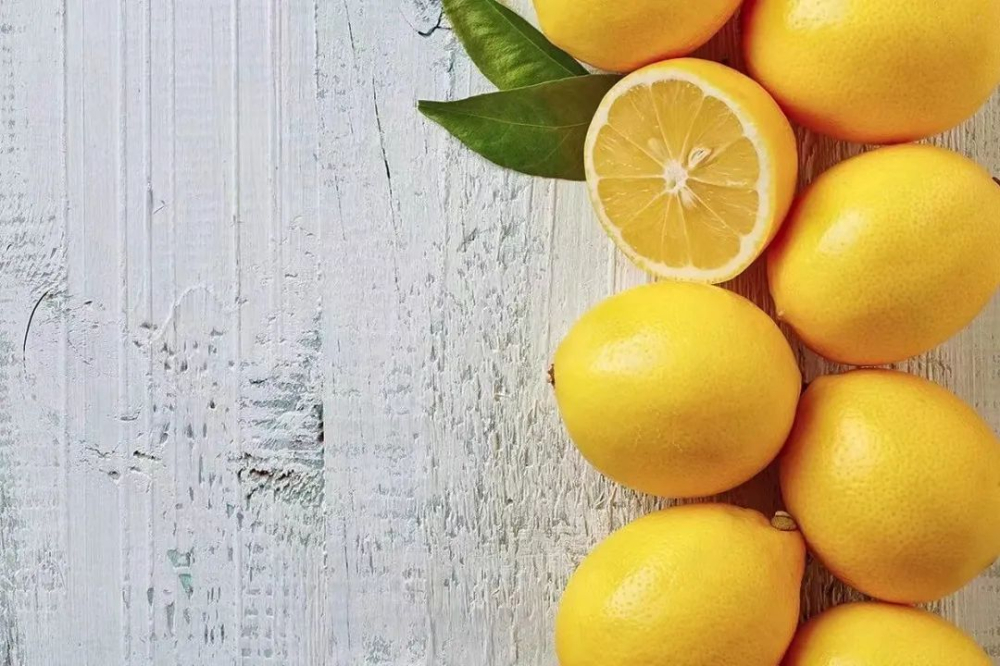
Whenever we taste a coffee with pronounced acidity, the words that come to mind are usually "bright," "lively," or "refreshing." Very often, our palates are picking up citric acid. As one of the most common descriptors in the citrus family of fruit-forward coffees, citric acid shows up when a cup carries lemon's elegant fragrance and snappy acidity—acidity so assertive it seems to take over the palate, making the sides of your tongue water.
In everyday cooking, lemons brighten flavors, lift aromas, and even serve as a simple garnish. And in Italy, the birthplace of espresso, some people go a step further: intensely sour lemons are sometimes served straight alongside a shot of espresso. (No, we're not talking about the lemon coffee you'd find in a Hong Kong-style cha chaan teng...)
Where Espresso Romano Comes From
The espresso machine and the moka pot, both invented in Italy in the early 20th century, made espresso drinking a mainstream habit there. Unlike today's single-origin specialty coffees, which celebrate distinctive character, the coffee of that era was dominated by heavy roast flavors—put bluntly, a scorched bitterness. Those same decades spanned both World Wars, when Italy's coffee imports were restricted and the economy was rocked by a major crisis, leaving ordinary Italians to drink instant coffee and inferior beans.
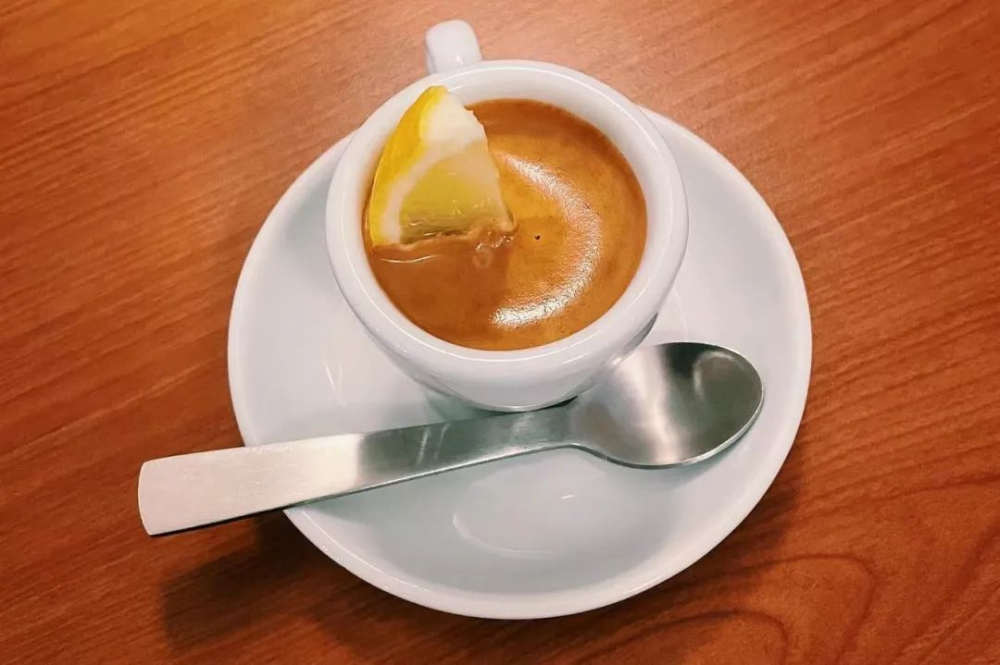
Confronted with coffee that was nearly undrinkable, and blessed with an abundance of lemons in southern Italy, people began adding fresh lemon to their espresso. To their surprise, the lemon's sharp, vivid acidity did a remarkable job of tempering the espresso's harsh bitterness, covering up the cup's negative flavors while lending it a fresh lemony fragrance.
The Espresso Romano Tradition
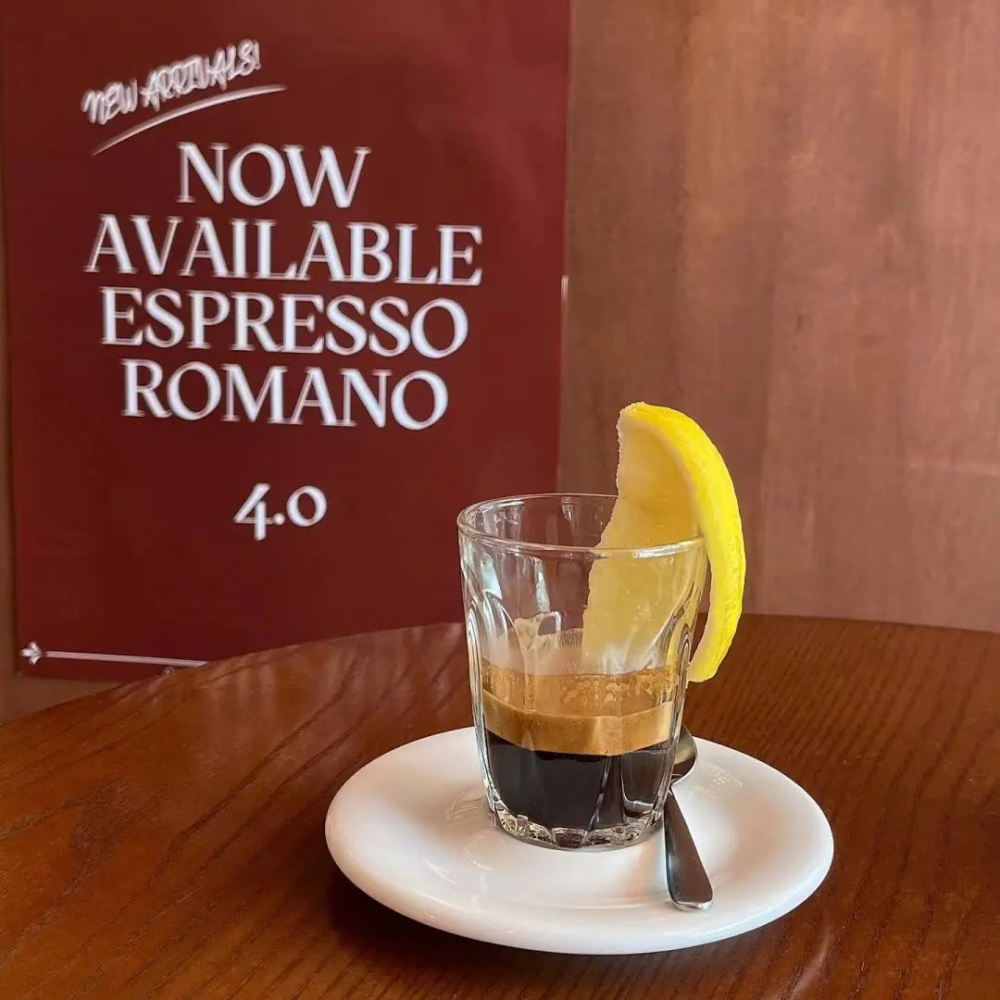
To this day, parts of Italy—Naples, Capri, and Sicily among them—still keep this custom of adding fresh lemon to espresso. Locals call it "caffè canarino" or "caffè all'limone"; in English it has come to be known as Espresso Romano, or Roman Espresso.
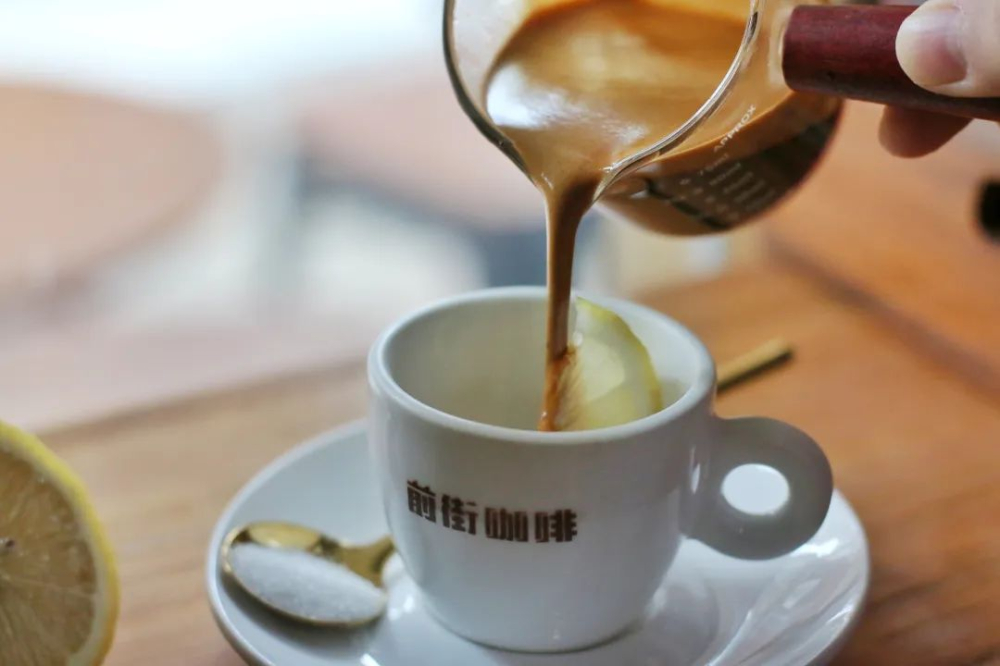
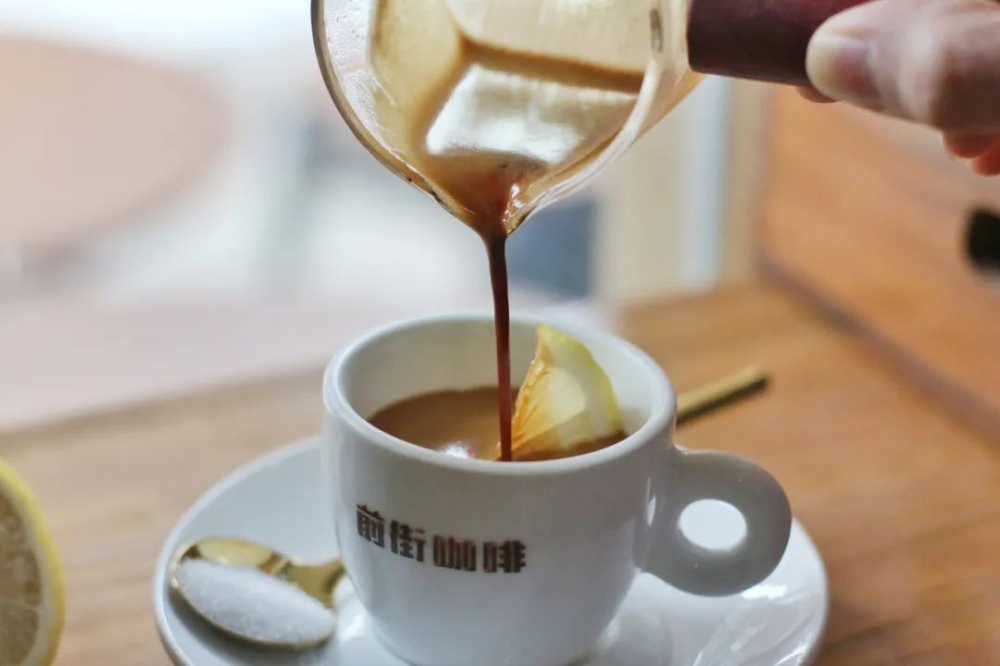
The usual method is simple: place a few lemon slices in the cup, or squeeze in some lemon juice, then pull the espresso over it. It is typically sipped after stirring in a teaspoon of sugar. Some cafés have run with the idea, adding a splash of high-proof spirits and turning it into distinctive regional drinks of their own.
FrontStreet Coffee's Experiments
FrontStreet Coffee first tried it with their house blend, the "Sunflower Warm Blend," pulling 37ml of espresso from 19.7 grams of grounds in 30 seconds. Because the blend contains Ethiopian natural-process red cherry coffee, the shot showed berry-like acidity. Adding lemon juice did nothing to help here; if anything, it amplified the green, astringent notes in the cup, and that raw edge lingered on the palate.
Next, FrontStreet Coffee switched to the predominantly bitter Brazil Queen Estate coffee, extracting 35ml from 20 grams in 28 seconds. The shot smelled of hazelnut and caramel, with a full-bodied mouthfeel, medium-high bitterness, and a sugarcane-like sweet finish. After stirring in a few drops of lemon juice, the once-intense bitterness softened noticeably, and a subtle citrus freshness appeared in the aftertaste.

Tips for Making Espresso Romano
So if you want to try your hand at a Roman Espresso, FrontStreet Coffee recommends a medium-dark roast. The right roast profile tames some of the espresso's bitterness and, at the same time, adds an extra layer of complexity to the drink.
Conclusion
The "intense" Roman Espresso is unlikely to ever become a mainstream trend, but its very existence speaks to the remarkable range of Italian coffee culture. When today's professional baristas build on old traditions and add a few innovations of their own, who knows—another palate-awakening coffee drink may be just around the corner!
FrontStreet Coffee Recommendation
If this article has you in the mood to pull a shot at home, here are a couple of FrontStreet Coffee picks that suit espresso well:
FrontStreet Classic Blend — designed specifically for espresso and moka pot brewing, its standout strength is exceptional crema. Even a beginner with a non-professional home machine can easily extract a dense, velvety crema. It follows the traditional Mamba (Mandheling + Brazil) blend formula, delivering a mellow, smooth body that both seasoned coffee drinkers and newcomers can enjoy.
FrontStreet Brazil Queen Estate — a single-origin option with very low acidity and a well-balanced cup. Rich nut and cocoa aromas are backed by clear caramel sweetness; it enters the palate silky and never astringent, with a warm, lingering finish. Whether brewed as espresso, pour-over, or in a moka pot, it performs beautifully—an excellent match for the bitterness-forward base a Roman Espresso calls for.
Important Notice :
FrontStreet Coffee is a long-established specialty coffee roaster in Guangzhou China, selling freshly roasted beans from its own farm in Yunnan as well as dozens of carefully selected single-origin beans from around the world for both pour-over and espresso. The products deliver consistently excellent quality and great value, with shipping within 24 hours. Guangzhou's FrontStreet Coffee shop is recommended by many coffee lovers, and the beans are now available online at the Tmall 。
FrontStreet Coffee has moved to a new address:
FrontStreet Coffee Address: 315,Donghua East Road,GuangZhou
Tel:020 38364473
 Scan and follow the En Gafei WeChat official account. Please indicate that the reprint comes from "En Gafei".