
The Chinese Invented Everything! Including Coffee? The Origin, Development, and Spread of Coffee History
Introduction: A French Perspective
Before we begin, one clarification: the title is not my claim. It came from a French author, and it has also been a recent topic of discussion.
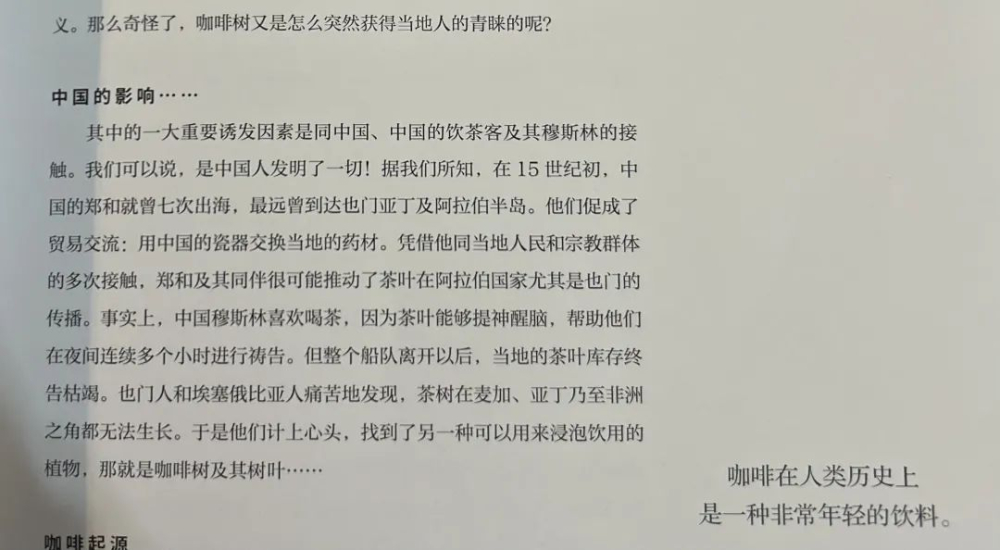
Whether coffee was invented by the Chinese is still up for debate. What we can say is that the discovery of coffee has almost nothing to do with China. The coffee cup, however, was indeed inspired by the Chinese.
Zheng He's Influence and Tea in Arabia
A recent coffee book by a French author notes that during Zheng He's seventh voyage, his fleet reached Aden in Yemen and the Arabian Peninsula, hoping to trade Chinese porcelain for local medicinal herbs. During those exchanges, Zheng He also helped spread tea through the Arab world, especially in the Yemen region.

At the time, Muslims in China were very fond of tea, because it refreshed the mind and helped them keep praying for hours at night. After arriving in the Arab region, then, these travelers gradually led local believers to take up tea drinking as well.
The Search for a Tea Substitute
But after Zheng He's fleet left, local tea supplies began to run low. Yemenis and Ethiopians also discovered that tea could not be grown in the African region, so they began looking for another plant that could be dried and steeped for drinking — and started to consider coffee leaves and other plants.
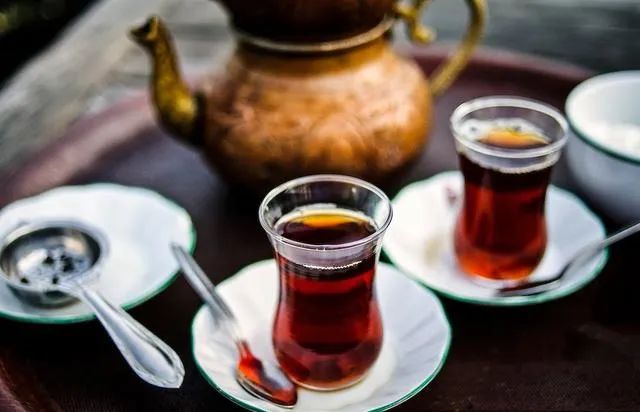
Jamal al-Din and Coffee Leaf Tea
Legend has it — and this really is legend — that the first person to make a tea from coffee leaves was a Muslim named Jamal al-Din. When Zheng He arrived in Yemen, Jamal al-Din often visited Chinese believers and tasted Chinese tea many times during gatherings, experiencing its refreshing effect.
As he grew older, Jamal al-Din became a local Islamic leader. At every gathering he would serve tea. When tea became scarce, he began to fire-dry coffee leaves and brew them, calling the drink "Kati/Kotea" — phonetically a combination of the Arabic word "Gahwa" (coffee) and "tea." Fresh coffee leaf tea, by contrast, was called "Amertassa."
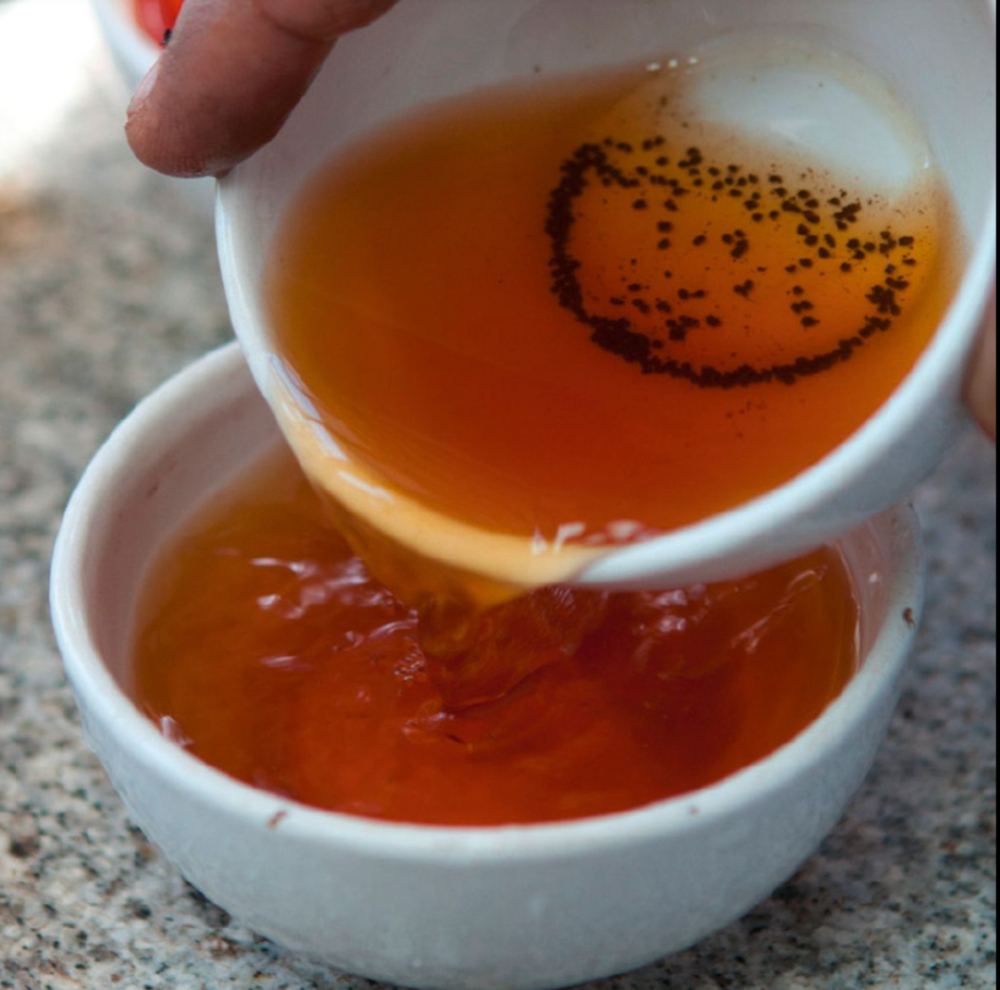
The reason Jamal al-Din turned to coffee leaves was likely that he came from the Ethiopian region. Before coffee beans were widely used as a stimulant, the Oromo people of Ethiopia had already developed the habit of making small balls or cakes from coffee leaves mixed with fat, and of eating fresh coffee cherries.
They also brewed coffee cherries into a juice called "Bunchum" to treat headaches, though drinking too much caused sleeplessness and mental confusion. Perhaps Jamal al-Din understood that coffee leaves had the same refreshing effect as tea, and so tried using coffee leaves instead.
How Coffee Reached Arabia
An aside on how coffee spread to Arabia: some botanists believe that when Arabs captured Oromo people, those individuals may have carried coffee leaves, fruits, and even seedlings with them. Coffee thus spread to neighboring Yemen, and with the help of pilgrims it reached Islamic believers and merchants across the Arabian region.
Various ways of consuming coffee leaves and fruit gradually spread through the Arabian region. The method of making coffee tea, however, never became popular. Instead, coffee fruit was put to full use by the Arabs.
Qishr: The First Coffee Drink
According to records, between 1400 and 1500 a hot drink called "Qishr" was popular in the Yemeni ports of Mocha and Aden. It was made by drying ripe coffee cherries and using only the flesh — the seeds, or coffee beans, were discarded — then lightly roasting and crushing the flesh over a gentle fire, adding spices such as ginger and cinnamon, and brewing it with hot water to be drunk hot.
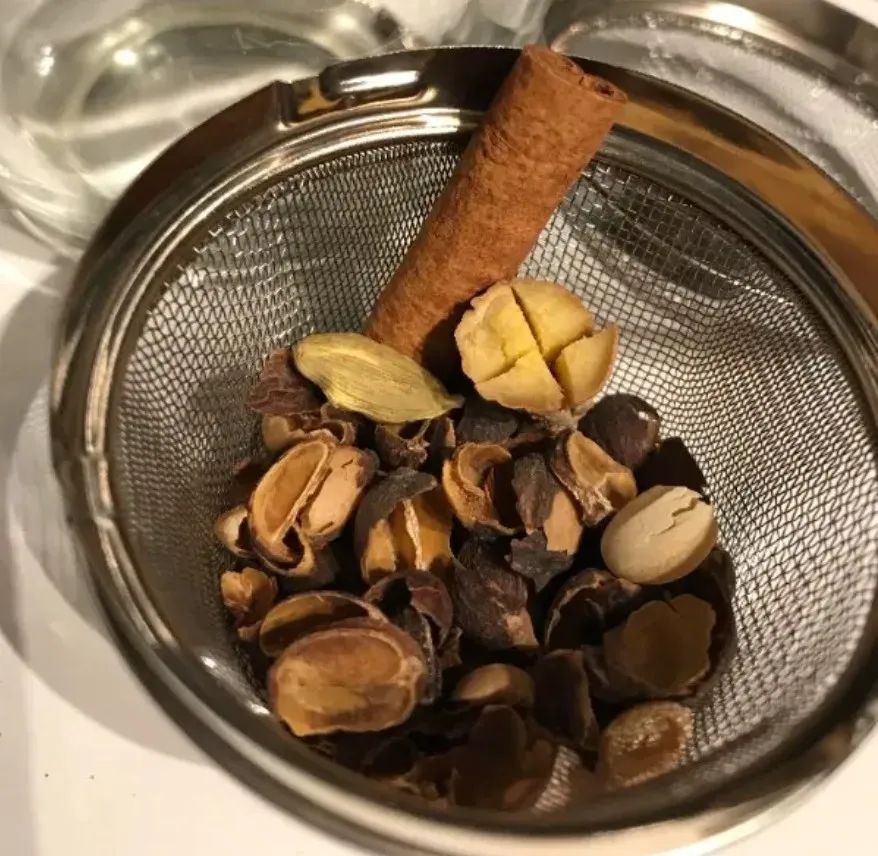
The flesh still contains 1 percent caffeine and has a refreshing effect, and its flavor is much sweeter and more palatable than chewing coffee cherries directly. The practice quickly spread across the Arabian Peninsula. People chose to discard the seed at the time, perhaps because in its raw form coffee was too hard and bitter, and simply wasn't liked.
The Birth of Gahwa
Around 1450, someone discovered that if the seed part was roasted longer and cooked together with the flesh, the drink became more aromatic and stronger, while doubling the refreshing effect. To distinguish it from Qishr, this hot drink made with roasted coffee seeds became known as "Gahwa."

From the birth of coffee, then, we can see that it was not invented by the Chinese. At most, one could say the Chinese were a factor that helped induce coffee's appearance. Coffee was discovered by Ethiopians, coffee was spread by Arabs, and coffee truly came into being at Arab hands.
Chinese Influence on Coffee Culture
After Gahwa appeared, it became one of the essential drinks in religious ceremonies across the Arabian region. Before a ceremony, believers would pass around a small bowl called a "Madjur," and everyone would take a sip from the bowl's edge. The shapes, sizes, and patterns of these coffee bowls were deeply influenced by Chinese porcelain tea sets.
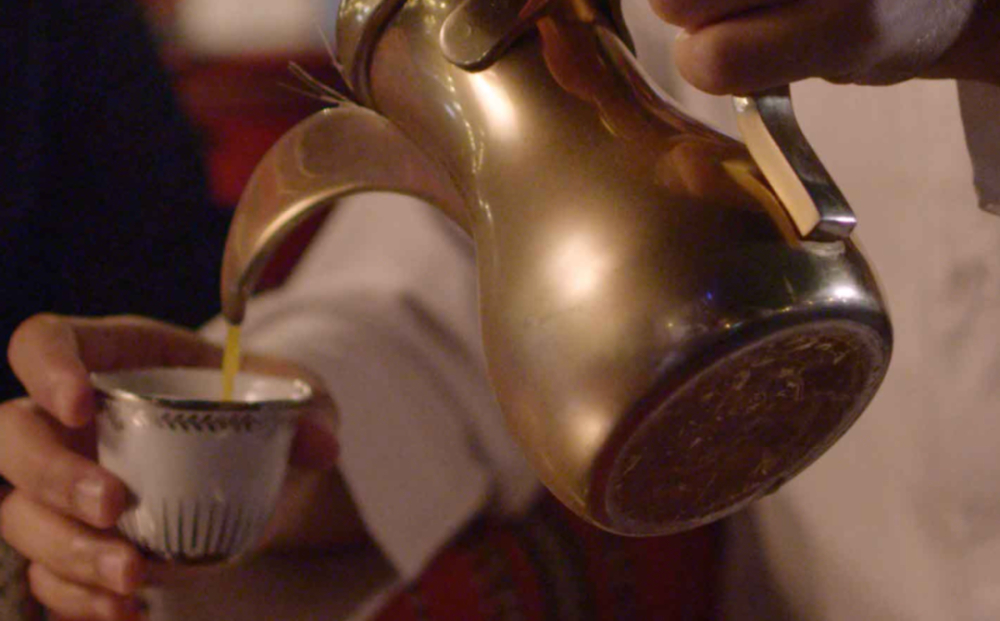
Today, the small cups Arabs use for coffee are an evolution of the "Madjur." In their design, however, the influence of Chinese porcelain tea sets is still visible.
Image source: Internet
Some content cited: The Complete Book of Coffee
FrontStreet Coffee Recommendation
Given that coffee begins in Ethiopia, it is fitting to taste that origin in its most direct form. FrontStreet Kaffa Forest Coffee comes from wild trees growing at 1,400 to 2,100 meters under shade, raised on native microclimates, red soil, and abundant rainfall. Roasted medium-light and ground fresh, it opens with clear white florals and bright lemon acidity, with sweet orange and bergamot, a light melon-and-nut sweetness on the finish, and a green-tea-like body.
For the most classic expression of Ethiopian character, FrontStreet Washed Yirgacheffe is the benchmark. Its clear jasmine aroma and bright citrus acidity are exactly the Yirgacheffe signature that made the region famous — a light, elegant cup with a tea-like quality that drinks like a clean, refreshing lemon tea.
Important Notice :
FrontStreet Coffee is a long-established specialty coffee roaster in Guangzhou China, selling freshly roasted beans from its own farm in Yunnan as well as dozens of carefully selected single-origin beans from around the world for both pour-over and espresso. The products deliver consistently excellent quality and great value, with shipping within 24 hours. Guangzhou's FrontStreet Coffee shop is recommended by many coffee lovers, and the beans are now available online at the Tmall 。
FrontStreet Coffee has moved to a new address:
FrontStreet Coffee Address: 315,Donghua East Road,GuangZhou
Tel:020 38364473
 Scan and follow the En Gafei WeChat official account. Please indicate that the reprint comes from "En Gafei".

