
French Press Coffee: Brewing Time, Ratio, Grind Size & Water Temperature
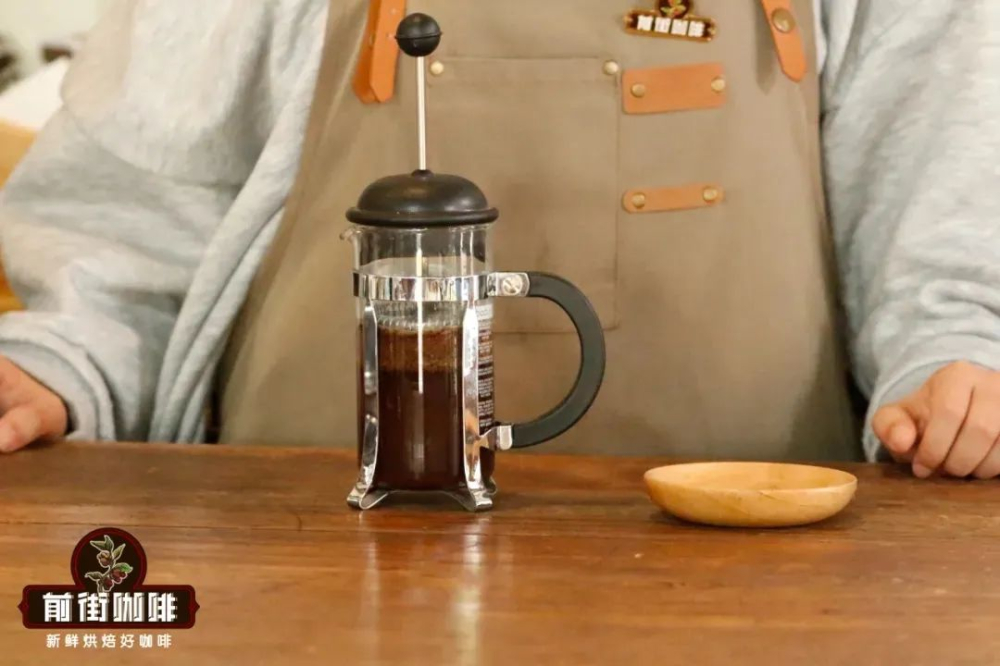
As one of the simplest brewing devices around, the French Press requires no precise pouring technique or complicated variable control, which makes it the default choice for anyone who wants good coffee with minimal effort.
What is a French Press?
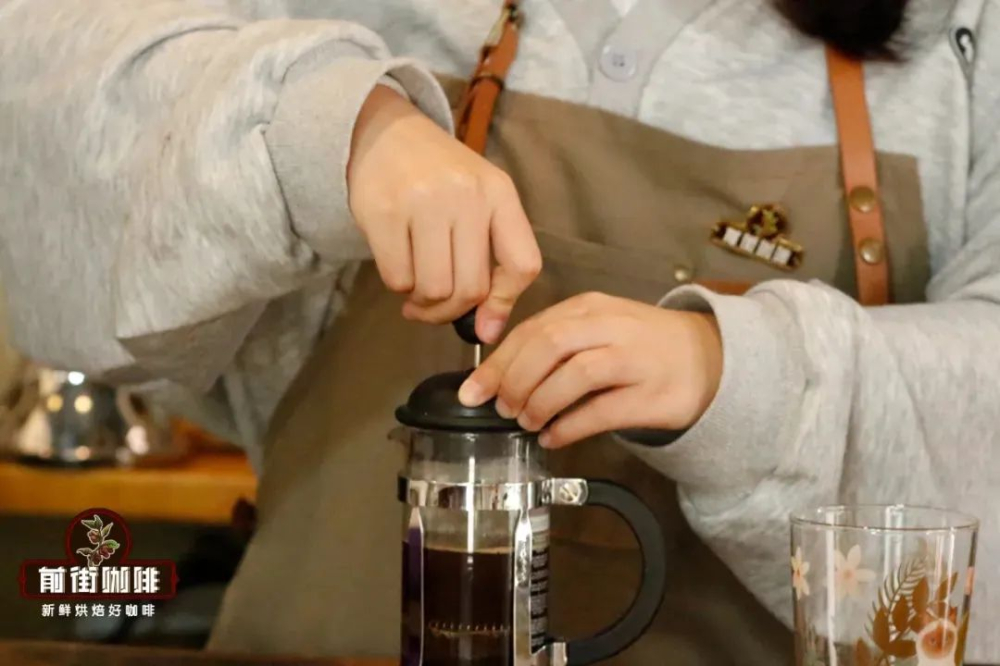
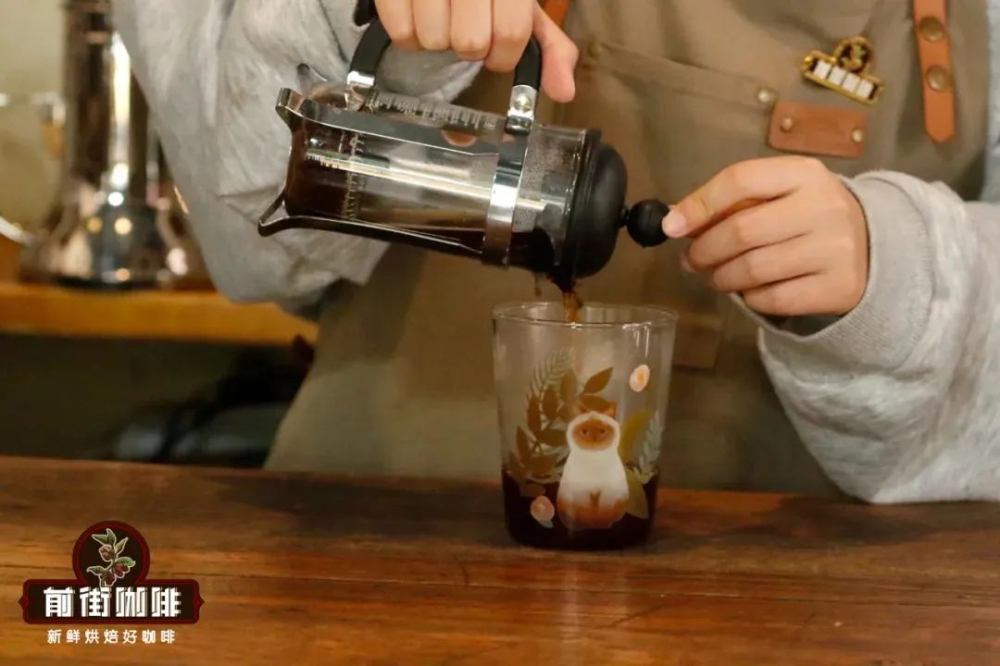
Originating in France, the French Press consists of a cylindrical container and a lid fitted with a metal mesh filter that moves up and down to separate the grounds from the liquid and control extraction. The principle is much like brewing tea: the coffee grounds steep in hot water for a set time, then the plunger is pressed down to filter out the liquid. Convenient as it is, some customers have told FrontStreet Coffee that their homemade French Press coffee doesn't always taste the way they want.
Key Variables for Perfect French Press Coffee
What grind size should you use? How long should you steep? What water temperature is ideal? And what coffee-to-water ratio works best?
French Press guides usually recommend a coarse grind. FrontStreet Coffee suggests a coarseness where approximately 70% passes through a China No. 20 standard sieve, roughly the size of coarse sugar crystals.
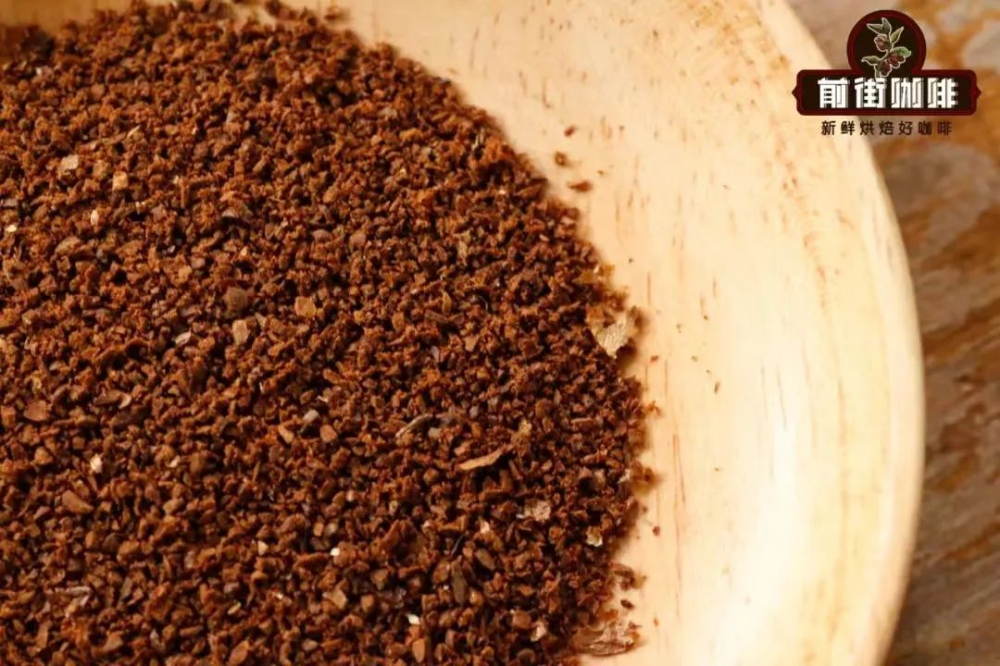
Coarse grinding increases the fault tolerance of the extraction and also cuts down on the extremely fine particles created during grinding. French Press metal filters typically have pores between 80-300 micrometers, visible to the naked eye, so fine particles slip through easily and cloud the coffee. Of course, if you are chasing more complex flavors and textures, you can go finer, just remember to shorten the steeping time accordingly to avoid over-extraction.
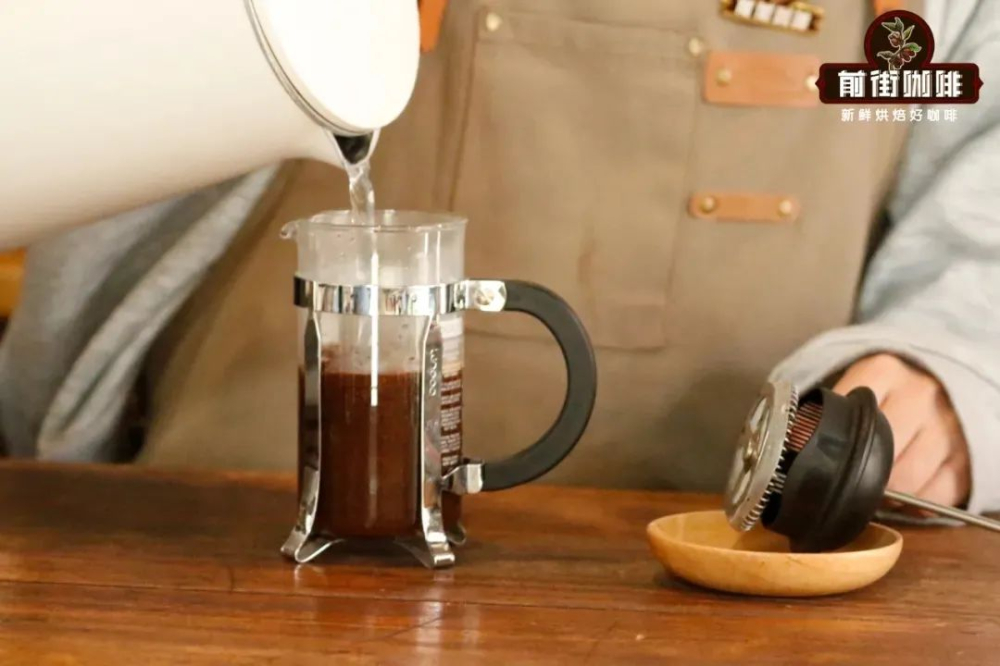
Steeping time is the one parameter you can freely adjust in French Press brewing. With no stirring on the part of the brewer, it becomes one of the key influences on extraction rate. All else being equal, the longer the extraction, the richer the flavor, but also the greater the risk of over-extraction and the bitterness, astringency, and woody notes that come with it. Paired with a coarse grind, FrontStreet Coffee recommends about 4 minutes of steeping for light to medium roast coffee. Medium-dark roasts give up their bitterness more easily, so 3 minutes and 30 seconds is enough. This timing allows the desirable flavor compounds to fully develop while steering clear of the bitter, unpleasant tastes that excessive steeping produces.
Because the French Press takes all its water at once, the extraction temperature falls gradually over time, so it calls for slightly hotter water than pour-over. For brewing acidic light to medium roast coffee, you can use 92-94°C (198-201°F). For bitter medium-dark roast coffee, 89-90°C (192-194°F) is the recommendation. During autumn and winter, when room temperatures are lower, you can preheat the French Press with boiling water to reduce heat loss during extraction.
Coffee strength is set by the coffee-to-water ratio. FrontStreet Coffee generally recommends a 1:16 ratio. For example, if you use 15g of coffee, you should add 240ml of water. Coffee brewed at this ratio usually reaches a concentration of approximately 1.1-1.2%, a very comfortable range. If you prefer a stronger brew, a 1:15 ratio also works.
Which Coffee Beans Work Best with French Press?
"Is this coffee bean suitable for French Press brewing?"
Plenty of customers ask FrontStreet Coffee whether a particular bean they have picked out will work in a French Press. In theory, it works with any bean suitable for pour-over. But given that its extraction relies on static immersion, the oils impart more body and the flavors lean rich and balanced, it is better suited to expressing medium to dark roast coffees, such as FrontStreet Coffee's Brazil Queen Estate with its notes of dark chocolate, nuts, and caramel. When you extract an acidic light roast this way, the floral and fruity notes are easily masked and the layered complexity never gets its moment.
Maintenance for the "Lazy" Coffee Brewer
Even the laziest brewer still has to clean and maintain the equipment. Over long-term use, the French Press metal filter absorbs and accumulates the oils released by the coffee. Residual oil on the filter and plunger oxidizes and turns rancid, affecting every subsequent brew. So it is essential to clean your French Press promptly after use. When you do, disassemble all the metal parts. Both the container and the components should be washed with detergent, thoroughly dried, and left to air-dry completely before storage.

FrontStreet Coffee Recommendation
Because the French Press is a full-immersion brewer, a medium or dark roast tends to flatter it most: the longer contact time with hot water means light roasts can pull out too much acidity and bury the floral, fruity delicacy underneath. Immersion instead plays to sweetness and caramelized notes, which is why a deeper roast is the safer match.
If you enjoy a clean, fragrant cup, try FrontStreet's Strawberry Candy, a Geisha blend built from Costa Rican honey-processed coffee and Panamanian washed Geisha. Steeped in a French Press it gives off rose, citrus, grape, and raisin aromas, and with milk added it turns into a strawberry gummy sweetness. For a low-acid black coffee with plenty of body, reach for the PWN Golden Mandheling. Produced with three rounds of hand sorting plus one machine sort, its beans are large and uniform, and after a medium-dark roast it delivers rich spice, caramel, cedar, and dark chocolate, a thick, oily cup.
On grind: FrontStreet suggests coarse sugar crystals, roughly a setting of 10.5 on an EK43s electric grinder or 26 clicks on a hand grinder, more like small gravel than fine sand. Too fine a grind lets water extract the coffee too quickly and lets fine particles slip through the metal mesh, leaving silt at the bottom of the cup. The common ratio is 1:15, which is 15g of coffee to 225g of water, giving a concentration around 1.1-1.2%. For temperature, boil the water and let it stand for 2-3 minutes, landing near 90°C, or about 1-2°C higher than your usual pour-over temperature to compensate for the lack of agitation. Steeping generally runs 3 to 5 minutes; FrontStreet suggests starting around 4 minutes.
Important Notice :
FrontStreet Coffee is a long-established specialty coffee roaster in Guangzhou China, selling freshly roasted beans from its own farm in Yunnan as well as dozens of carefully selected single-origin beans from around the world for both pour-over and espresso. The products deliver consistently excellent quality and great value, with shipping within 24 hours. Guangzhou's FrontStreet Coffee shop is recommended by many coffee lovers, and the beans are now available online at the Tmall 。
FrontStreet Coffee has moved to a new address:
FrontStreet Coffee Address: 315,Donghua East Road,GuangZhou
Tel:020 38364473
 Scan and follow the En Gafei WeChat official account. Please indicate that the reprint comes from "En Gafei".

