
4 Important Pour-Over Coffee Brewing Tips: What to Prepare Before Brewing
To brew pour-over coffee well, you need to eliminate uncertainty and keep everything on track. Plenty of details in the preparation stage — if overlooked — multiply the unpredictability of the brew itself. Drawing on accumulated experience and practices shared by passionate coffee lovers, FrontStreet Coffee has compiled the preparation tips most often forgotten.
1. Seat the Filter Paper Properly
FrontStreet Coffee's earlier experiments concluded that how well the filter paper adheres to the dripper significantly affects flavor and texture. Proper placement matters for two reasons: first, it ensures smooth degassing during the bloom; second, the ribs inside the dripper are designed to guide water flow — but only where the paper actually touches them. Wherever the paper lifts away, the ribs stop working, hurting extraction uniformity and flow rate.
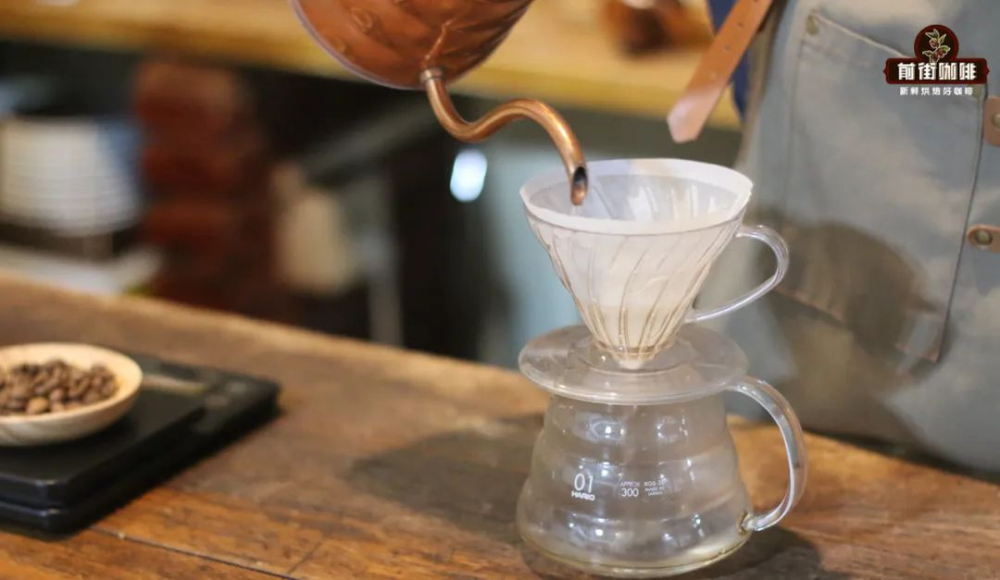
So to get the full benefit of your dripper, check the filter paper during preparation. Once you notice poor adherence mid-brew, there's no fixing it.
FrontStreet Coffee has shared detailed paper-folding techniques in a previous article, if you'd like to dig deeper.
2. Brew Immediately After Confirming Water Temperature
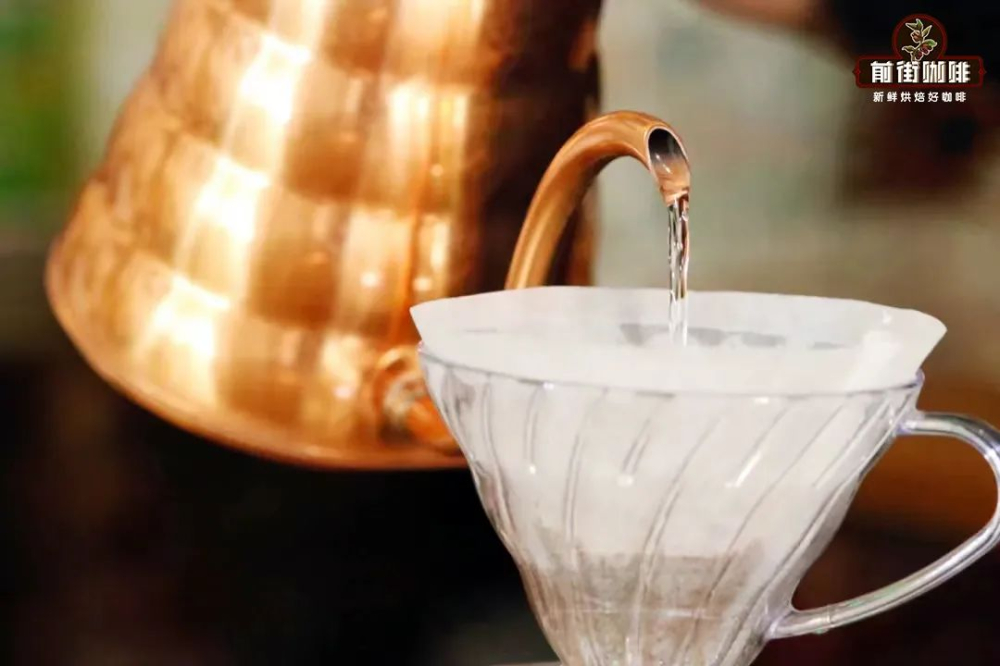
When we talk about water temperature, we mean the temperature in the kettle at the moment of the first pour. With a non-temperature-controlled kettle, the water keeps cooling between measurement and brew, so check the temperature as the last step or two of preparation. With a regular pouring kettle, account for heat absorbed by the kettle itself — pour hotter water than your target and let it cool gradually.

If you use a temperature-controlled kettle, just set it in advance and lift the kettle off the base when it's time to brew. A common question: should the kettle go back on the base between pours to hold temperature? FrontStreet Coffee says no — unless you're losing heat unusually fast (dropping from 91°C to 88°C over 1 minute 30 seconds is normal). Most brew recipes already assume continuous heat loss; in fact, holding a constant 91°C can miss the flavor profile the recipe was designed for.
3. Grind Last
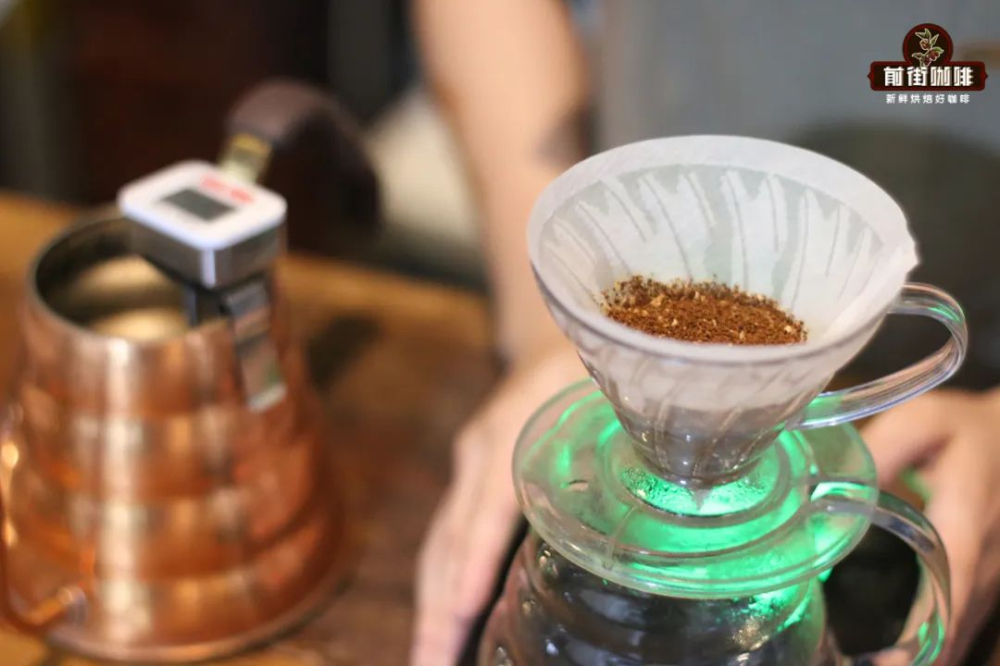
If you use an electric grinder, grind only after everything else is ready, then move the grounds straight into the dripper. Ground coffee loses aroma dramatically faster — that burst of fragrance right after grinding is flavor escaping. To minimize the loss, brew as soon as possible after grinding.
Manual grinder users should budget the grinding time into the preparation. For example, FrontStreet Coffee found grinding takes about 1 minute, so the routine is: pour boiling water into the kettle, measure the temperature, calculate how long it takes to fall to the target (practice makes perfect), then grind — timing it so the grounds finish just as the water hits temperature. If the water cools too fast, reheat and recalculate.
4. Re-verify the Weight of Your Grounds
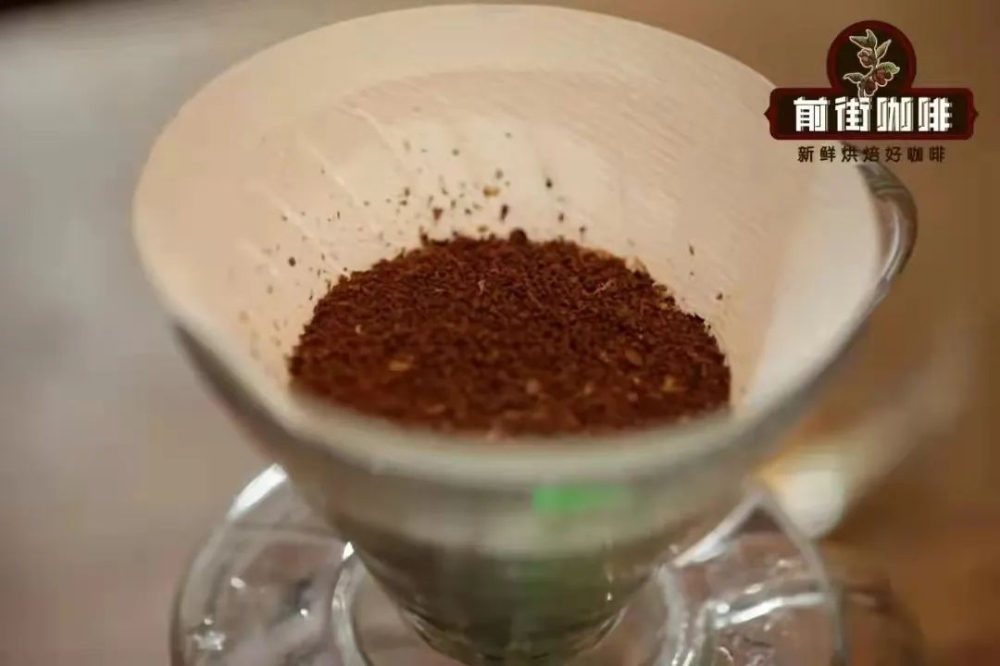
Finally, weigh the grounds again after grinding and transferring them to the dripper. Grinders suffer retention — stale grounds from a previous session can linger in the chute, or be expelled into your current dose, inflating the weight. A deviation of even ±0.5g shifts the flavor, so adjust accordingly: if you actually measure 14.3g of grounds, a 1:15 ratio calls for 214.5g of water, not 225g.
FrontStreet Coffee Recommendation
Good preparation deserves good beans. If you brew on a V60, FrontStreet Coffee recommends light roasts that show off the dripper's fast, layered extraction: the Ethiopia Yirgacheffe Guodingding, with bright citrus, berry, and floral notes and a green-tea-like finish, or the Ethiopia Huakui, bursting with strawberry, passion fruit, jackfruit, and lychee and almost no bitterness.
If your tastes run deeper, the PWN Golden Mandheling (herbal, dark chocolate, and caramel with a syrupy body) and the Jamaica Blue Mountain No.1 — famous for its cream, caramel, chocolate, and nut balance — both shine in a slower, gentler pour-over.
Important Notice :
FrontStreet Coffee is a long-established specialty coffee roaster in Guangzhou China, selling freshly roasted beans from its own farm in Yunnan as well as dozens of carefully selected single-origin beans from around the world for both pour-over and espresso. The products deliver consistently excellent quality and great value, with shipping within 24 hours. Guangzhou's FrontStreet Coffee shop is recommended by many coffee lovers, and the beans are now available online at the Tmall 。
FrontStreet Coffee has moved to a new address:
FrontStreet Coffee Address: 315,Donghua East Road,GuangZhou
Tel:020 38364473
 Scan and follow the En Gafei WeChat official account. Please indicate that the reprint comes from "En Gafei".

