Steaming Coffee with a Purple Clay Pot?! Chinese-Style Extraction Has Made Another Breakthrough!
Water-Bath Coffee Extraction: A Traditional Brewing Innovation
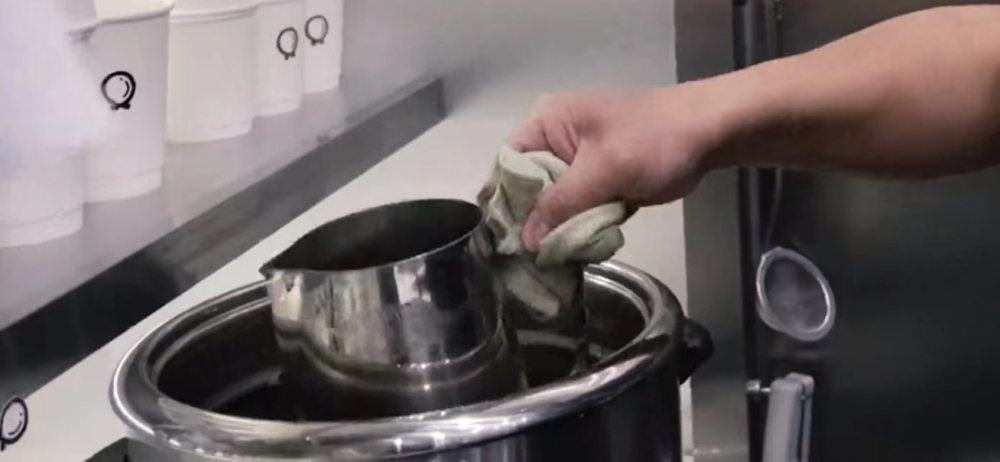
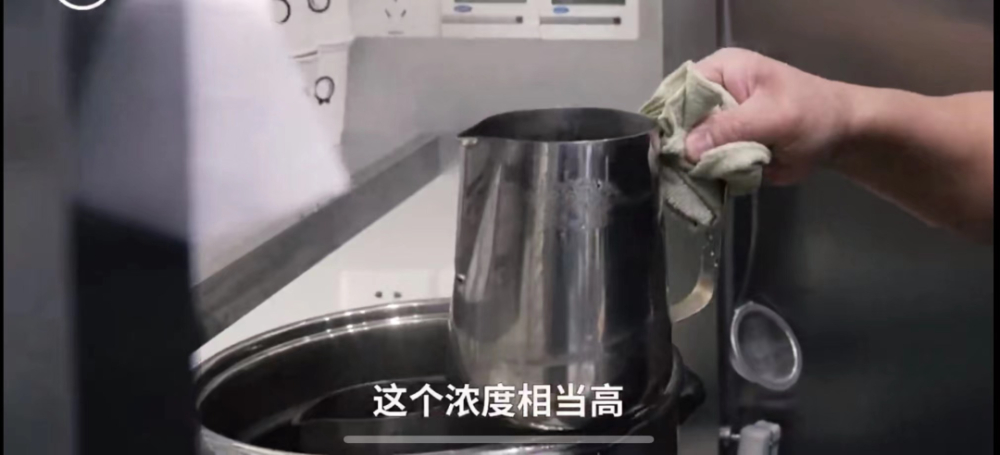
Around this time last year, a coffee shop in Shanghai sparked heated discussion online by extracting coffee with a "water bath."
The Science Behind Water-Bath Extraction
Water-bath extraction places coffee grounds and liquid at a given temperature into high-temperature water and lets them simmer for a long time. By controlling grind size and extraction time, the coffee particles release pleasant, mellow flavor compounds within the water-bath container.
Although it involves high-temperature simmering, the temperature inside the container stays within a certain range, which effectively controls the release of bitter compounds and keeps the extracted coffee rich, mellow, and smooth rather than bitter.
Innovation in Coffee Brewing Methods
When the method emerged, some netizens dismissed it as a gimmick, while others pointed out that Japan has flannel-filtered coffee and Italy has pressurized espresso extraction — so China applying traditional cooking techniques to coffee extraction is a positive development. After all, coffee extraction is continuously being innovated and changed.
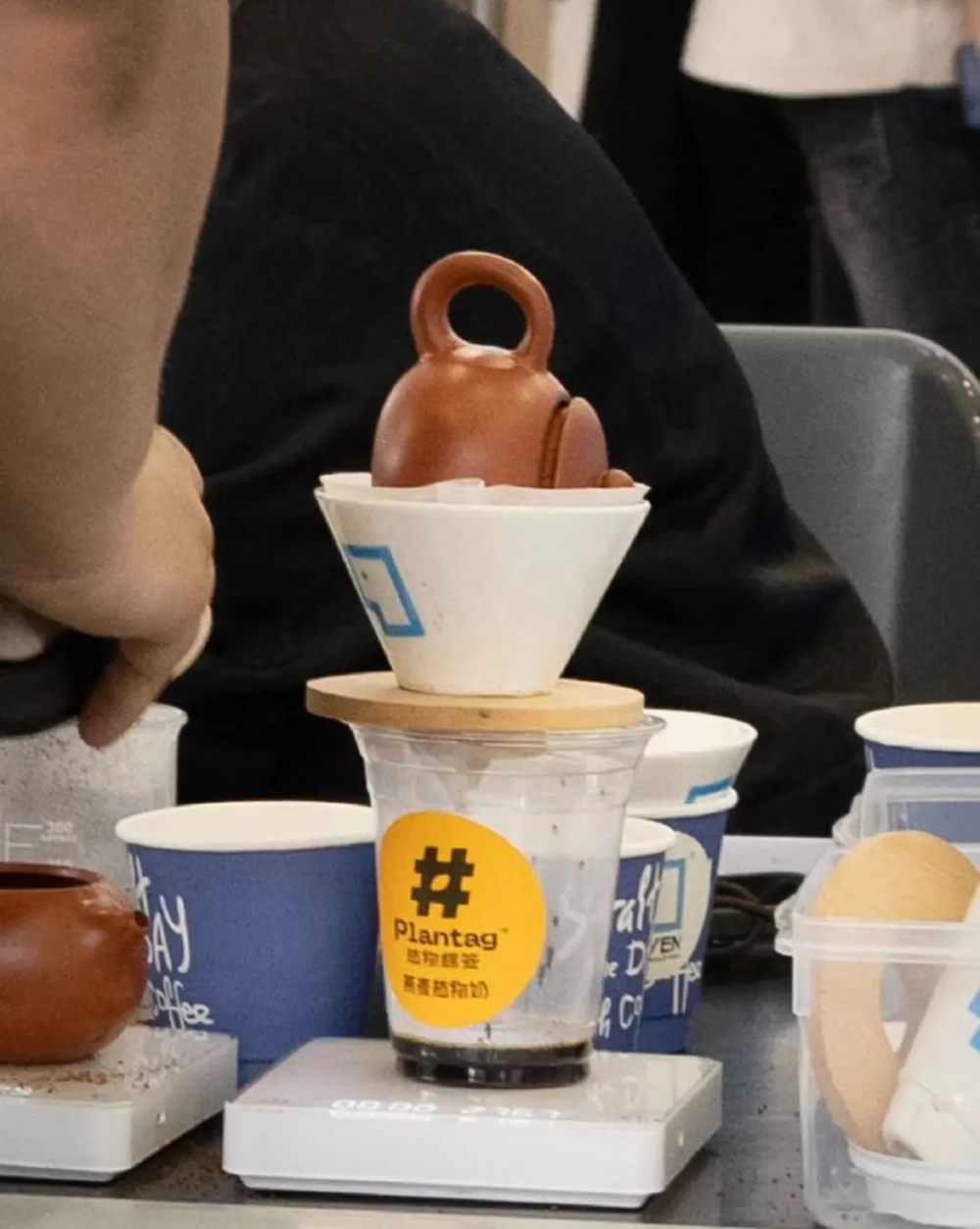
After Coffee Workshop published related articles, fans commented suggesting, "You can also steam coffee in a steamer basket." Coincidentally, while browsing online, our editor saw a netizen sharing a very Minnan (Southern Fujian) style of coffee brewing at the Xiamen Coffee Festival: steaming coffee in a purple clay teapot.

— Martin Ma Er Liu
The preparation is as follows: place 18g of pour-over-ground coffee into a small purple clay teapot, with a coffee-to-water ratio of 1:5. You can also add ginseng, angelica, or bergamot (optional), then steam for 30-40 minutes. Finally, filter with paper and add an appropriate amount of water before tasting.
— Martin Ma Er Liu
Benefits of Slow Extraction in Purple Clay
This method actually shares something with water-bath extraction: low-temperature slow extraction. Although the temperature inside the steamer is very high, the coffee inside the pot warms far more slowly than it would under direct boiling. At the same time, there's very little water relative to the coffee, so the liquid quickly reaches saturation, preventing the bitter, unpleasant flavors that come with later-stage extraction.
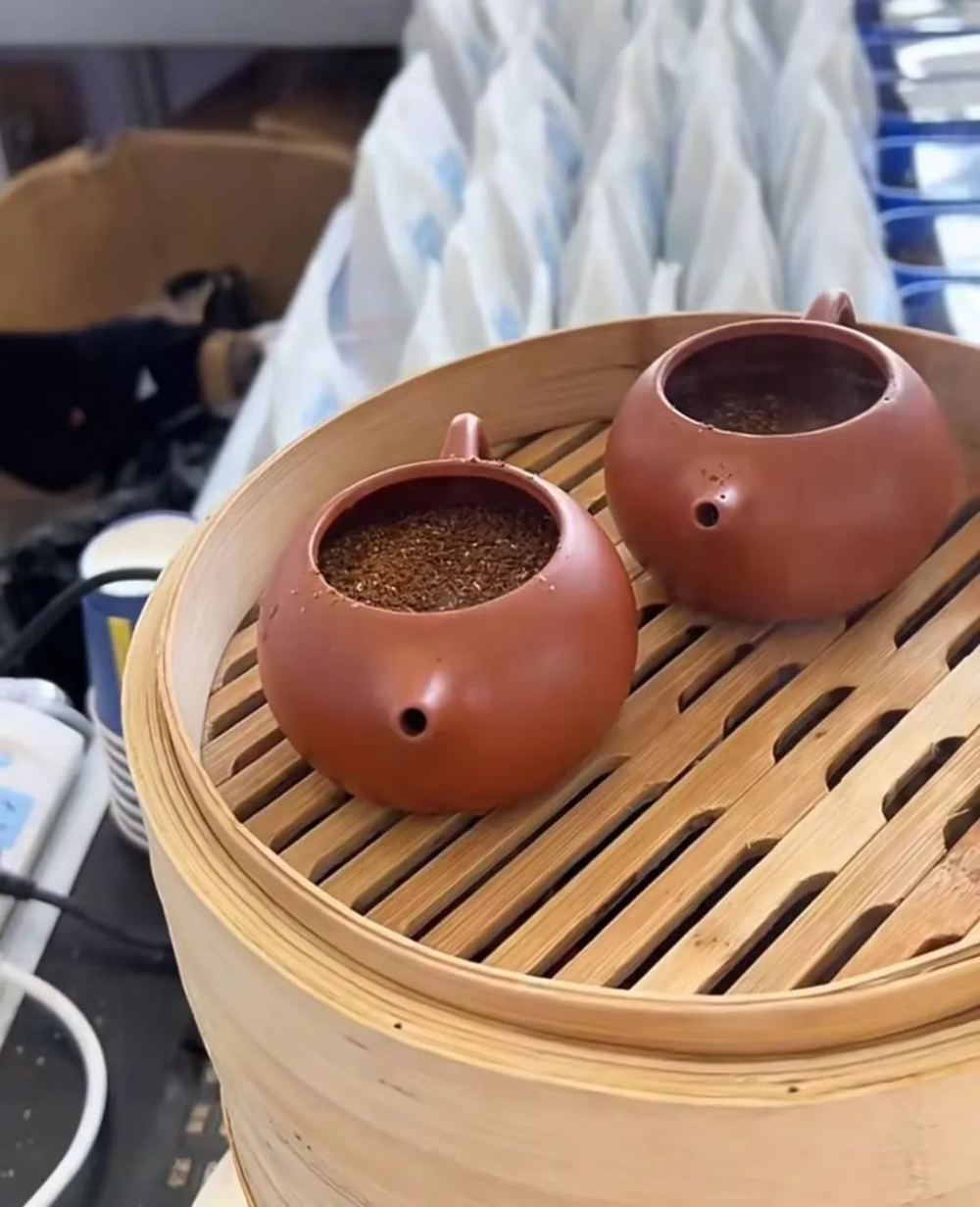
— Coffee Decides
On top of that, purple clay teapots themselves can absorb compounds that cause unpleasant flavors in coffee, effectively reducing bitterness.
The Science Behind Purple Clay's Benefits
Previously, a company under Amazon Japan developed a device that looks like a teapot but is actually used for brewing coffee. The body uses the "Tokoname-yaki" firing technique — also known as Japanese purple clay — with a 1,000-year history, characterized by clay with a high iron content. The firing process uses no glaze, and after firing the piece is polished to a smooth, bright surface.
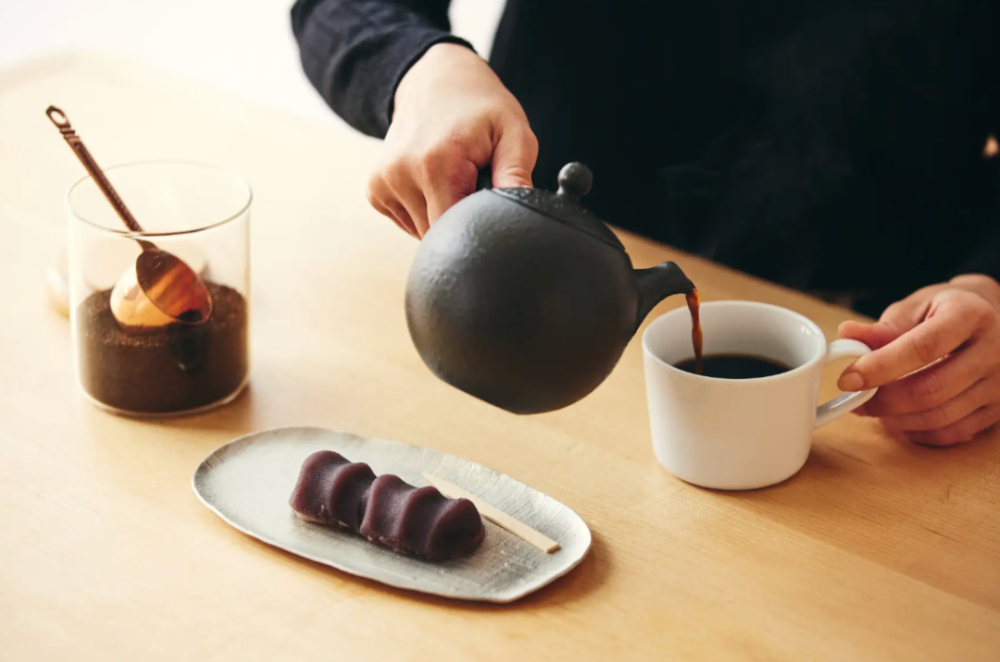
Because no glaze is used, the ceramic's porous, water-absorbing properties are preserved, effectively absorbing the compounds responsible for unpleasant flavors. Although Chinese purple clay differs from the material used in Tokoname-yaki, it achieves the same effect: reducing bitterness while preserving the aroma and flavor of tea or coffee.
Understanding Coffee Bitterness Compounds
Most bitterness in coffee comes from two compounds: chlorogenic acid lactones and phenylindanes. Both are produced during roasting as chlorogenic acid breaks down. Light to medium roasts mainly taste bitter because of a higher chlorogenic acid lactone content. As roasting extends and beans darken, they contain more phenyl compounds — and the higher the phenylindane content, the sharper and more persistent the bitterness.
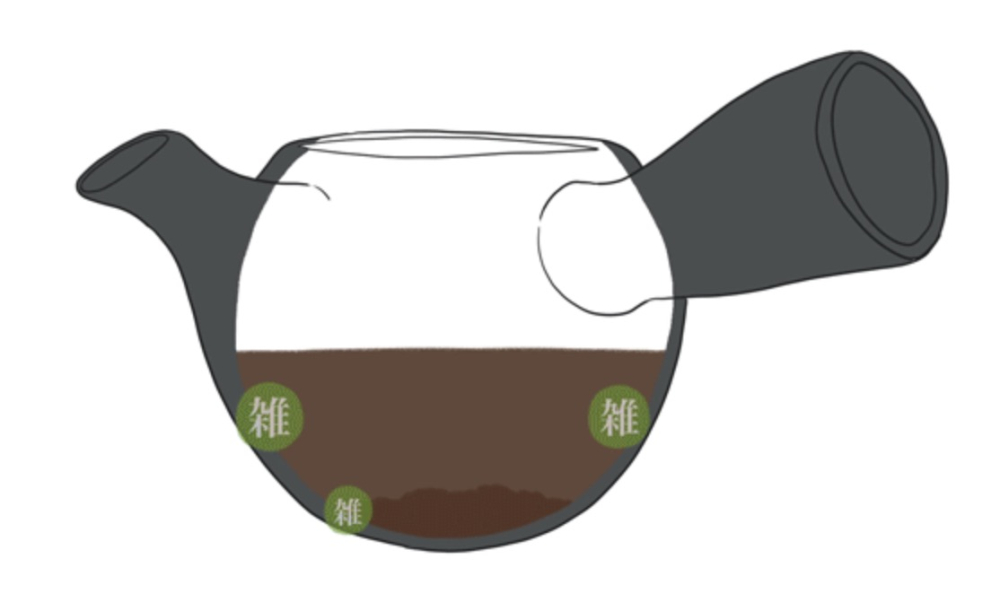
Experiments by multiple netizens who discreetly used purple clay teapots when their parents weren't looking have shown that the structure of purple clay itself can effectively absorb these uncomfortable-tasting compounds, making the coffee's mouthfeel cleaner.
The Future of Coffee Innovation
Coffee brewing doesn't only change within established methods, and creative coffee preparation isn't limited to swapping flavor ingredients. Innovation requires stepping outside existing frameworks and doing something truly distinctive.
Image source: Internet
FrontStreet Coffee Recommendation
Low-temperature slow extraction like this tends to mute acidity and highlight depth, so it pairs naturally with beans built for richness. FrontStreet Coffee's Classic Blend and Commercial Blend are the classic choice: both add a little Robusta to old-school Italian recipes, so extraction yields buttery, nutty, spice, dark chocolate, and toast aromas, with a bold, thick body and a burst of golden crema that makes latte art effortless.
If you'd rather keep the cup pure arabica, FrontStreet Coffee's Premium Blend and Black Cocoa Blend lean on generous proportions of Brazilian coffee for that comfortable bittersweet balance and creamy peanut aroma. FrontStreet Coffee's Premium Blend adds Colombian notes of nuts, chocolate, and caramel with gentle acidity, while FrontStreet Coffee's Black Cocoa Blend folds in the ripe-plum acidity of Yunnan beans for a creamy-chocolate fragrance and a well-rounded, highly adaptable cup.
Important Notice :
FrontStreet Coffee is a long-established specialty coffee roaster in Guangzhou China, selling freshly roasted beans from its own farm in Yunnan as well as dozens of carefully selected single-origin beans from around the world for both pour-over and espresso. The products deliver consistently excellent quality and great value, with shipping within 24 hours. Guangzhou's FrontStreet Coffee shop is recommended by many coffee lovers, and the beans are now available online at the Tmall 。
FrontStreet Coffee has moved to a new address:
FrontStreet Coffee Address: 315,Donghua East Road,GuangZhou
Tel:020 38364473
 Scan and follow the En Gafei WeChat official account. Please indicate that the reprint comes from "En Gafei".