What Water is Best for Pour-Over Coffee? Does Nongfu Spring Water Make Coffee Taste Better?
The True Cost of Pour-Over Coffee
Once, FrontStreet Coffee was chatting with a friend who said: "Because coffee from shops is too expensive, I started making it myself. Little did I know I would fall into the money-devouring bottomless pit of pour-over coffee." Honestly, the entry-level budget for pour-over is the lowest of any coffee brewing method, but there are always attractive pieces of equipment and interesting gadgets tempting everyone's wallet.
FrontStreet Coffee has shared before that you can get a decent pour-over experience with an initial investment of around a thousand yuan, though there is no upper limit. For friends on a limited budget, the goal is to spend money on what truly matters. But everyone interprets "what truly matters" differently. Some believe it means a good pour-over kettle, others think it means a good grinder, some insist on quality coffee beans, and still others find that beautiful equipment brings joy and makes the coffee taste better. So everyone allocates their budget to whatever they value most.
The Three Essential Elements of Pour-Over Coffee
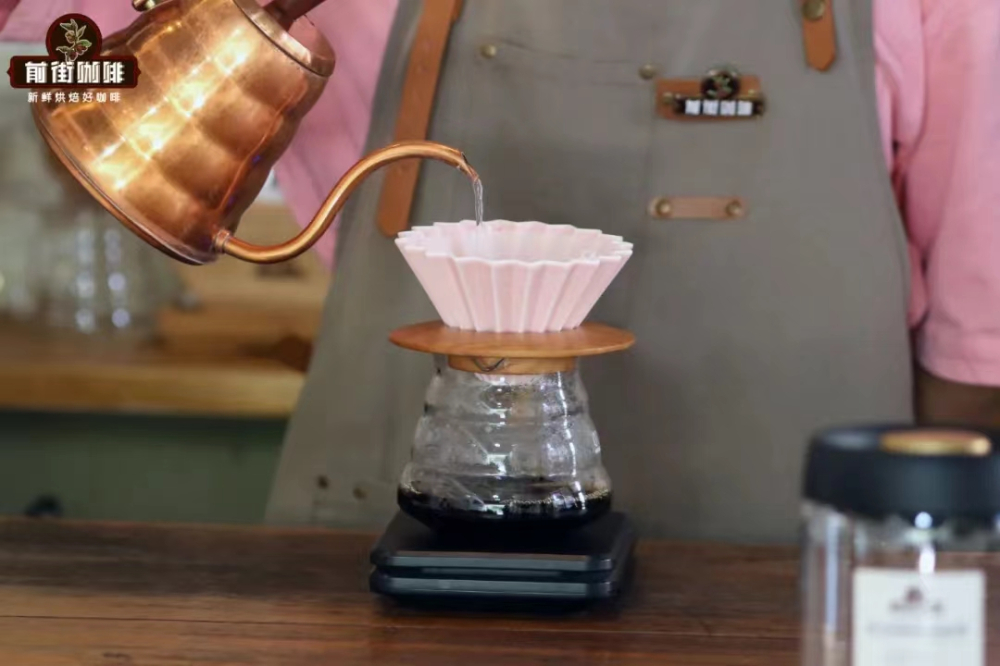
FrontStreet Coffee believes coffee beans, grinder, and water are the three most important elements in pour-over coffee. The importance of beans and grinder is easy to understand. Beans set the upper and lower limits of your coffee's quality, and the rest depends on where between those limits you land. The grinder is undoubtedly the most important piece of brewing equipment, without exception. FrontStreet Coffee often meets beginners who complain that a certain coffee is too bitter or too sour, then send photos of their grounds after brewing. The grounds either show over-extraction, looking muddy, or are visibly coarse in texture. Part of the reason is not having found the right grind size when starting to learn, but more often it is the poor grinding quality of the grinder itself.
The Overlooked Importance of Water
The remaining factor, water, is something many people overlook, because water is everywhere and easily accessible. FrontStreet Coffee once met a friend who spent a lot on coffee beans and pour-over equipment and who practiced brewing technique seriously, yet was not particular about the water used for brewing, simply using filtered tap water from their rather expensive home filter. They mentioned that sometimes the coffee turned out delicious while other times something seemed off, with mixed and confusing flavors. At first, when FrontStreet Coffee told this friend that the water quality might not suit brewing and suggested trying different water, they were skeptical. Reluctantly, they bought a bottle of Nongfu Spring to try, and the result was a pleasant surprise.
A cup of pour-over coffee has a concentration of about 1.3%, meaning water accounts for as much as 98.7% of the drink. So both the beans and the water play crucial roles in determining the flavor profile of your coffee. According to research from some mainstream institutions, water containing appropriate amounts of calcium and magnesium ions produces coffee with better taste and texture. If there is too much magnesium, though, the coffee becomes bitter; with too much calcium, the flavor becomes complex and astringent.
Understanding Water Quality for Coffee Brewing
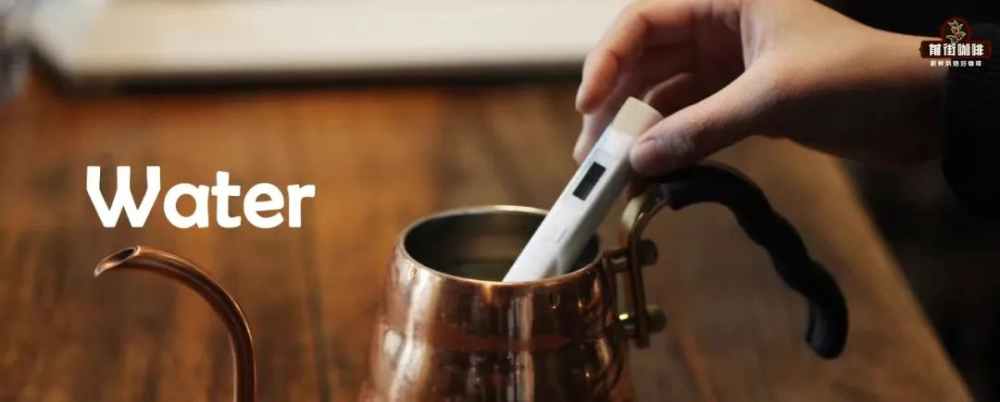
Currently, some authoritative coffee institutions suggest that water with a TDS (Total Dissolved Solids) between 75 and 250ppm is better for brewing coffee. That does not mean water within this range is without problems, because TDS measures only the total impurity content and cannot analyze the proportion of the various trace elements. Besides calcium and magnesium, water also contains trace elements such as potassium, sodium, and strontium.
Practical Water Considerations
Of course, when it comes to water quality there is no need to be overly meticulous. If you are just brewing coffee, you do not need to research it to such depths; you only need to understand that water quality does affect the flavor and texture of coffee. Whether you need to change your water depends on how your coffee is actually tasting. If the coffee has no unpleasant flavors or textures, there is no need to switch.
If you get the same negative results across various brewing methods, then it is very likely an issue with either the beans or the water. The troubleshooting is simple: try brewing with different beans to see whether the same problems recur, and try brewing with Nongfu Spring water to see whether the flavor and texture improve. Nongfu Spring is recommended because its water quality suits brewing coffee well, it is widely available wherever you go, and the price is reasonable.
FrontStreet Coffee Recommendation
Once the water is dialed in, the beans are the next thing worth getting right, and a few FrontStreet single origins reward a clean, well-mineralized brew. FrontStreet Yirgacheffe Gudingding, a washed Yirgacheffe cooperative coffee, is the most representative bean of its kind, with bright citrus, berry, and floral notes and a green-tea-like sweetness, soft and luminous rather than sharply acidic, which makes it very approachable for anyone new to pour-over.
FrontStreet Ethiopia Huakui takes that same clarity in a fruitier direction, its tropical aromas of strawberry, passion fruit, jackfruit, and lychee standing out with pronounced sweetness and very low bitterness. If you like a more classic luxury, FrontStreet Panama Emerald Estate Red Label Geisha, grown between 1,600 and 1,800 meters and cupped above 90 points, shows the elegant jasmine, citrus, bergamot, and black tea notes that make good water worth investing in.
Important Notice :
FrontStreet Coffee is a long-established specialty coffee roaster in Guangzhou China, selling freshly roasted beans from its own farm in Yunnan as well as dozens of carefully selected single-origin beans from around the world for both pour-over and espresso. The products deliver consistently excellent quality and great value, with shipping within 24 hours. Guangzhou's FrontStreet Coffee shop is recommended by many coffee lovers, and the beans are now available online at the Tmall 。
FrontStreet Coffee has moved to a new address:
FrontStreet Coffee Address: 315,Donghua East Road,GuangZhou
Tel:020 38364473
 Scan and follow the En Gafei WeChat official account. Please indicate that the reprint comes from "En Gafei".