
5 Tips for Brewing Coffee at Home! How to Easily Improve Pour-Over Coffee Quality?
As specialty coffee culture becomes part of everyday life, and coffee bloggers keep explaining brewing in ever simpler terms, plenty of you have probably used recent e-commerce sales to buy a full brewing setup — quietly telling yourselves: "With all this gear, I can definitely brew great pour-over at home!"

How to Brew Coffee Correctly
"So — how do I actually brew it properly?" Don't worry. Here are a few tips that easily lift your coffee quality. Grab a notebook, or bookmark this page.
1. Choose Freshly Roasted Beans
Freshness is everything for a delicious cup. Roasted beans are dry and keep for a long time in storage, but their flavor shelf life is short: the optimal tasting window for a bag of freshly roasted coffee is about 30 days from the roast date.
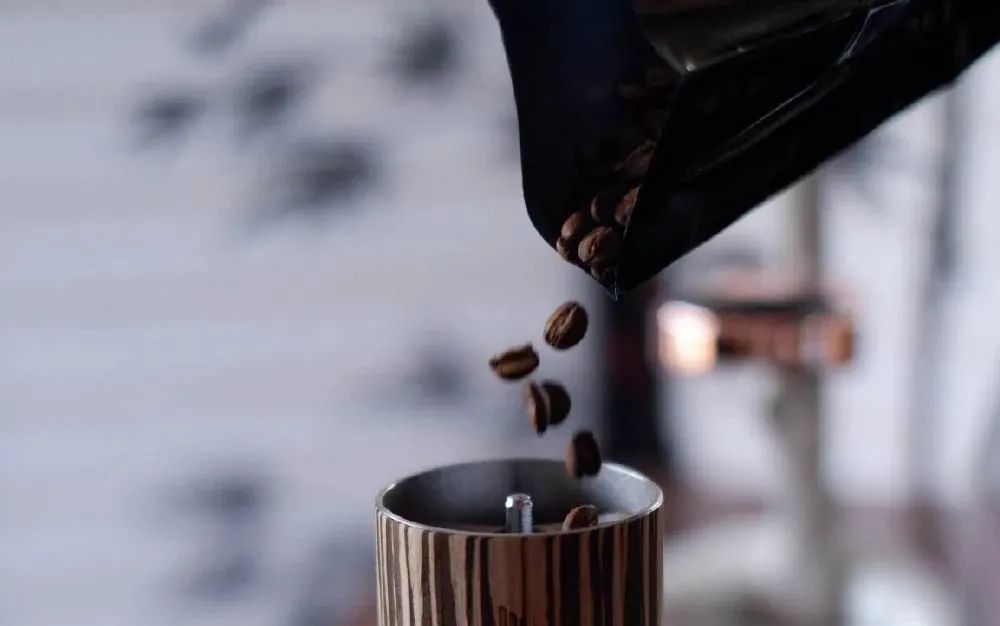
After roasting, carbon dioxide levels fall over time, and flavors escape along with the CO2. The longer beans sit, the less flavor remains. Since freshly roasted beans go on promotion all the time, there's no need to stockpile — finish what you have, then buy more to stay fresh.
2. Pick Beans by Roast Level and Region to Match Your Taste
Beans from different regions carry distinct flavor characteristics, and roast level shapes how acidity, sweetness, and bitterness come through.
If you like bright acidity and a refreshing cup, choose light or light-medium roasts from Africa (Ethiopia, Kenya) — typically citrus acidity, berry-like sweetness, and a tea-like aftertaste.
If you prefer soft acidity and a fuller body, choose medium roasts from Central and South America (Guatemala, Colombia, Costa Rica, Panama) — typically gentle fruit acidity, nut, and caramel sweetness.
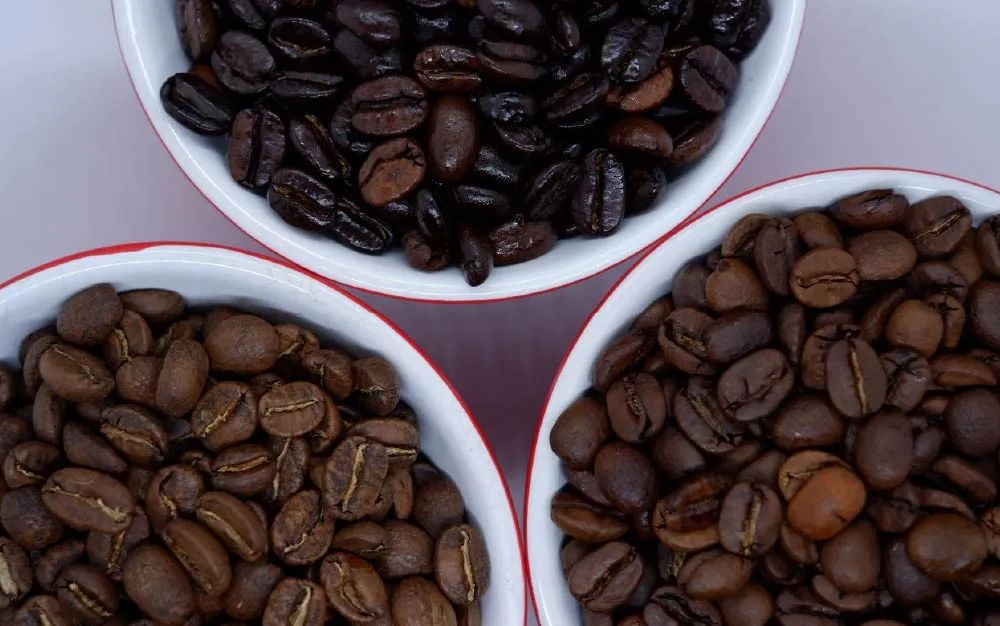
If you want low acidity with a touch of bitterness and a rich taste, go for medium-dark Yunnan beans — slight plum acidity, nut, brown sugar sweetness, tea-like finish — or medium-dark Brazil beans with their dense nuttiness, smooth texture, and sucrose sweetness.
And if you love heavy body and a solid, full-flavored cup, try medium-dark island coffees (Jamaica Blue Mountain, Papua New Guinea) — balanced acidity, sweetness, and bitterness with real weight — or Indonesia's Sumatra Mandheling, herbal, spicy, and dark-chocolate rich with a lasting finish.
3. Get the Grind Size Right
For daily brewing with fresh beans, grind just before brewing. Grinding multiplies surface area and speeds flavor loss. Different roast levels dissolve at different rates, so only the right coarseness yields a balanced cup.
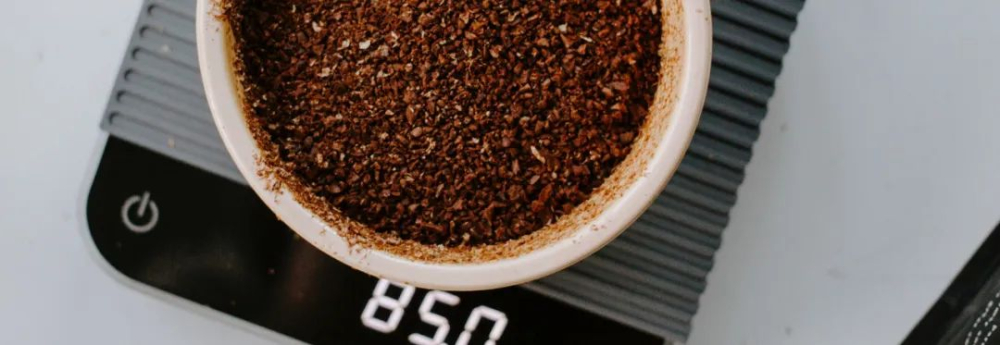
Recommended grind sizes: light-medium roasts at medium-fine/fine-sugar size (80% passing through a China No. 20 standard sieve); medium roasts at medium/white-sugar size (75% passing); medium-dark roasts at medium-coarse/coarse-sugar size (70% passing).
4. Measure Water Temperature Every Brew
Many home brewers pour water straight off the boil, or cool it "by feel" for a few minutes. That feel is unreliable — room temperature and water volume constantly change, so the brew temperature never repeats. Use a thermometer.
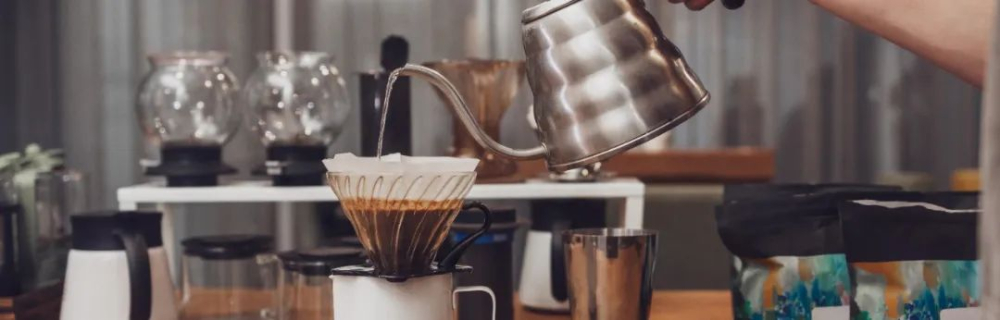
As a rule: for light-medium to medium roasts at the recommended grind sizes, brew at 90-92°C; for medium-dark and darker roasts, 87-89°C.
5. Keep a Consistent Coffee-to-Water Ratio
The key to brewing ratios is quantification — an inexpensive scale solves most problems. Use it to weigh beans and water and to time the brew. Quantified parameters can be repeated, ensuring consistency cup after cup.
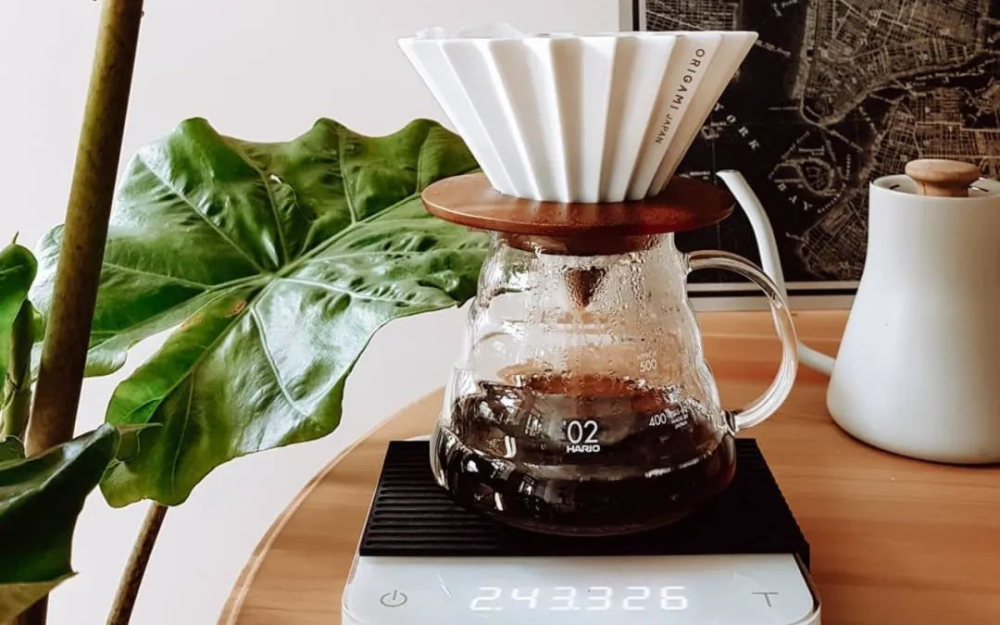
Normally, a 1:15 coffee-to-water ratio produces the most balanced cup. It's only a starting point: too weak, drop to 1:13-1:14; too strong, open up to 1:16-1:17.
The ratio determines how much water you pour: at 15g of coffee and 1:15, you'd pour 225g of water and finish extraction once all the water has drained through the bed.
Image source: Internet
FrontStreet Coffee Recommendation
Now that your routine is dialed in, match the beans to it. For bright, fruity pour-overs on a V60, FrontStreet Coffee suggests the Yirgacheffe Guodingding (citrus, berries, florals, a green-tea finish) or the Huakui (strawberry, passion fruit, jackfruit, lychee — with almost no bitterness), both light roasts made for quick, layered extraction.
For fuller-bodied cups, the PWN Golden Mandheling brings herbal spice, dark chocolate, and caramel at a low acidity, while the Jamaica Blue Mountain No.1 offers that near-perfect balance of cream, caramel, chocolate, and nut — and both reward the 87-89°C medium-dark brewing this guide describes.
Important Notice :
FrontStreet Coffee is a long-established specialty coffee roaster in Guangzhou China, selling freshly roasted beans from its own farm in Yunnan as well as dozens of carefully selected single-origin beans from around the world for both pour-over and espresso. The products deliver consistently excellent quality and great value, with shipping within 24 hours. Guangzhou's FrontStreet Coffee shop is recommended by many coffee lovers, and the beans are now available online at the Tmall 。
FrontStreet Coffee has moved to a new address:
FrontStreet Coffee Address: 315,Donghua East Road,GuangZhou
Tel:020 38364473
 Scan and follow the En Gafei WeChat official account. Please indicate that the reprint comes from "En Gafei".

