
How to Control Acidity in Pour-Over Geisha Coffee: Best Brewing Methods to Enhance Sweetness
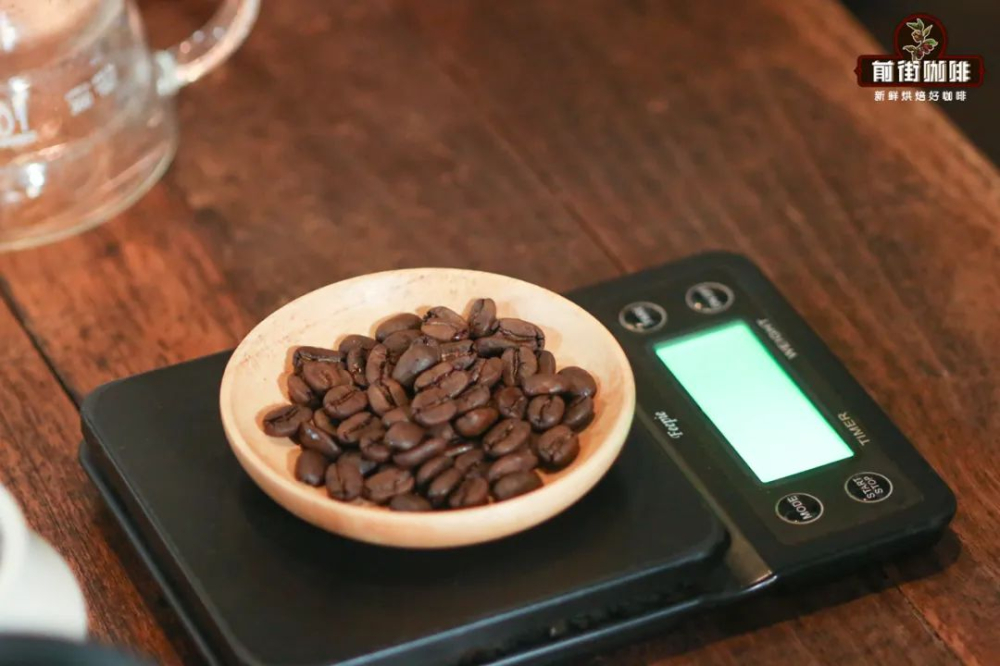
Preferring sweetness over bitterness is human nature. Many people just getting into specialty coffee simply cannot taste the "sweetness" baristas go on about — largely because their sensitivity to bitterness is higher than to sweetness.
A bean's flavor potential is fixed at the green stage, and the roast then decides the final flavor profile. As consumers we have almost no say in either of those stages. What we can do is choose: if you dislike acidity, pick a dark roast; if bitterness bothers you, go light; if you love clean, structured acidity, choose washed coffees; if you want complex sweetness, naturals are your friend.
And although we cannot control anything upstream, we still have real levers at the brewing stage. FrontStreet Coffee will repeat an old truth here: brewing cannot change a bean's fundamental flavor profile — it can only finitely tilt the balance between acidity and sweetness.

Brewing Techniques for Sweetness
Brewing technique is the most talked-about part of coffee. "This method brings out the sweetness," "that method highlights the bright acidity" — such claims always draw a crowd. Acidity and sweetness are the most immediately perceptible tastes, so the sweet-toothed study sweet-brewing methods while acid lovers study the opposite.
These techniques generally revolve around a few variables: the number of pour stages, how water is split between them, the flow rate, and the size and speed of your pouring circles.
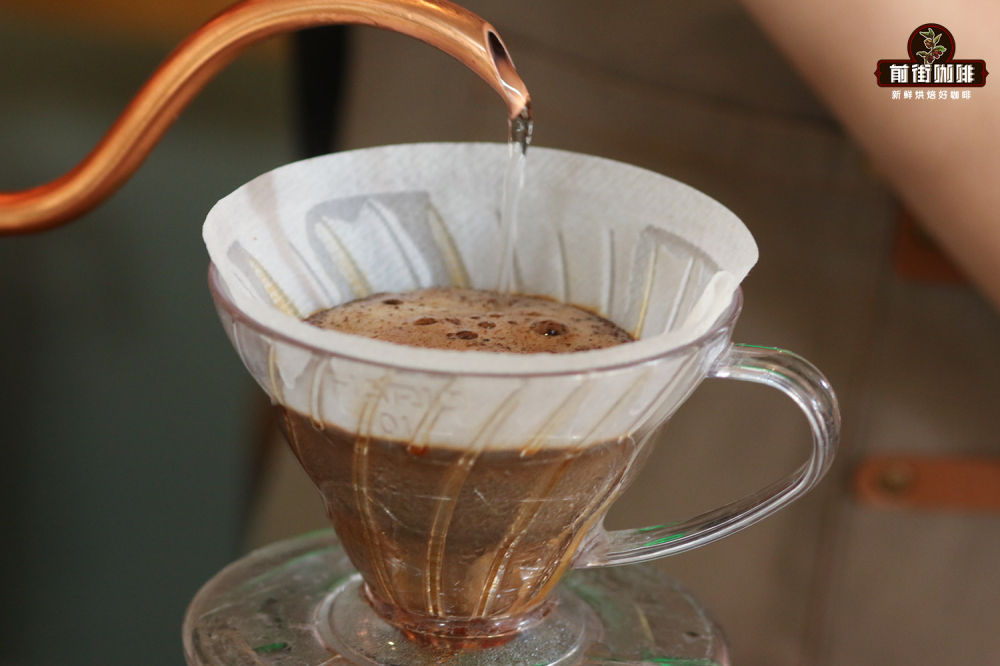
What they actually change is total extraction time and the extraction efficiency of each stage. During extraction, acidic compounds dissolve first and most easily, sweet compounds follow, and bitter compounds come out last. So acids dominate early, sweetness peaks mid-brew, and bitterness only becomes pronounced toward the end.
Take the classic comparison of one-pour versus three-pour brewing. The single pour has a shorter contact time than the three-pour method. During active pouring, "wash" extraction is more efficient than the passive steeping that happens while you wait. In a one-pour brew, wash extraction is concentrated in the first half; in a three-pour brew, it is spread across the beginning, middle and end. The result: one-pour coffee leans more acidic, while three-pour coffee tastes comparatively sweeter.

Water distribution works the same way. In a three-pour brew, allocating more water early produces a more acidic cup; loading the later stages produces a sweeter one.
High Temperature for Sweetness, Low Temperature for Acidity
Water temperature is the simplest dial for balancing acidity and sweetness. Hotter water raises extraction efficiency and pushes sweetness forward; cooler water lowers efficiency and lets acidity lead.

Typical pour-over temperatures run 86–96°C. For light roasts, 90–93°C is the safe window — hot enough to extract plenty of flavor without tipping into scorched bitterness.
Don't Touch Grind Size Casually
If your grind size is already dialed in, FrontStreet Coffee does not recommend adjusting it just to chase more sweetness or acidity. For beginners, grind is the least predictable variable: too coarse and the coffee turns flavorless, too fine and unpleasant flavors rush in. If your current setting makes good coffee, leave it alone — the other parameters above are far more controllable.
Add More Water
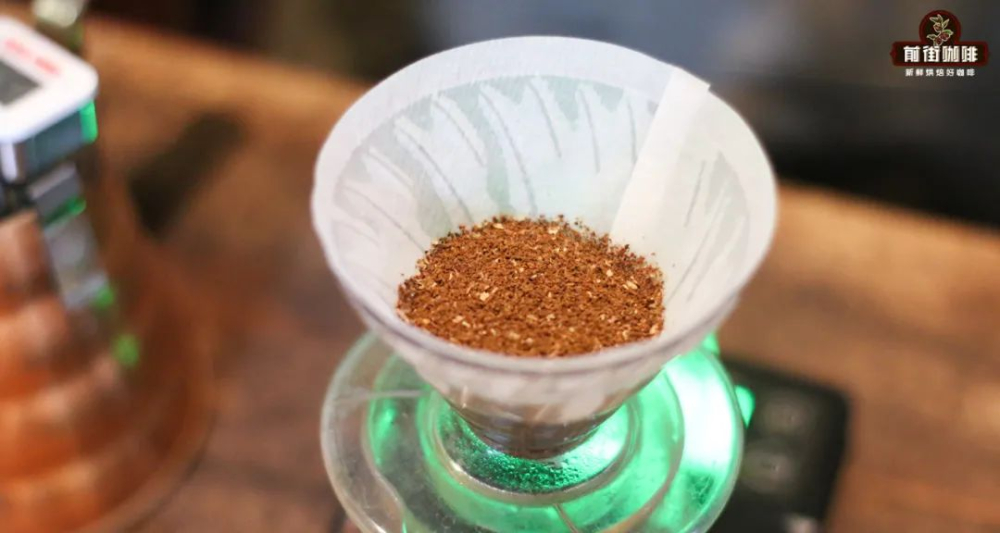
Continuing to pour effectively raises the coffee-to-water ratio. First, it extends extraction time so the sweet compounds of the middle and late stages get extracted more fully, relatively reducing acidity. Second, the higher overall extraction yield further suppresses acidity and makes sweetness read more clearly. The one side effect is lower concentration.
Since extra water thins the cup, FrontStreet Coffee recommends conservative steps. If you are brewing at 1:15 or tighter, first stretch to 1:16 and taste. If concentration is still fine and sweetness has improved, you are done.

Brewing Sweetness from "Bitter Coffee"
Experienced brewers know that acid-averse drinkers usually reach for dark roasts, which express roasted notes — nuts, dark chocolate, almonds, seeds — with minimal acidity and prominent sweetness like cocoa, caramel and maple syrup.
But medium-dark and dark roasts take longer, hotter exposure, their cell structure is loose, and they undergo far more caramelization than light roasts. Under identical parameters, the bitter compounds of late extraction come out much more easily. Lose control of the parameters and roast bitterness swamps the sweetness, leaving a punishingly bitter cup with an astringent film down the throat. Learning to brew dark roasts sweetly is therefore a rite of passage for many newer brewers.

To avoid pulling out harsh flavors while preserving that rich sweetness, FrontStreet Coffee uses a slow-flow Kono dripper, a coarse grind and low water temperature, combined with gentle, small circular pours at a 1:15 ratio, with total extraction held around 2 minutes.
FrontStreet Coffee Recommendation
If it is sweetness-with-elegance you are chasing, Geisha is the variety that made its name on exactly that. From FrontStreet Coffee's Geisha lineup, three are worth knowing:
FrontStreet Boquete Geisha (Panama) — the entry-level Panama Geisha and the easiest way to taste the classic "orange-blossom honey" character at a friendly price: fragrant florals, oolong-tea texture, delicate fruit acidity and clear layering. Ideal for practicing the sweet-leaning techniques above.
FrontStreet Genlana Estate Geisha (Ethiopia) — from the Genlana washing station on the border of Kochere and Genji Abaya, established in 2014 and run by Israel Degefa, drawing from some 700 hectares of mostly forested, shade-covered land. Hand-picked ripe cherries are dried 14–20 days on raised beds and roasted medium-light: bright citrus acidity, elegant ginger-flower aroma, full ripe-fruit sweetness and that signature refined Geisha finish.
FrontStreet Esmeralda Red-Label Geisha (Panama) — the "Esmeralda Special" grade, grown at 1600–1800 meters, each lot cupping above 90 points and traceable to a single plot (FrontStreet's lots come from the Jaramillo plot). Jasmine florals, citrus and black-tea nuance with a long, clean finish — the benchmark for what sweetness in pour-over can be.
Important Notice :
FrontStreet Coffee is a long-established specialty coffee roaster in Guangzhou China, selling freshly roasted beans from its own farm in Yunnan as well as dozens of carefully selected single-origin beans from around the world for both pour-over and espresso. The products deliver consistently excellent quality and great value, with shipping within 24 hours. Guangzhou's FrontStreet Coffee shop is recommended by many coffee lovers, and the beans are now available online at the Tmall 。
FrontStreet Coffee has moved to a new address:
FrontStreet Coffee Address: 315,Donghua East Road,GuangZhou
Tel:020 38364473
 Scan and follow the En Gafei WeChat official account. Please indicate that the reprint comes from "En Gafei".

