
Why Do Dark Roasted Coffee Beans Develop Oily Residue and Are They Still Safe to Drink? How to Handle Moisture-Affected Pour-Over Coffee Beans

When it comes to oil appearing on the surface of coffee beans, FrontStreet Coffee has noticed that beginners tend to ask the same questions over and over:
"Why are my coffee beans wet? I only just opened the bag."
"The beans are oily — they must have been sitting around for ages, right?"
"The surface is so greasy. Could they have gone bad?"
That "oil" on the surface of coffee beans is, in essence, the water-soluble fats naturally present in the bean itself.
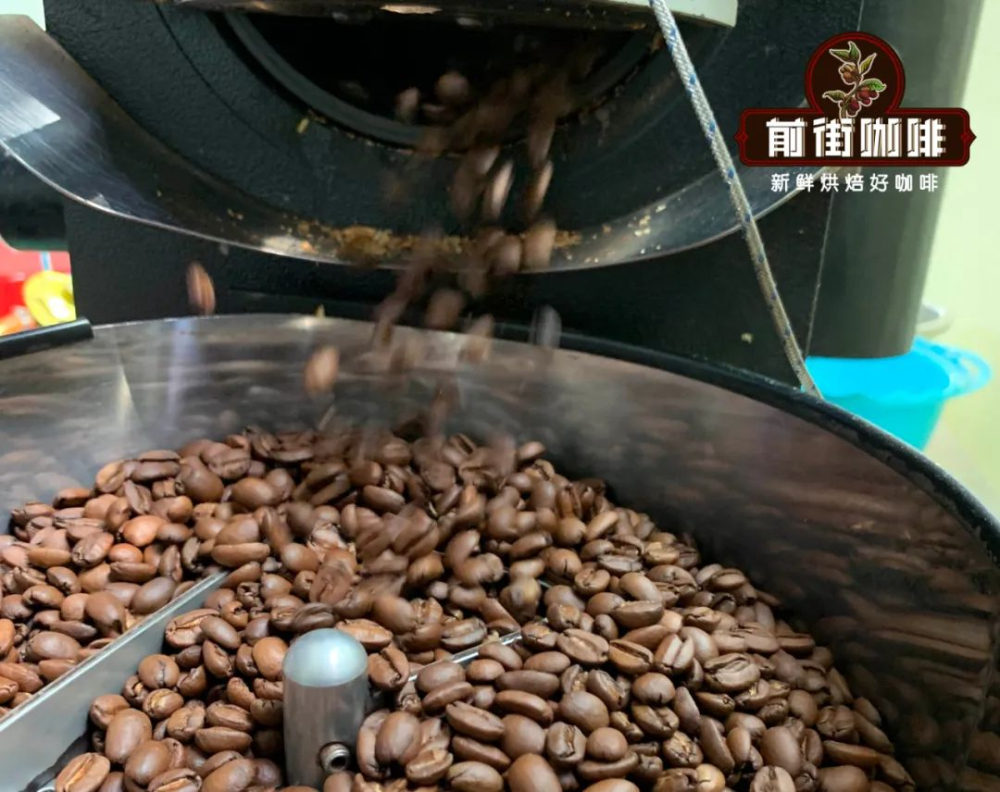
Before roasting, a green bean has a tight structure, with its oils wrapped up inside the fiber matrix. During roasting, the roaster feeds the beans a huge amount of thermal energy, and the internal structure keeps expanding. This opens up the pores in the cell walls of the green bean, which then store a large amount of carbon dioxide as the roast level climbs. Once roasting ends, the beans return to normal temperature and pressure, and that carbon dioxide begins to escape slowly — carrying fats with it, which permeate and cling to the bean surface.
What Roast Level Has to Do With It
Oiliness generally shows up in dark roasts and above — that is, around the time of second crack — as oils gradually seep to the surface along with the escaping gases. A freshly roasted dark bean will already show a faint sheen of oil. By the next day, carbon dioxide starts releasing more rapidly, throwing off roasted aromas of caramel, dark chocolate and more.
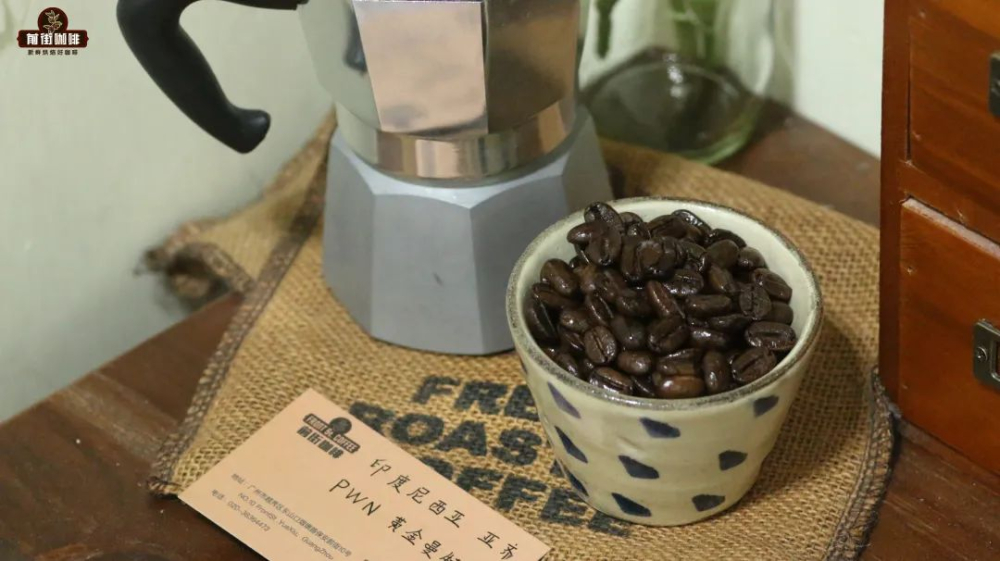
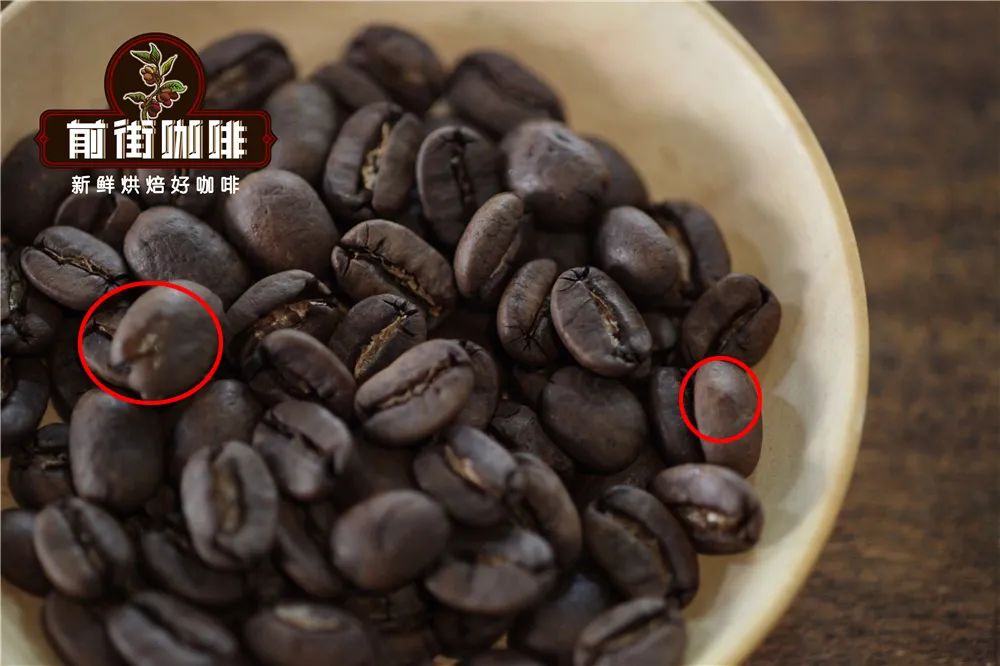
Take FrontStreet Coffee's Indonesian Premium Mandheling, a medium-dark roast: it develops an oily sheen after 3–5 days of resting, and that is entirely normal. During the optimal tasting window, some beans around 5–7 days after roasting will show small droplets of oil on the surface. This comes from uneven heating and localized dehydration, and those spotted oils actually mark the coffee's best-flavor period.
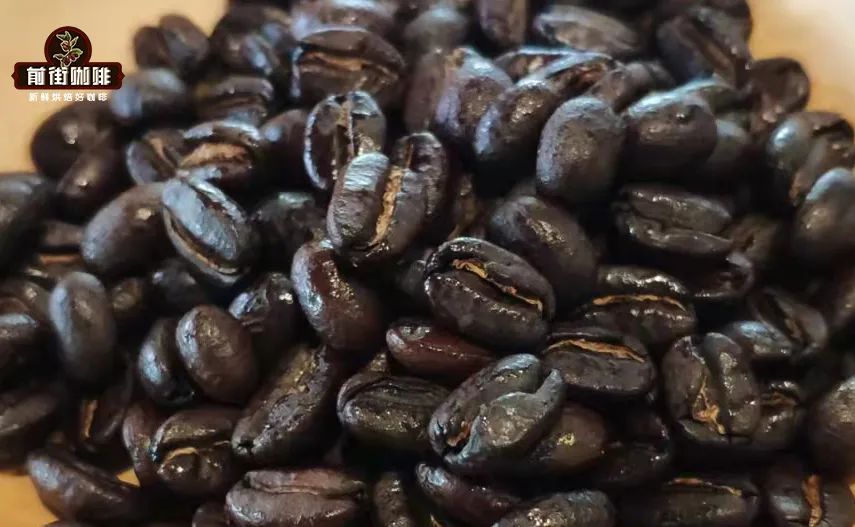
So oiliness is really just one way to judge how deeply a bean was roasted; it has no necessary connection to freshness. With an extremely dark "Japanese-style dark roast," the beans begin to show oil on the very first day after roasting, while still in the packaging, and soon take on a glossy, near-black appearance.
Signs That Beans Have Been Affected by Moisture
If coffee beans have taken on moisture, they generally will not look "wet," and it is hard to tell by eye whether roasted beans have been affected. What we can do is read the signs the coffee gives off during brewing.
Freshly roasted beans have a very low moisture content, roughly 1–2%. Stored in a humid environment, they behave like a moisture absorber: moisture content rises, and spoilage and mold follow. The usual warning signs are a bean grinder that hesitates, coffee powder that clumps, a loss of aroma and the appearance of musty smells.
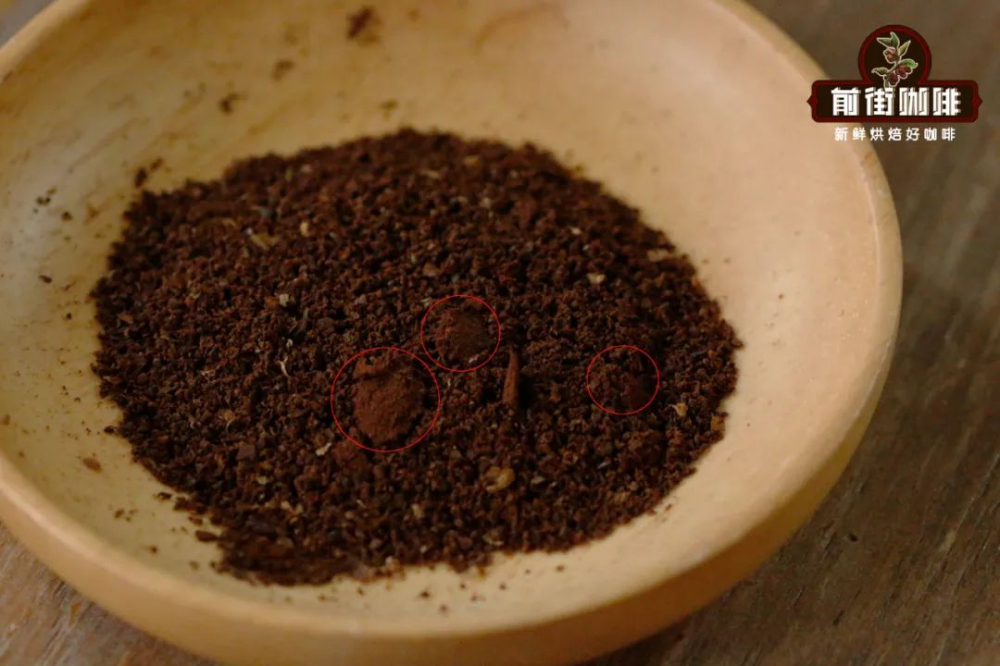
How to Tell Whether Beans Are Fresh
The most common packaging for coffee beans is a sealed bag with a one-way degassing valve, or a vacuum-sealed container; both keep the beans away from moisture molecules in the air. On top of that, the carbon dioxide the beans themselves release acts as a protective gas, wrapping around them and slowing the loss of flavor. Once the packaging is opened, however, the oils meet moisture in the air and begin to oxidize, which accelerates the aging of the beans.
Some medium-light roasts that have been stored for a while may develop a layer of oil across the whole surface. If they smell weak with a hint of greasiness, that tells you a significant share of the flavor has already gone, and they should be drunk as soon as possible.
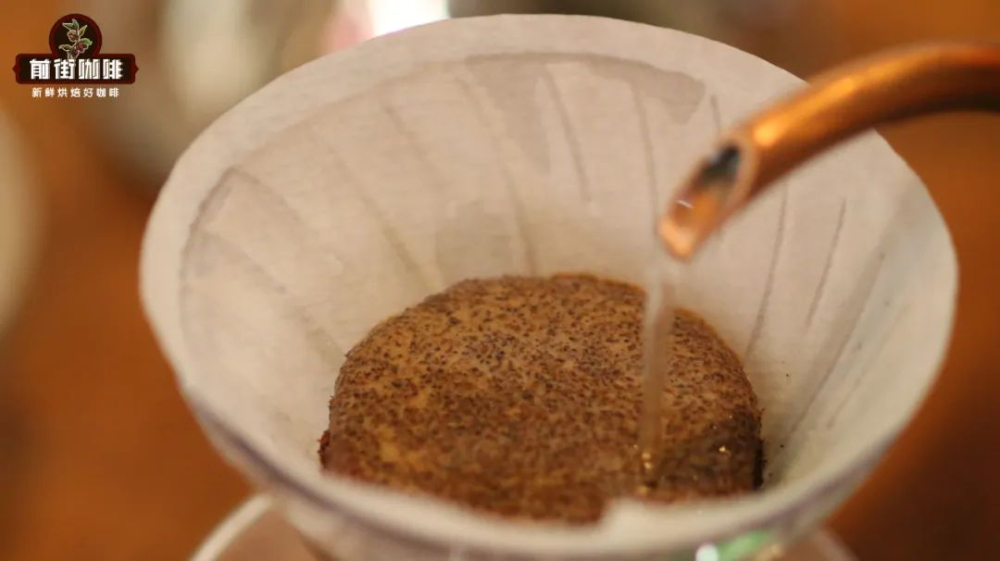
Freshness is most obvious during extraction. If, at the blooming stage, the coffee bed shows no expansion at all, it means the gases inside the beans have been fully released. The whole extraction gives off no aroma, the taste is flat, and what you drink has a woody, fibrous character.
The main factors working against coffee bean freshness are oxygen, moisture, light and heat. To store beans properly, then, they should be kept whole, sealed, away from light and moisture, and at low temperatures. Even when all of that is done, flavor still fades gradually over time — which is why, rather than long-term storage, FrontStreet Coffee still recommends drinking them within their optimal flavor window.
FrontStreet Coffee Recommendation
If the oily sheen you are seeing comes from a dark-roasted Sumatran, that is simply the roast doing its job. FrontStreet PWN Golden Mandheling is the benchmark for a top-grade Mandheling: it is produced to the strict standards of Indonesia's PWN company, using beans of screen size 18 and above, with fewer than 3 defective beans per 300-gram green bean sample to meet the top G1 grade. On top of that, three rounds of manual hand sorting remove any remaining defects, which lifts both the cleanliness and the intensity of sweetness in the cup. Those exacting standards are also why supply is limited — most Golden Mandheling goes to Japan and the United States, so genuine lots arriving in other markets are scarce. The certificate and the PWN-marked bags shown in FrontStreet's product listing are what set it apart from ordinary Golden Mandheling.
For everyday drinking, FrontStreet Lindong Mandheling is a reliable daily bean. It comes from the Lindong area around Lake Toba in North Sumatra and is roasted medium-dark, so the acidity is muted and the body is thick and warming, with clove and woody aromas, a low-acid spice-and-mint character and a long, solid, bittersweet finish. Both the Lindong and the PWN lots are wet-hulled — the process Sumatra developed to cope with near-constant rain, in which the parchment is stripped off while the beans are still half-dry to speed drying, absorbing wild yeasts from the air and producing Mandheling's famously rustic, earthy, herbal flavor. If you want to brew one at home, FrontStreet suggests 87–88°C water, 15g of coffee, a 1:15 ratio and a coarse-sugar grind, split into three pours of 30ml, 100ml and 95ml to draw out the caramel sweetness and the chocolate and nut notes.
And if the beans in question are destined for a machine rather than a dripper, FrontStreet Classic Blend is the one customers reorder most. It layers medium-dark Mandheling onto the creamy, nutty base of Brazilian coffee, so butter, roasted chestnut and caramel come forward, while the Mandheling adds body and distinctive sandalwood, herbal and spice notes. A small proportion of Robusta rounds out the crema, making latte art or a layered Dirty effortless.
Important Notice :
FrontStreet Coffee is a long-established specialty coffee roaster in Guangzhou China, selling freshly roasted beans from its own farm in Yunnan as well as dozens of carefully selected single-origin beans from around the world for both pour-over and espresso. The products deliver consistently excellent quality and great value, with shipping within 24 hours. Guangzhou's FrontStreet Coffee shop is recommended by many coffee lovers, and the beans are now available online at the Tmall 。
FrontStreet Coffee has moved to a new address:
FrontStreet Coffee Address: 315,Donghua East Road,GuangZhou
Tel:020 38364473
 Scan and follow the En Gafei WeChat official account. Please indicate that the reprint comes from "En Gafei".

